
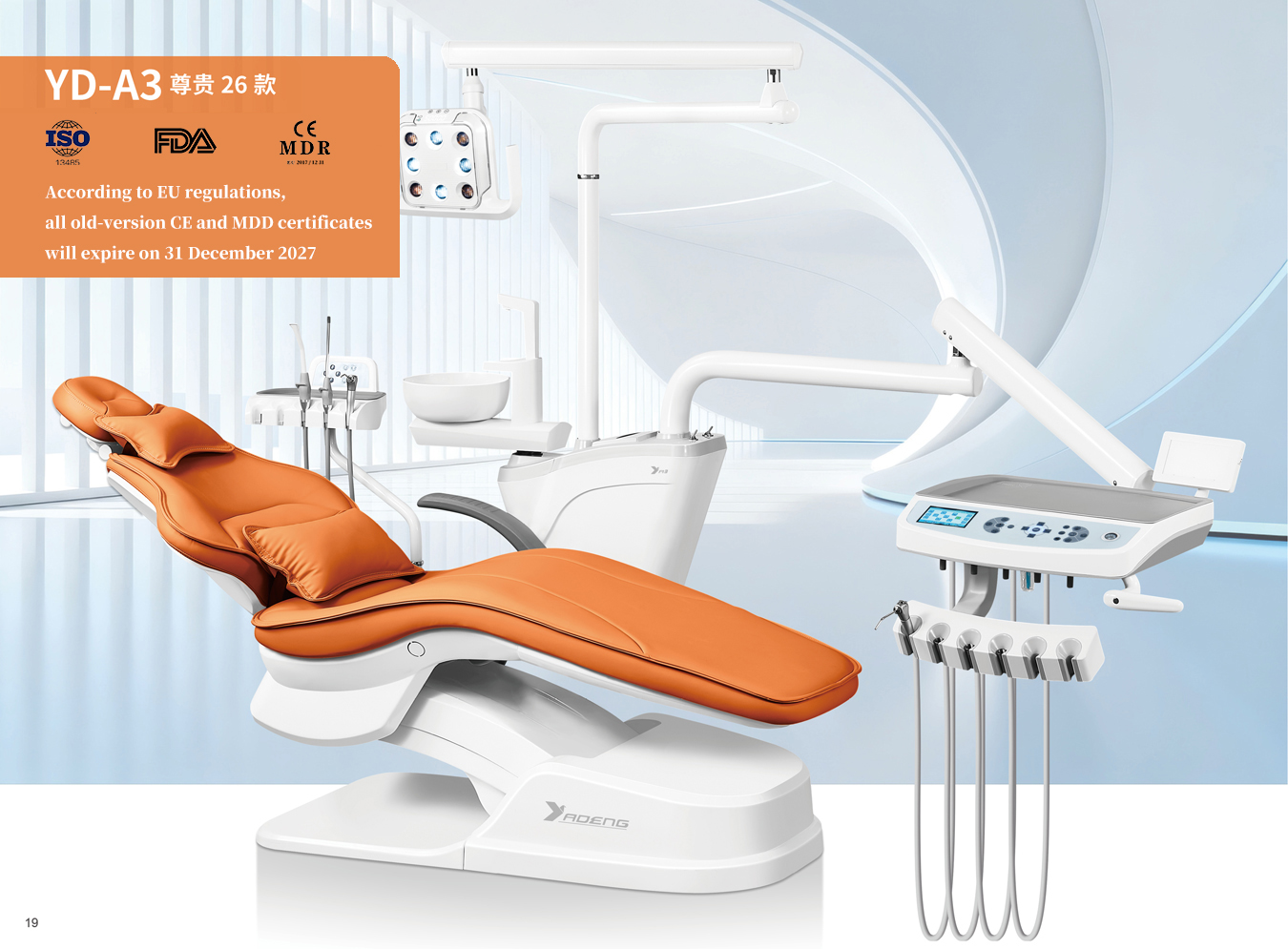
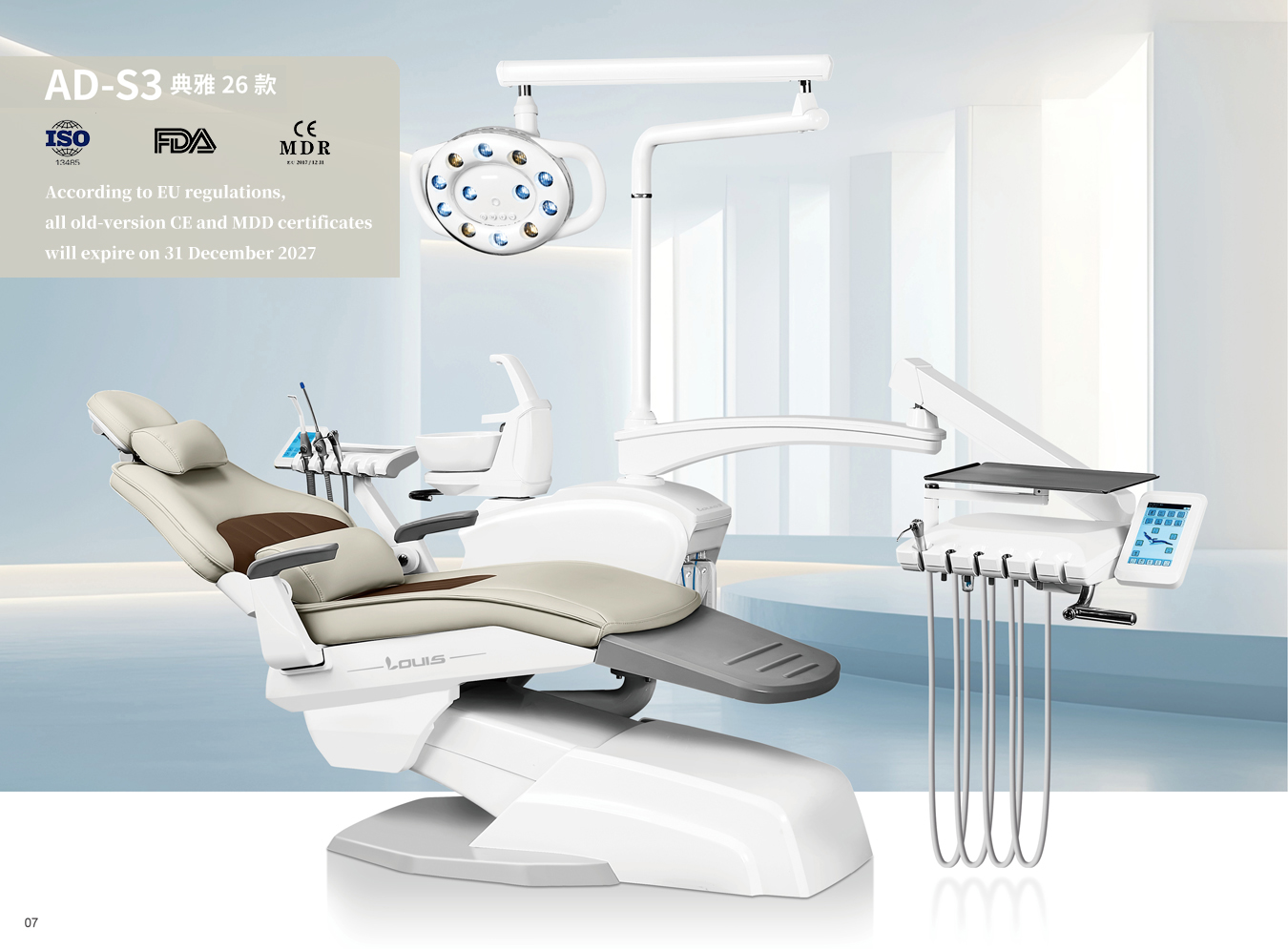
The evolution of dental treatment can often be seen in the development of the dental chair unititself. From simple mechanical chairs to modern dental units integrating electric control, ergonomic design, infection control, and multi-function synchronization, the history of the dental chair reflects the continuous improvement of three key areas: dentist efficiency, patient comfort, and clinical safety.
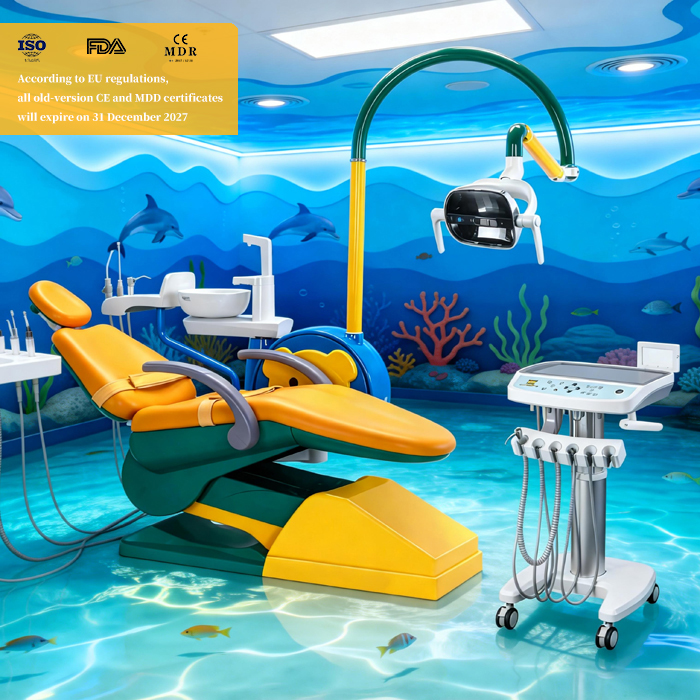
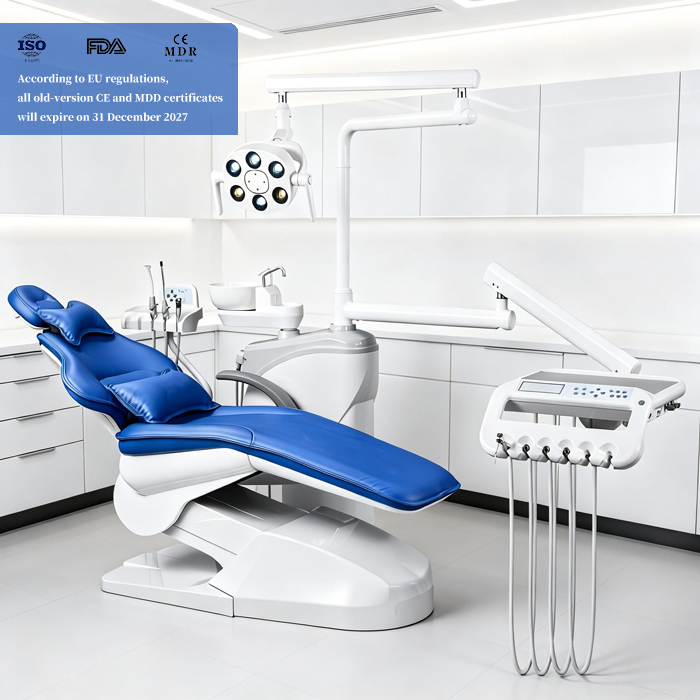
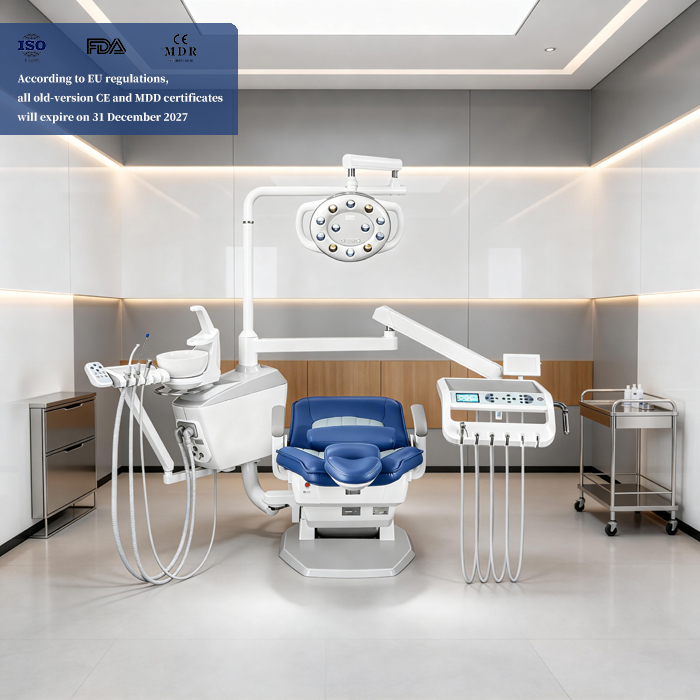
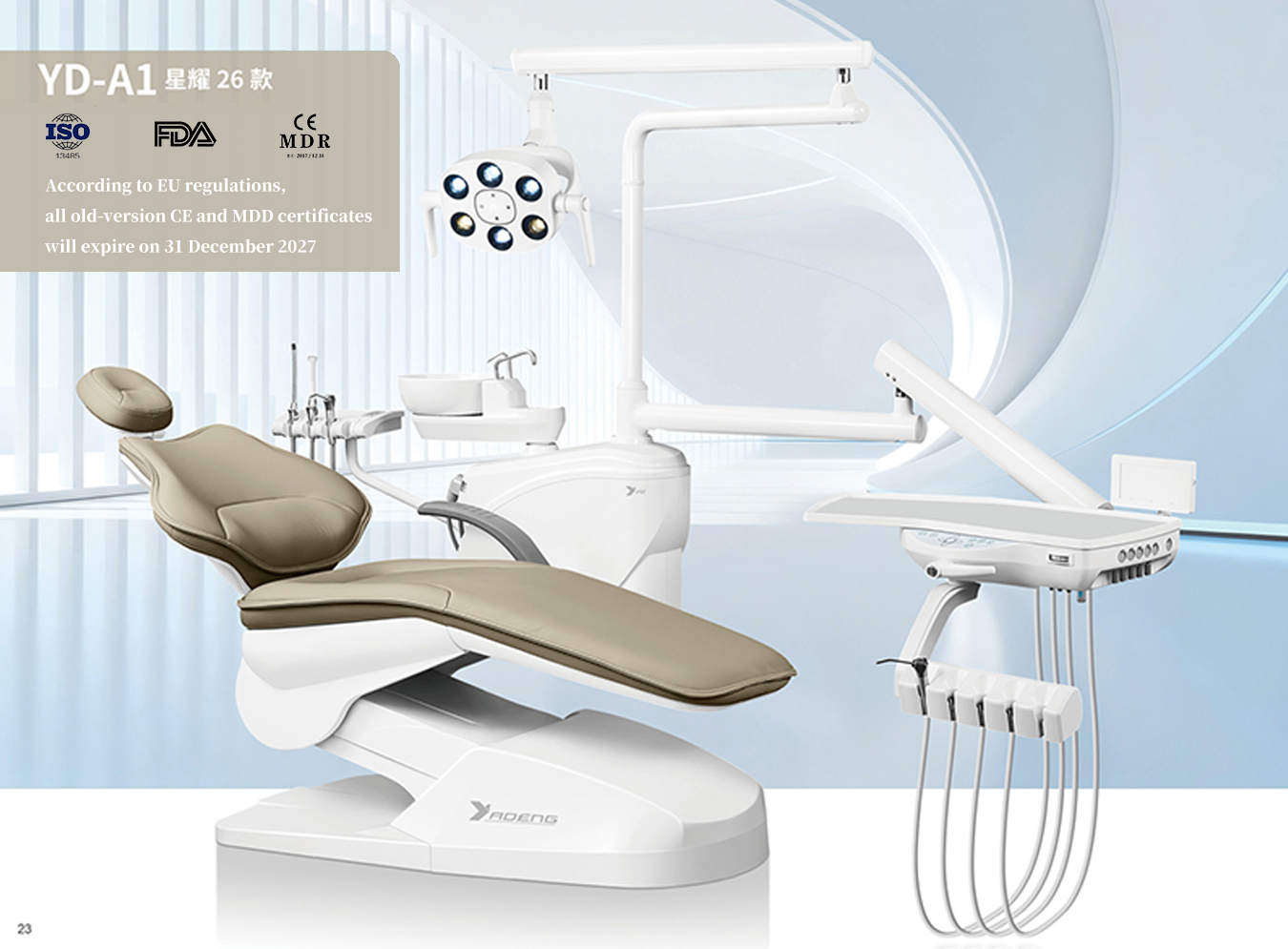
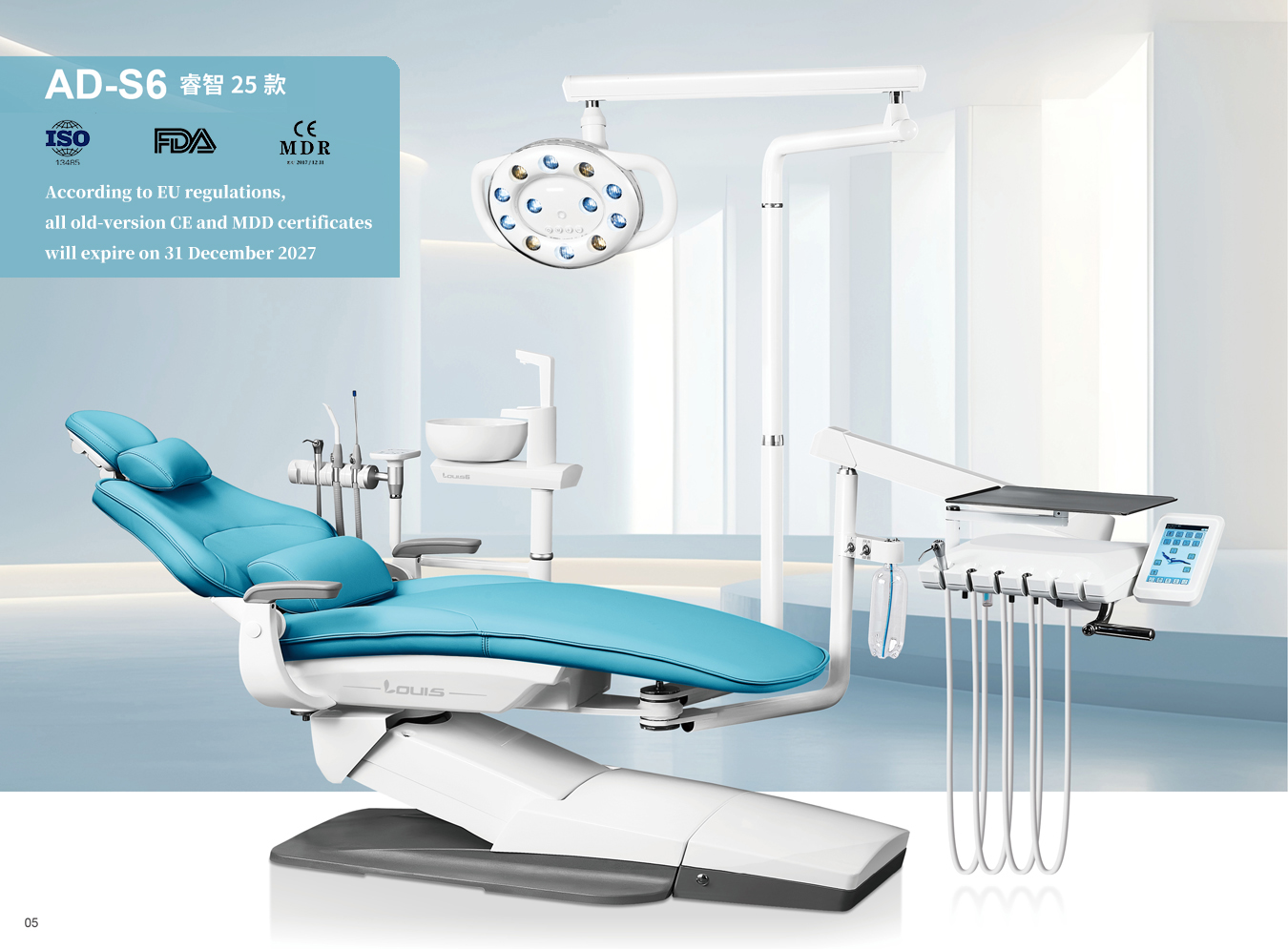
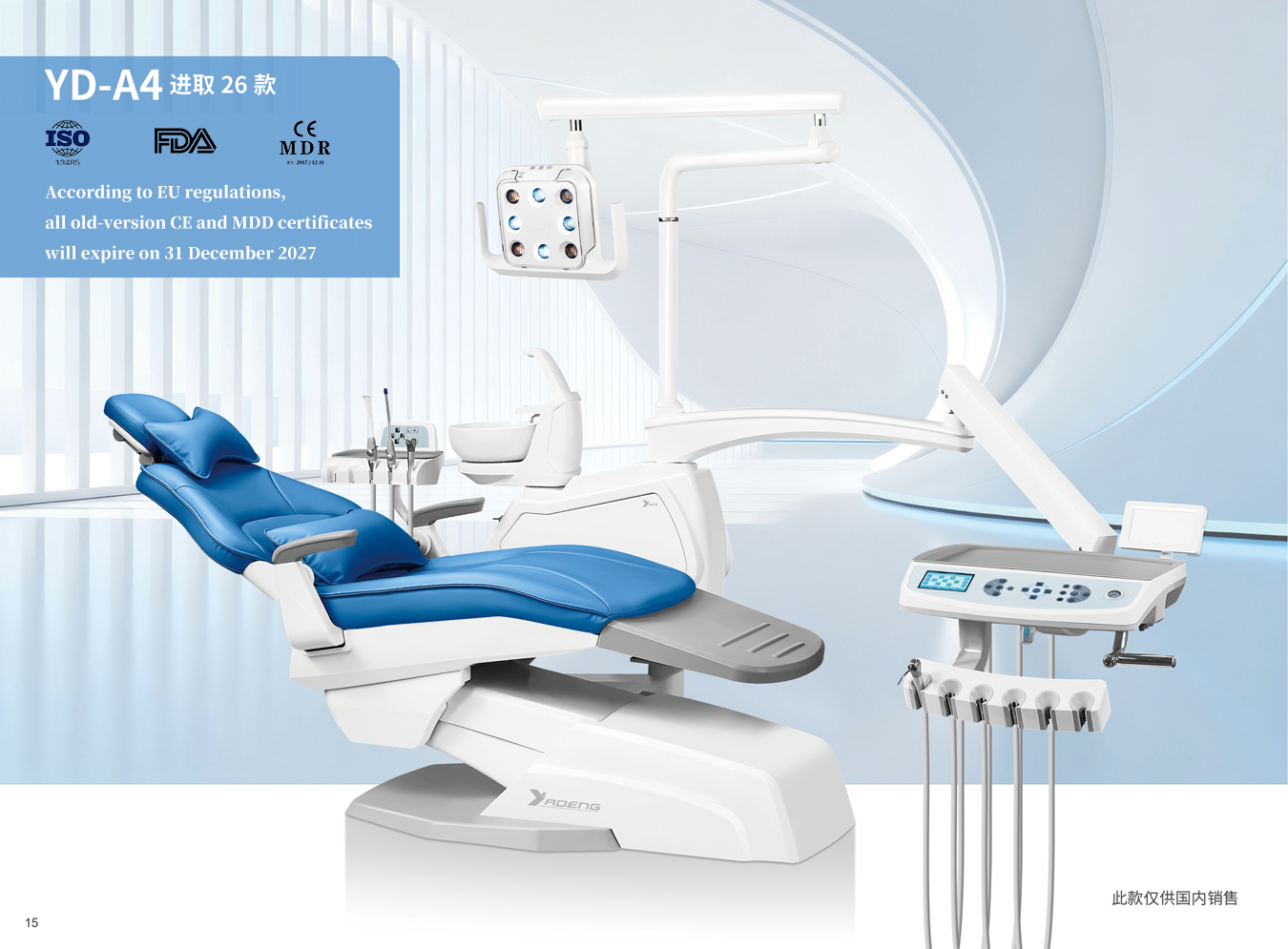
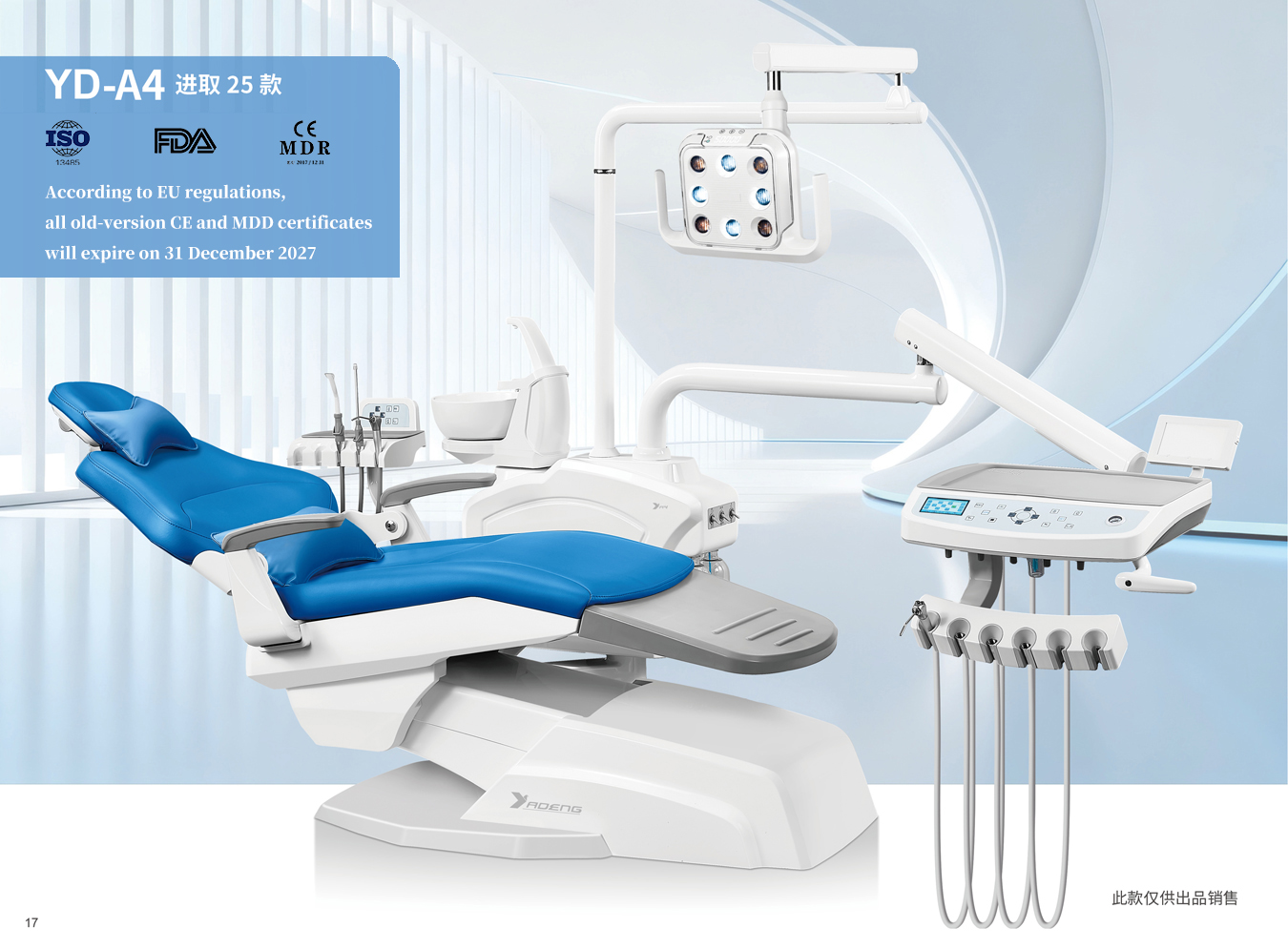
Guangdong Yadeng’s AD-S premium series and YD-A practical series build on this evolution by integrating intelligent electric control, cast-aluminum structures, and user-centered design into modern dental treatment equipment.
1. Early Traditional Dental Chairs: Functional, but Far from Comfortable
Early dental chair units mainly relied on mechanical and hydraulic structures. Dentists used hand-operated mechanisms or foot-operated hydraulic pumps to adjust the chair position. This was a familiar setup in many traditional dental clinics.
These early dental units could provide basic functions such as height adjustment and reclining, allowing dentists to perform routine procedures such as fillings and extractions.
However, several limitations were obvious:
1. Heavy and inefficient operation
Mechanical levers were used for most adjustments. Whenever a new patient arrived or the treatment position needed to be changed, dentists had to manually adjust the dental chair again and again.
There was no memory function, so commonly used positions had to be reset each time, taking additional time during treatment.
2. Abrupt movement and vibration
Hydraulic systems could produce noticeable impact when starting or stopping. The resulting movement and operating noise could make some elderly or sensitive patients feel uncomfortable and increase dental anxiety.
3. Limited ergonomic support
Early dental chairs often used relatively hard cushions and provided limited ergonomic support. During long implant or orthodontic procedures, patients could experience back discomfort.
There was also limited consideration for left- and right-handed dentists, making the equipment less convenient for left-handed operators.
4. Low integration and higher infection-control challenges
The instrument tray, water supply, and suction system were often relatively independent. Some components were difficult to remove for thorough cleaning and sterilization, creating additional challenges for infection control.
5. Limited service life
Traditional hydraulic and mechanical components were subject to wear over time. Typical service life was around 8–10 years, while oil leakage, mechanical resistance, and other failures could become more frequent as the equipment aged.
The primary purpose of this generation of dental units was simple: make treatment possible. However, they placed greater physical demands on dentists, offered less comfort to patients, and were not well suited to long, high-precision procedures such as implant surgery and complex root canal treatment.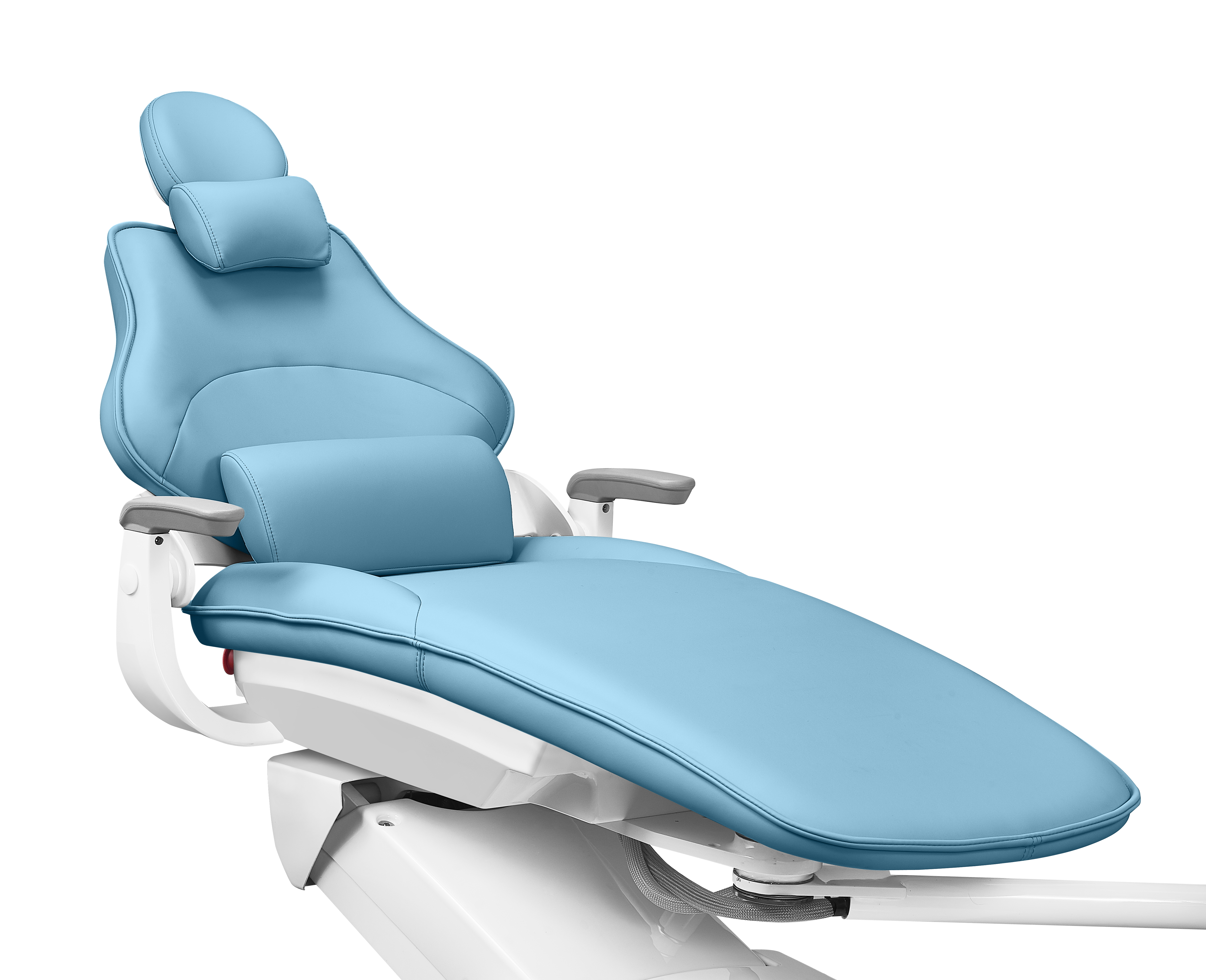
2. The Electronic Transition: From Manual Adjustment to Button Control
With the wider use of electronic components, dental chair units entered a transitional electronic stage.
Electric motors gradually replaced manual hydraulic pumps, and simple control panels made it possible to adjust the dental chair with buttons rather than mechanical handles.
However, many products at this stage were essentially based on “motor + basic switch” systems.
The chair could move electrically, but movement was not necessarily smooth because advanced buffering algorithms were not yet widely integrated.
Some models offered two or three memory positions, but their linkage capabilities were limited. Adjusting the dental unit position would not necessarily synchronize the dental light, water supply, or other equipment.
The control screens were also relatively basic and often lacked glove-friendly operation. Water, air, and suction systems were not fully integrated into one control system.
In other words, this generation of dental units achieved electric operation, but there was still a significant gap between basic electric control and true intelligent integration.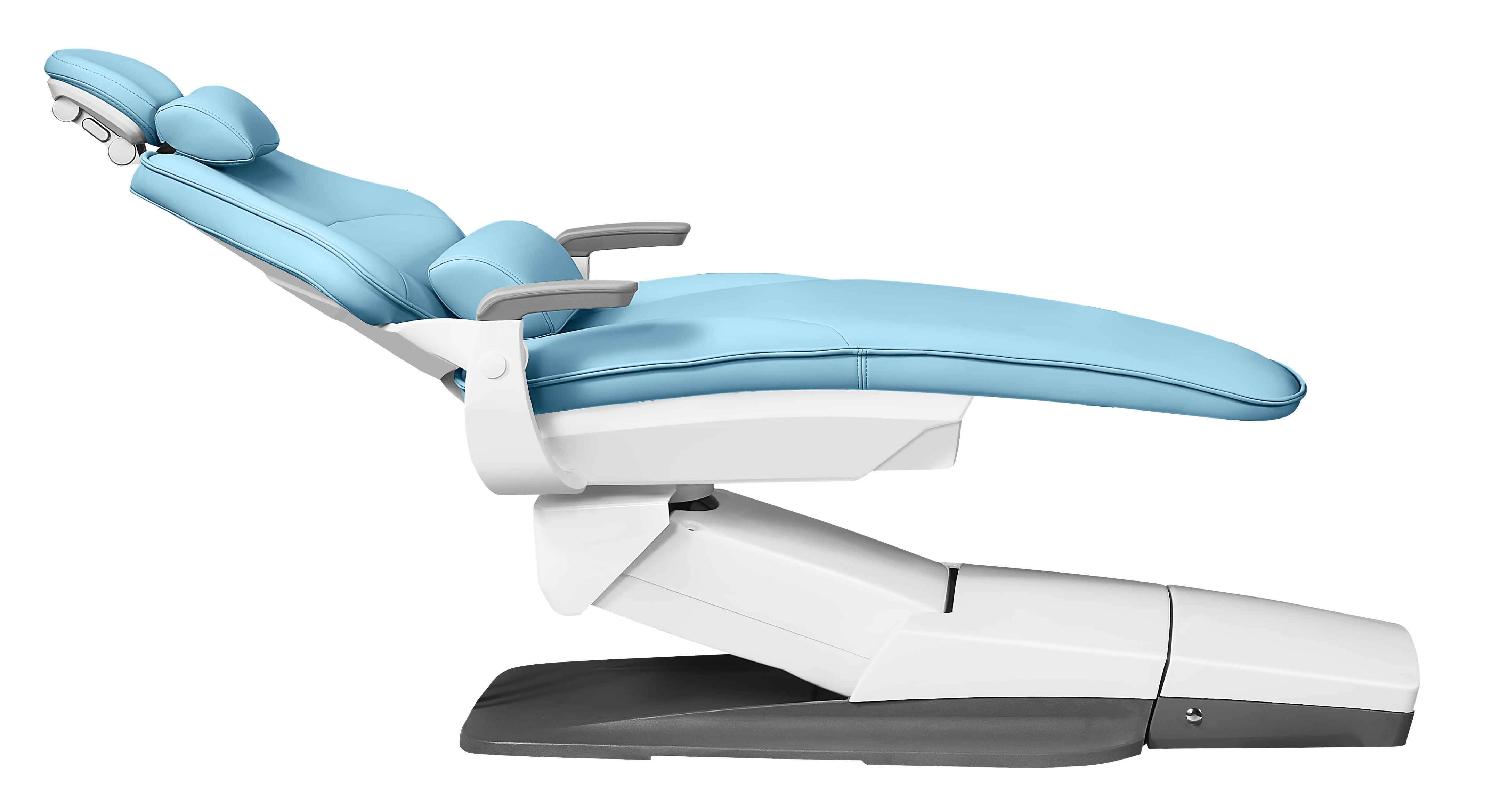
3. Modern Smart Dental Units: One Control System for Efficiency, Comfort, and Infection Control
Modern dental chair units are no longer simply chairs. They have developed into integrated treatment platforms.
The major change comes from the integrated intelligent electric control system, which combines imported silent DC motors, programmable control boards, medical-grade touchscreen interfaces, and multi-module linkage technology.
The chair frame, dental light, water supply, suction system, and instrument tray can work together through one control system.
The AD-S and YD-A series from Guangdong Yadeng demonstrate several key characteristics of modern dental units.
1. Memory-Based Electric Control: One-Touch Position Adjustment
High-end Yadeng dental chair units support up to 9 memory positions, allowing dentists to save commonly used positions for implant surgery, root canal treatment, dental cleaning, rinsing, and other procedures.
With a medical-grade touchscreen, dentists can save a preferred position once and recall it with one touch instead of repeatedly adjusting the backrest and chair height.
The dental chair unit also supports switching between left- and right-handed operating modes, adapting to different dentist preferences.
An assistant control panel and six-in-one multifunctional foot control provide multiple control options, allowing dentists and assistants to operate the dental unit without repeatedly leaving their working positions.
2. Smooth Electric Drive: Reducing Vibration and Dental Anxiety
The AD-S series uses dual imported silent DC motors with electric control and gradual movement compensation.
The dental chair moves up, down, reclines, and returns smoothly, reducing sudden vibration and impact during positioning.
The chair frame also uses extensive cast-aluminum construction for structural stability. The lowest chair position is 450 mm, while the highest position reaches 730 mm, accommodating different patient groups, including elderly patients, children, and patients with larger body sizes.
Yadeng’s patented electric heating and lumbar massage functions provide additional comfort during long procedures such as implant treatment, helping reduce back discomfort during extended periods of reclining.
This is a distinctive feature that traditional dental chairs generally do not provide.
3. Multi-Module Intelligent Linkage: One Dental Unit Working as a System
Smart operation is not simply about making the chair move.
When an implant treatment memory position is selected, the electric control system can simultaneously adjust the illumination and color temperature of the 20-LED dual-color shadowless dental light according to the treatment setting.
When the rinsing position is selected, the dental chair unit can automatically adjust the backrest position and switch to warm-water supply.
The dual-water-bottle system allows electric switching between tap water and purified water.
The high- and low-volume suction system uses removable filters and supports a waterline self-cleaning program, helping reduce blockage and cross-contamination risks.
These functions allow the dental unit to operate as an integrated treatment system rather than as a collection of separate devices.
4. Medical-Grade Interaction and Infection-Control-Oriented Design
Yadeng dental chair units use 7-inch or 4.3-inch medical LCD touchscreens with water- and dust-resistant designs, allowing dentists to operate the system while wearing gloves.
The removable ceramic cuspidor, autoclavable silicone components, and 304 stainless-steel instrument tray are designed for convenient cleaning and sterilization.
More removable components make routine cleaning and disinfection easier and support the infection-control requirements of modern dental clinics.
5. Longer Service Life and Lower Long-Term Operating Costs
Yadeng dental chairs are designed for a service life of up to 15 years.
Key tubing uses BASF environmentally friendly materials, and the equipment has obtained EU CE MDR medical certification.
Motors and electric control modules can be repaired or replaced individually instead of requiring replacement of the entire dental chair unit.
For dental clinics, this design can help reduce long-term equipment investment and maintenance costs.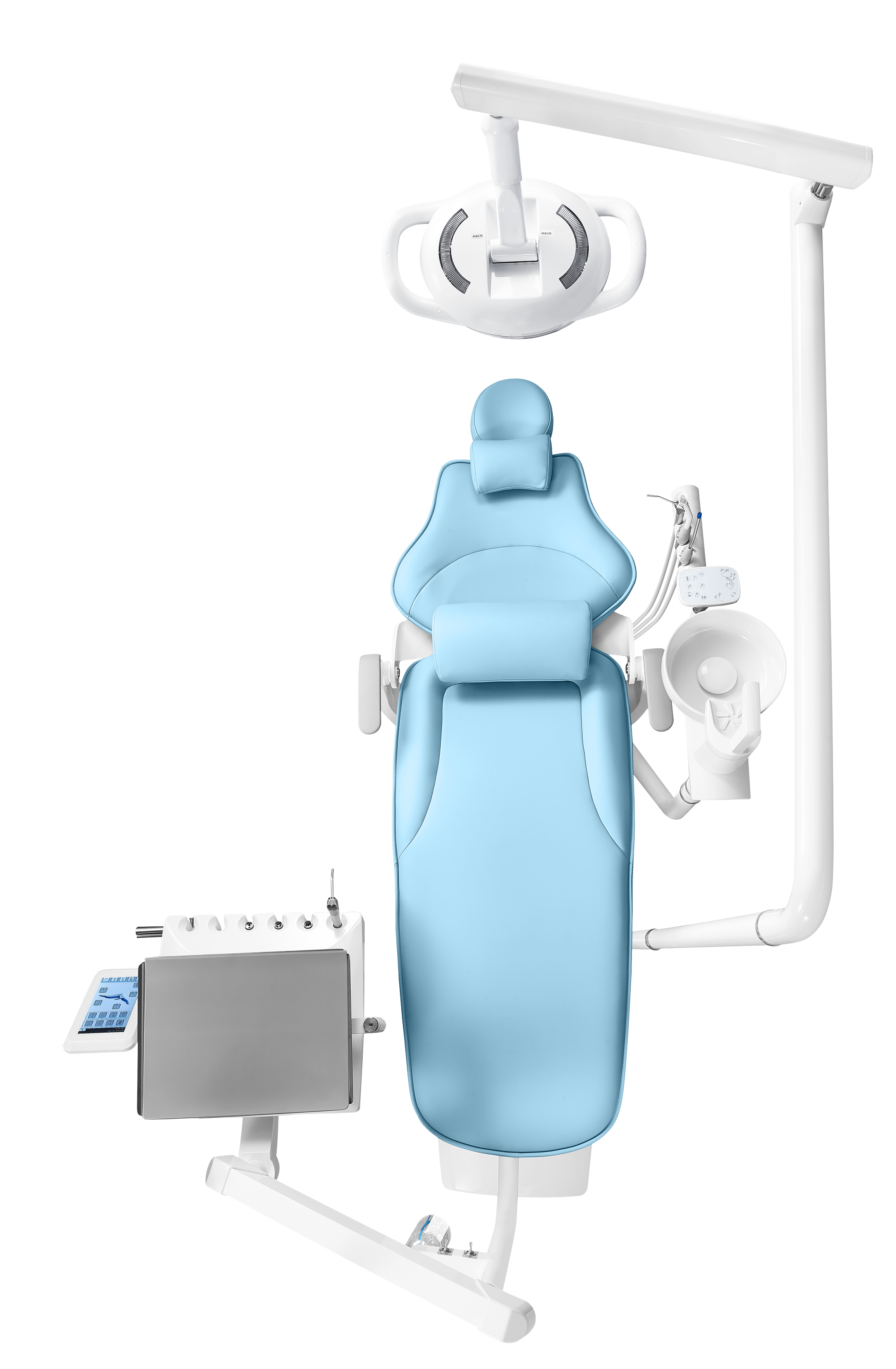
4. Looking Ahead: More Human-Centered and Modular Dental Chairs
The evolution of the dental chair unit is not over.
Future development will continue to focus on easier maintenance through modular structures, intelligent waterline monitoring, further ergonomic improvements, and stronger infection-control solutions.
But the fundamental purpose remains the same:
A good dental chair should support both sides of the treatment process — making work easier for dentists and treatment more reassuring for patients.
The transition from manual mechanical chairs to intelligent electric dental units is not simply a change in equipment structure. It reflects a broader change in the way dental treatment is delivered.
Traditional dental chairs were designed primarily to make treatment possible. Modern intelligent dental chair units go further by improving treatment efficiency, patient comfort, and infection control at the same time.
