

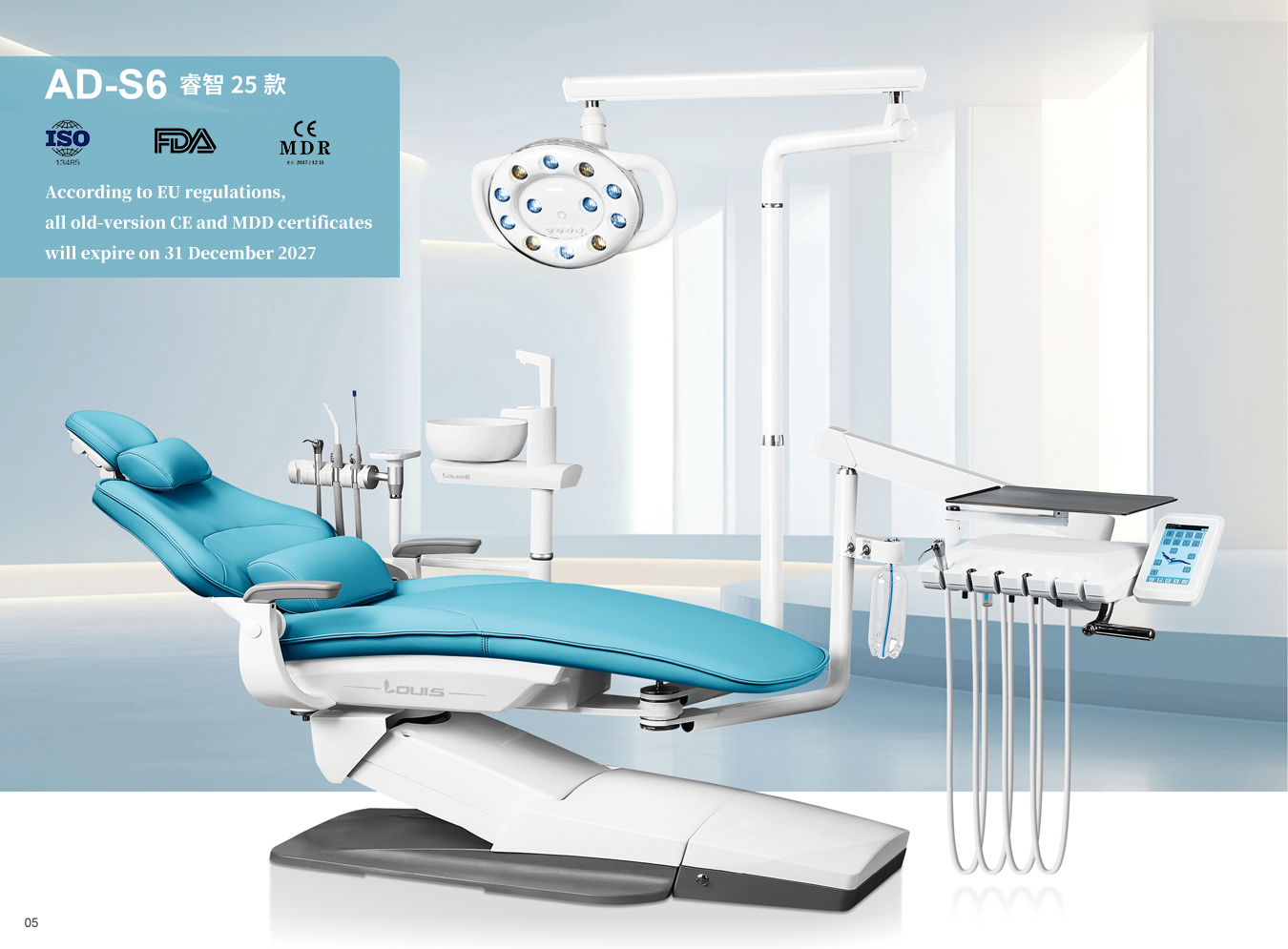
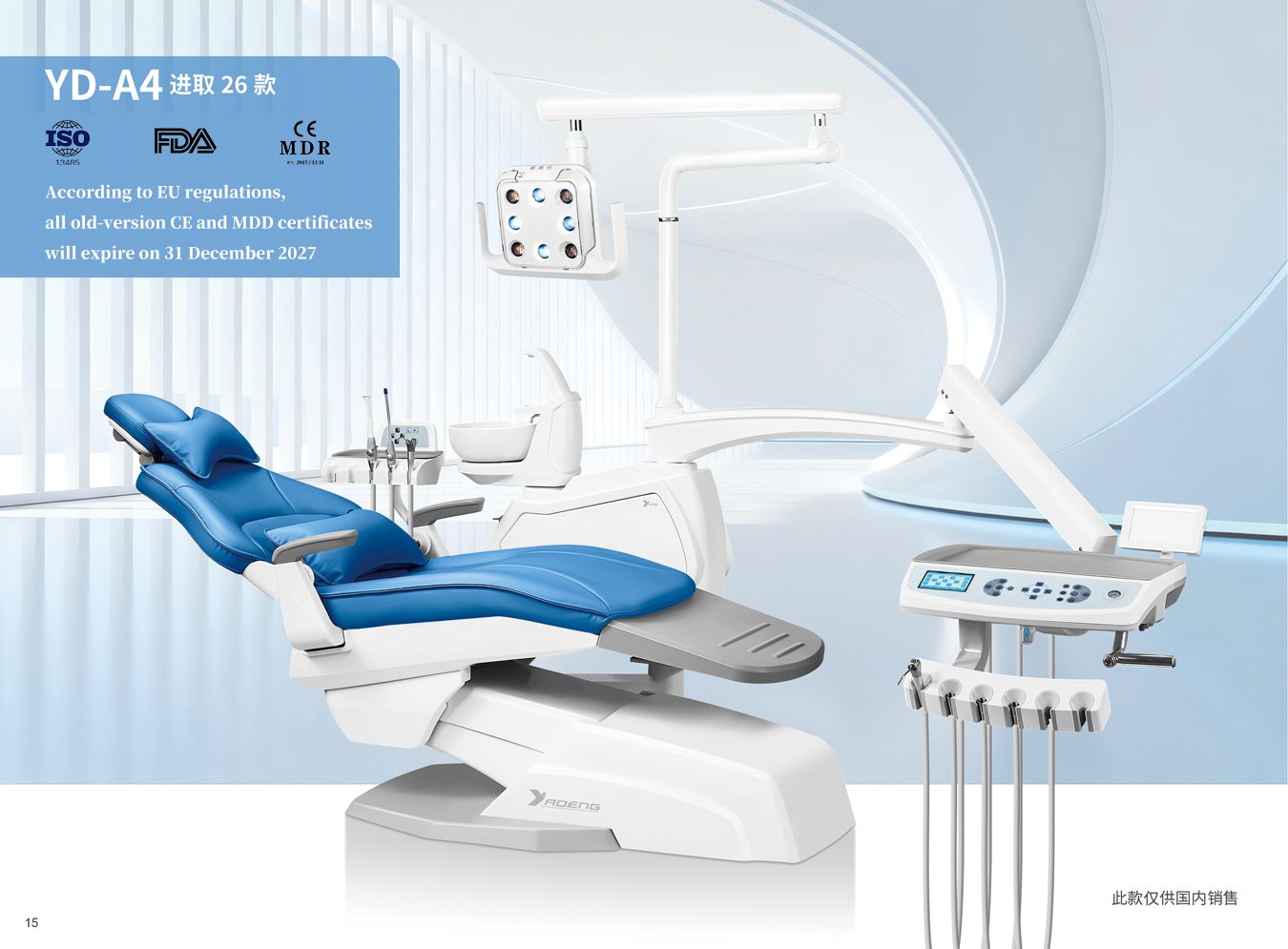
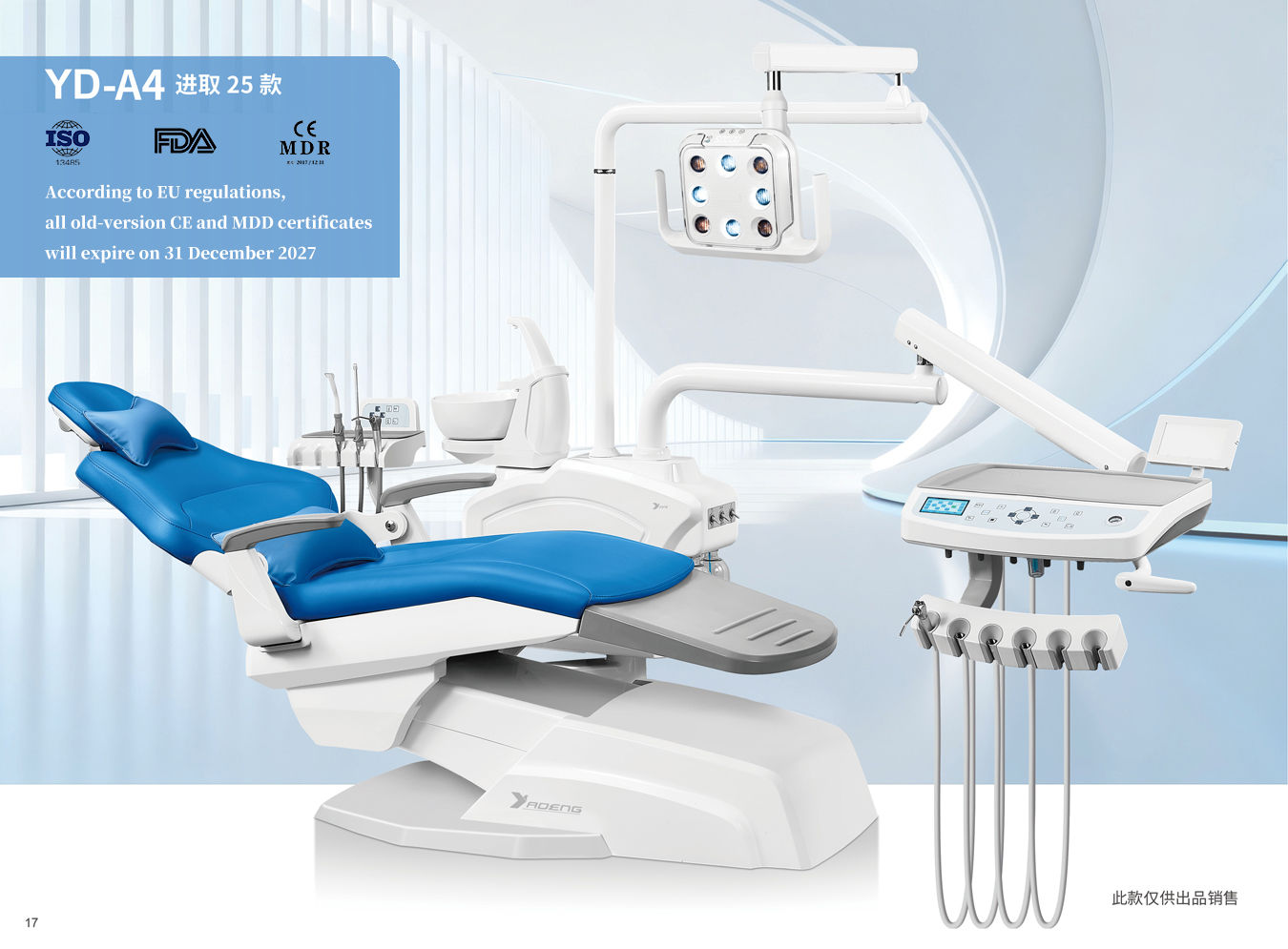
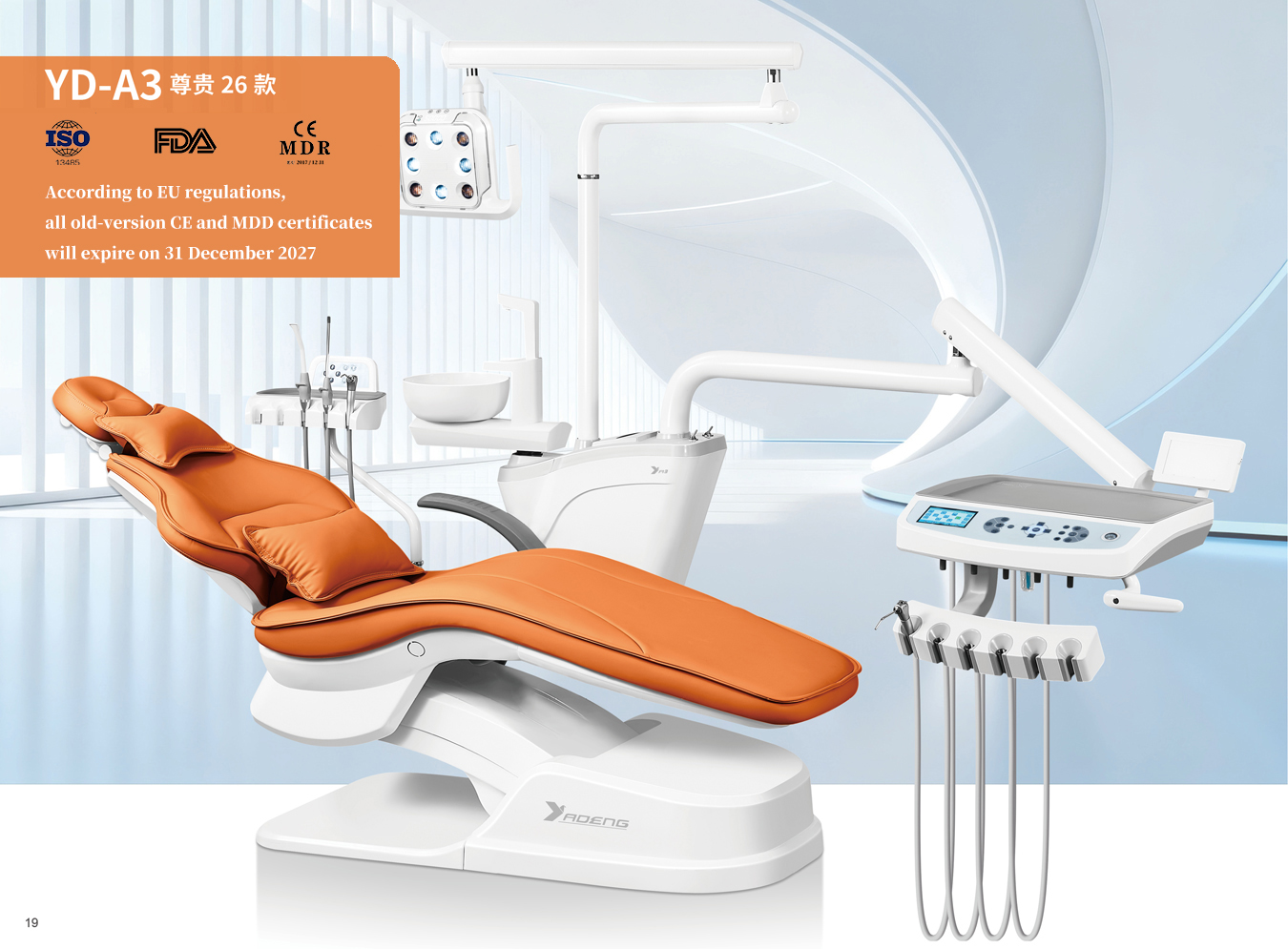
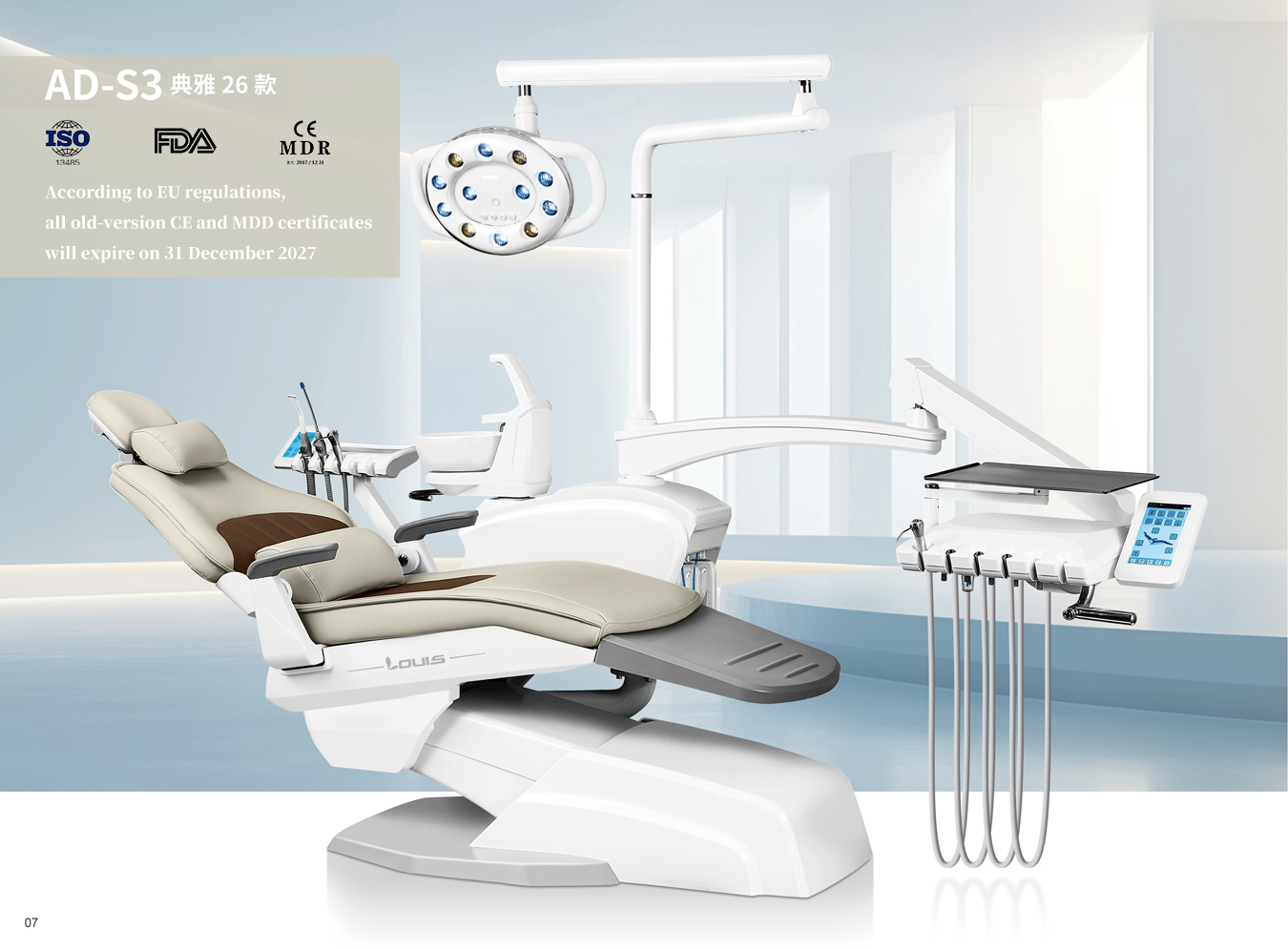
After purchasing equipment, many clinic managers face a practical question: Can the dental chair unit be installed by themselves?
On the surface, a dental unit may seem like just a medical chair with electric adjustment, but in reality, it's a comprehensive device integrating electrical, plumbing, pneumatic, sewage, and control systems. Its installation involves multiple technical steps and is not a simple assembly operation.
Therefore, the answer to the question "Can dental chair units be installed by oneself?" is not a simple "yes" or "no," but requires analysis from multiple perspectives, including structural complexity, safety requirements, compliance regulations, and technical risks.
This article will systematically analyze whether dental chair units are suitable for self-installation, focusing on their structural composition, installation process, technical requirements, safety hazards, and compliance.
Does the structure of the dental unit determine the installation difficulty?
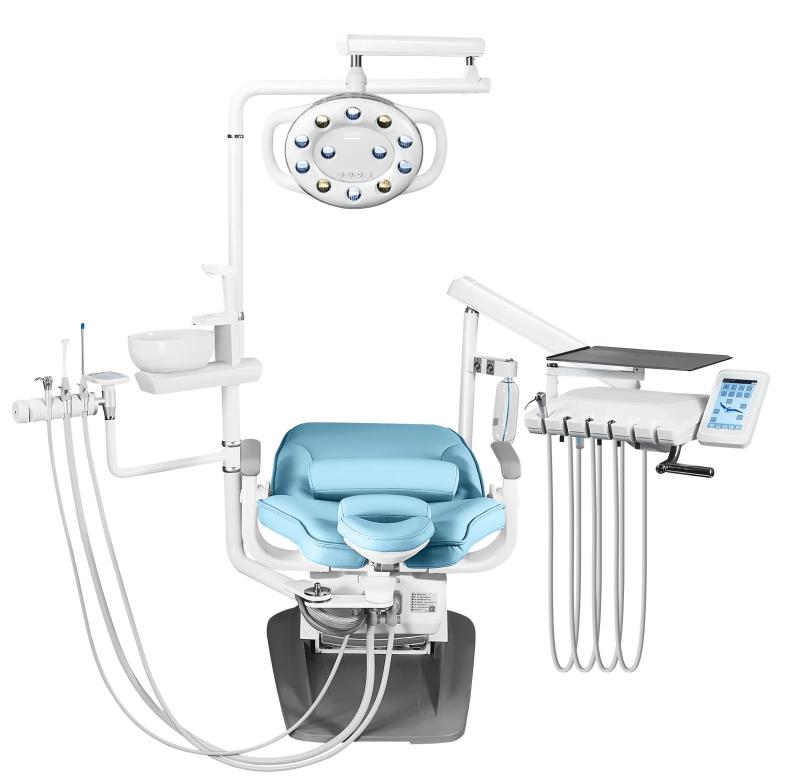
To determine whether a dental chair unit can be installed by oneself, it is essential to first understand its structural composition.
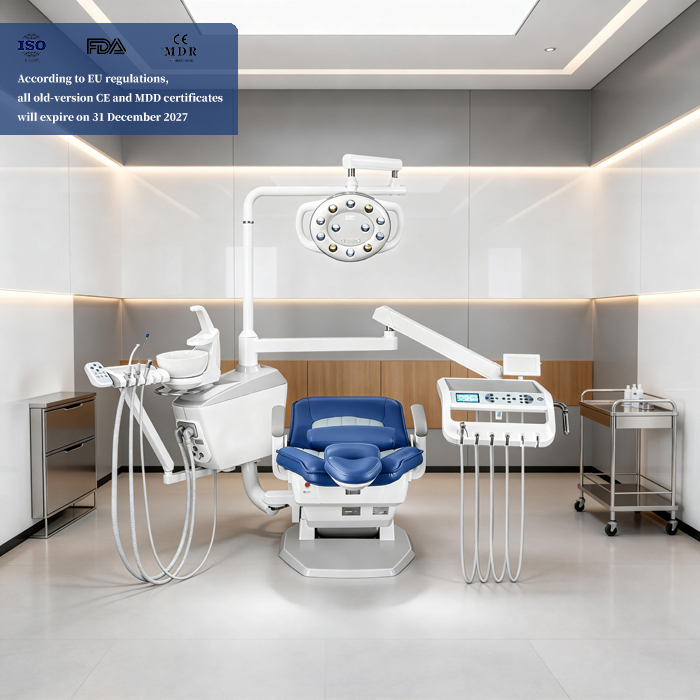
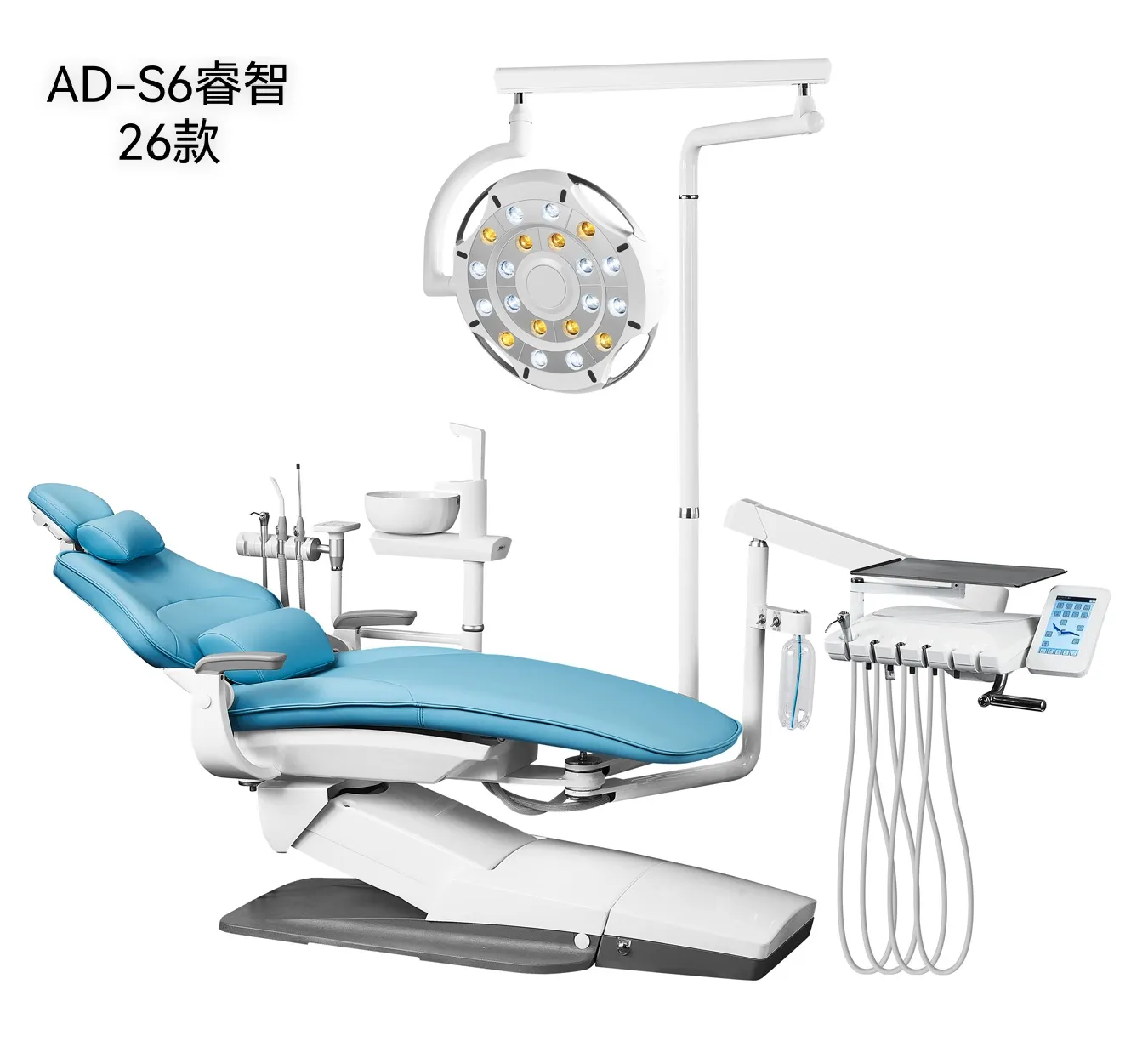
A complete dental chair unit typically includes:
• Chair height adjustment system
• Backrest adjustment system
• Electrical control system
• Water supply system
• Air supply connection system
• Drainage system
• Instrument operating unit
A dental chair unit is not a single mechanical structure, but an integration of multiple systems. Each system requires accurate connection, adjustment, and testing during installation.
For example, the dental chair unit's water system must be leak-free; the air system must ensure stable pressure; and the electrical control system must meet electrical safety standards.
Therefore, from a structural complexity perspective, the installation of a dental unit does not fall into the category of simple equipment installation.
What technical expertise is involved in dental unit installation?
Dental chair unit installation typically involves the following types of technical operations:
1. Electrical Connections
Dental chair units require connection to an independent power line. Voltage mismatch or incorrect wiring may lead to equipment damage or safety risks.
2. Water Connections
The dental chair unit's water supply system needs to be connected to the clinic's water source, ensuring the interface is sealed. Water pressure control is equally important.
3. Air Connection
Dental chair units require connection to a compressed air system. Excessive or insufficient air pressure can affect the normal operation of the equipment.
4. Drainage System Connection
The drainage system of the dental unit must comply with the clinic's drainage design; otherwise, backflow or blockage may occur.
These technical aspects determine that dental unit installation is not simply mechanical assembly, but a systems engineering project.
Must dental chair units be installed by professionals?
From the equipment manufacturer's perspective, most dental units recommend installation by professional technicians.
Reasons include:
• Ensuring safe electrical connections
• Ensuring a sealed water and air system
• Ensuring accurate equipment calibration
• Ensuring compliance with warranty terms
Some dental chair units explicitly state in their warranty terms that installation by unauthorized technicians may affect warranty rights.
Therefore, whether or not a dental unit can be installed by oneself depends on the warranty policy.
What are the risks of self-installing a dental chair unit?
Installing a dental chair unit yourself may present the following risks:
1. Water Leakage Risk
Improper water connections may allow water to enter the dental chair unit, affecting the electrical control system.
2. Electrical Safety Risk
Incorrect wiring may cause short circuits, overloads, or even equipment damage.
3. Unstable Air Pressure
Improper air connections may affect the stability of instrument operation.
4. Structural Installation Deviation
If the base of the dental chair unit is not securely fixed, it may vibrate or tilt.
Therefore, installing a dental unit yourself requires strong technical skills.
Are there any regulatory requirements for dental chair unit installation?
Dental chair units are medical devices, and their installation must comply with relevant medical institution construction standards.
For example:
• Electrical safety standards
• Medical water standards
• Air compression system requirements
If the dental chair unit installation does not meet the standards, it may affect clinic acceptance.
Therefore, from a compliance perspective, dental chair unit installation should meet medical environment standards.
Are special tools required for dental chair unit installation?
Dental chair unit installation typically requires:
• Specialized fixing tools
• Voltage testing equipment
• Hydraulic pressure testing device
• Pneumatic pressure testing tools
Without specialized tools, it may be impossible to accurately test the operating status of the dental unit.
Therefore, DIY dental chair unit installation requires not only technical knowledge but also professional equipment support.
Are there types of dental chair units that can be DIY installed?
Some dental chair units with relatively simple structures and high modularity are easier to install.
For example:
• Stand-alone electric chairs
• Models without complex pneumatic systems
Even so, it is necessary to ensure that the electrical and fixing structures are correct.
Therefore, not all dental chair units are entirely suitable for DIY installation; specific requirements depend on the model.
Is dental unit commissioning more critical than installation?
After the dental unit is installed, system commissioning is also required.
Commissioning includes:
• Height adjustment function test
• Backrest adjustment test
• Hydraulic system unobstructed flow test
• Instrument function test
Insufficient commissioning may lead to malfunctions during use.
Therefore, the commissioning of dental chair units also requires professional skills.
Does DIY dental chair unit installation save costs?
On the surface, DIY dental chair unit installation may save on installation fees.
However, if incorrect installation leads to equipment damage or the need for rework, the cost may be higher.
As a core piece of equipment, the stability of the dental chair unit directly affects the efficiency of treatment; therefore, installation quality is crucial.
Can I install a dental chair unit myself?
Theoretically, with professional knowledge of electrical, plumbing, and gas systems and the necessary tools, some dental chair units can be installed by oneself.
However, from the perspectives of safety, compliance, equipment protection, and long-term stability, most dental chair units are better suited for installation by professional technicians.
A dental unit is not simply a piece of furniture, but a comprehensive medical equipment system. Installation quality directly affects equipment performance and lifespan.
What kind of buyers typically work with Yadeng Medical?
Yadeng Medical works with a wide range of buyers, including dental clinics, equipment distributors, medical procurement companies, and brand owners. As a professional dental chair manufacturer and supplier, we serve customers who want to buy high quality dental equipment directly from a China factory. Whether the need is small quantity purchasing or full container wholesale orders, our company provides suitable solutions. This diversity of cooperation makes us a flexible and trusted partner in the global dental equipment industry.
