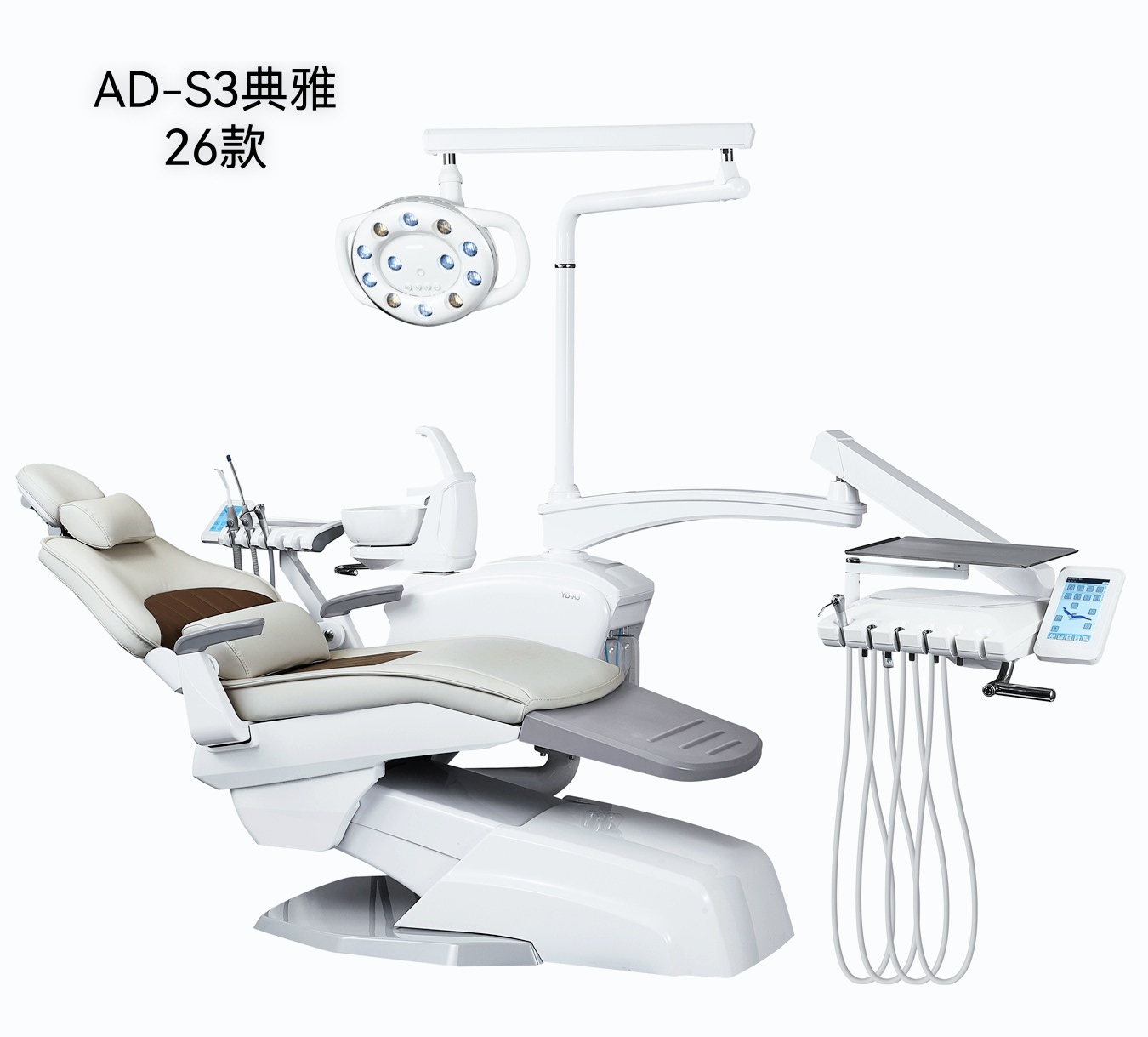
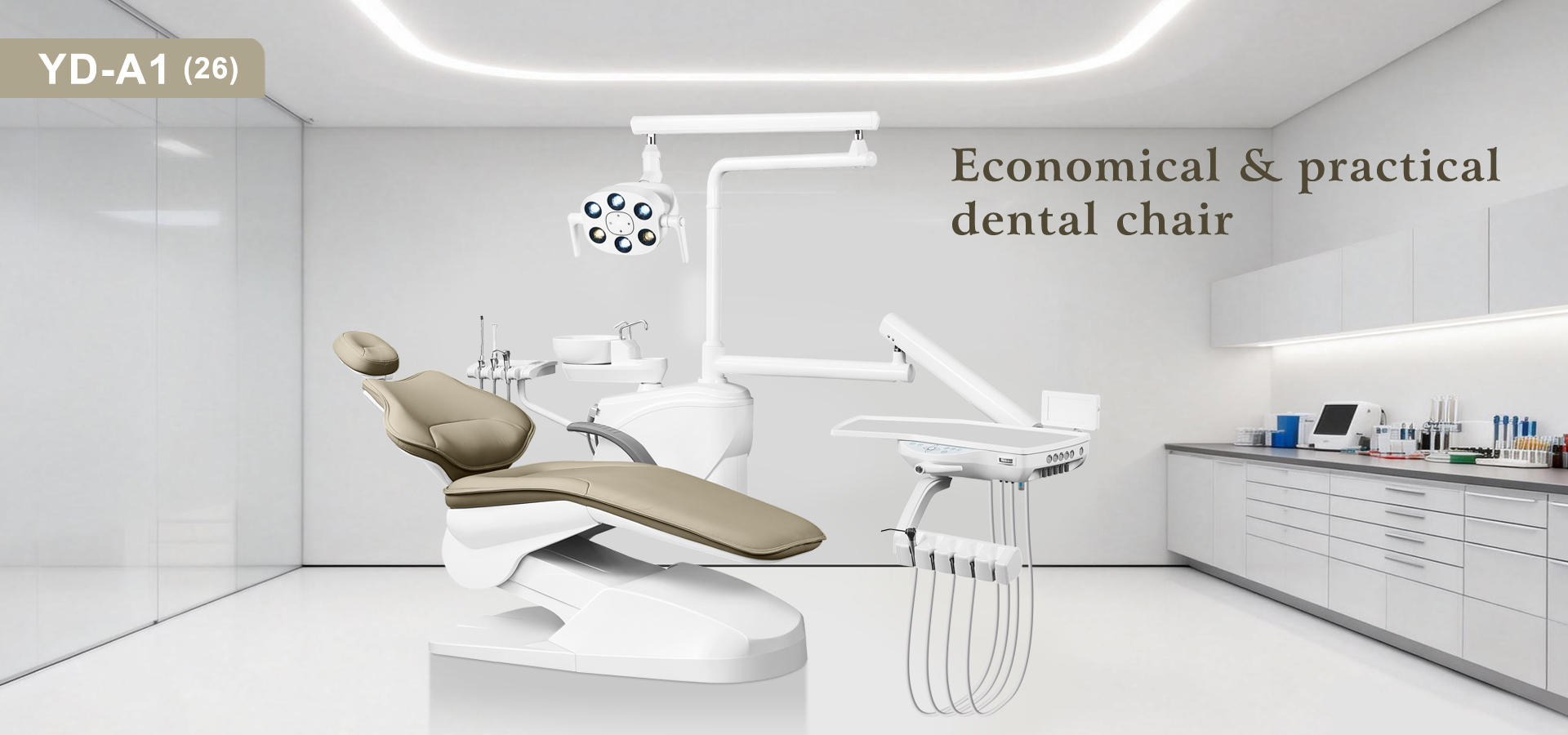
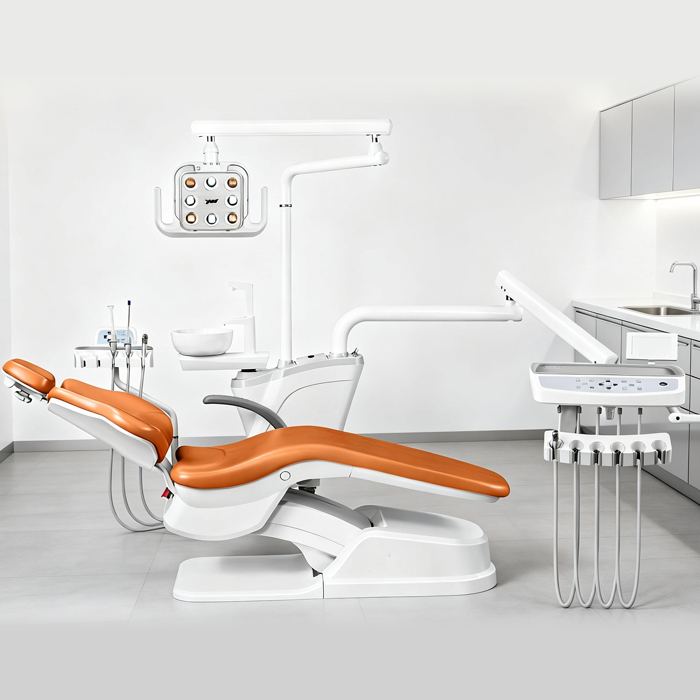
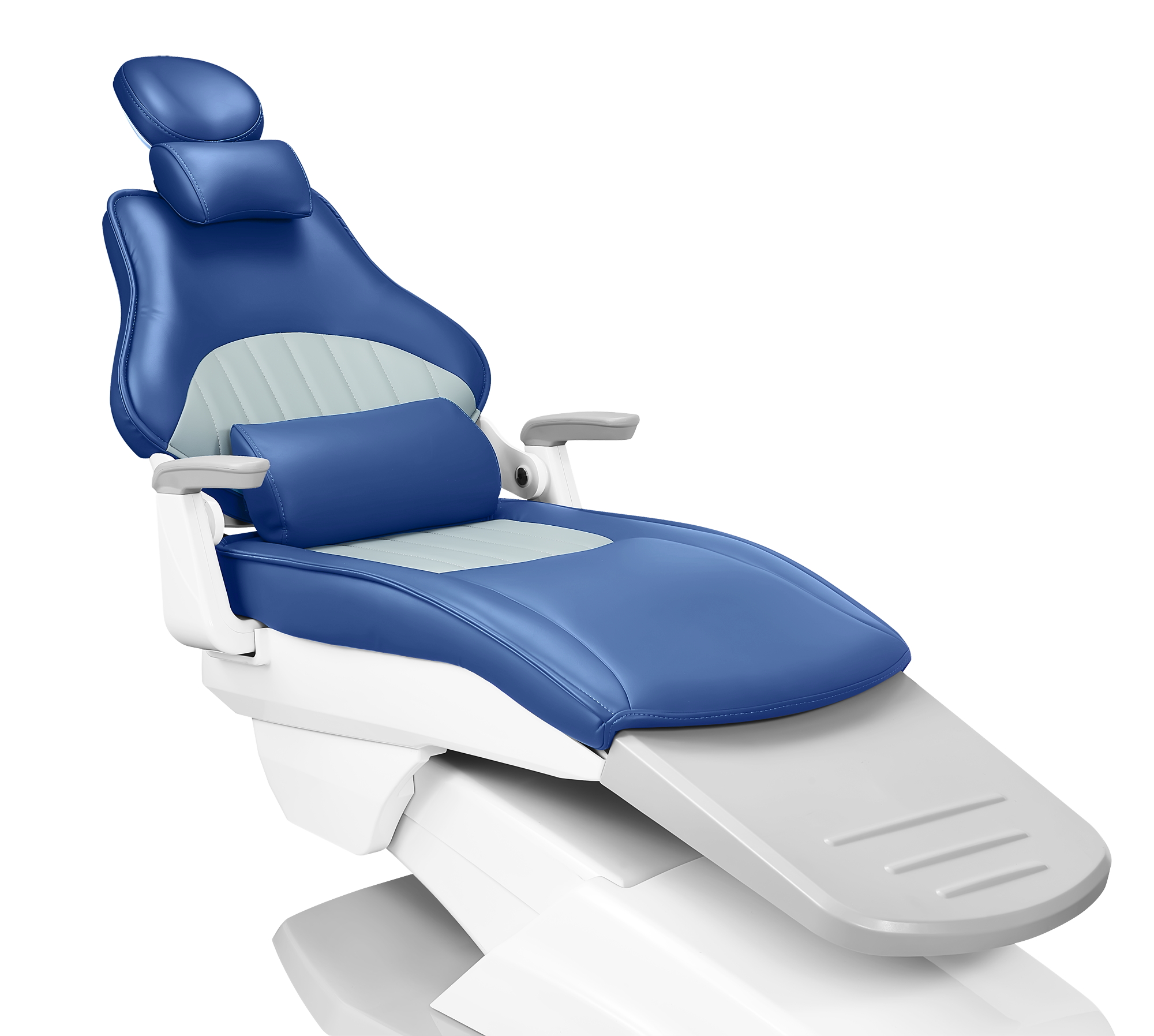
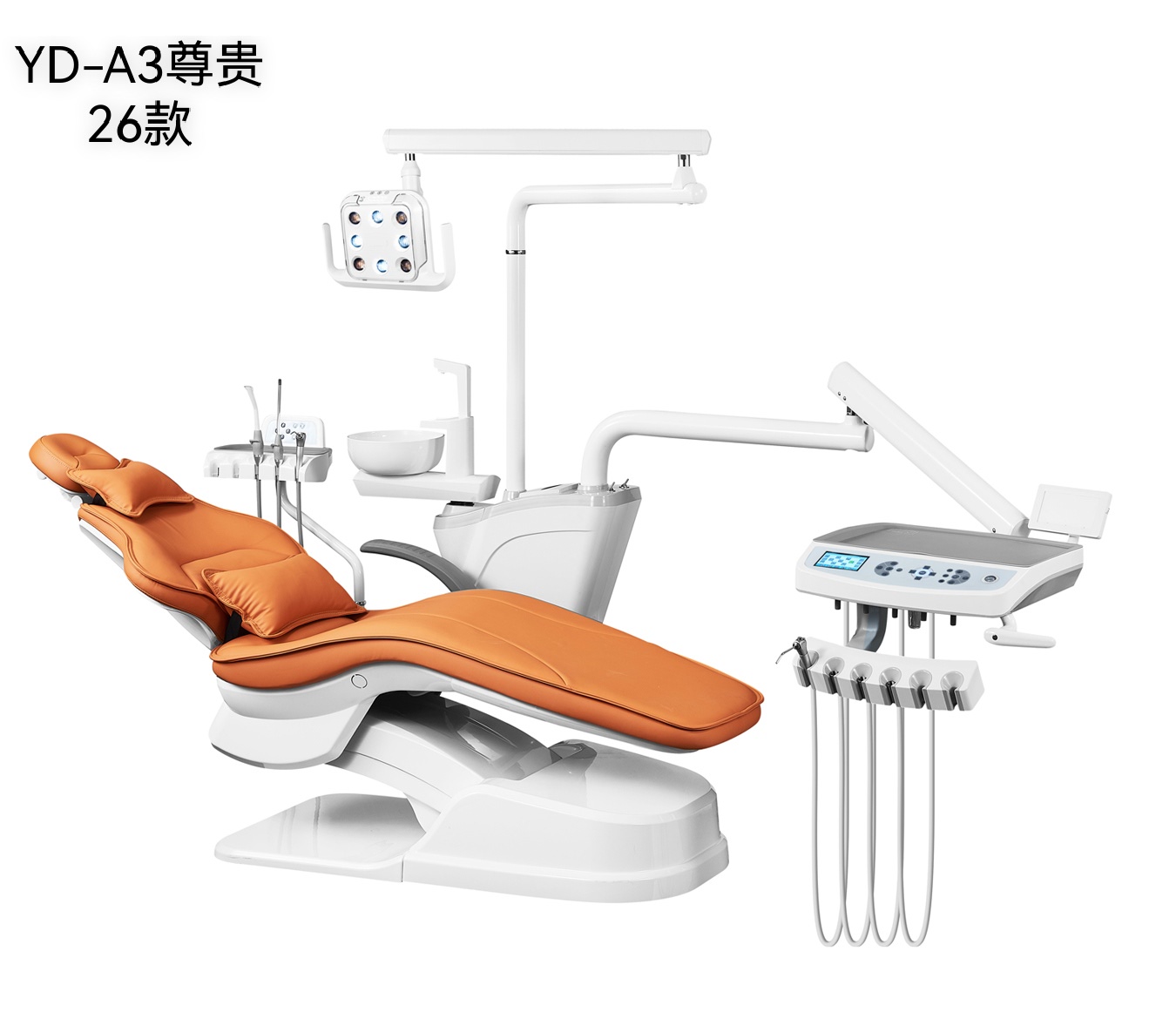
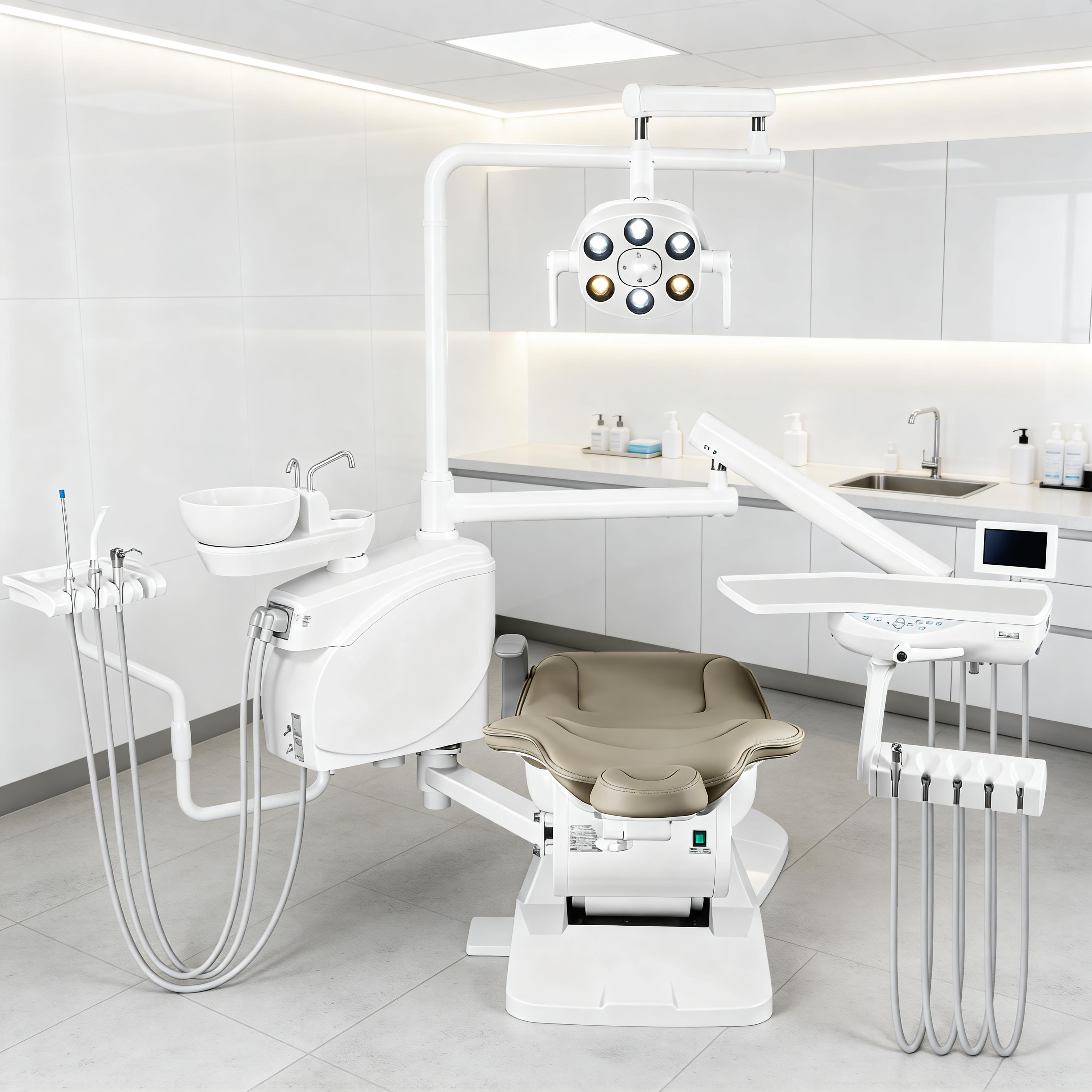
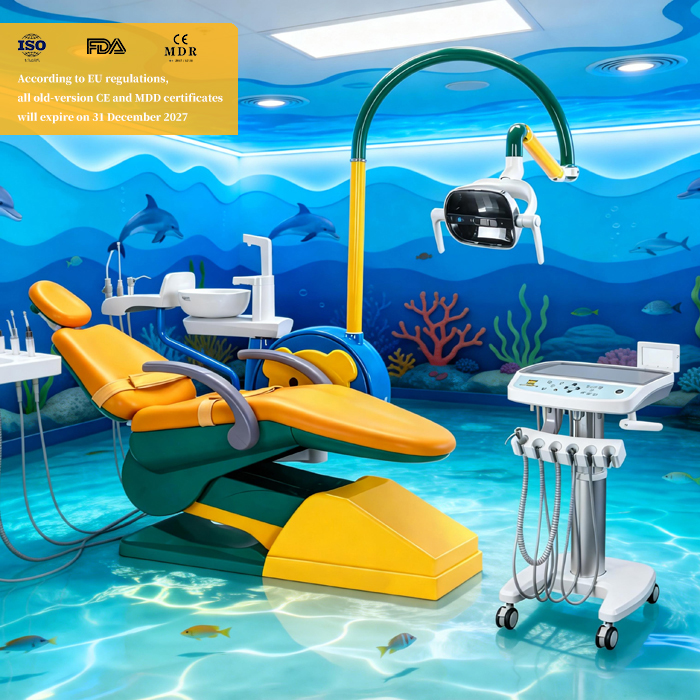
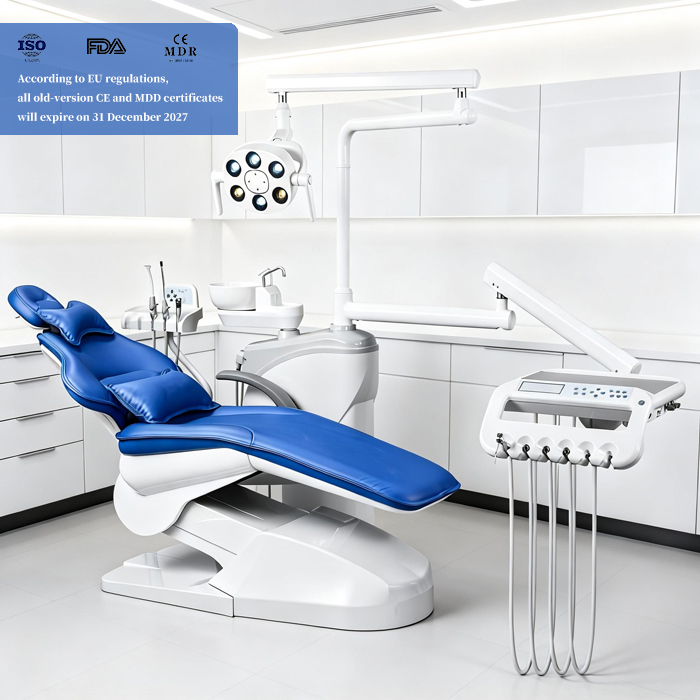
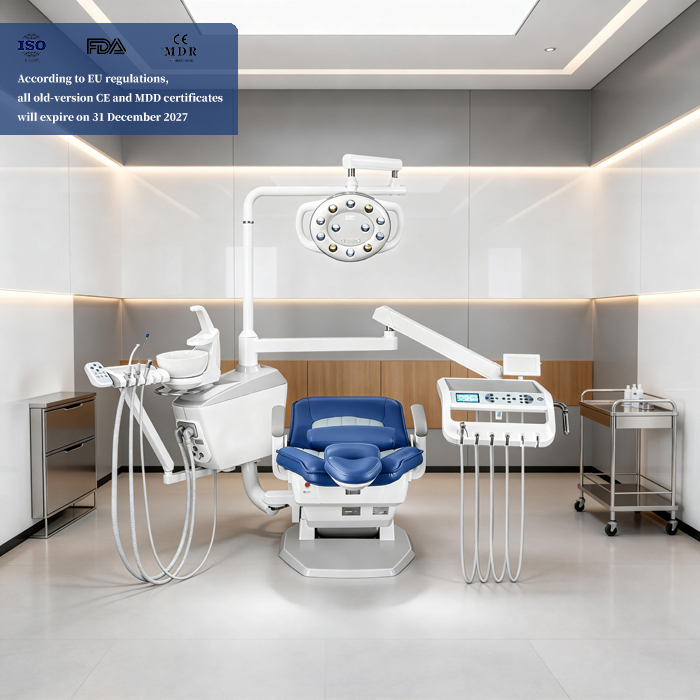
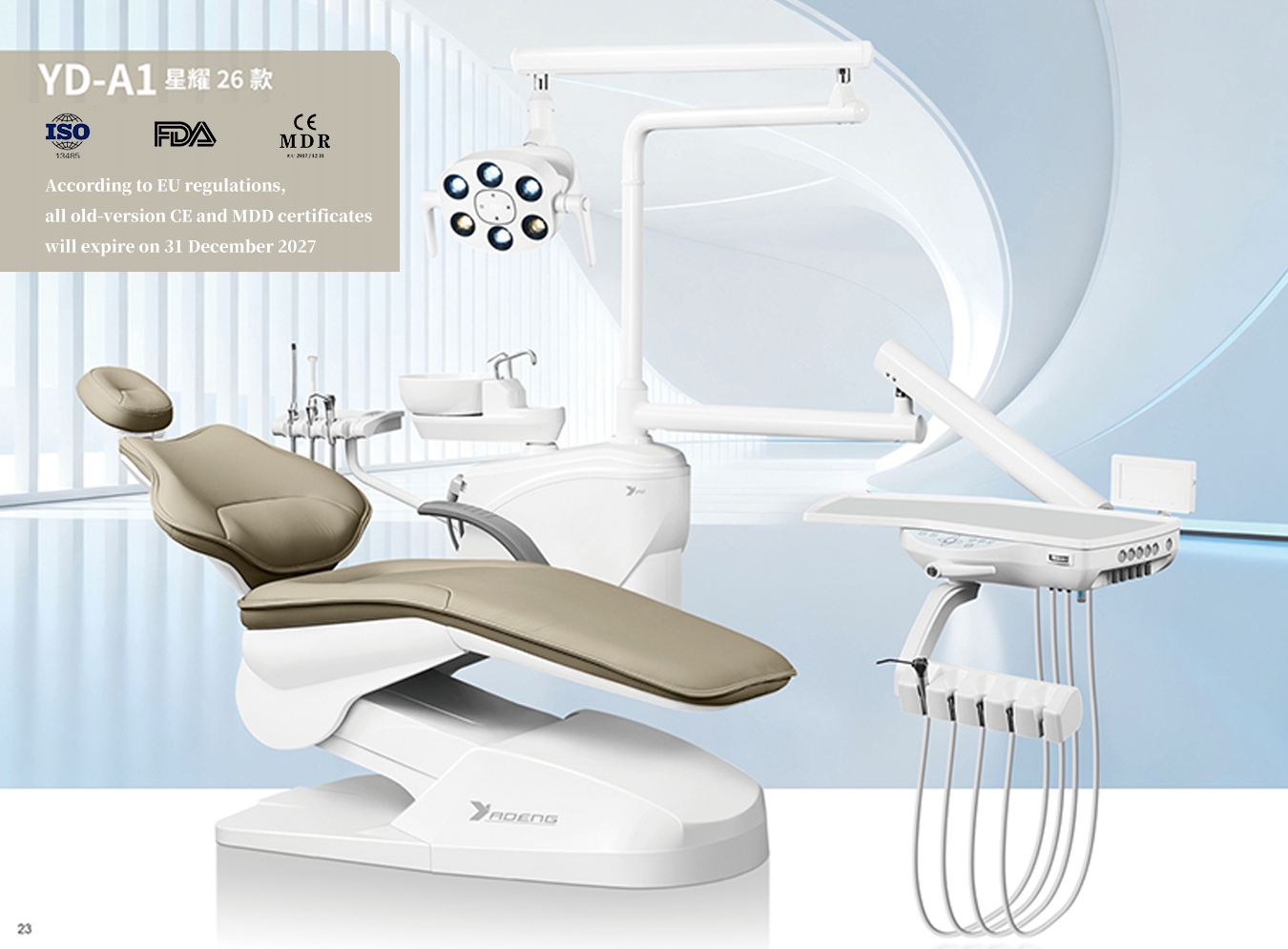
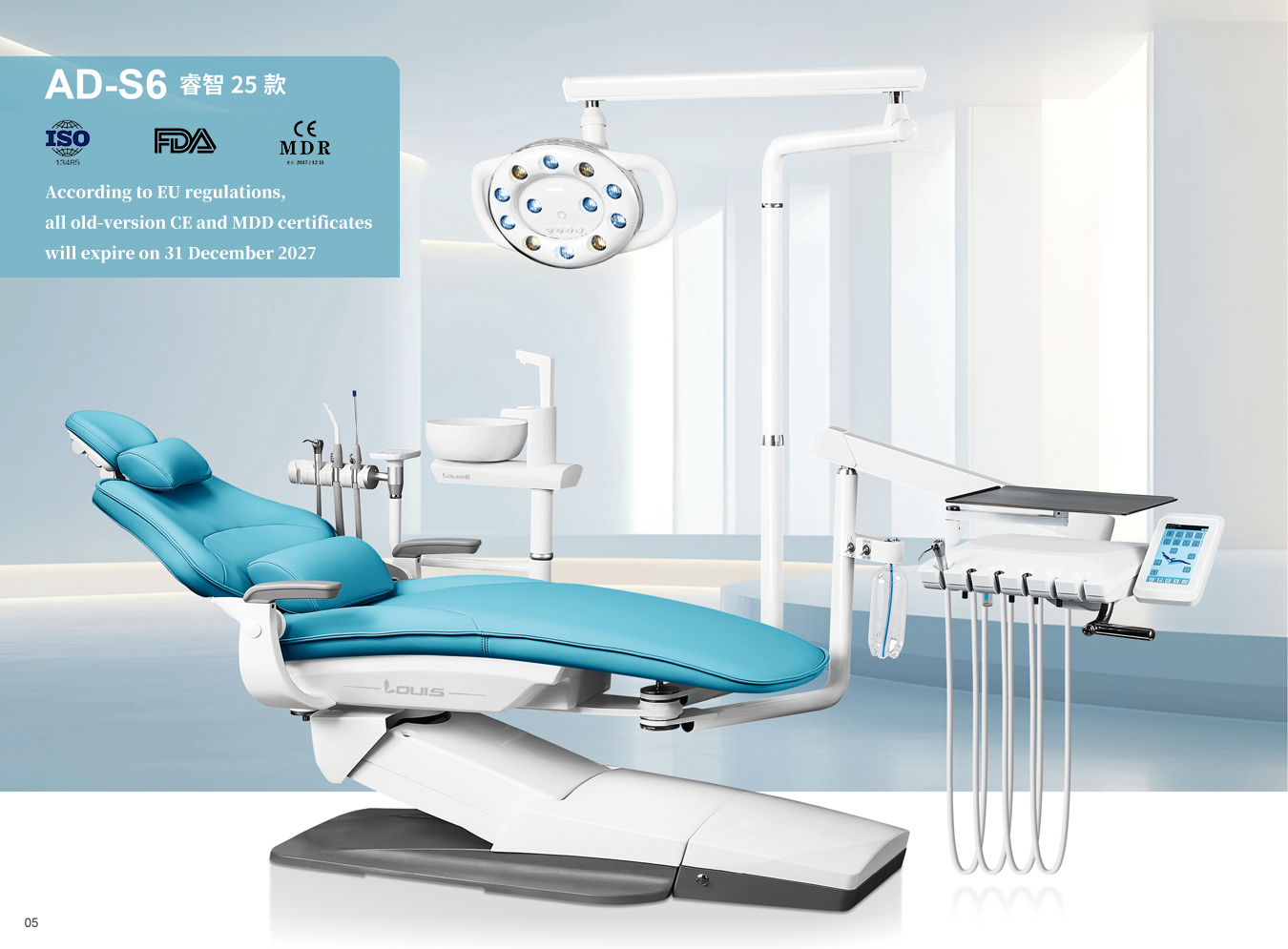
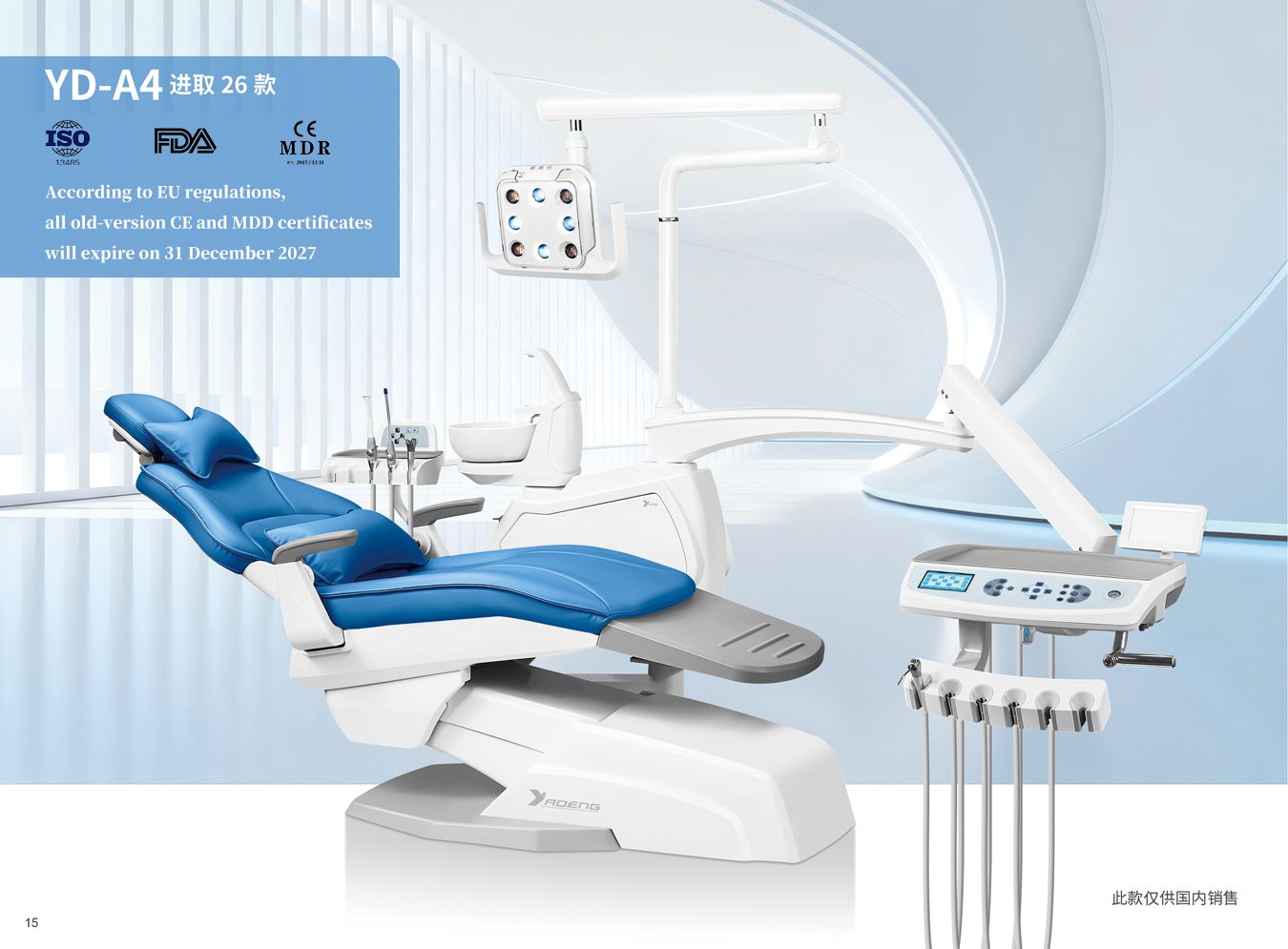
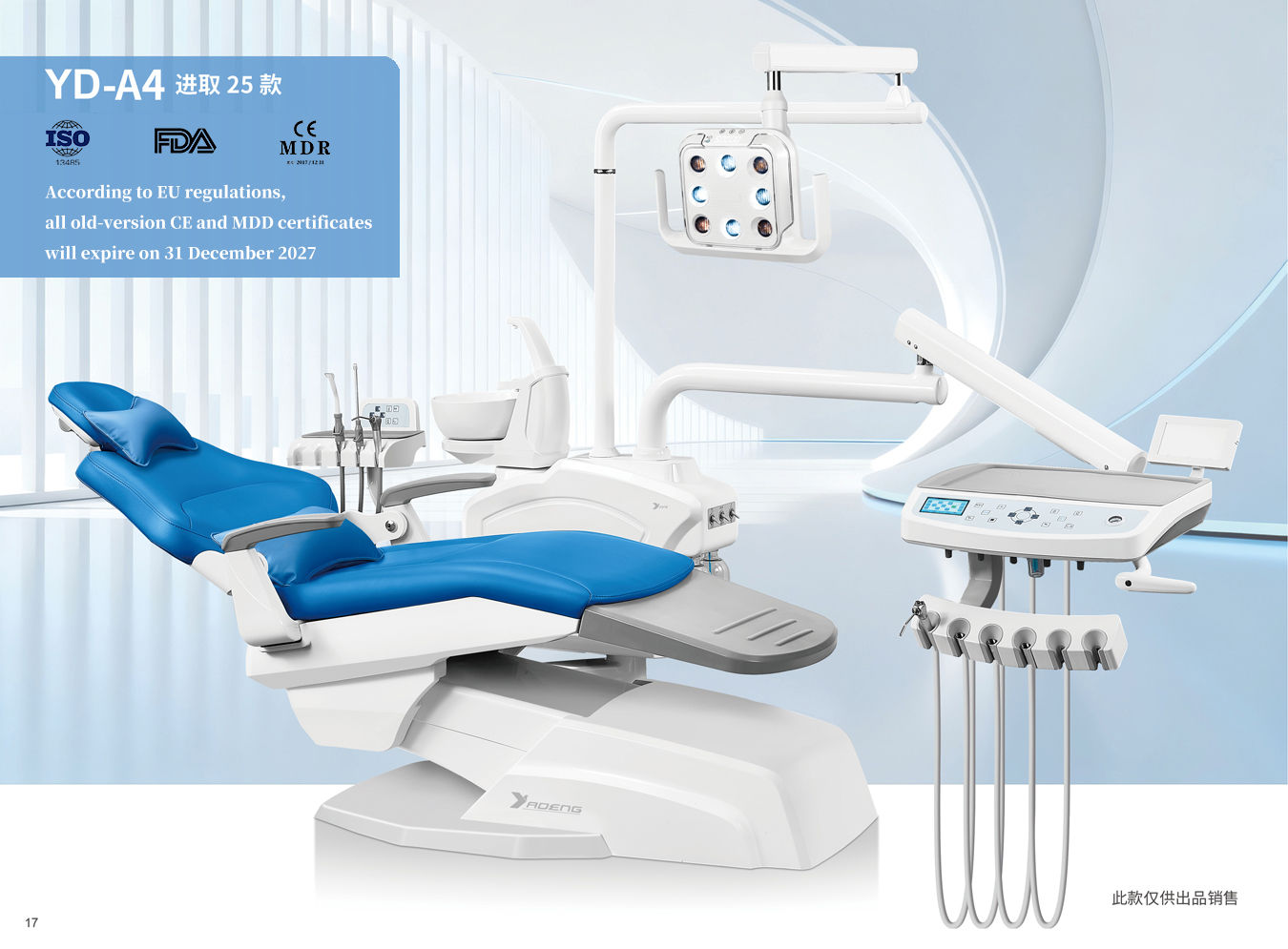
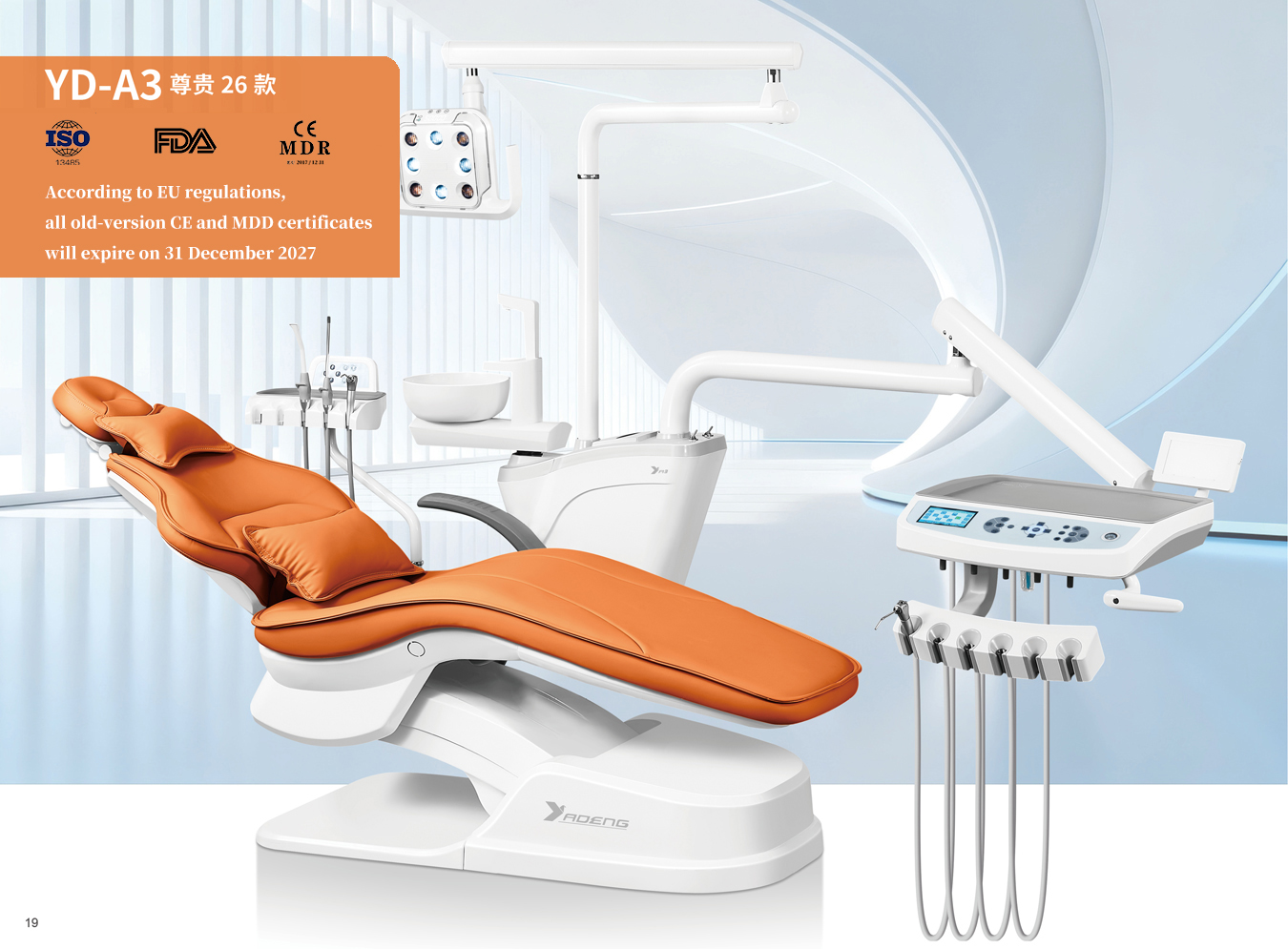
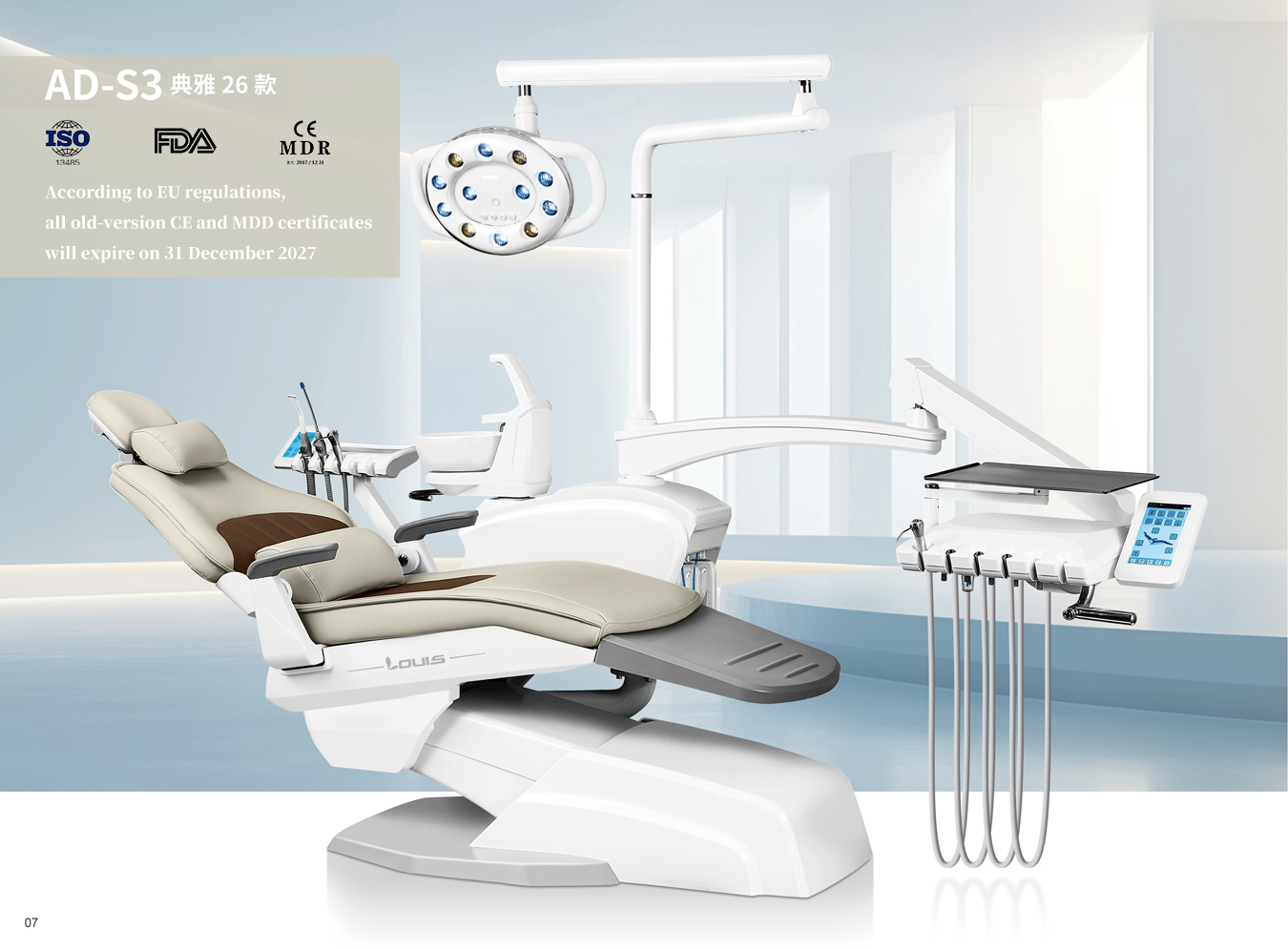
What Is a Dental Chair Unit and How Does It Work?A dental chair unit is an integrated system that combines a chair, delivery system, assistant’s unit, operating light, instrument tray, and floor box. It enables efficient dental procedures by connecting water, air, suction, and electrical systems into one coordinated workstation. The assistant’s unit provides rinsing, suction, and control functions, while the operating light ensures adjustable illumination for treatment. The instrument tray supports handpieces and dental tools in different configurations. The floor box connects utilities to the chair system. With proper maintenance and stable pressure conditions, the dental chair unit improves clinical efficiency, patient comfort, and overall treatment safety in modern dentistry.