

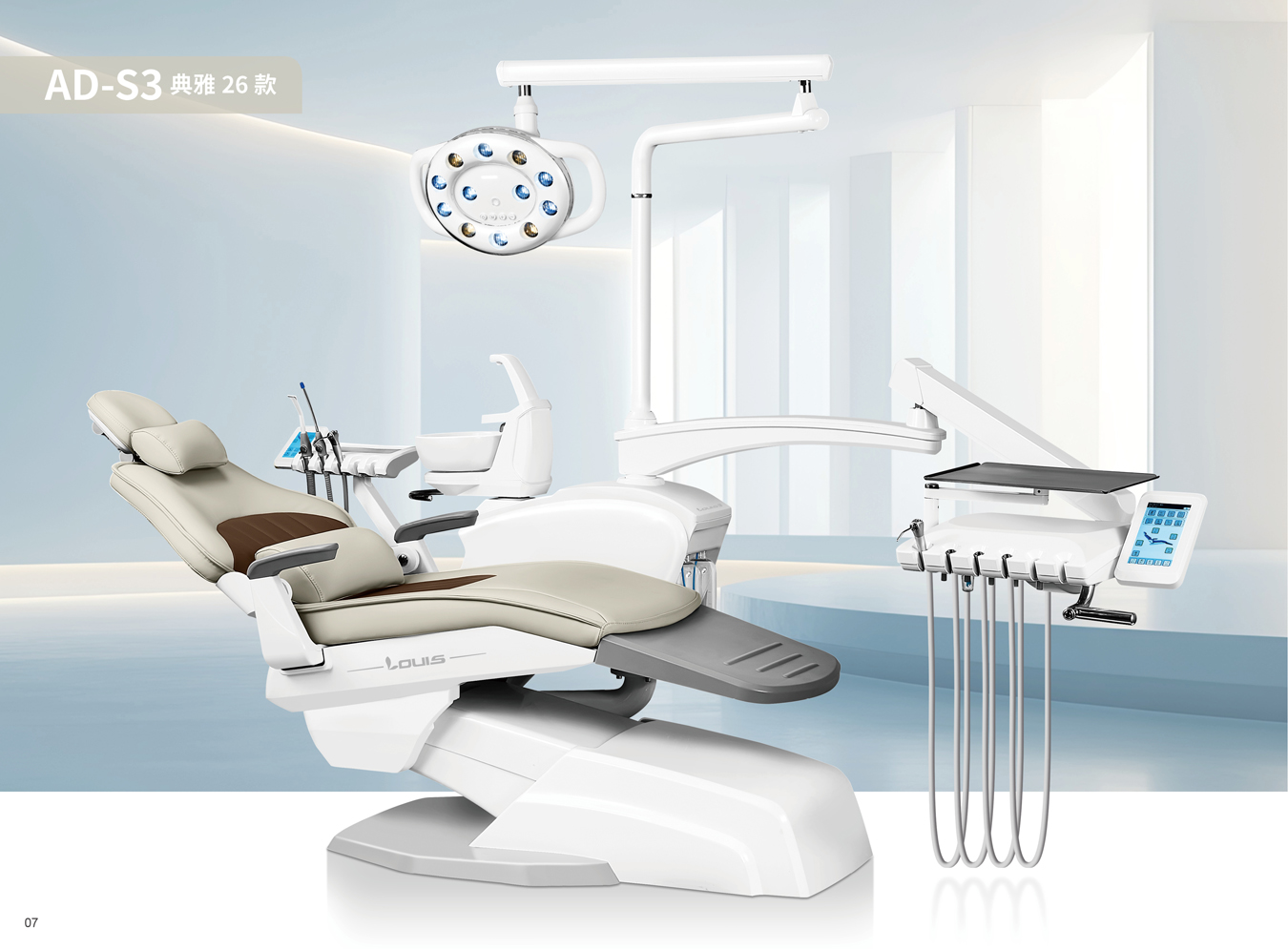
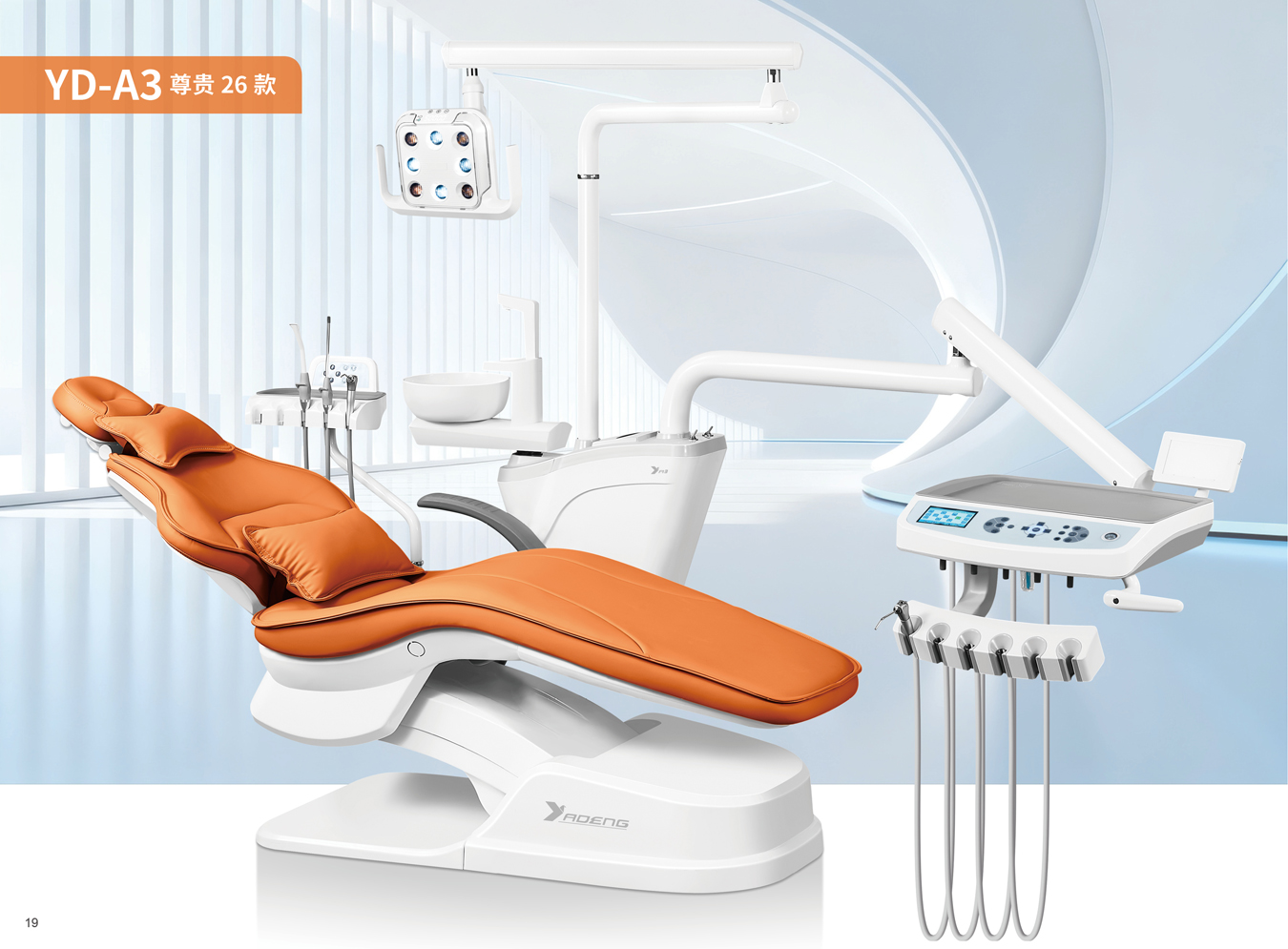
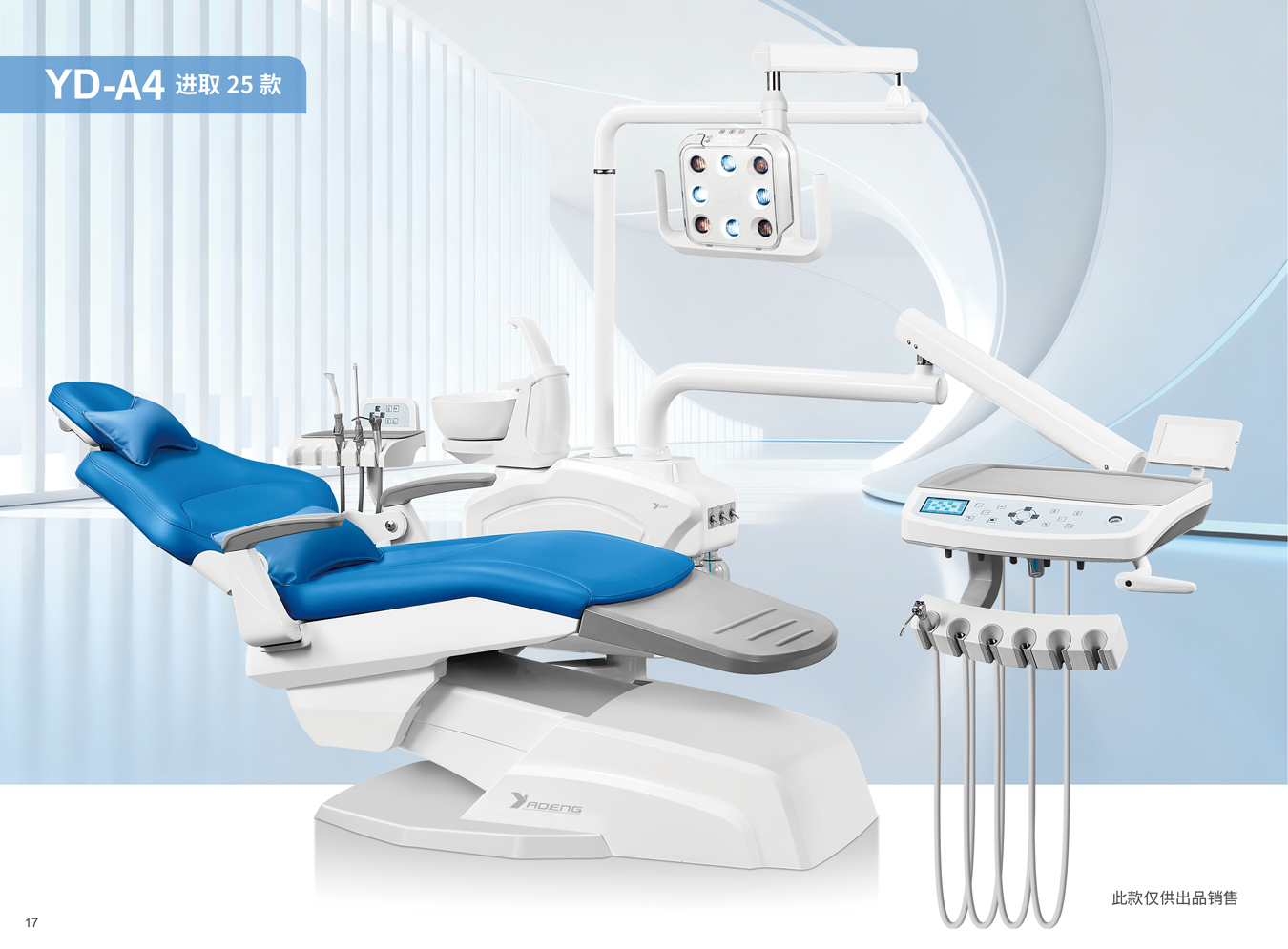
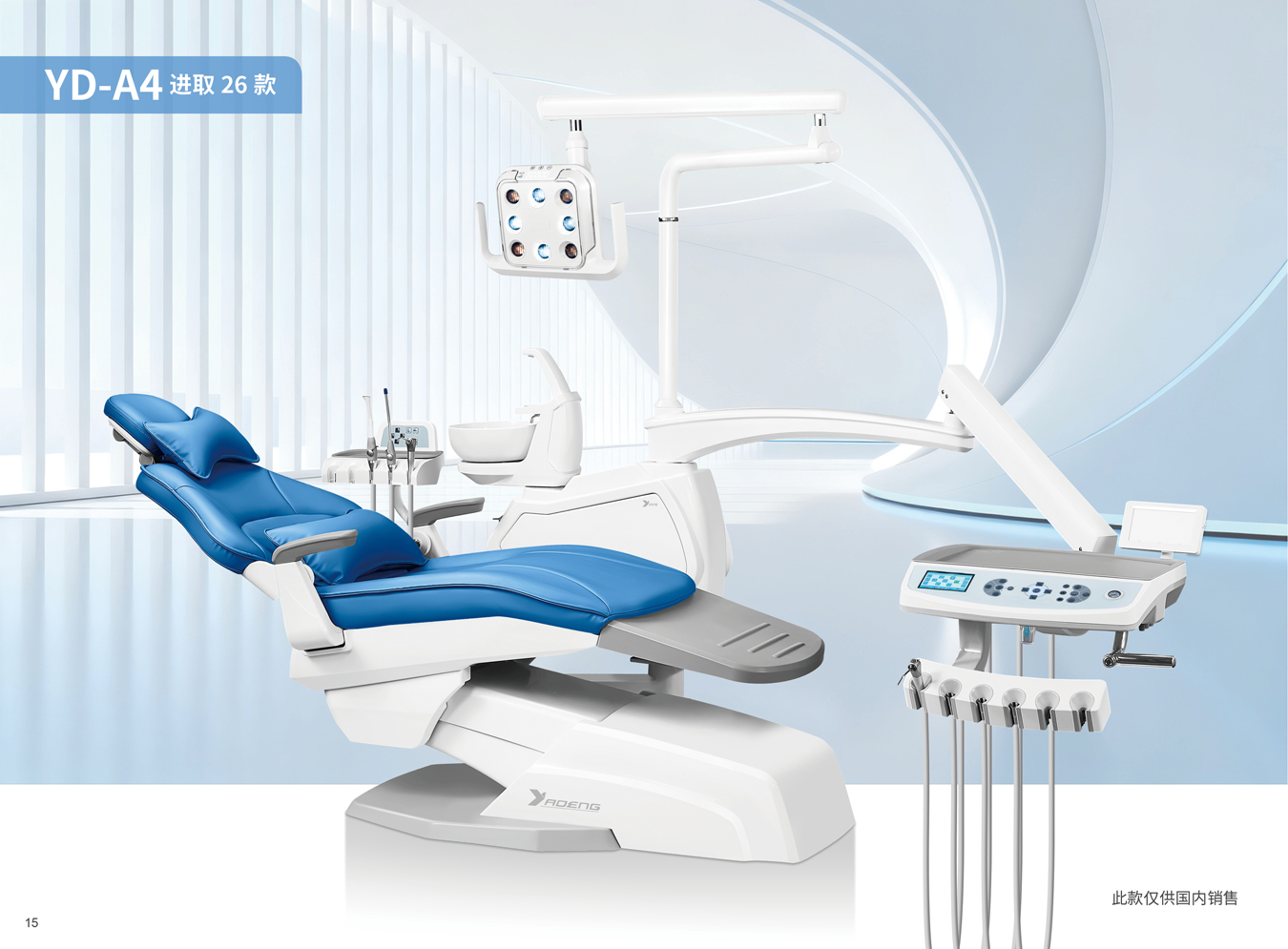
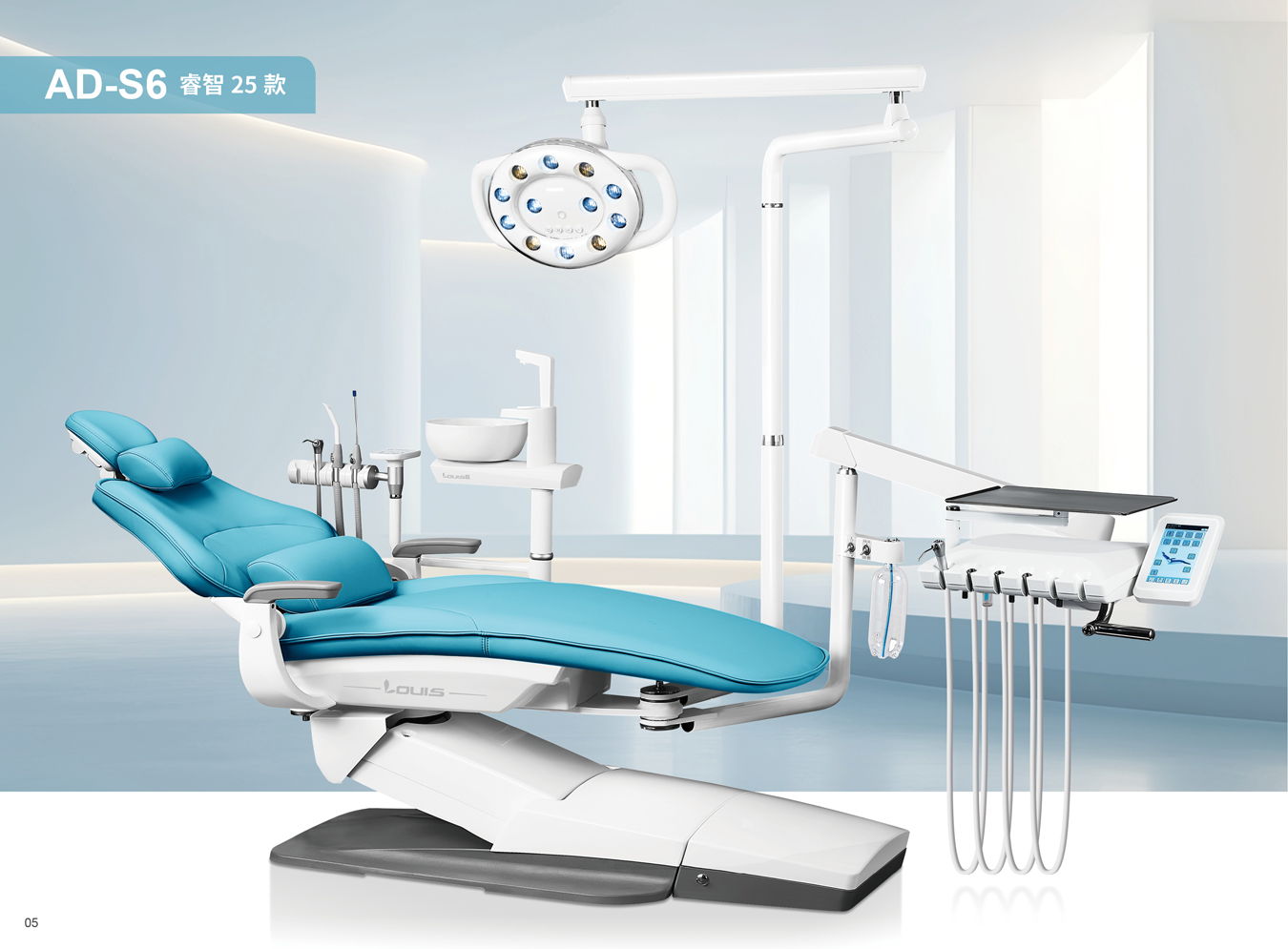
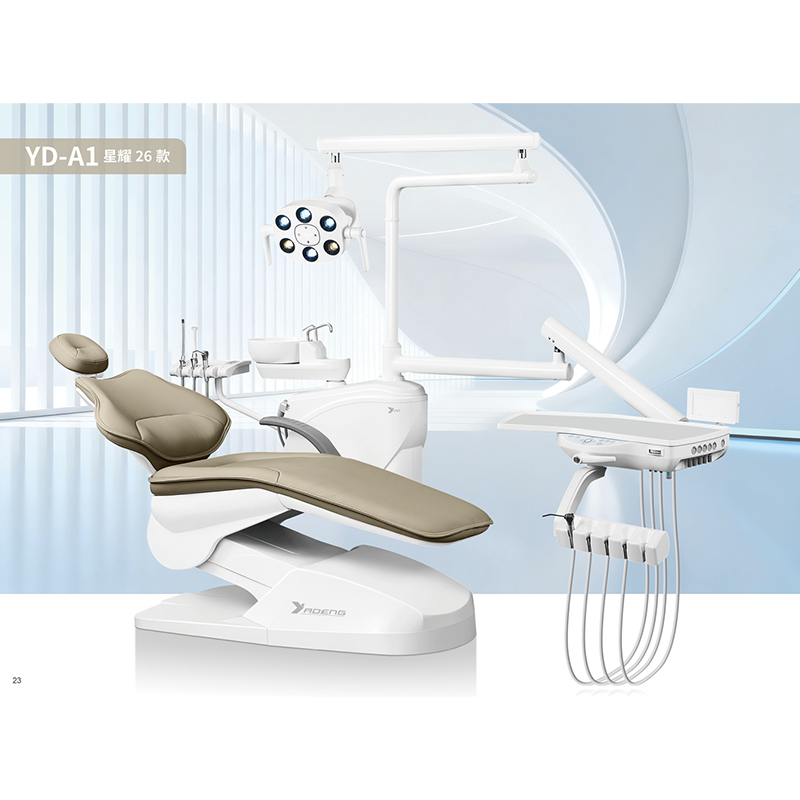
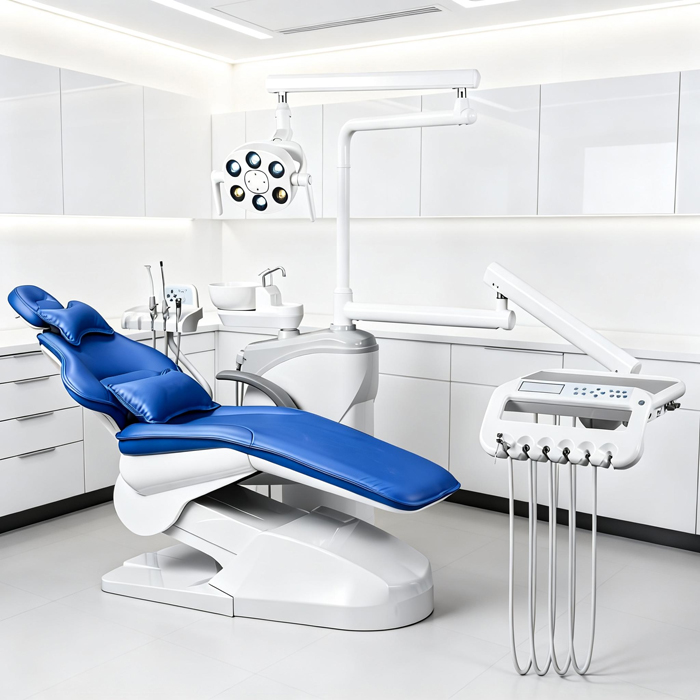
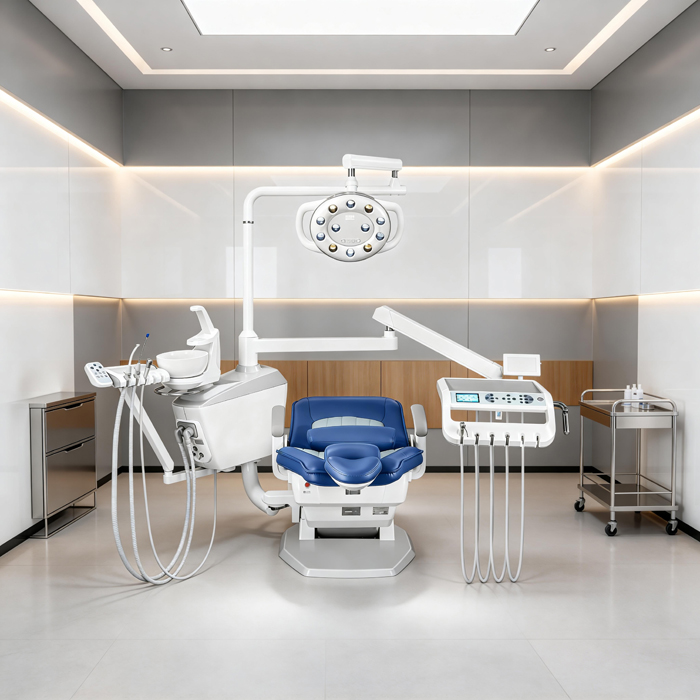
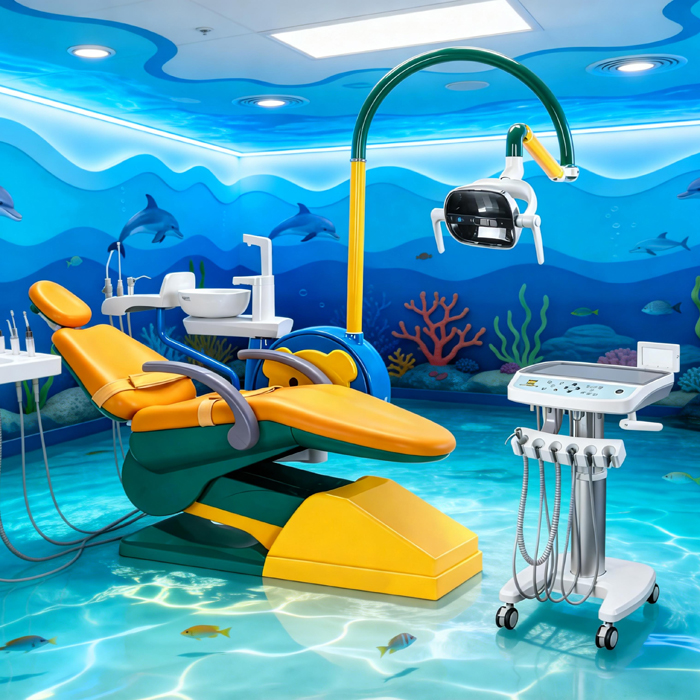
In today’s evolving dental landscape, patient expectations are no longer limited to effective treatment alone. Comfort, reassurance, and an elevated clinical experience have become equally important. This shift is driving the development of modern dental chairs, which now incorporate advanced features such as massage and heating. These enhancements turn traditional equipment into patient-oriented solutions that help ease muscle tension, reduce stress, and provide a warm, soothing environment throughout treatment.
For clinics, this transformation represents more than a technological upgrade—it is a strategic advantage. When patients feel comfortable and at ease, they are more cooperative during procedures and more likely to return. As a result, selecting the right dental chair plays a vital role in improving both operational efficiency and long-term patient relationships.
1. Define Your Clinical Requirements
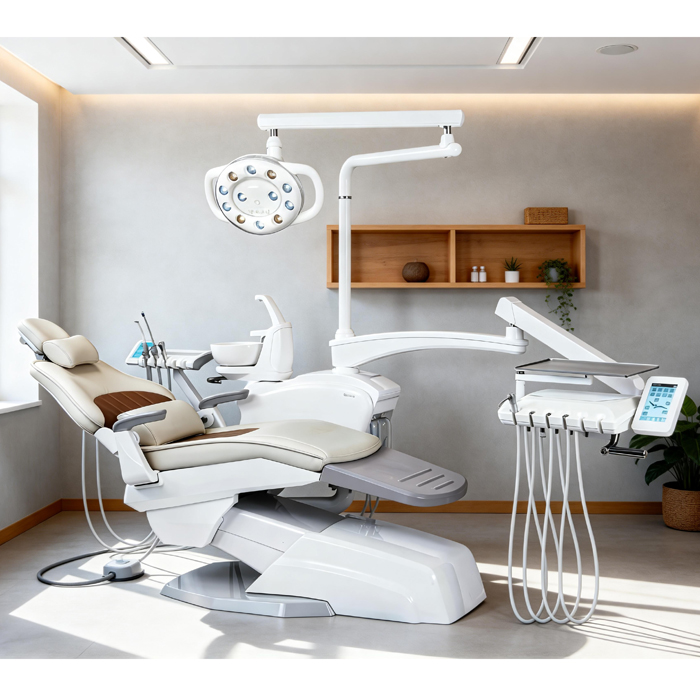
Before choosing a dental chair, it is essential to clearly understand your clinical needs. General dentistry requires flexibility, while specialized treatments often demand greater precision and stability. Evaluating your common procedures, patient flow, and available space will help you make a more practical and cost-effective decision.
2. Ergonomics Is Essential
Ergonomics directly impacts both practitioner performance and patient comfort. A well-designed chair supports natural posture, reducing fatigue and improving efficiency during long procedures.
Look for:
· Smooth height adjustment
· Adjustable backrest and headrest
· Adequate legroom
· Body-contouring cushioning
An ergonomic design ensures better workflow while keeping patients relaxed and stable.
3. Upgrade Patient Experience with Massage and Heating
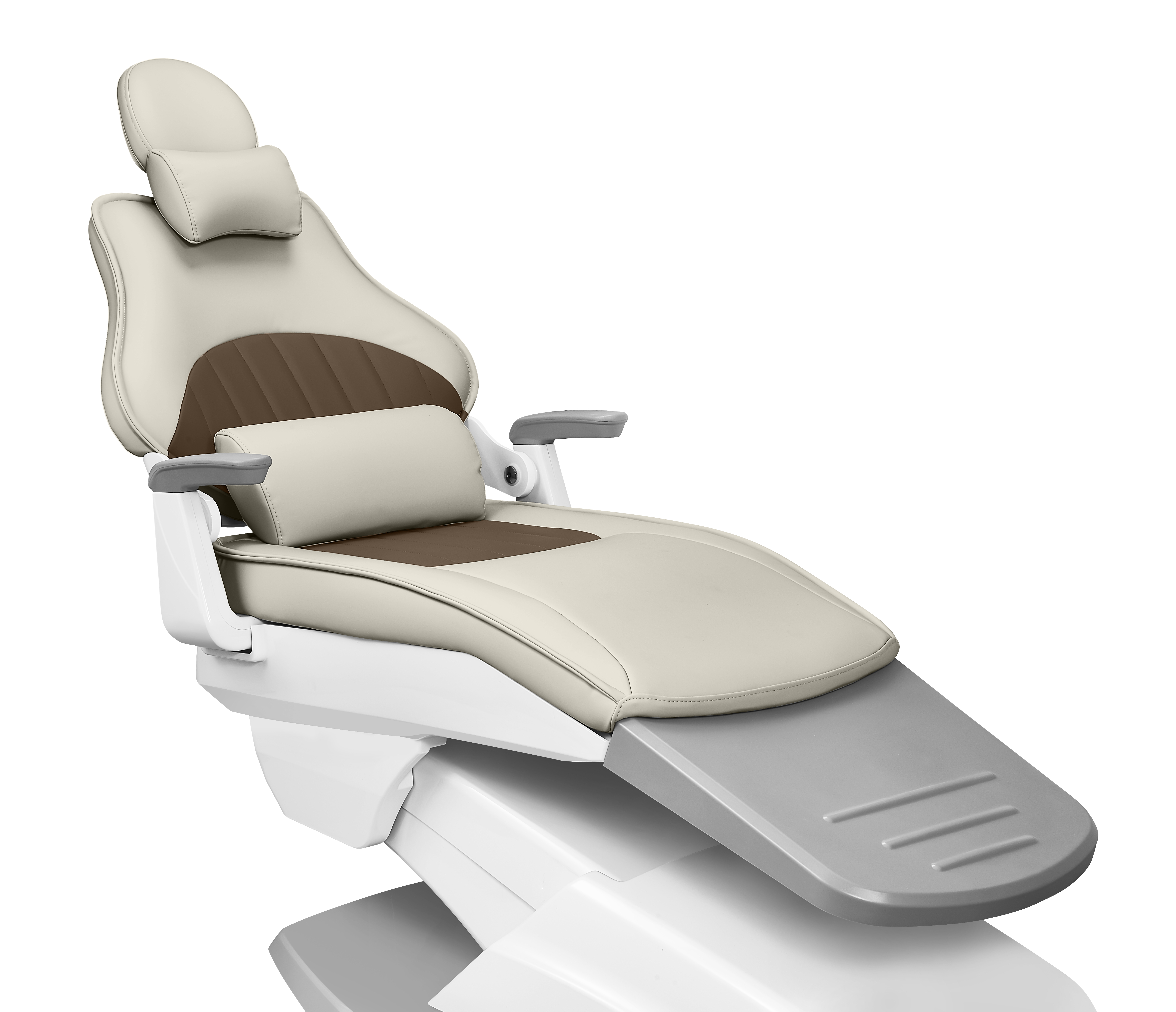
Massage and heating features are no longer luxuries—they are valuable tools for improving patient experience.
Massage functions help reduce muscle tension and anxiety, especially during long procedures. Heating systems provide gentle warmth, eliminating discomfort caused by cold surfaces.
These features are particularly beneficial for:
· Anxious patients
· Long treatments
· High-end clinics
Together, they create a calming, premium environment that enhances satisfaction and trust.
4. Focus on Build Quality
Durability is critical for long-term performance. High-quality dental chairs often use cast aluminum frames, which are lightweight yet strong, corrosion-resistant, and highly stable.
Also consider:
· Robust structural design
· Wear-resistant upholstery
· Quiet and reliable motors
A well-built chair ensures safety, longevity, and consistent operation.
5. Opt for Intelligent Control Systems
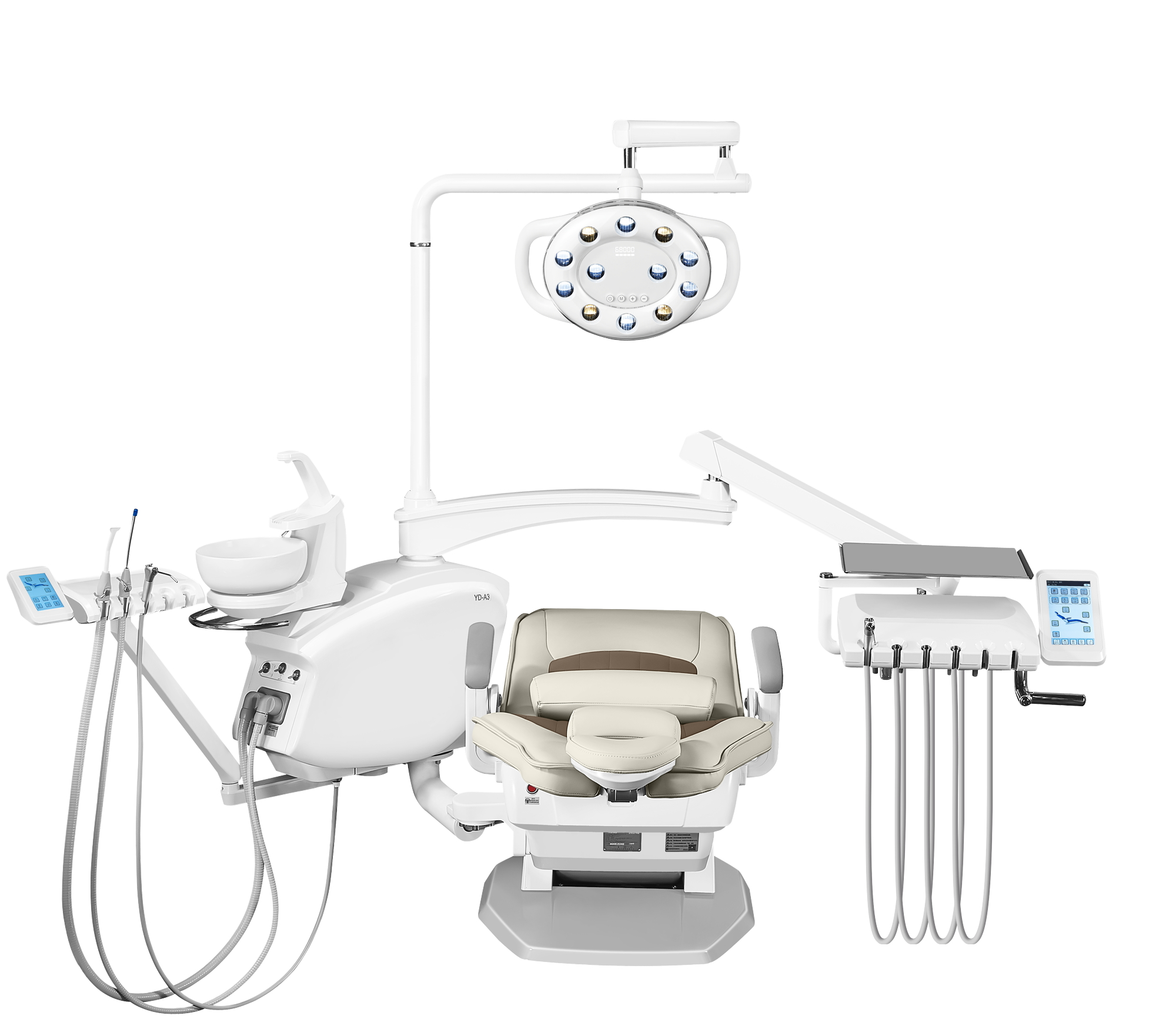
Efficiency in a dental clinic depends heavily on how quickly and smoothly equipment can be operated. A well-designed control system not only saves time but also reduces interruptions during treatment, allowing practitioners to stay focused on patient care.
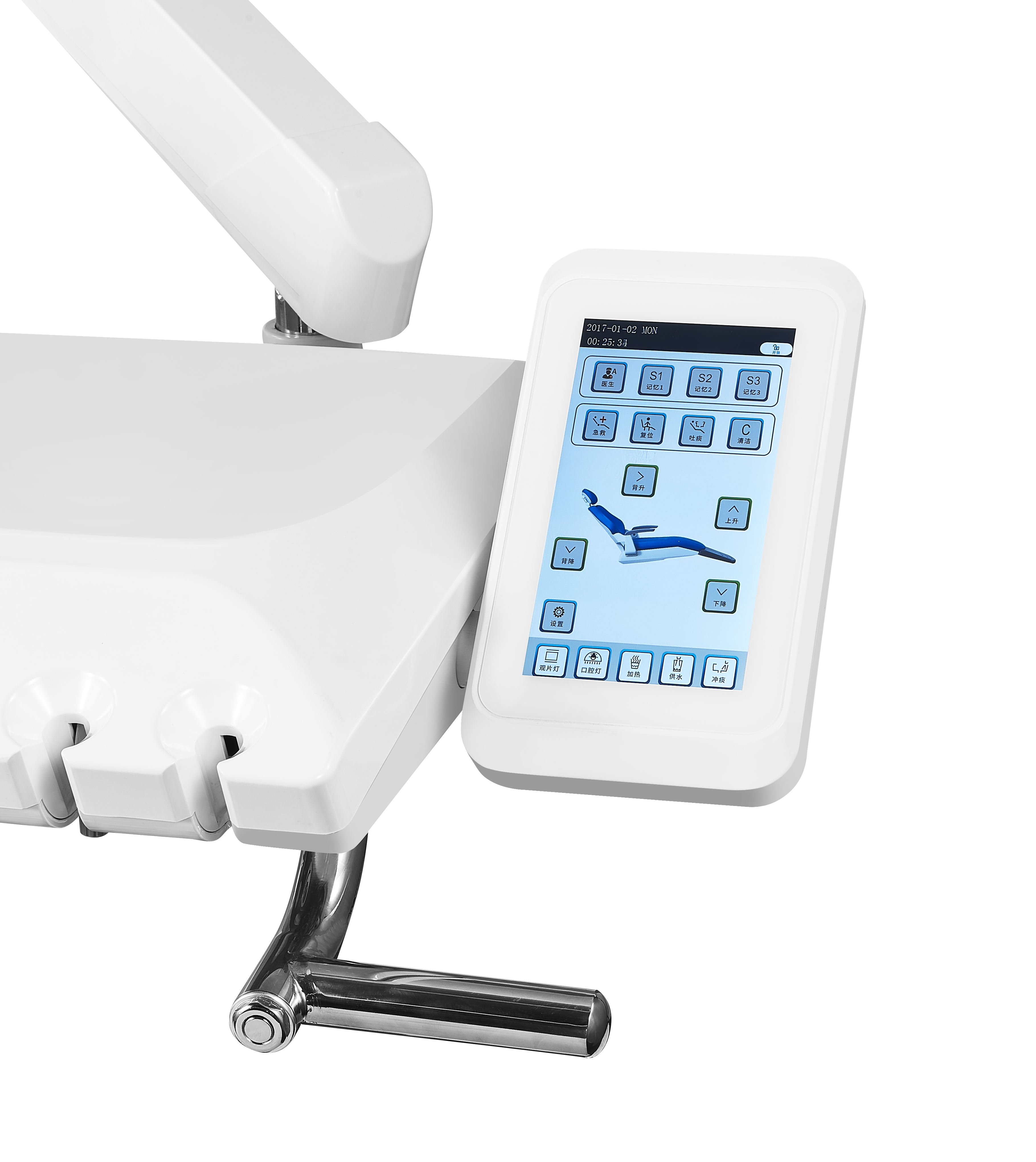
Modern dental chairs are increasingly equipped with advanced control solutions, including LCD control panels and intuitive LCD interfaces. These systems provide clear, real-time visual feedback, making it easier to adjust chair positions, monitor settings, and switch between functions with precision. Compared to traditional buttons, LCD interfaces offer a more user-friendly and modern experience, improving overall workflow efficiency.
Multifunctional foot pedals enable hands-free control, improving convenience and hygiene.
Key features include:
· Preset memory positions
· Intuitive LCD control interface
· Multifunctional foot control system
These technologies help streamline procedures and reduce unnecessary effort.
6. Maintain High Hygiene Standards
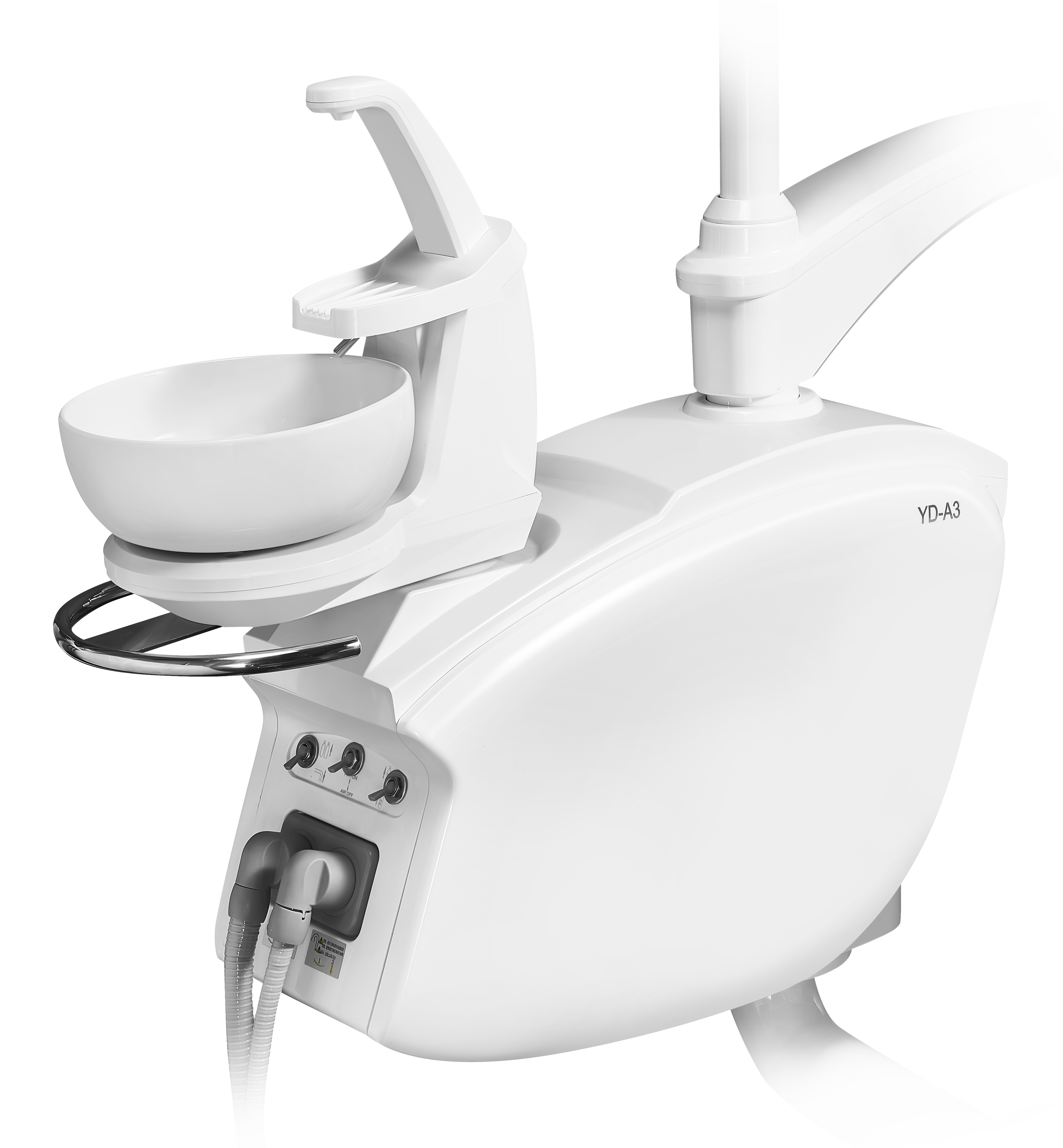
Hygiene is a top priority in dental environments. Chairs manufactured using injection molding technology offer smoother, gap-free surfaces that are easier to clean and less likely to accumulate contaminants.
Premium imported upholstery materials are not only comfortable but also resistant to stains and easy to disinfect, ensuring long-term cleanliness.
Look for:
· Seamless structural design
· Easy-to-clean, durable materials
· Accessible components for maintenance
A hygienic design supports both efficiency and patient safety.
7. Balance Space and Visual Appeal
The dental chair should fit seamlessly into your clinic layout. Compact designs maximize space efficiency, while larger setups allow for additional features and flexibility.
Aesthetic details also play an important role. Features like edge-stitched upholstery enhance durability while giving the chair a more refined and modern appearance. Combined with advanced comfort functions, this creates a professional and inviting clinical environment.
8. Evaluate Long-Term Value
While initial cost is important, long-term value is a more meaningful consideration. A high-quality dental chair reduces maintenance needs, improves workflow, and enhances patient satisfaction.
Features like massage and heating can:
· Encourage patient loyalty
· Improve comfort during procedures
· Strengthen your clinic’s competitive edge
Investing in the right equipment contributes directly to sustainable growth and brand reputation.
Conclusion
Selecting the right dental chair is not just about functionality—it is about creating a more efficient, comfortable, and patient-focused clinical environment. From ergonomic support and durable construction to advanced features like massage and heating, every element contributes to better care.
A carefully chosen dental chair enhances daily operations, improves patient experience, and supports the long-term development of your clinic.
