
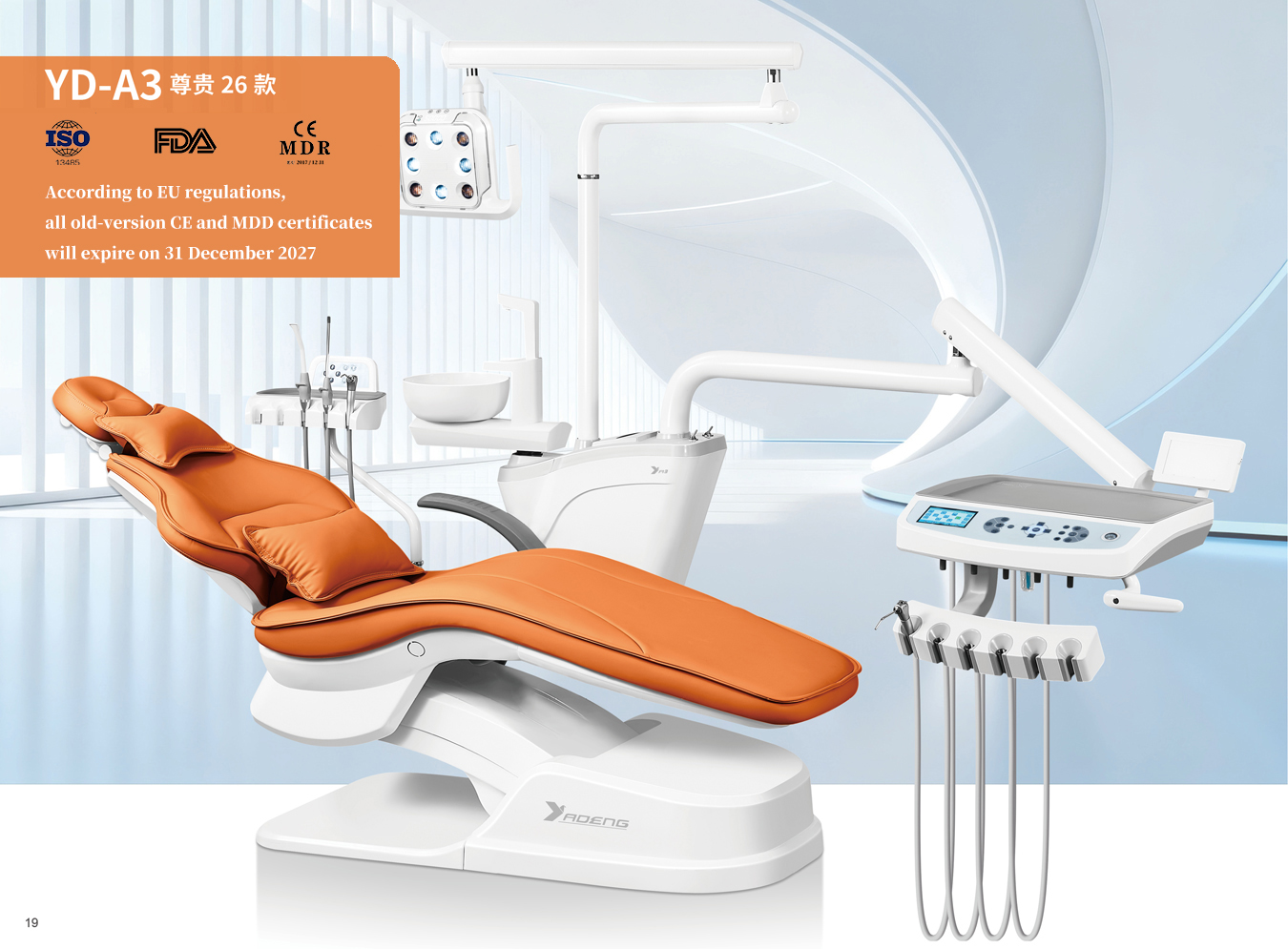
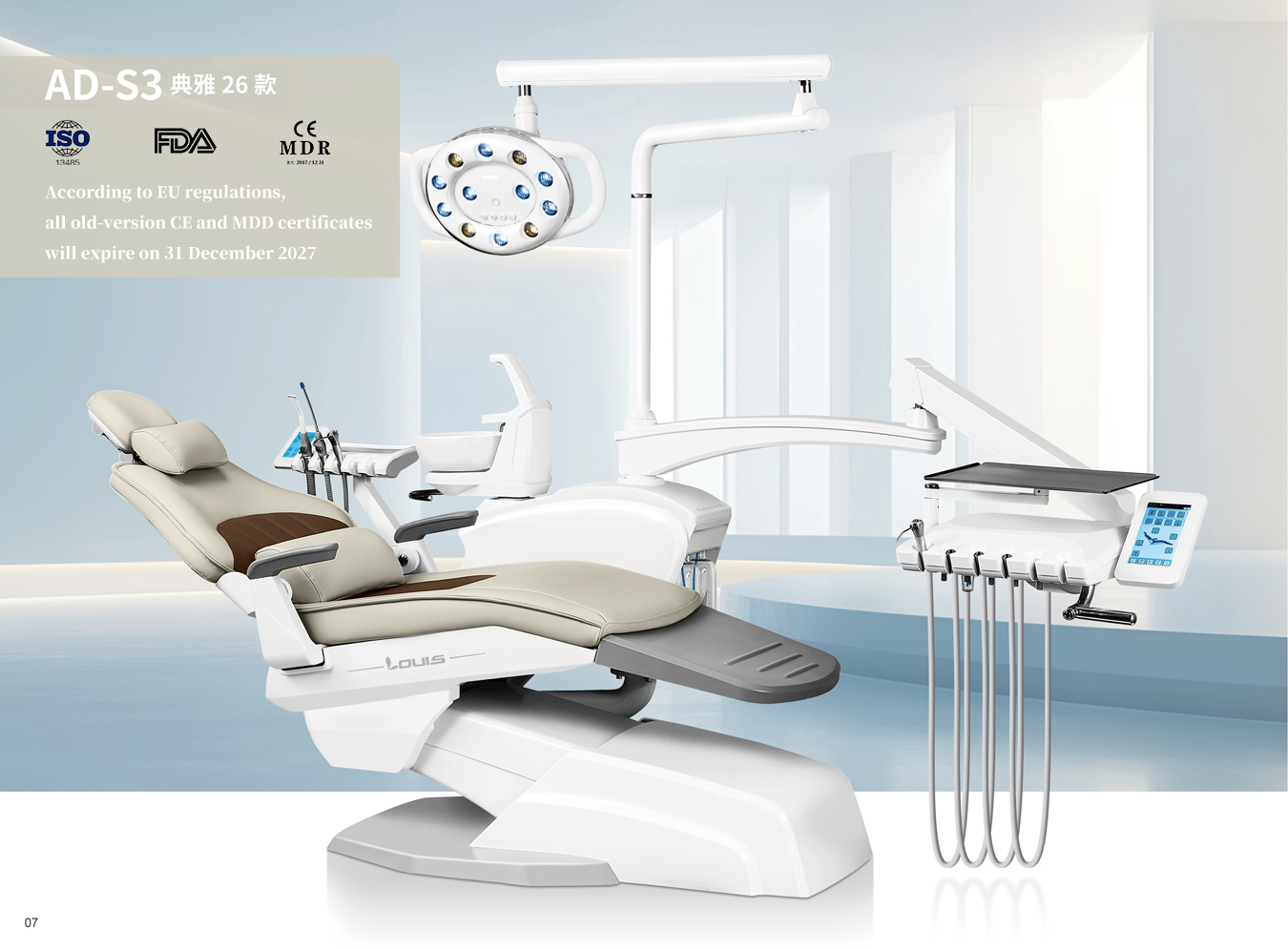
Over the next 5-10 years, the core trends in the overseas dental industry (primarily in Europe and America) are: widespread digitalization, prevention and minimally invasive procedures, chain integration, diversified payment methods, breakthroughs in materials and regeneration, and highly personalized services, shifting the overall focus from "treatment" to full-lifecycle health management.
I. Digitalization and AI: Intelligent and Automated Processes
- Intraoral Scanning + CAD/CAM + 3D Printing Become Standard:
- Over 57% of clinics in Europe and America use intraoral scanners; 3D printing is widespread, and same-day restorations (within 90 minutes) are commonplace.
- Laboratory turnaround time -45%, error rate -25%.
- Deep AI Penetration:
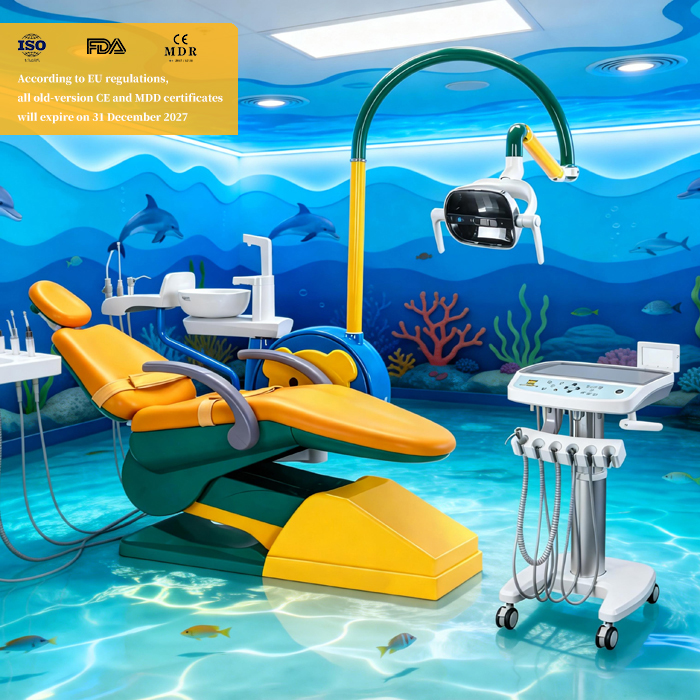
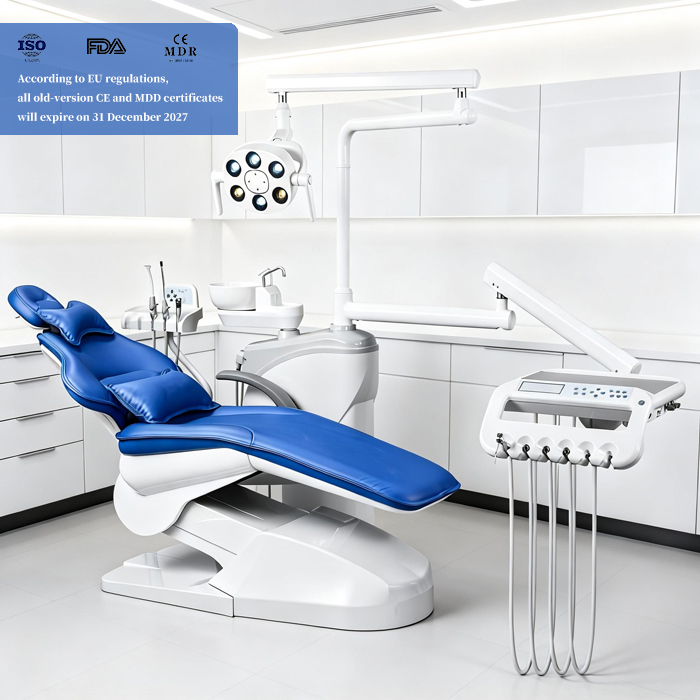
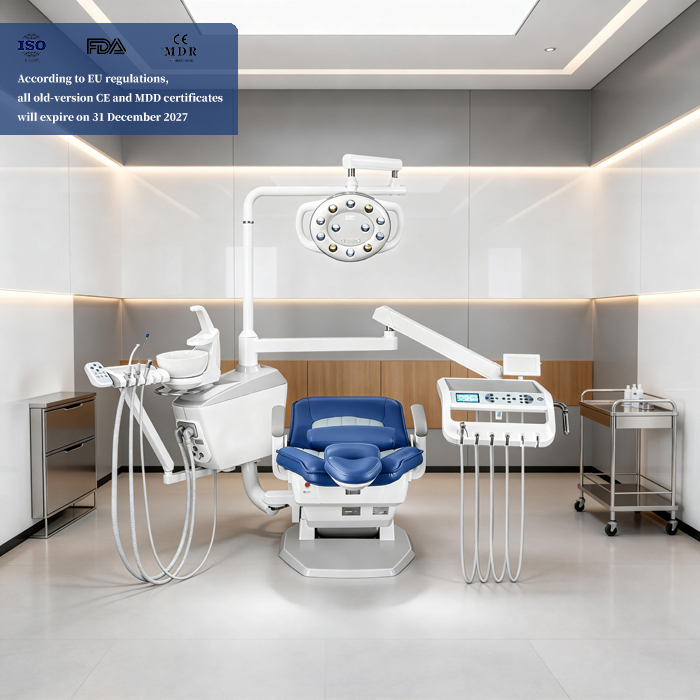
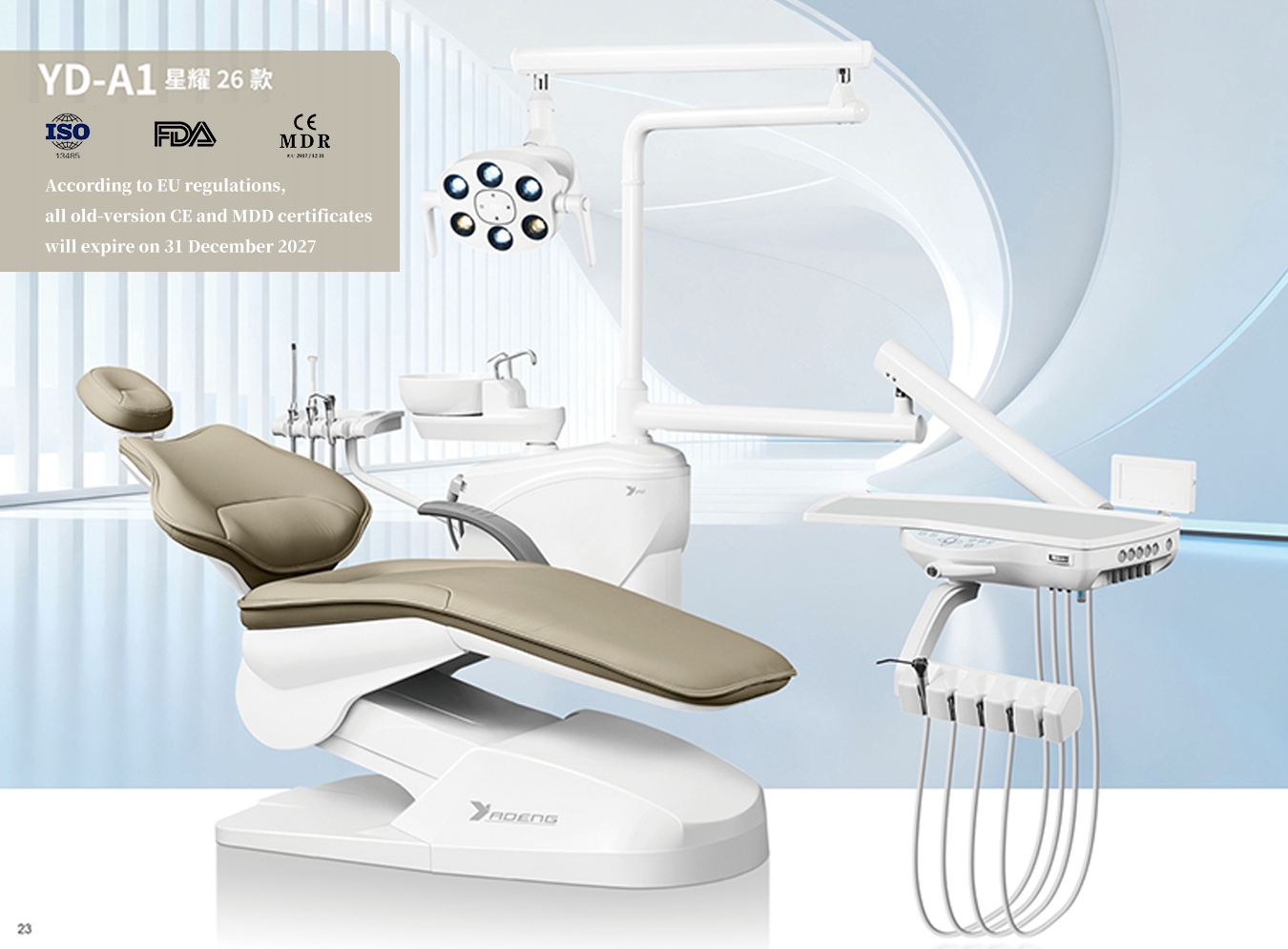
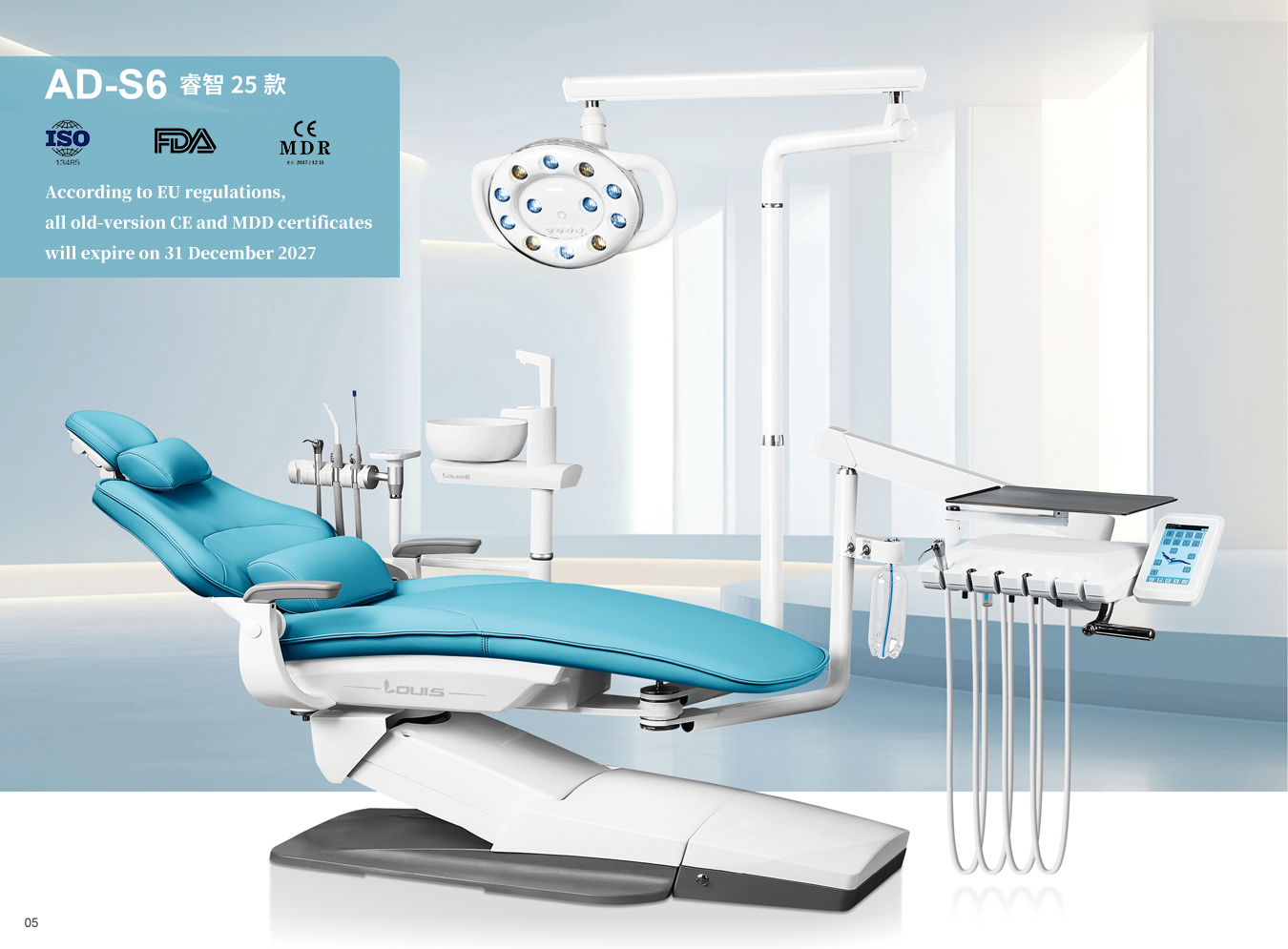
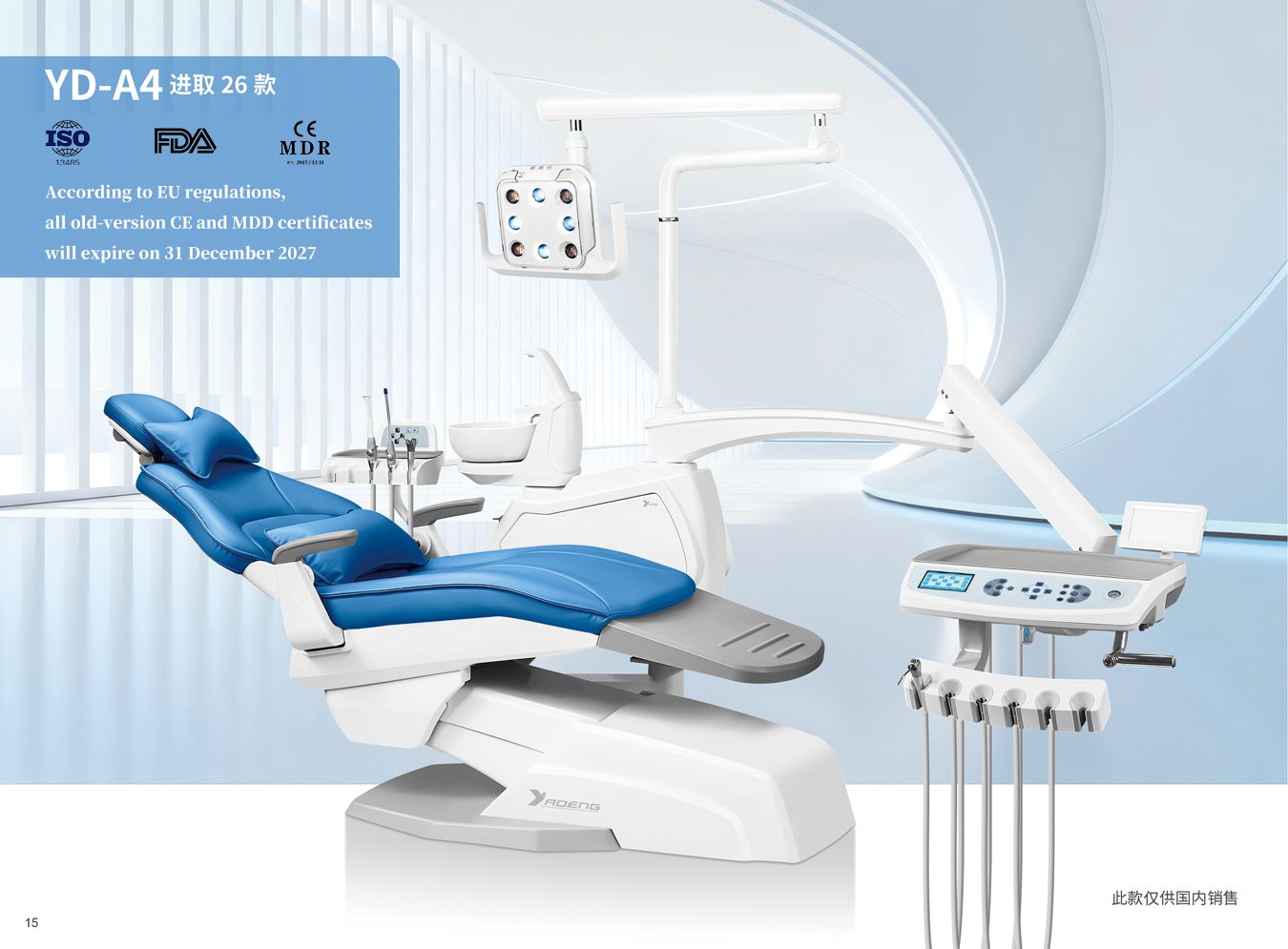
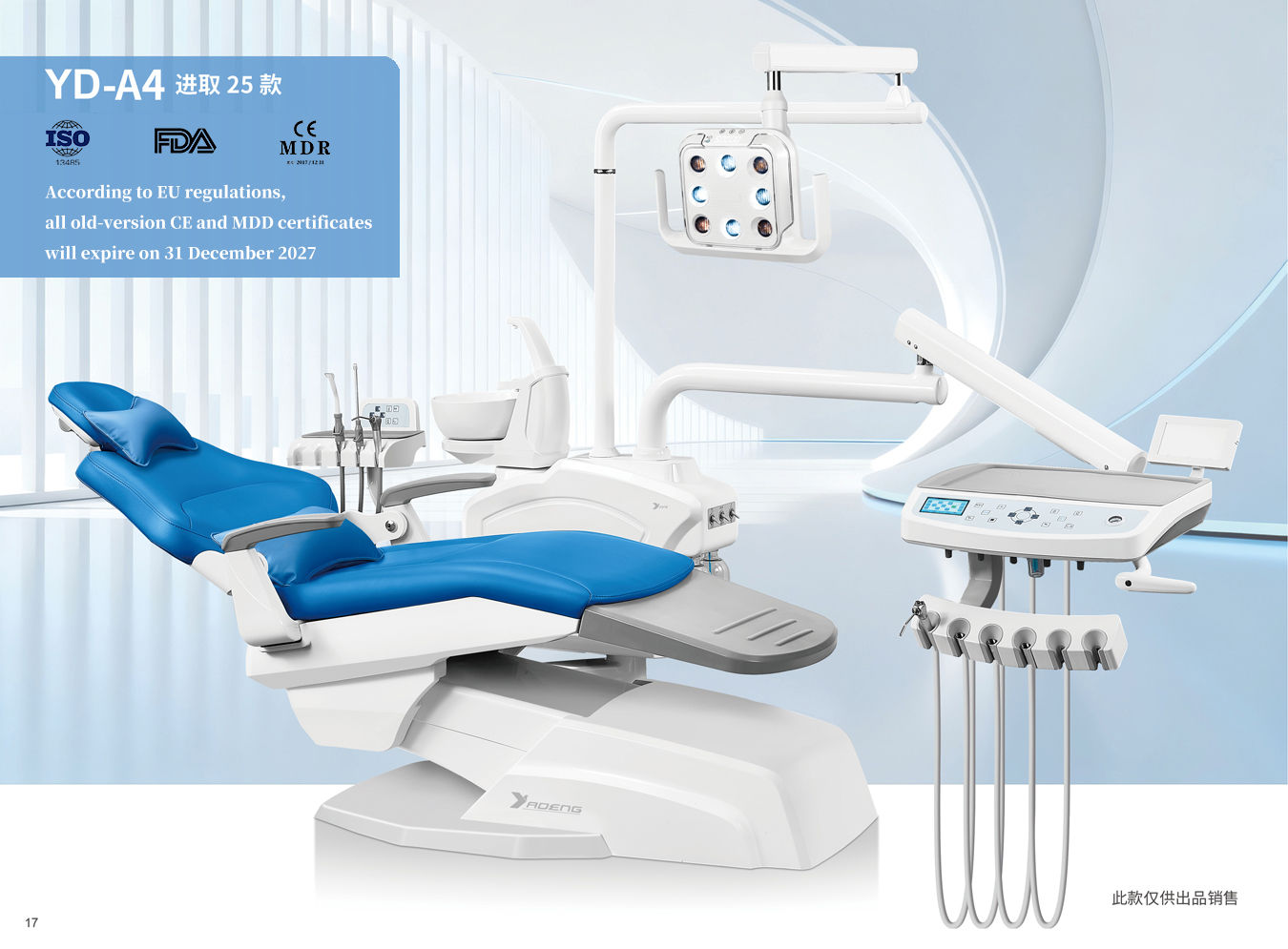
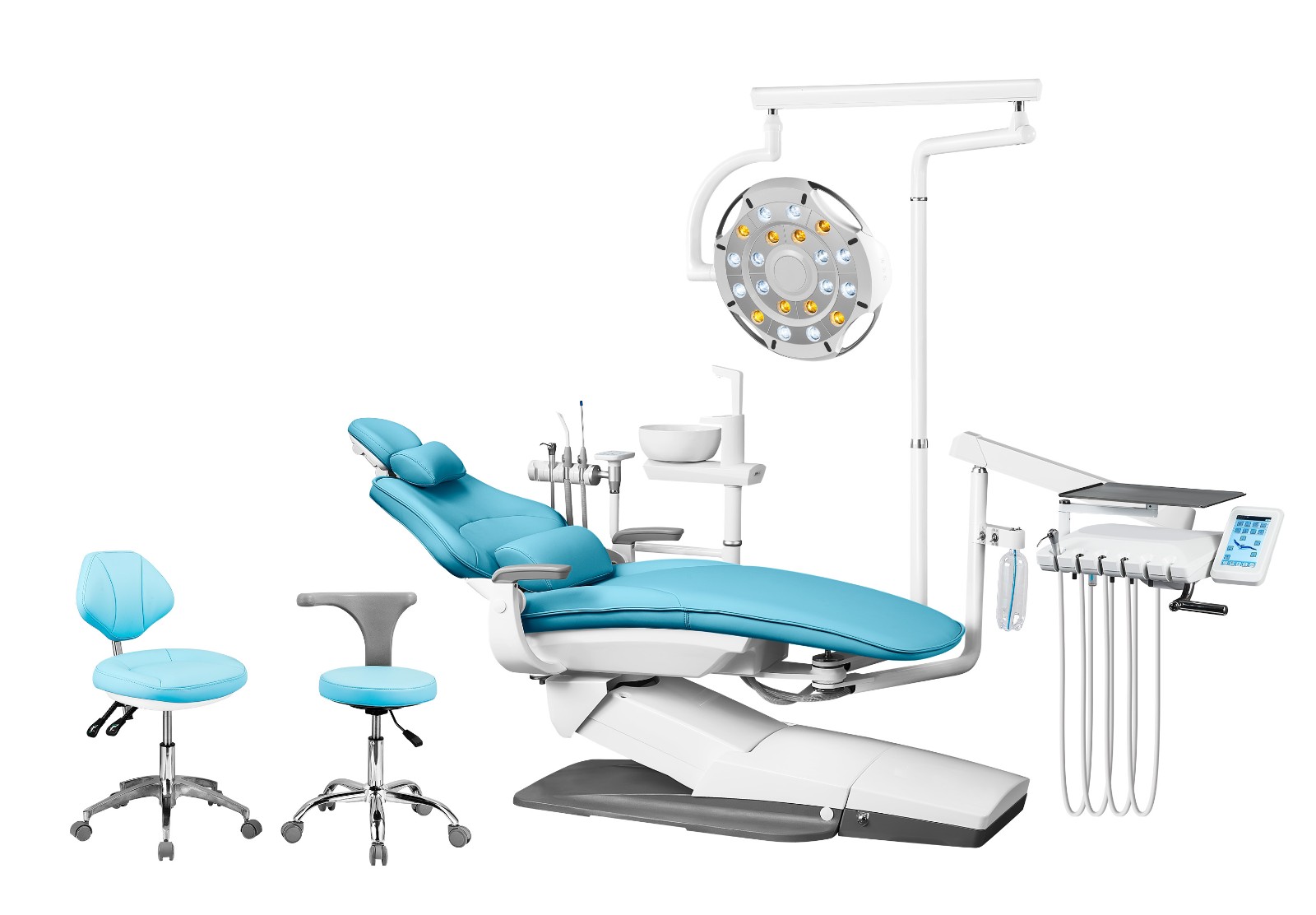
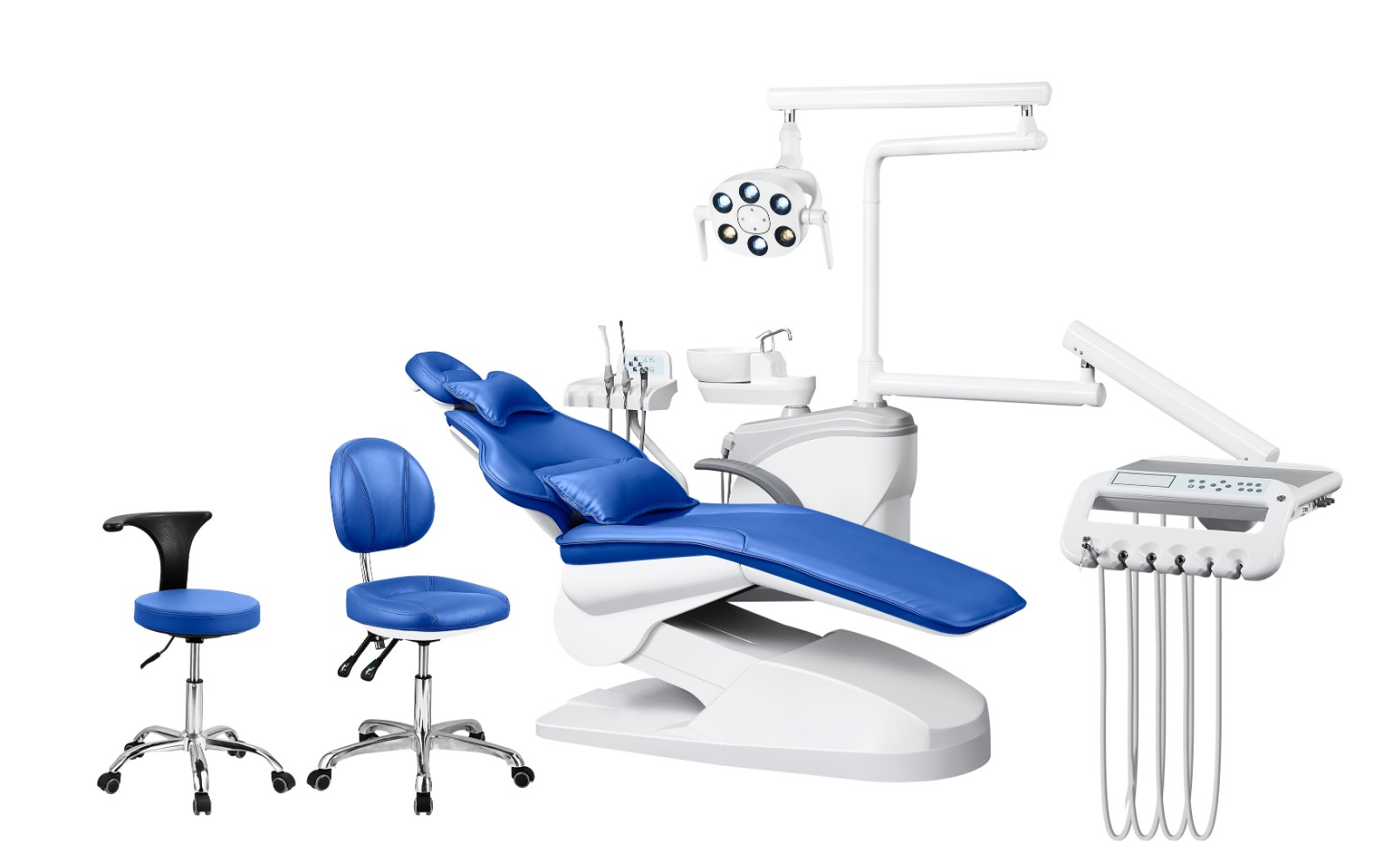
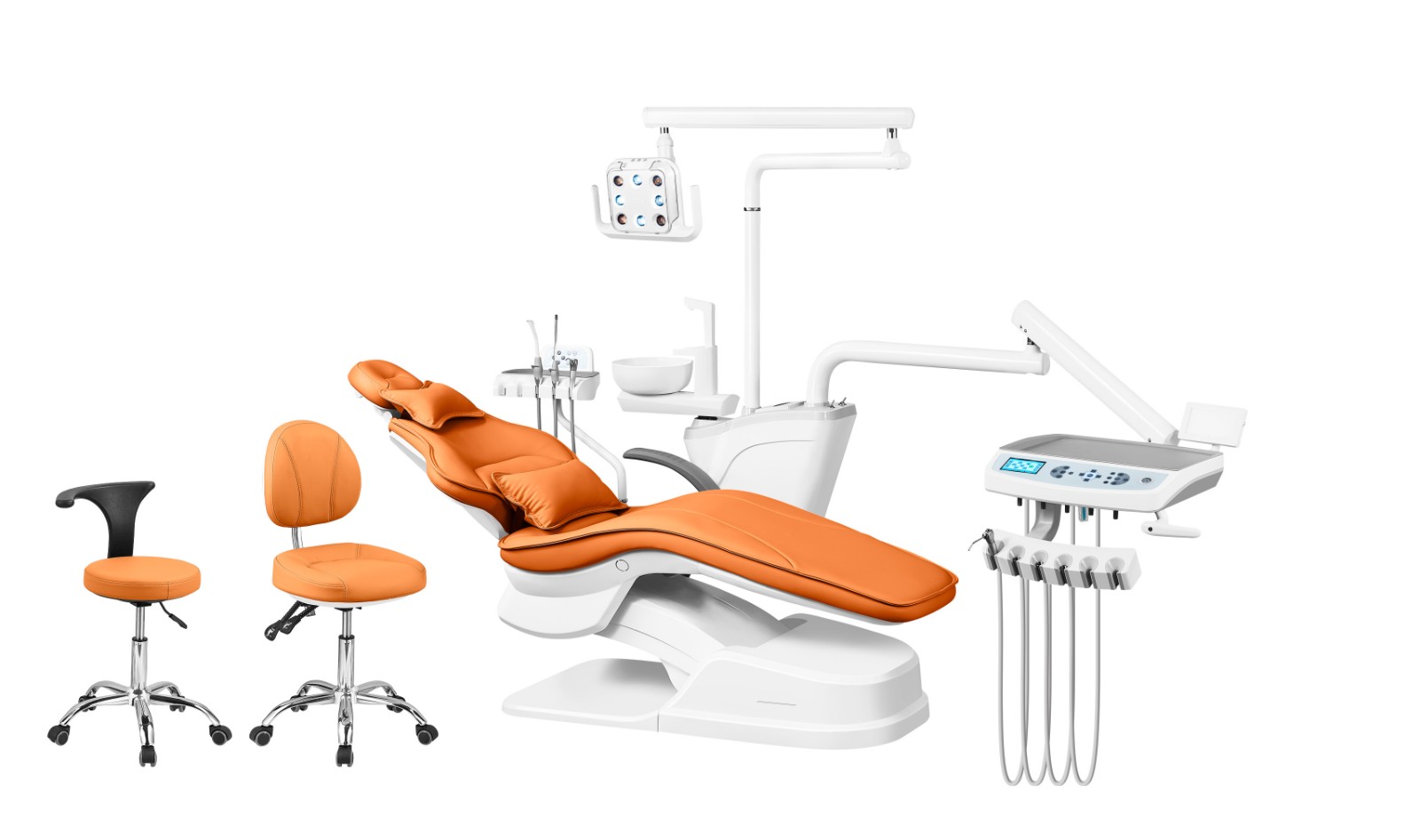
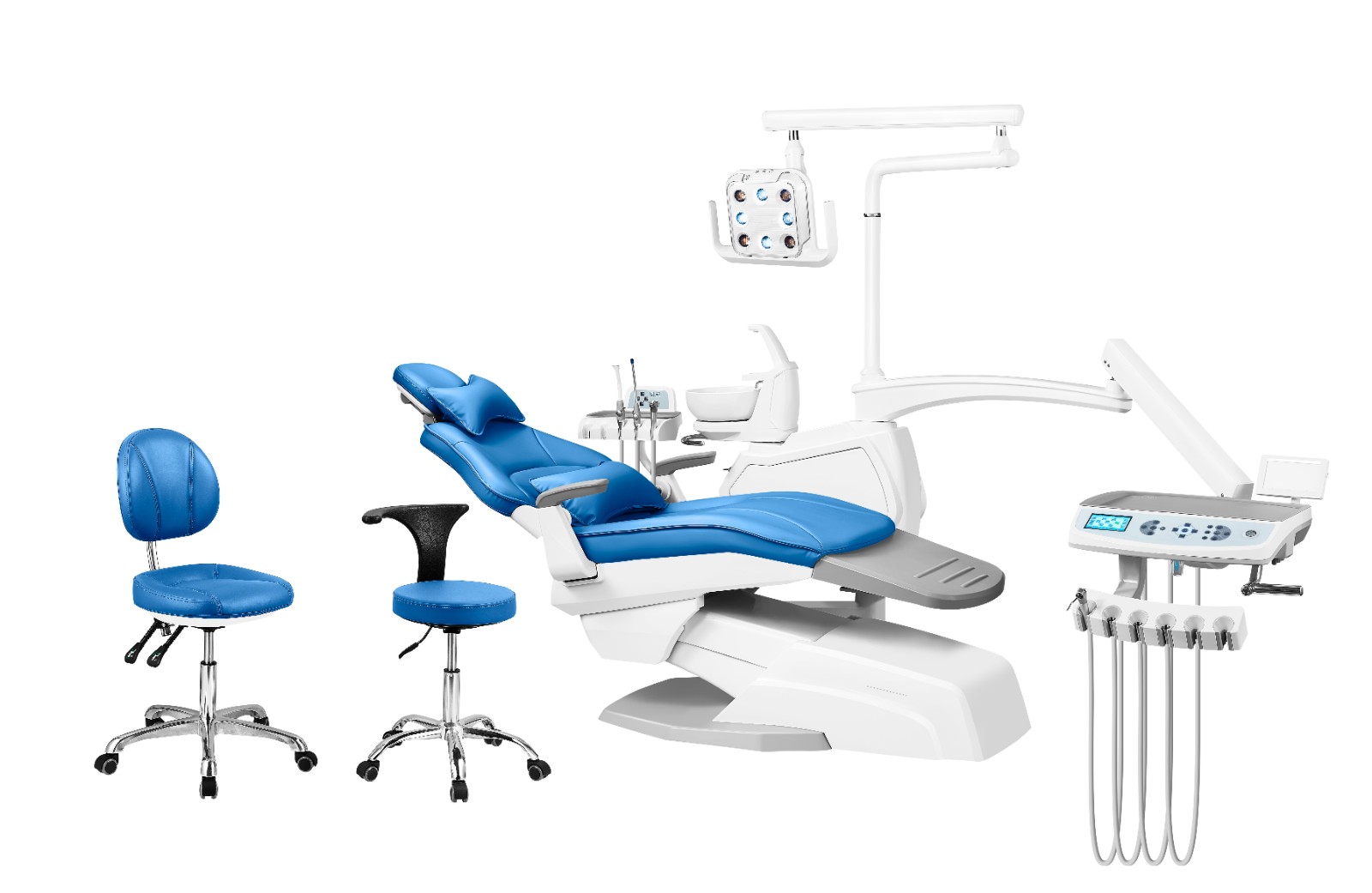
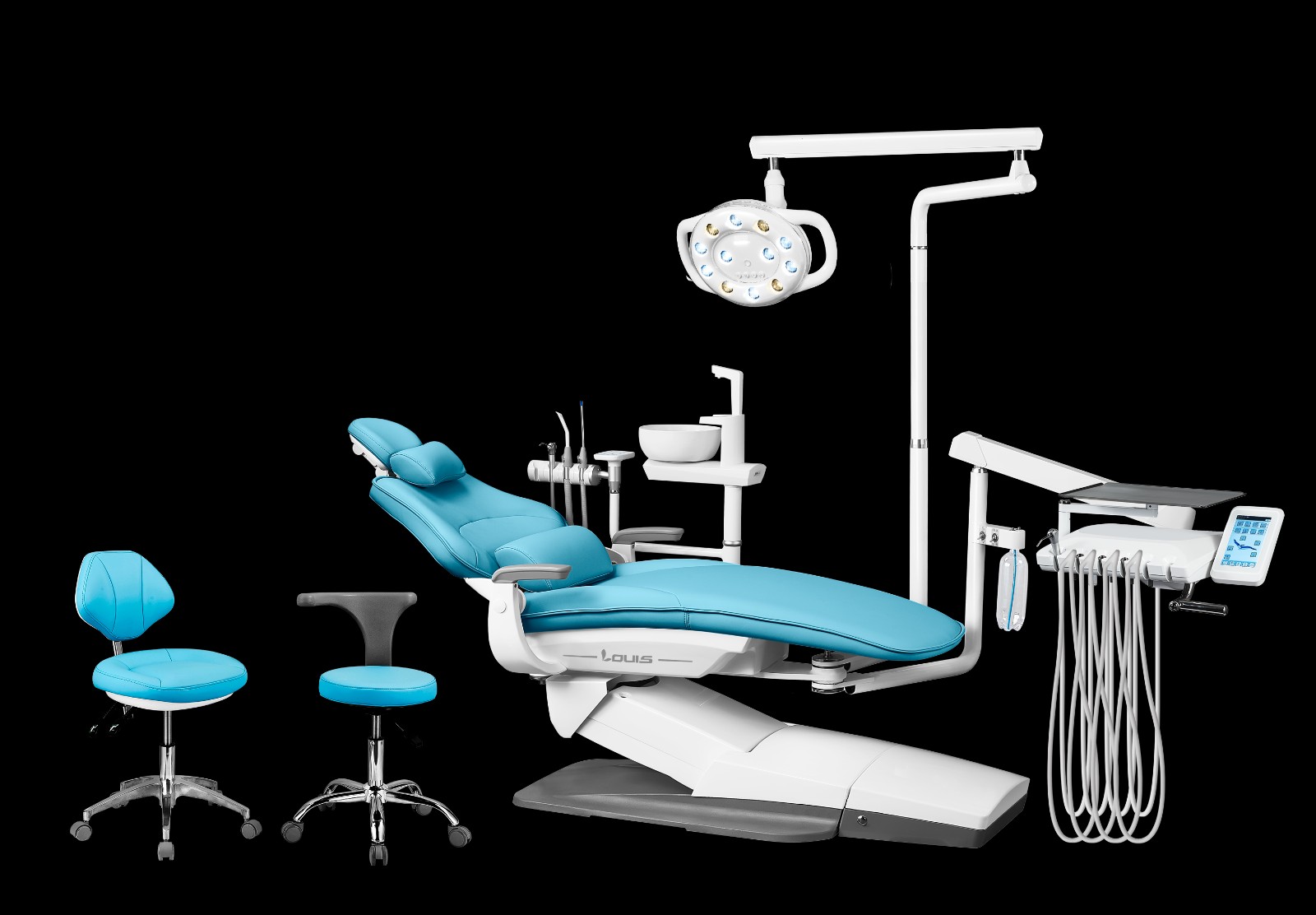
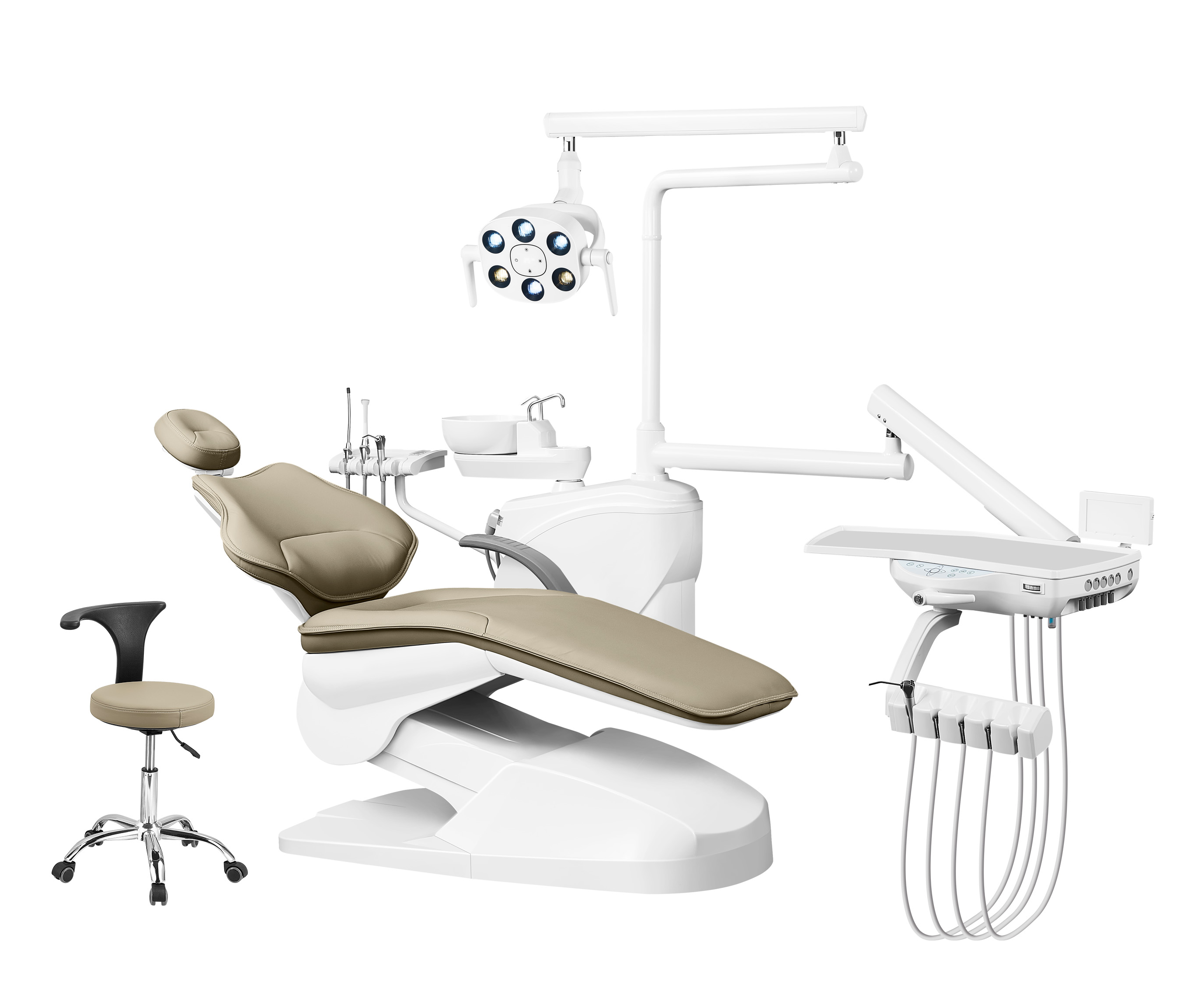
- AI image diagnosis (caries, periodontium, oral cancer) accuracy exceeds 92%; the FDA has approved multiple AI software programs. Our dental chairs have already received FDA certification in the US and can be sold in Europe and America!
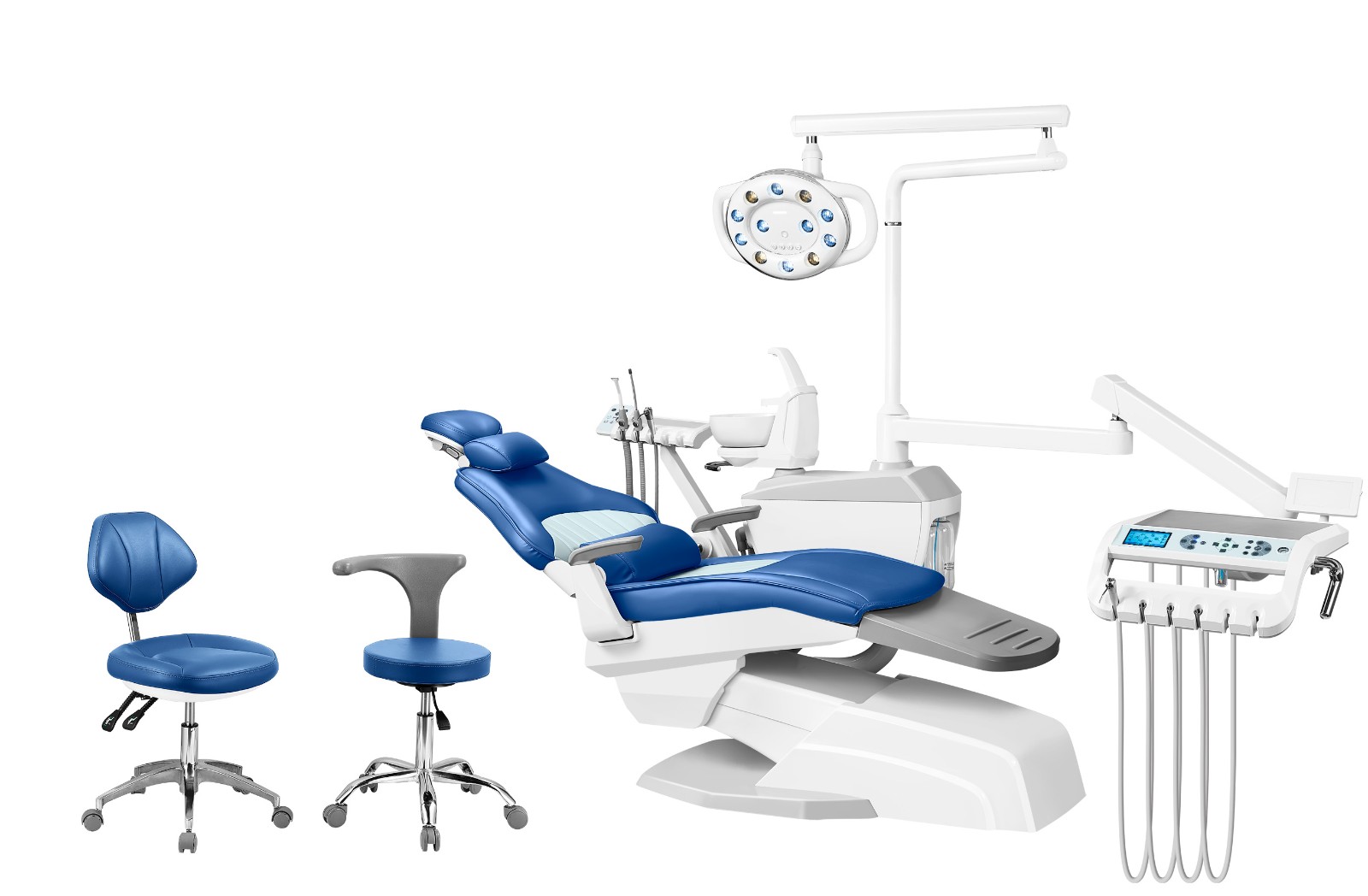
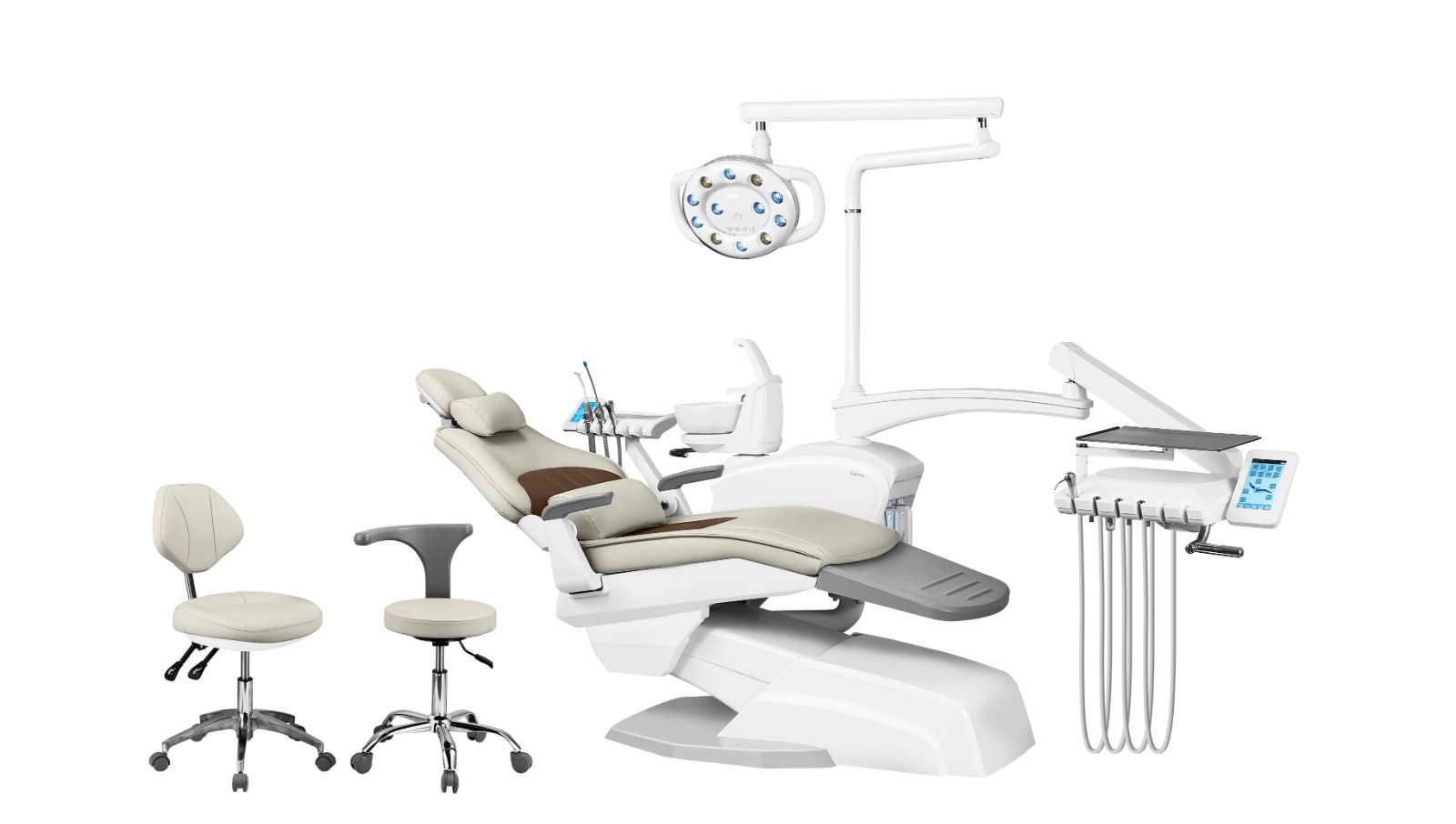
- AI-powered personalized treatment plans, risk prediction, and patient management.
- Dental Robots:
- Commercialization of implant robots, with micron-level precision and 40% reduction in surgery time, alleviating doctor shortages.
- Teledentistry Becomes the Norm:
- Initial consultations, follow-ups, and post-operative monitoring are now online, covering rural/remote areas and reducing in-store visits by 30%+.
II. Prevention First, Minimally Invasive and Regenerative Medicine
- From "Treatment" to "Prevention":
- Regular checkups, fluoride treatments, and fissure sealants are strongly promoted by health insurance and public health in Europe and the US; Germany's prevention coverage rate is >80%.
- Smart toothbrushes, apps, and oral sensors monitor plaque, pH, and gum health at home.
- Minimally Invasive Treatment (MID) Becomes Mainstream:
Preserving natural teeth as much as possible; adhesive restorations, microsurgery, and laser treatments are becoming widespread.
- Regenerative Medicine Clinical Applications:
Pulp regeneration, periodontal tissue regeneration, and stem cell tooth regeneration are entering clinical trials and commercialization, moving from "repair" to "regeneration."
III. Market Structure: Chain Stores (DSOs) Accelerate Integration
- Expansion of DSOs (Dental Service Organizations):
DSOs account for over 30% of the dental service industry in North America; younger dentists are more willing to join chains.
- Europe and Australia are rapidly following suit: Standardization, centralized procurement, digitalization, and talent sharing improve efficiency.
- Industry consolidation:
Small and medium-sized clinics are exiting the market due to cost, technology, and talent pressures, while leading chains and regional groups are expanding through mergers and acquisitions.
IV. Demand Structure: Aging Population + Aesthetics as Dual Drivers
- Geriatric Dentistry (Silver Economy):
Over 20% of those over 60 years old have missing teeth, leading to high growth in full-mouth implants, removable restorations, and periodontal maintenance.
- Implant penetration rate in Europe and America for those over 65 is **~28%, far higher than emerging markets.
- Aesthetic Dentistry Boom:
Invisible orthodontics, teeth whitening, veneers, and smile design account for >40%.
- Global invisible orthodontics market is projected to reach >18 billion USD by 2030, with maturity in Europe and America and rapid growth in the Asia-Pacific region.
- All-Age and Personalized:
Early intervention in children, aesthetics for young and middle-aged adults, restorations for the elderly, and the connection to overall health (periodontal disease and diabetes/heart disease) are becoming hot topics.
V. Payment and Policy: A Diversified System of Medical Insurance + Commercial Insurance + Out-of-Pocket Payment
- Expanded Medical Insurance Coverage:
- High coverage for basic treatments in Europe and America; some regions include implants and orthodontics in medical insurance/subsidies.
- Widespread Commercial Dental Insurance:
- Employers/individuals purchase high-end insurance covering implants, orthodontics, and aesthetics.
- Value-Based Healthcare:
- Payment based on treatment/health outcomes, rather than the number of procedures, driving long-term prevention and quality.
- Dental Tourism:
- Patients from Europe and America are flocking to Mexico, Thailand, and Turkey, with costs reduced by 60%~70%, and improved digital and cross-border services.
VI. Materials and Sustainability: Biomaterials + Green Dentistry
- Upgraded High-End Materials:
- Widespread use of zirconia, PEEK, bioactive ceramics, and biodegradable bone powder, resulting in better aesthetics, durability, and biocompatibility.
- Environmental Protection/Sustainability:
- Biodegradable consumables, mercury-free materials, digital waste reduction, energy-saving equipment, and carbon-neutral clinics are becoming trends.
VII. Regional Differences (Briefly)
- North America (US & Canada): Cutting-edge technology, strongest DSO (Distributed Service Provider), leading AI/robotics, comprehensive insurance, high costs.
- Europe (Germany, UK & France): Leading in prevention and public health, strict regulation, robust digitalization, broad health insurance coverage, balanced development.
- Japan & South Korea/Australia & New Zealand: Close to Europe and the US, strong in digitalization, high-end rehabilitation, and aesthetics, significantly driven by aging populations.
- Latin America/Middle East/Southeast Asia: High growth (CAGR 8%~12%), infrastructure expansion, rising middle class, and the beginning of chain store development.
