

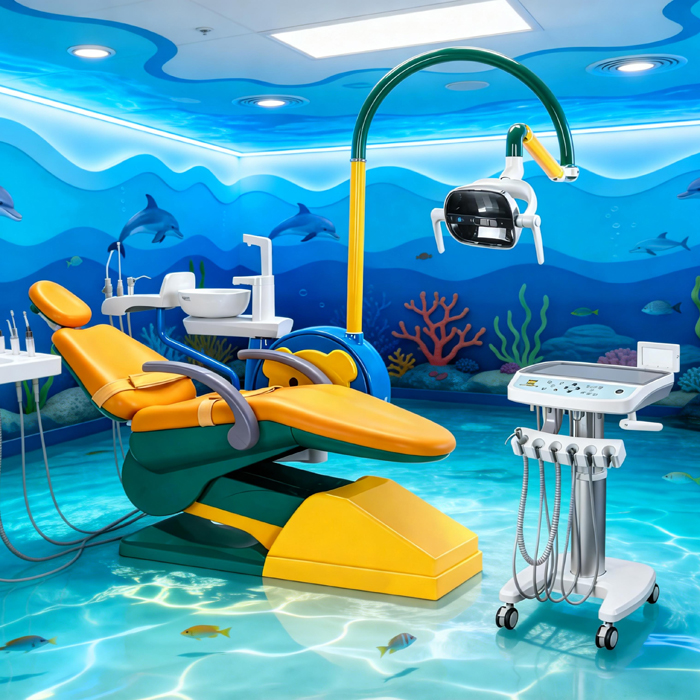
What Is the Lifespan of a Typical Dental Chair Unit?
In modern dental healthcare systems, the dental chair unit is one of the most essential pieces of clinical equipment. Its service life not only affects patient safety and treatment quality but also has a direct impact on the operating costs and long-term profitability of a dental practice.
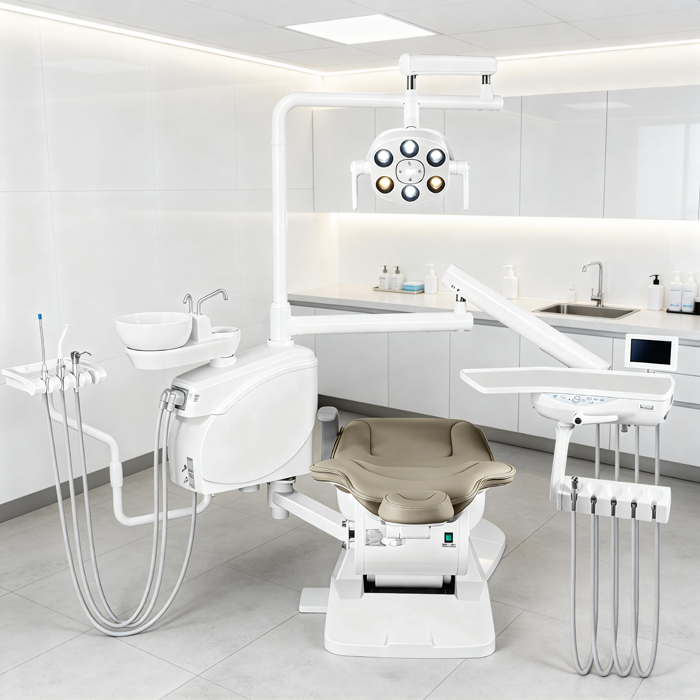
Typical Lifespan Under Different Usage Conditions
Normal Usage (Up to 8 Hours per Day with Proper Maintenance)
Expected service life of the complete unit: approximately 10–15 years
Key components such as motors, air compressors, water lines, and pneumatic systems can often last 12–15 years when properly maintained.
Moderate Usage (8–12 Hours per Day)
Expected service life of the complete unit: approximately 8–12 years
Critical components should be inspected or replaced every 5–8 years to ensure reliable performance.
Heavy-Duty Usage (More Than 12 Hours per Day)
Expected service life may decrease to 8–10 years
Core components typically require replacement every 5–8 years
Maintenance should be performed more frequently, including regular lubrication, pipeline cleaning, and preventive servicing.
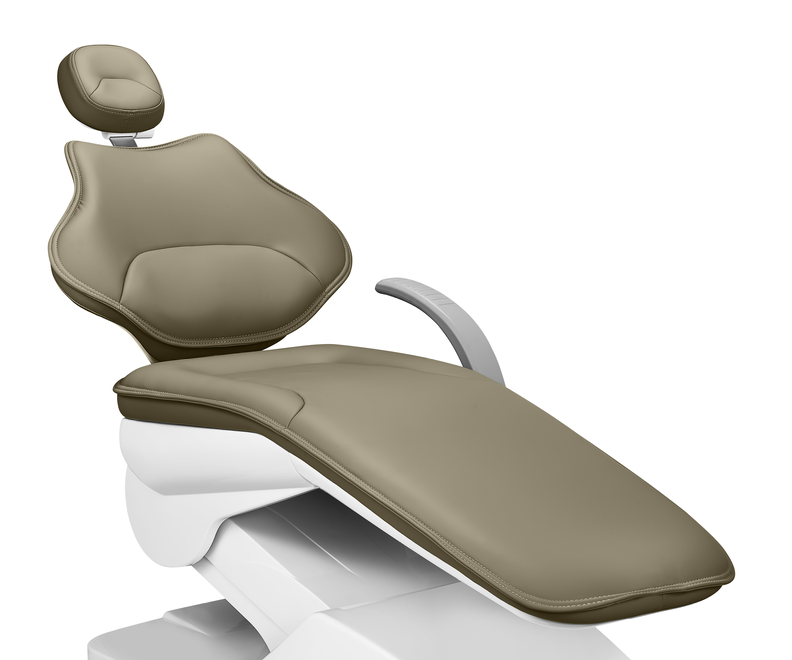
It should be noted that these figures are general references only. The actual lifespan of a dental chair depends on many factors, including equipment quality, maintenance practices, operating conditions, and technological advancements. For example, equipment lacking digital integration capabilities or failing to meet updated infection control standards may become obsolete before reaching the end of its mechanical life.
Global Standards and Regulations for Dental Chair Service Life
As medical device regulations continue to evolve worldwide, different countries and regions adopt different approaches to managing the service life of dental chairs. Some jurisdictions establish clear regulatory frameworks, while others leave replacement decisions largely to manufacturers and healthcare providers.
The following sections provide an overview of the standards and practices adopted in major international markets.
European Union Standards
MDR Regulatory Framework
Under the European Medical Device Regulation (MDR) 2017/745, manufacturers are required to determine and justify the intended lifetime of their medical devices while evaluating its impact on safety and performance.
Within the EU regulatory framework, the typical design life of dental chair units is generally considered to be 8–12 years, based on factors such as:
Technical characteristics of the equipment
Clinical operating environment
Reliability of components
Overall safety and performance requirements
Manufacturer Responsibilities and Certification Requirements
Manufacturers are expected to clearly specify the intended service life within their technical documentation and provide supporting evidence, including:
Pre-clinical validation data
Clinical evaluation data
Design verification records
Usability assessments
Post-market surveillance evidence
For reusable medical devices, manufacturers must also define:
Cleaning procedures
Sterilization protocols
Recommended reuse cycles
In addition, post-market surveillance is required to continuously verify the validity of the declared service life.
Risk Management Requirements
According to ISO 14971 risk management principles, manufacturers should evaluate product lifespan and failure probability while implementing appropriate risk control measures.
Common engineering tools include:
Design Failure Mode and Effects Analysis (DFMEA)
Process Failure Mode and Effects Analysis (PFMEA)
These methodologies help reduce potential risks throughout the product lifecycle.
United States Standards
FDA Regulatory Requirements
The U.S. Food and Drug Administration (FDA) maintains strict regulatory oversight of dental equipment. Most dental materials and technologies used in clinical practice are subject to FDA regulation to ensure product safety and effectiveness.
Medical devices are generally classified into three categories:
Class I – Low Risk
Class II – Moderate Risk
Class III – High Risk
Most dental equipment falls under Class I or Class II and is subject to applicable FDA premarket requirements.
American Dental Association (ADA) Recommendations
The American Dental Association (ADA) generally recommends that the core components of dental chair units have an expected service life of approximately 10–15 years, provided they undergo annual performance evaluations.
The ADA also recommends that dental practices conduct comprehensive equipment safety inspections every six months to minimize operational risks and reduce equipment-related failures.
Typical inspection items include:
X-ray equipment
Automated External Defibrillators (AEDs)
Amalgam separators
Sterilization equipment
Dental unit waterlines
Nitrous oxide systems
Patient monitoring equipment
Emergency oxygen systems
Practical Approach
Unlike regulations based solely on equipment age, the U.S. approach places greater emphasis on actual equipment performance and ongoing safety evaluations. Regular inspections and performance testing are considered essential for maintaining compliance and ensuring safe clinical operation.
Australian Practices
Maintenance-Oriented Management Philosophy
According to guidance from Australian dental equipment service providers, proper servicing and preventive maintenance can enable dental chairs to remain in operation for 15 years or even longer.
Actual service life depends on factors such as:
Clinical environment
Frequency of use
Cleaning procedures
Preventive maintenance schedules
Factors to Consider Before Replacing a Dental Chair
Before deciding to replace a dental chair, practices should evaluate:
Equipment age and reliability
If a chair has been in service for more than 10 years and experiences frequent failures, refurbishment may no longer be cost-effective.
Warranty coverage
Repairs may be worthwhile if the equipment remains under warranty.
Revenue loss caused by downtime
Equipment failures can significantly disrupt clinic operations.
Recommendations from qualified service engineers
Professional technical advice can help determine whether repair or replacement offers better long-term value.
Preventive Maintenance Measures
Routine maintenance typically includes:
Flushing handpieces and air/water syringes
Lubricating moving components
Disinfecting equipment after each patient
Operating suction system cleaners
Cleaning delivery unit traps
Draining and wiping ultrasonic cleaners
Checking nitrous oxide systems and emergency oxygen equipment
Singapore's Approach
Guidance on Medical Device Service Life
Singapore's Health Sciences Authority (HSA) updated its GN-06 R3 guidance document on November 1, 2022, providing recommendations to help product owners determine the expected service life of medical devices.
The guidance emphasizes that the expected lifetime of a medical device should be determined by considering technical, legal, and commercial factors, with reference to ISO 13485:2016 quality management principles where appropriate.
A Multi-Factor Assessment Method
According to the guidance, expected service life should take into account multiple considerations, including:
Technical factors: equipment design characteristics and material performance
Legal factors: applicable regulatory requirements and standards
Commercial factors: market demands and economic considerations
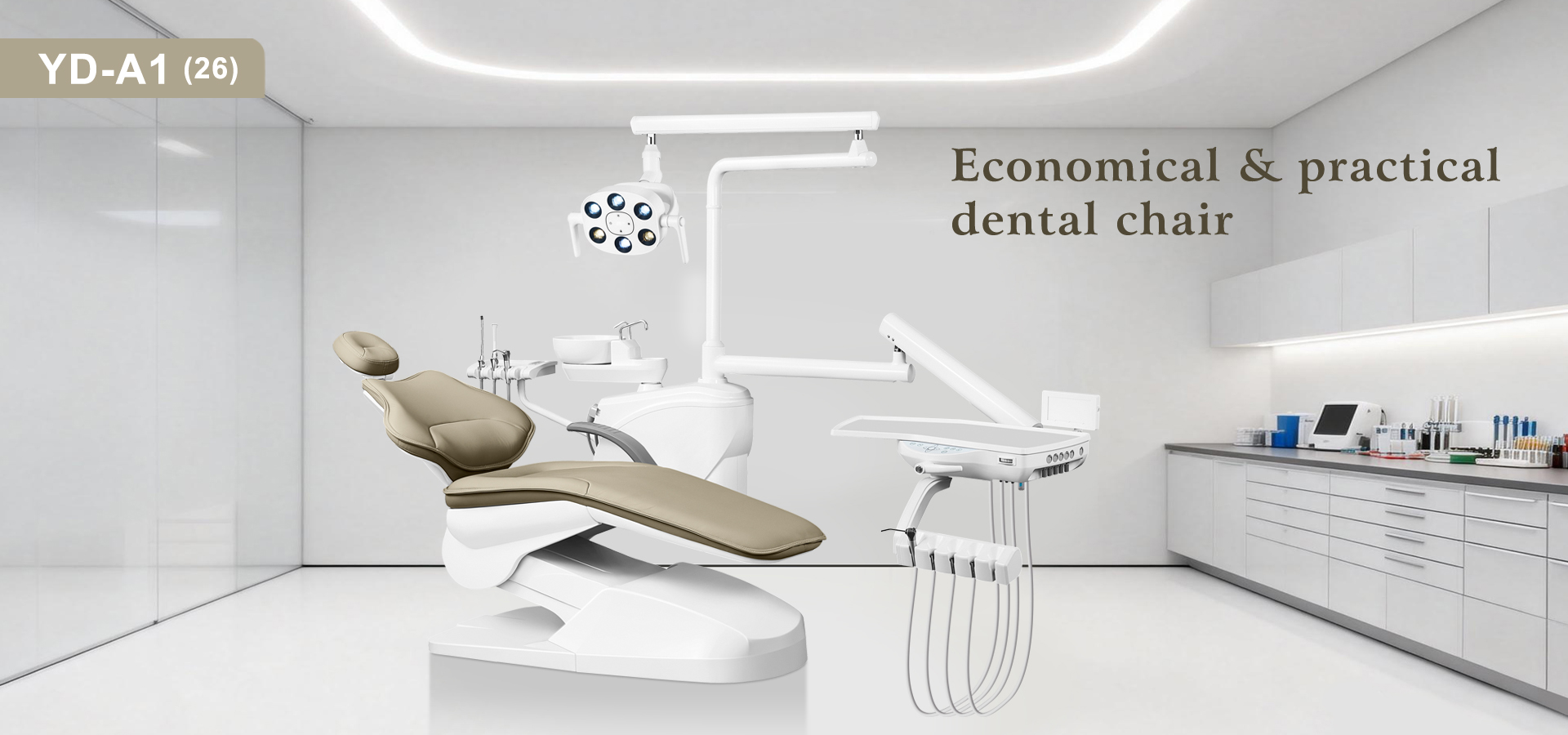
Rather than relying solely on a fixed replacement timeline, the guidance encourages a comprehensive lifecycle management approach based on the specific characteristics and intended use of each medical device.
After reviewing the relevant knowledge, it becomes evident that selecting medical equipment with recognized certifications is essential. It not only ensures reliable product quality, but also demonstrates a strong commitment to patient safety and treatment standards.
