

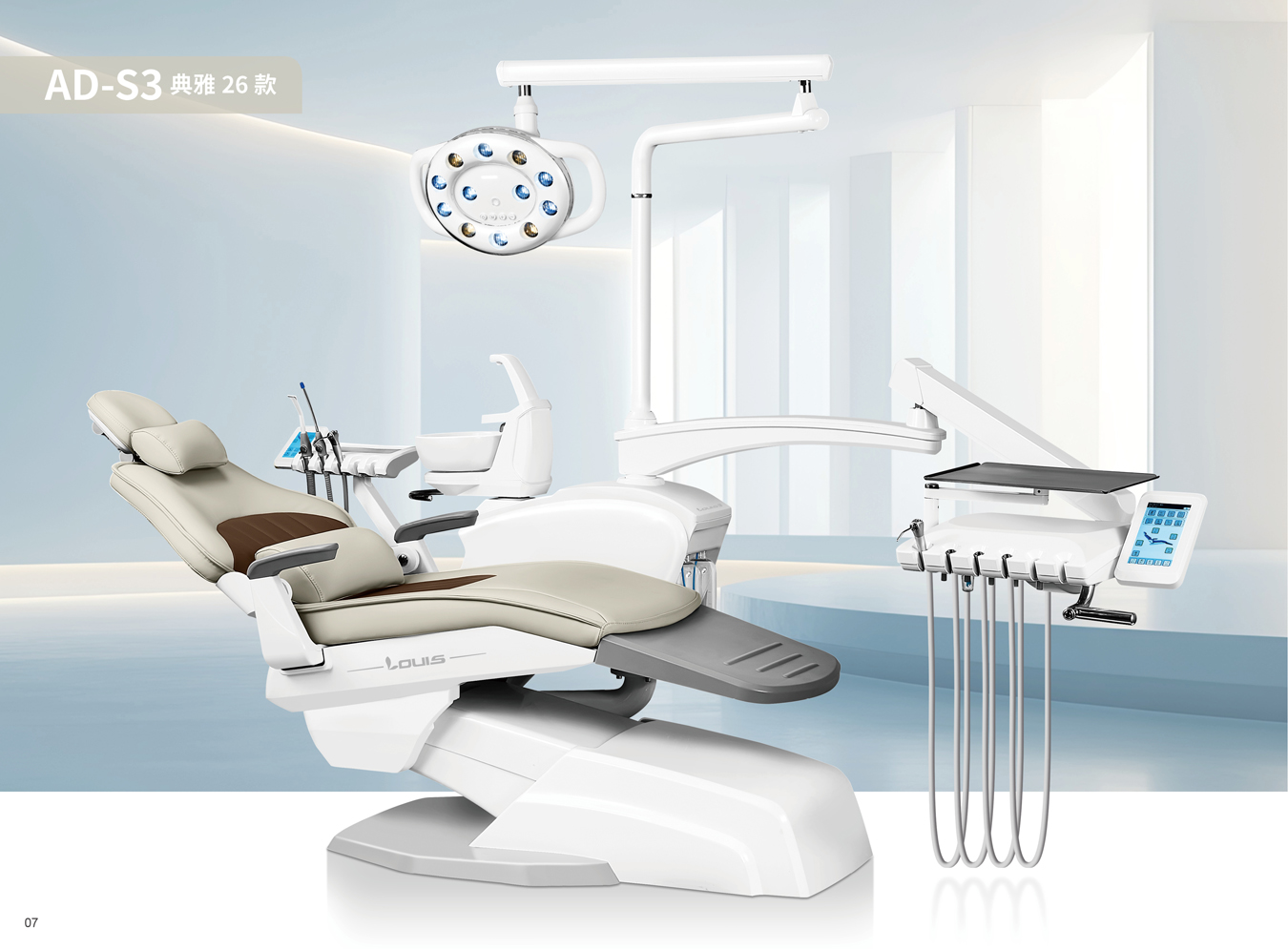
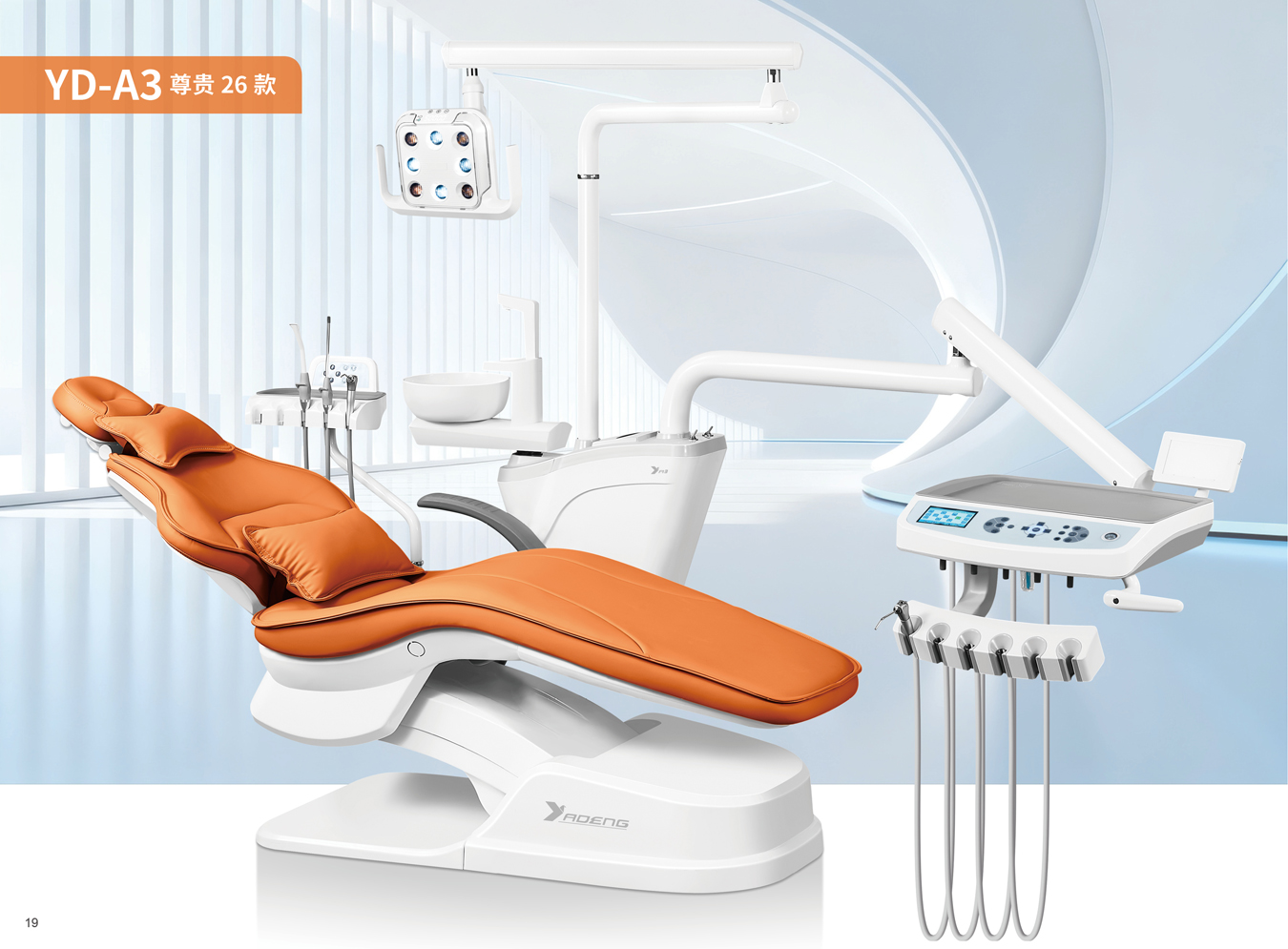
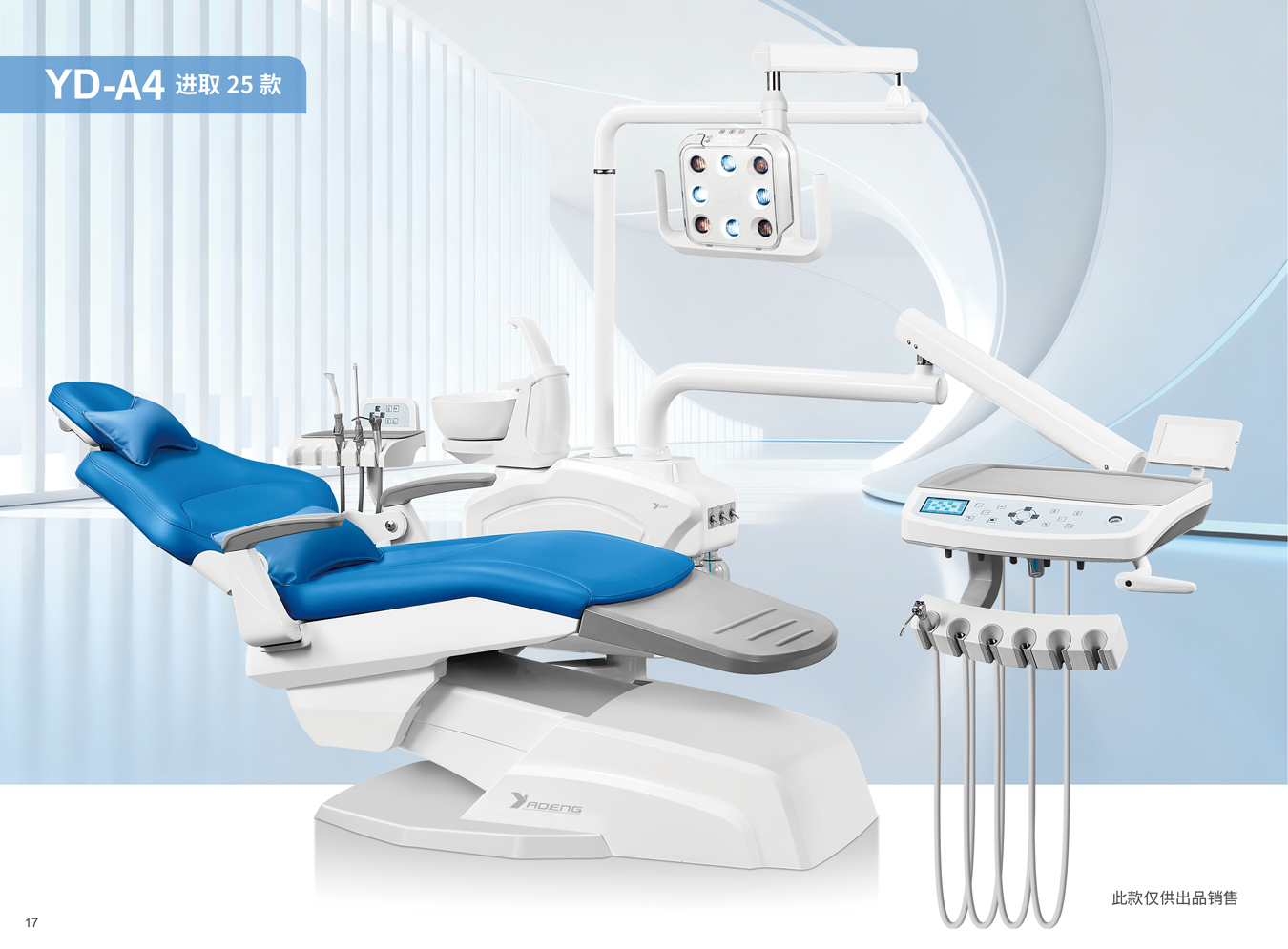
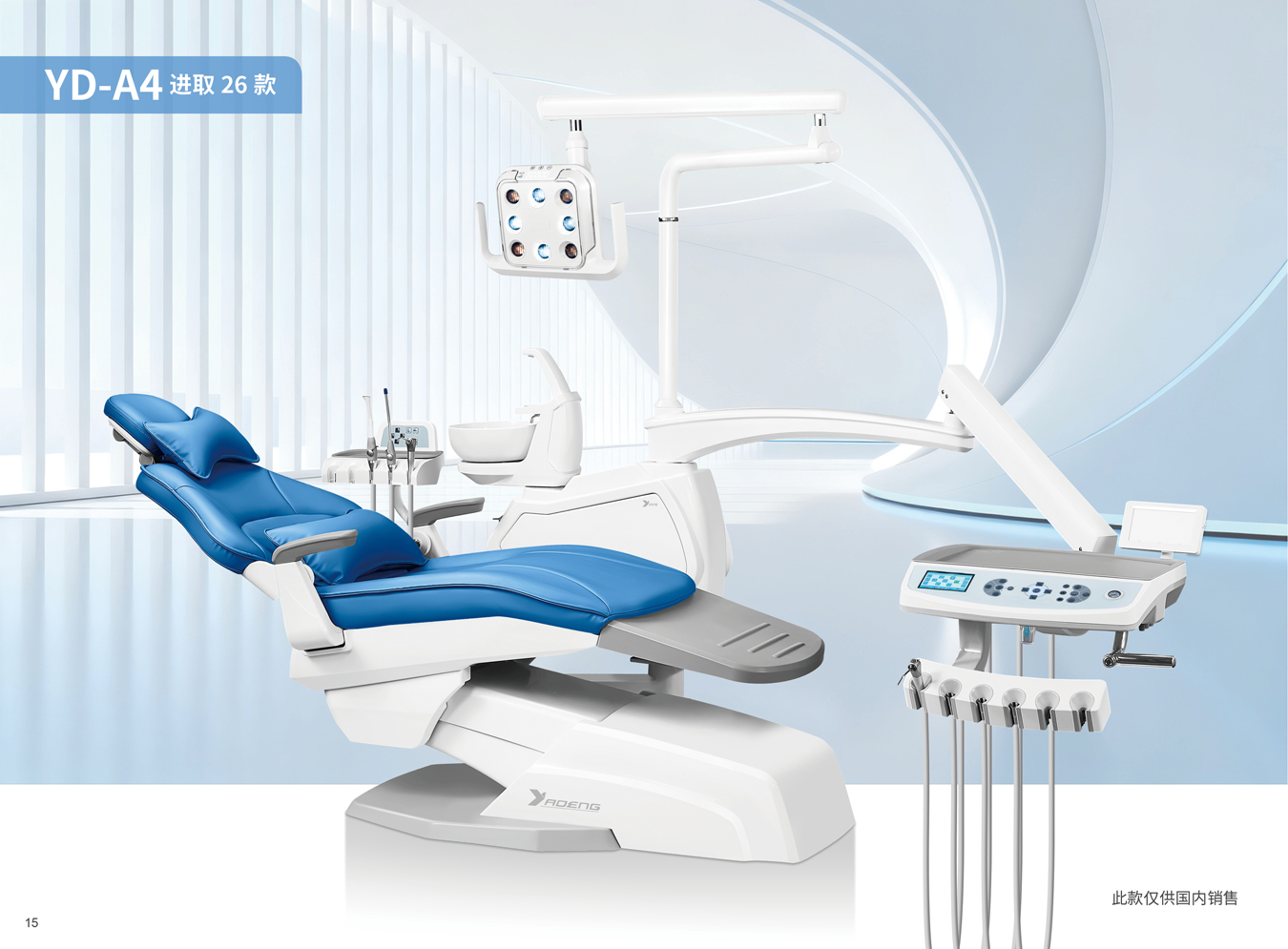
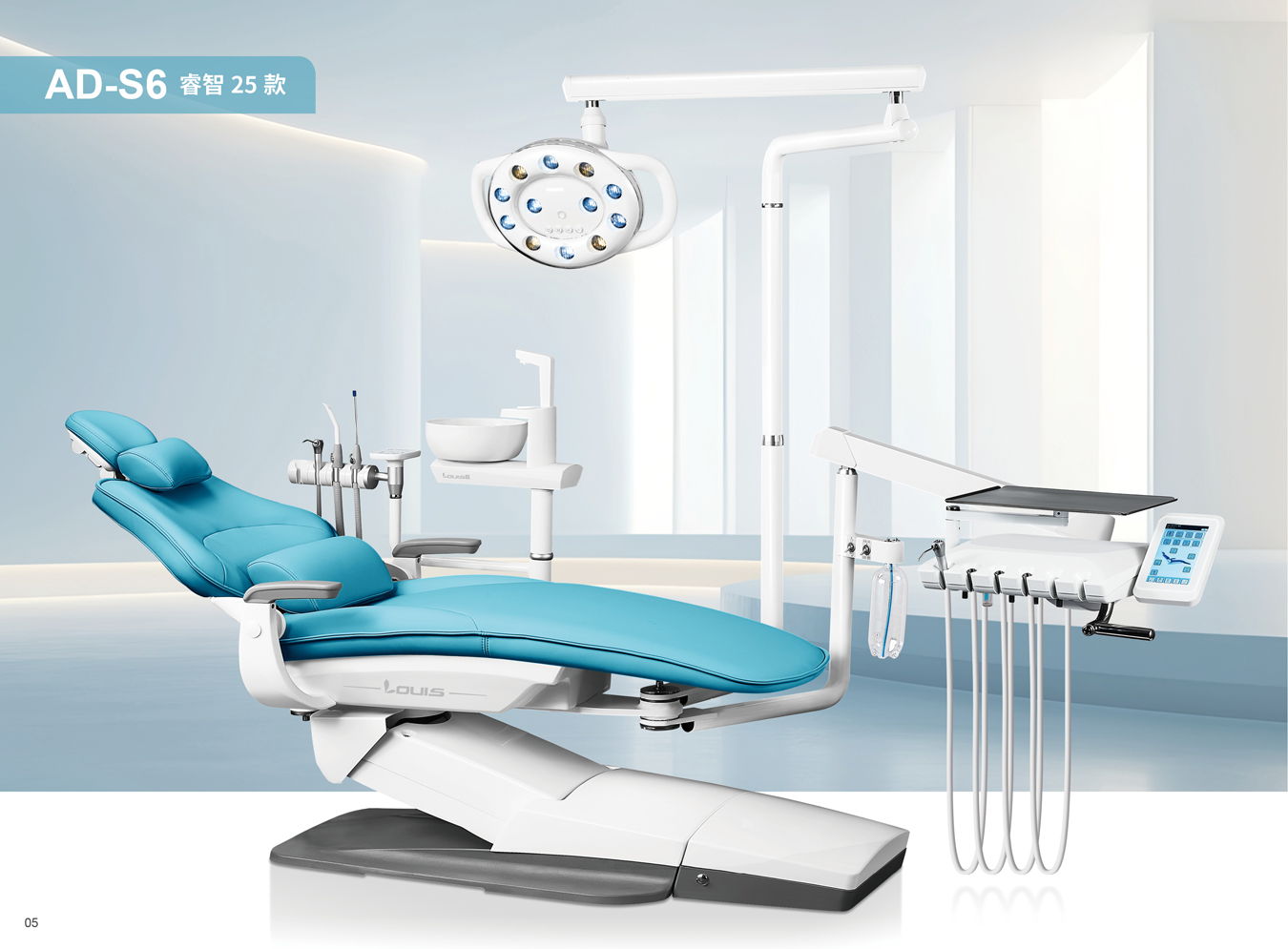
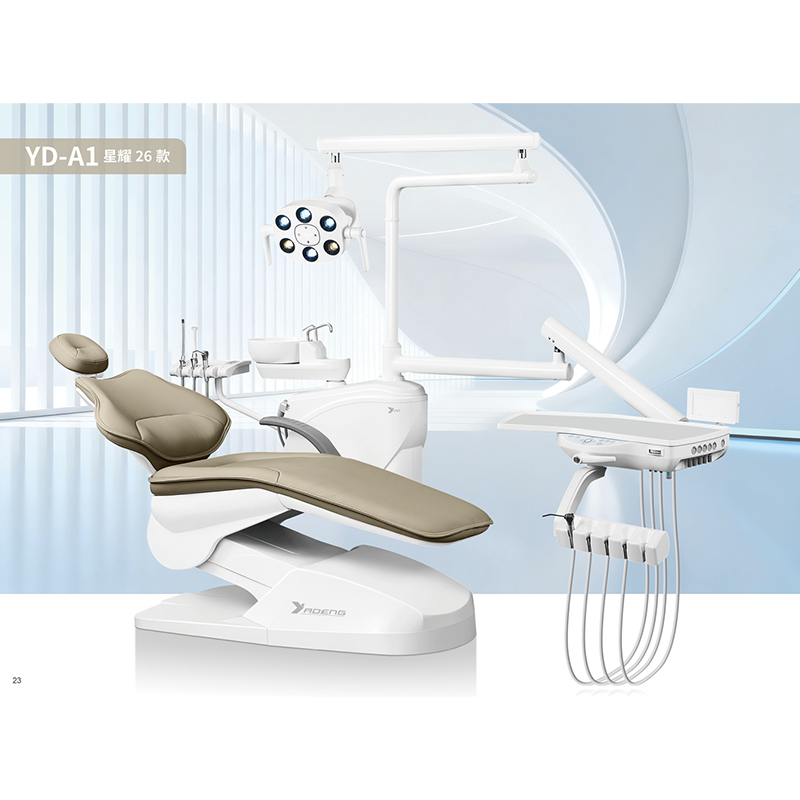
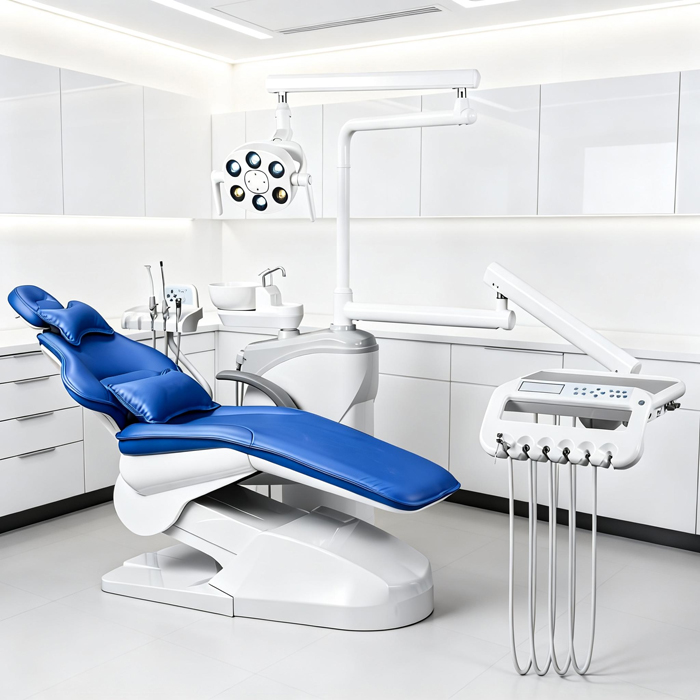
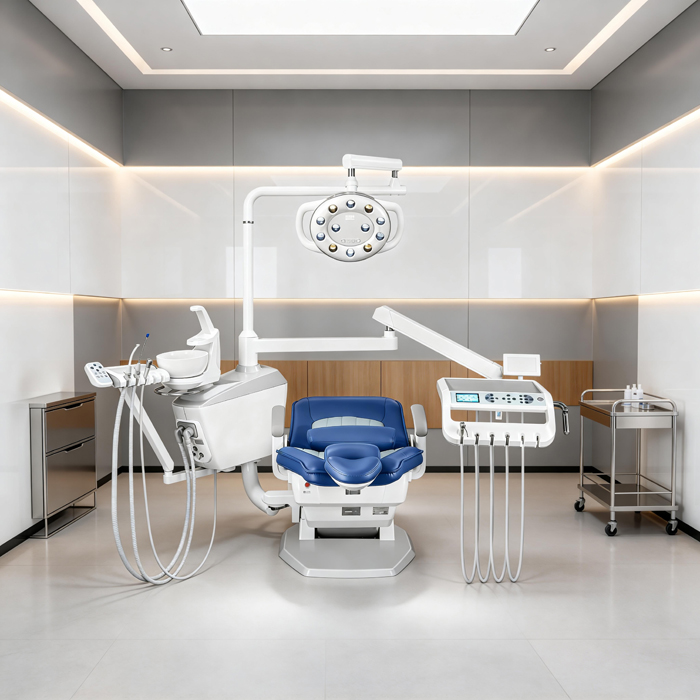
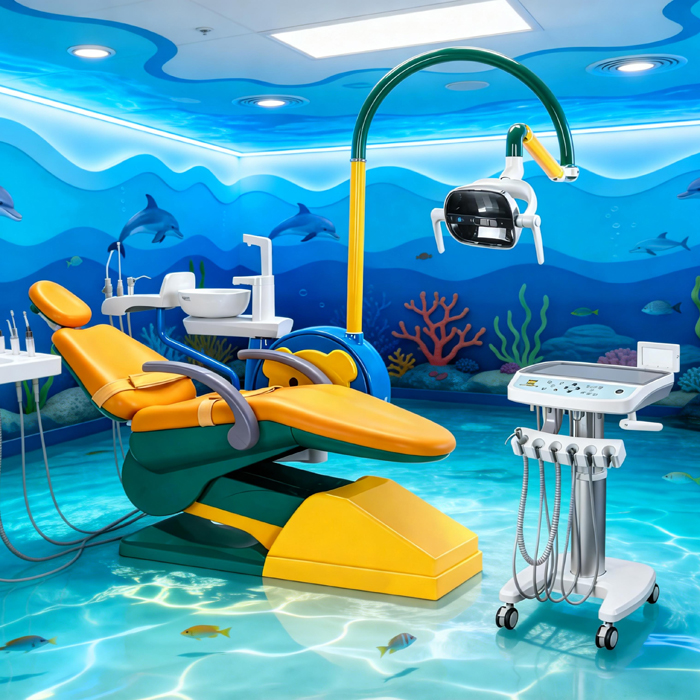
What Are the Common Problems with Dental Chairs?
In modern dentistry, patient experience has become just as important as clinical treatment itself. A reliable dental chair is no longer simply a treatment platform—it is the foundation of workflow efficiency, patient comfort, and clinical safety. Whether performing routine cleanings, restorative procedures, or long implant surgeries, dentists depend heavily on the stability and functionality of the dental chair throughout the day.
To ensure patients enjoy a comfortable treatment experience, proper dental chair maintenance and troubleshooting are essential. Regular inspection not only improves operational efficiency but also extends equipment lifespan and reduces maintenance costs.
This article provides a comprehensive overview of the most common dental chair problems, practical troubleshooting methods, and the latest comfort innovations—including advanced massage and heating functions that are redefining modern dental treatment experiences.
Why Dental Chair Maintenance Matters
The dental chair is the core equipment of every clinic. Its performance directly affects:
Treatment efficiency
Patient comfort
Clinical safety
Equipment durability
Overall clinic reputation
When dental chairs develop problems such as unstable movement, water leakage, lighting failures, or poor suction performance, patient experience suffers immediately. In severe cases, these issues may interrupt procedures and create safety risks.
For this reason, dentists and clinical staff must understand common dental chair problems and basic troubleshooting procedures to maintain smooth and safe operations.
At the same time, clinics are increasingly upgrading to modern dental chairs equipped with ergonomic improvements, intelligent systems, and comfort-enhancing technologies such as massage and heating functions.
Common Dental Chair Problems and Solutions
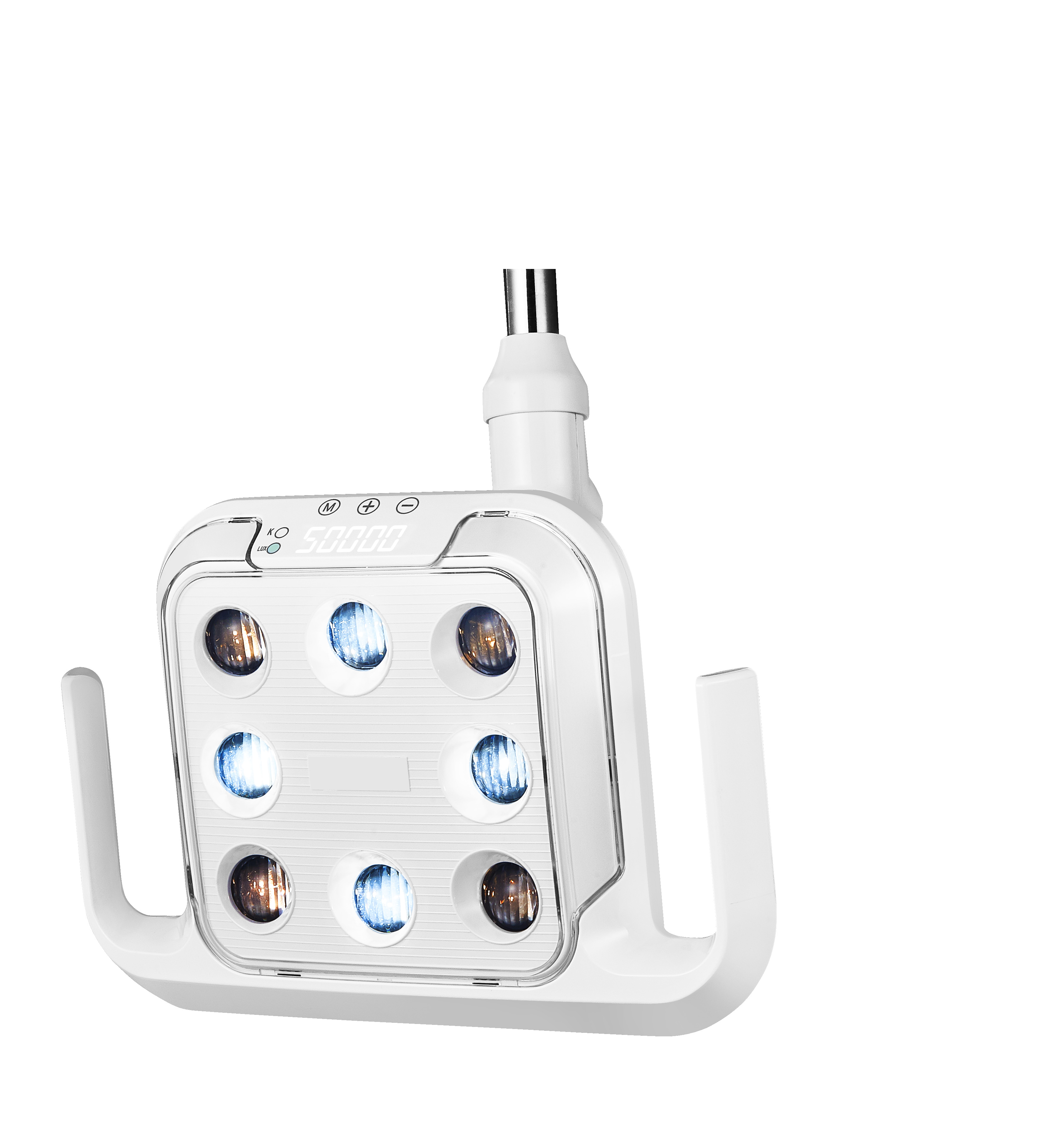
1. Dental Operating Light Problems
The dental operating light is one of the most critical components of the dental chair system. Proper illumination directly affects treatment accuracy and visibility.
However, after long-term use, clinics may encounter problems such as:
Insufficient brightness
Uneven lighting
Flickering light
Sensor malfunction
Complete lighting failure
These issues can negatively affect treatment precision and patient comfort.
2. Dental Light Does Not Turn On
When the operating light fails to illuminate, dentists cannot perform procedures efficiently. The problem may originate from multiple causes.
Recommended troubleshooting steps:
Check the Fuse
Inspect Power Cable Connections
Test Electrical Current
Perform Independent Power Testing
If the light still does not function, possible causes include:
Burned LED beads
Short-circuited circuit board
Internal electrical damage
In these situations, replacing the entire operating light assembly is often recommended.
3. Flickering or Non-Responsive Dental Light
Some dental lights may flicker continuously or fail to shut off properly.
Common causes include:
Faulty circuit board
Sensor failure
Internal wiring problems
If the sensor cannot detect hand movement properly, the sensor module or control board may require replacement.
Modern premium dental chairs now integrate:
Sensor-controlled LED systems
Stable illumination technology
Energy-efficient lighting modules
These upgrades improve both treatment precision and long-term reliability.
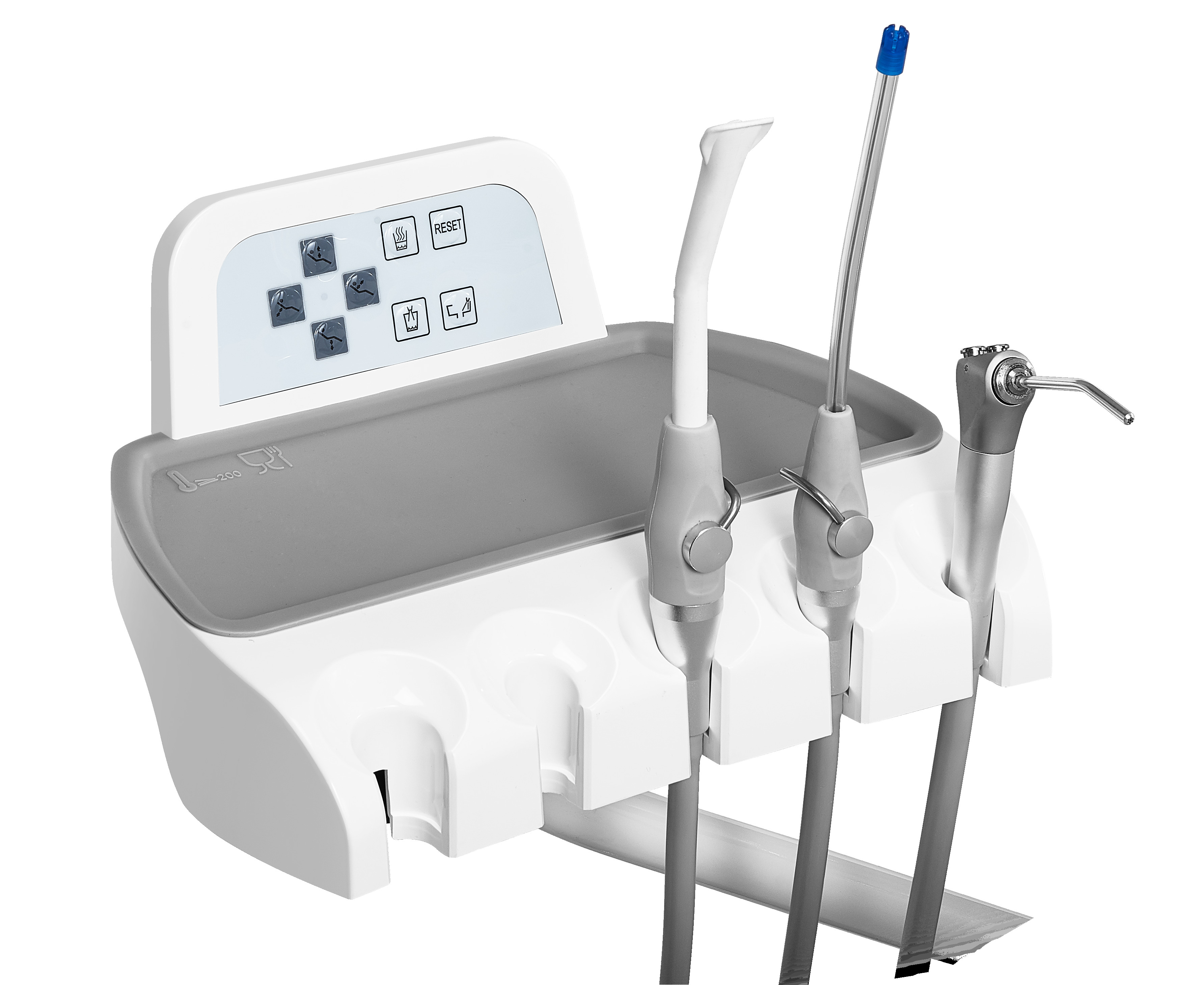
4. Handpiece Tube Water Leakage
Water dripping from the handpiece tube is a very common issue in dental clinics.
If not addressed quickly, leakage can:
Affect treatment quality
Damage internal components
Create hygiene concerns
Increase maintenance costs
Inspect the Water Pressure Valve
Disconnect the diaphragm valve water tube and observe whether water flows without pressing the foot pedal.
Under normal conditions:
No water should flow when the pedal is not pressed
If water continues flowing, the pressure valve may be faulty and should be replaced.
Check the Diaphragm Valve
A damaged membrane prevents proper sealing and causes leakage.
Inspect whether the holder valve is positioned correctly or damaged.
Use a hex wrench to adjust or replace the handpiece holder valve if necessary.
Air leakage from the foot pedal valve may allow air pressure to continue entering the water pressure valve even when treatment stops, causing water leakage.
Three-Way Syringe Water Supply Problems
The three-way syringe is essential for daily dental procedures. When water supply fails, treatment efficiency is immediately affected.
Step 1: Check Water Adjustment Valve
Ensure the water adjustment valve is fully opened.
Step 2: Inspect Pressure Water Valve
Observe whether water flows properly through the pressure valve.
If water flows normally, the pressure valve is functioning correctly.
If no water flows, the valve may need replacement
Step 3: Inspect Air Circuit
If the pressure valve operates normally but no water exits the syringe:
Check whether the air pathway between the integrated valve and diaphragm valve is unobstructed
Ensure foot pedal air reaches the diaphragm valve properly
If not, the diaphragm valve may require replacement.
Step 4: Confirm Water Source Switch Position
Ensure the water source selector is correctly switched to the purified water bottle mode.
This simple oversight is one of the most common causes of water supply issues.
Suction System Problems
Strong and weak suction systems are critical for maintaining a clean and dry operating field during treatment.
When suction power decreases, treatment becomes more difficult and patient comfort declines.
Clogged filter cups are among the most frequent causes of suction problems.
Remove and clean any debris immediately.
Check whether the holder valve on the assistant tray is loose or damaged.
Inspect strong and weak suction valves for:
Foreign object blockage
Internal damage
Wear and tear
If the system includes a selection valve, verify whether it opens normally.
Inspect whether the electric air switch functions properly and whether any wiring has become disconnected.
Air Supply and Compressor Problems
Insufficient air pressure can cause multiple dental chair malfunctions, including:
Weak water supply
Handpiece instability
Valve malfunction
Inconsistent syringe performance
Common Causes
Insufficient compressor output
Bent or twisted air tubes
Air regulator leakage
Foot pedal leakage
Routine inspection of the air supply system is essential for stable chair operation.
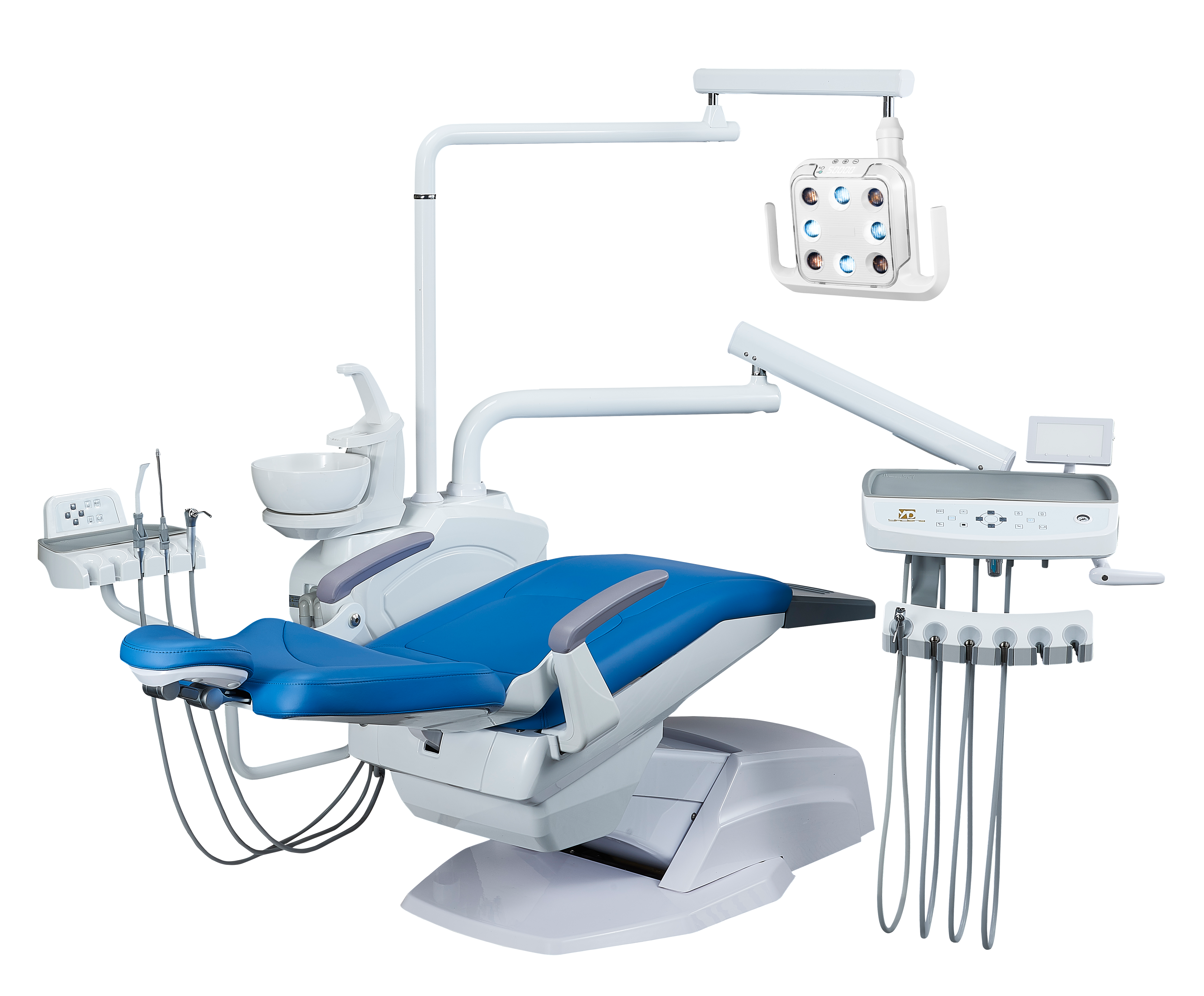
Why Patient Comfort Is Becoming More Important
Traditional dental chairs mainly focused on functionality. However, patient expectations have changed significantly.
Today’s patients expect:
Comfortable seating
Reduced anxiety
Relaxing treatment experiences
Premium clinical environments
This is why modern dental chairs increasingly incorporate comfort-focused innovations such as massage and heating systems.
The Growing Popularity of Massage Dental Chairs
Traditional static cushions cannot effectively relieve these problems.
Modern dental chairs with built-in massage systems provide continuous relaxation throughout treatment.
Benefits of Massage Function
Reduced Anxiety
Gentle massage movement helps calm nervous patients before and during procedures.
Improved Patient Cooperation
Relaxed patients are more likely to remain still during long treatments.
Better Experience for Elderly Patients
Older patients especially benefit from muscle relaxation and pressure reduction.
Premium Clinic Image
Massage-equipped dental chairs create a luxury treatment experience that differentiates clinics from competitors.
Advantages of Heating Dental Chairs
Muscle Relaxation
Gentle warmth helps patients relax naturally.
Improved Blood Circulation
Heating improves comfort during lengthy treatments.
Better Pediatric and Elderly Care
Children and older patients are more sensitive to cold environments.
Enhanced Luxury Experience
Heating systems contribute to a spa-like treatment atmosphere that patients remember positively.
Conclusion
Dental chairs are the heart of every dental clinic, and even minor problems can significantly affect workflow, treatment quality, and patient satisfaction.
Understanding common dental chair problems—and implementing regular inspection and maintenance—is essential for maintaining safe and efficient clinical operations.
At the same time, dentistry is evolving beyond traditional equipment standards.
Modern dental chairs with integrated massage and heating functions are transforming the patient experience by combining clinical performance with premium comfort.
These advanced features not only reduce anxiety and improve comfort but also help clinics strengthen their professional image and long-term competitiveness.
As patient expectations continue to rise, investing in reliable, comfortable, and intelligent dental chairs is no longer optional—it is a strategic decision for the future of modern dental practice.
