

What Is a Dental Chair Unit and How Does It Work
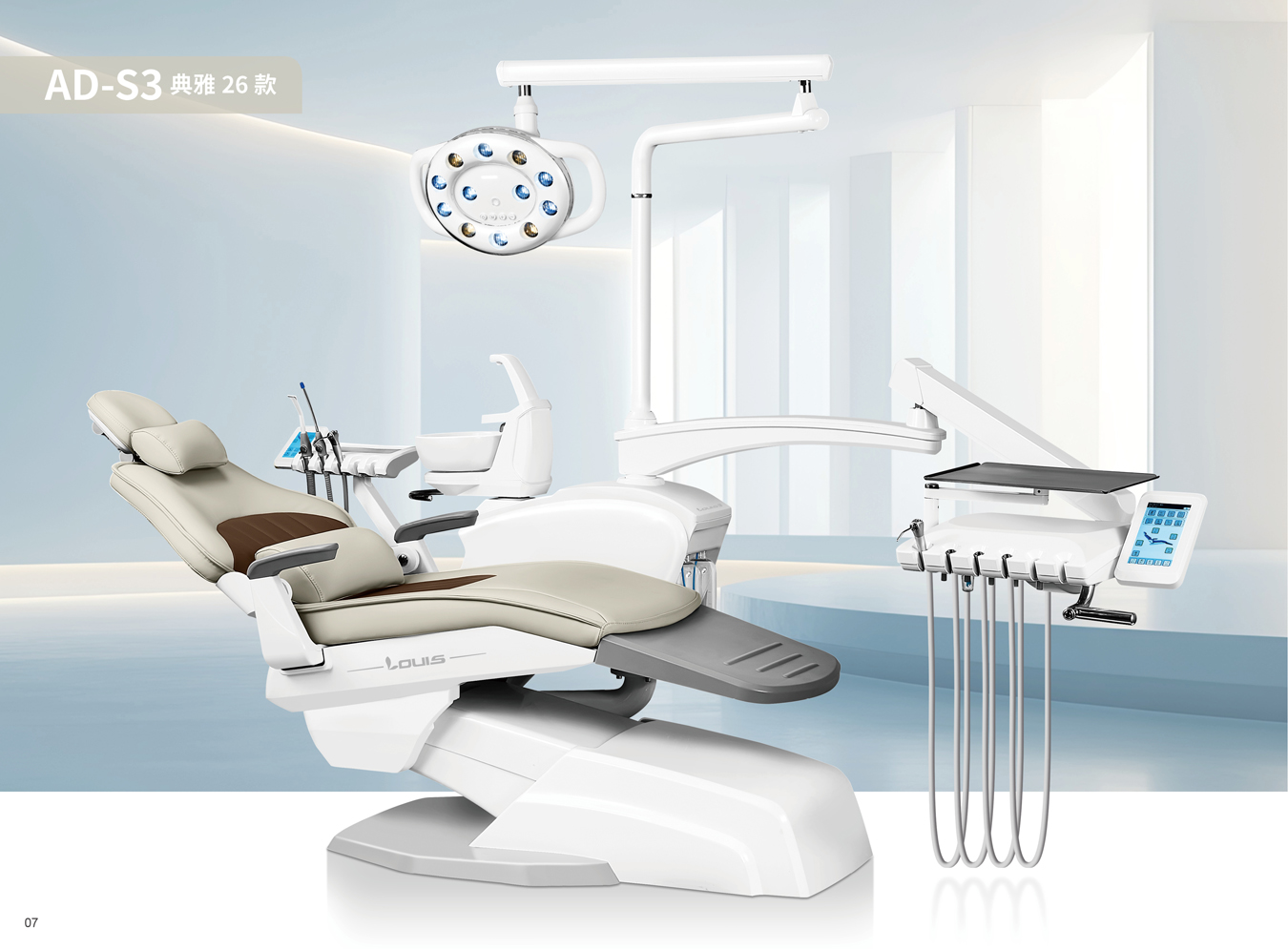
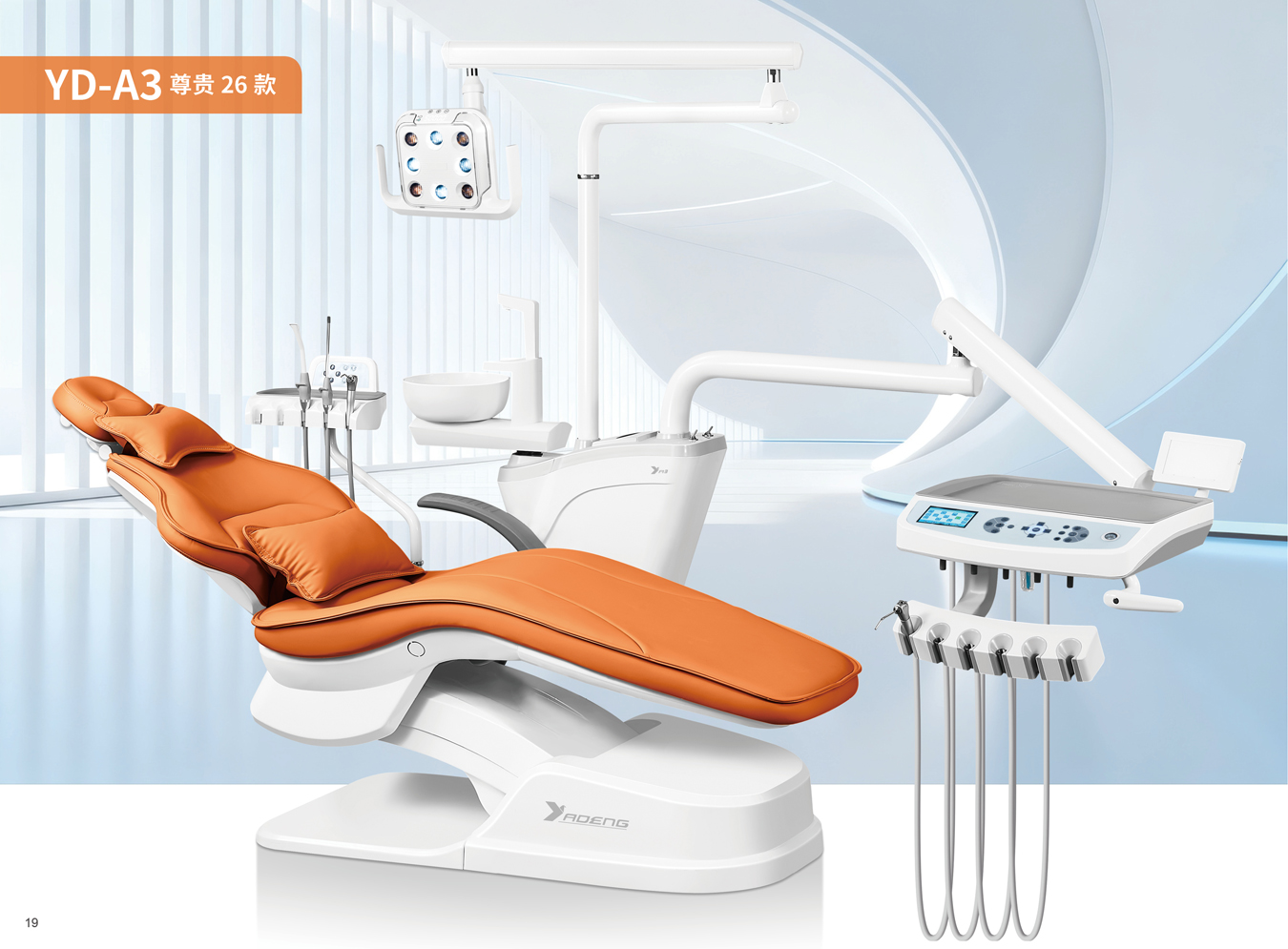
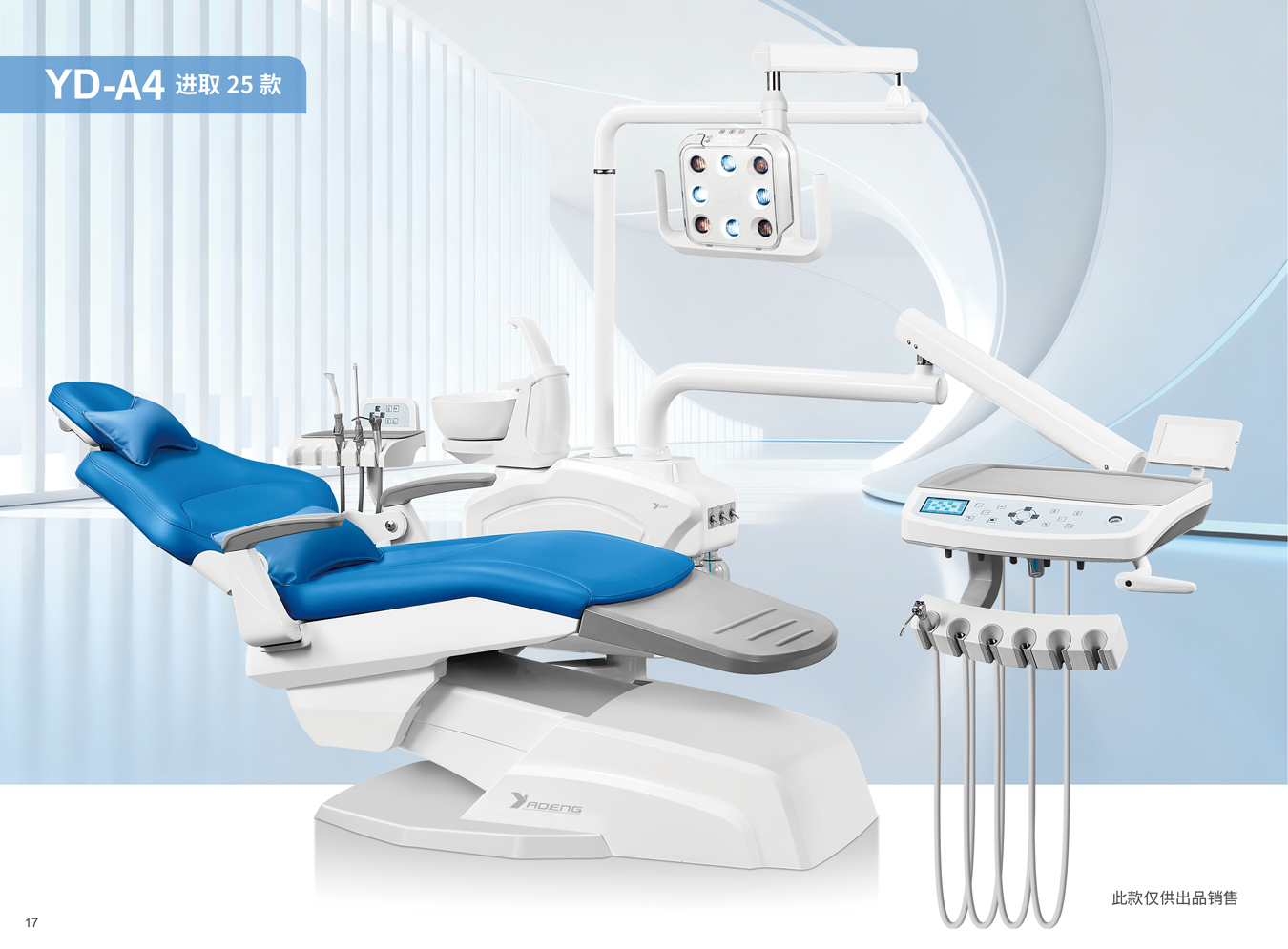
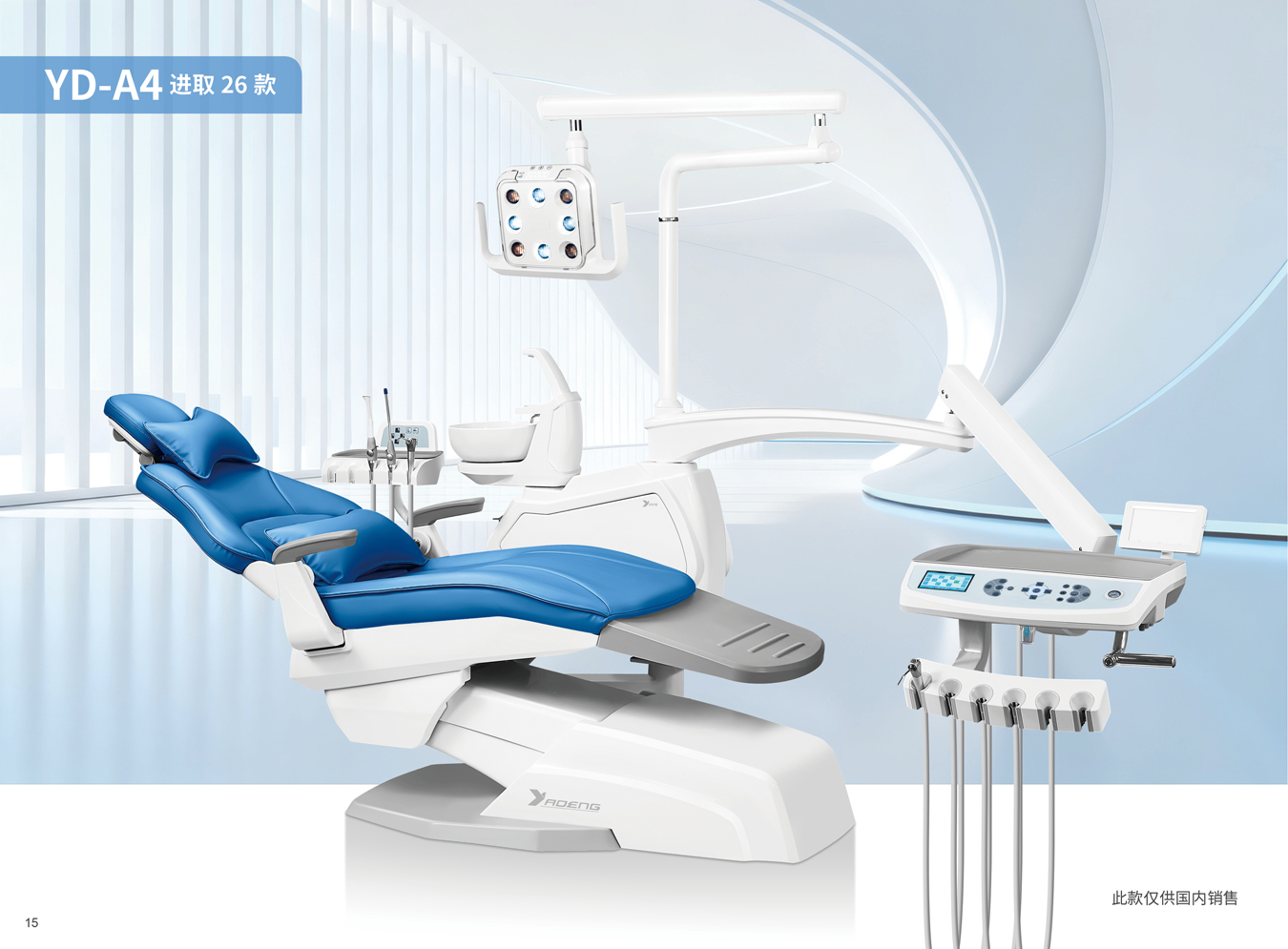
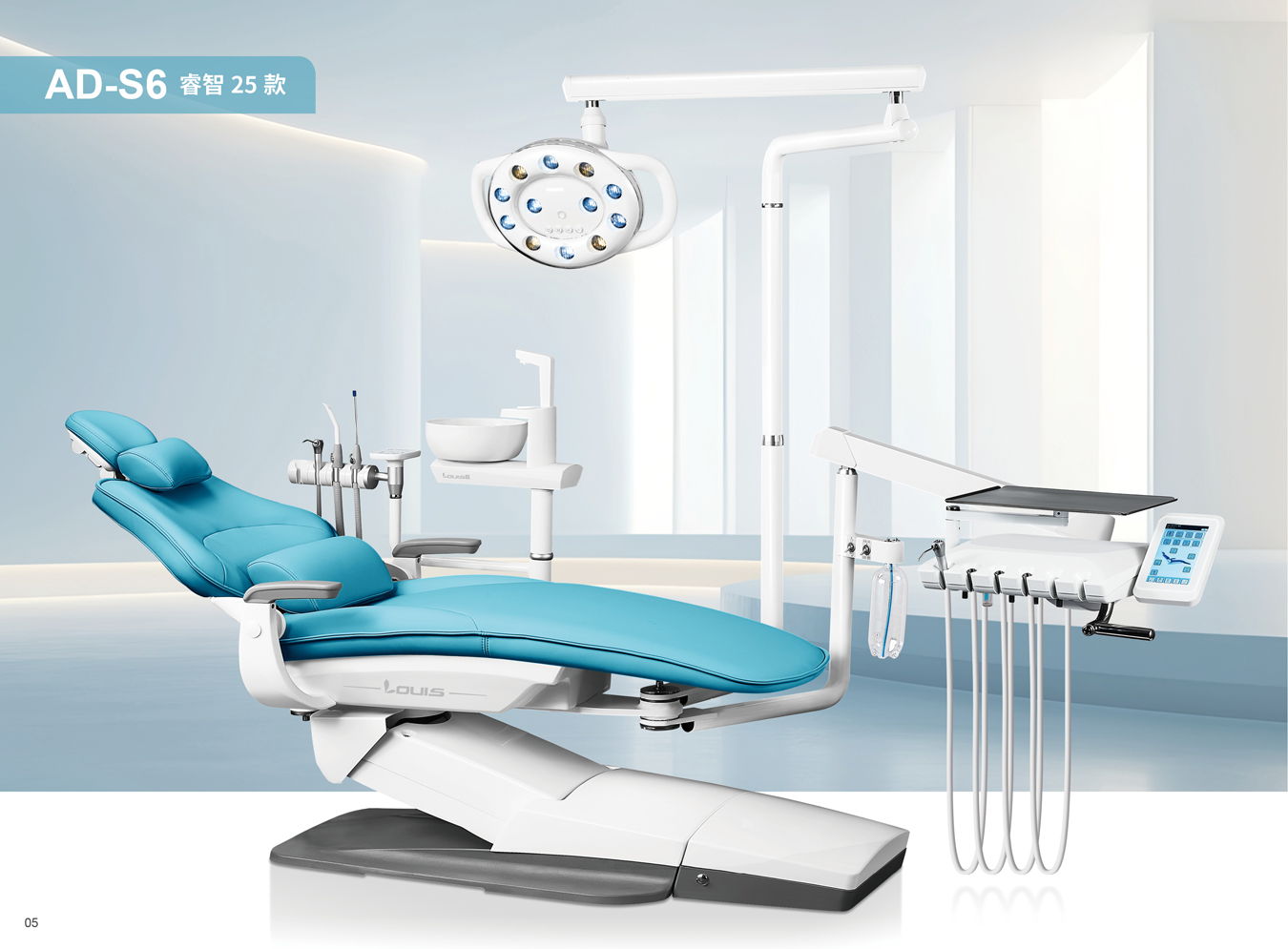
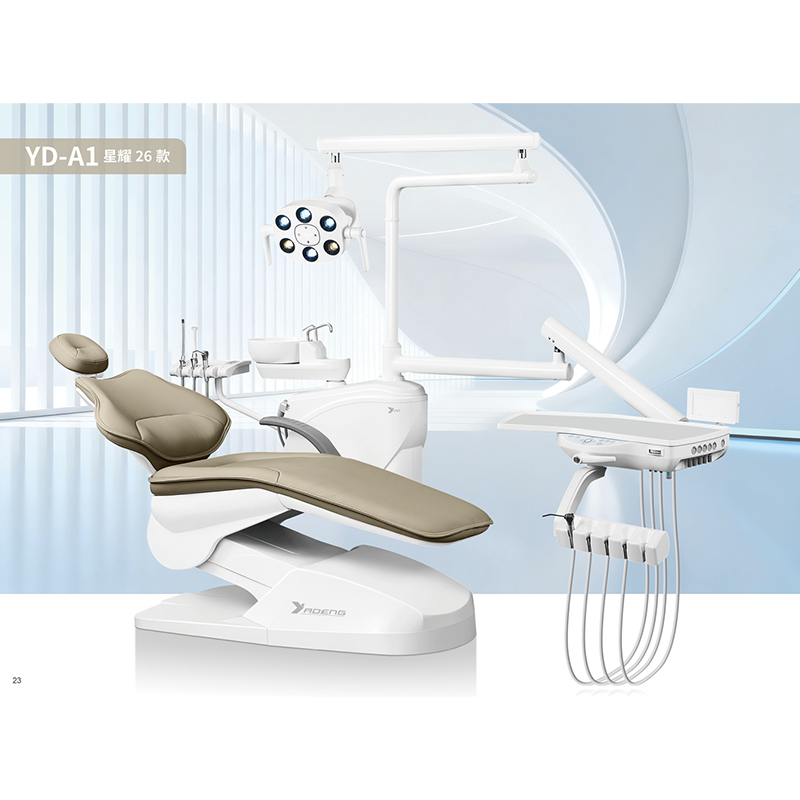
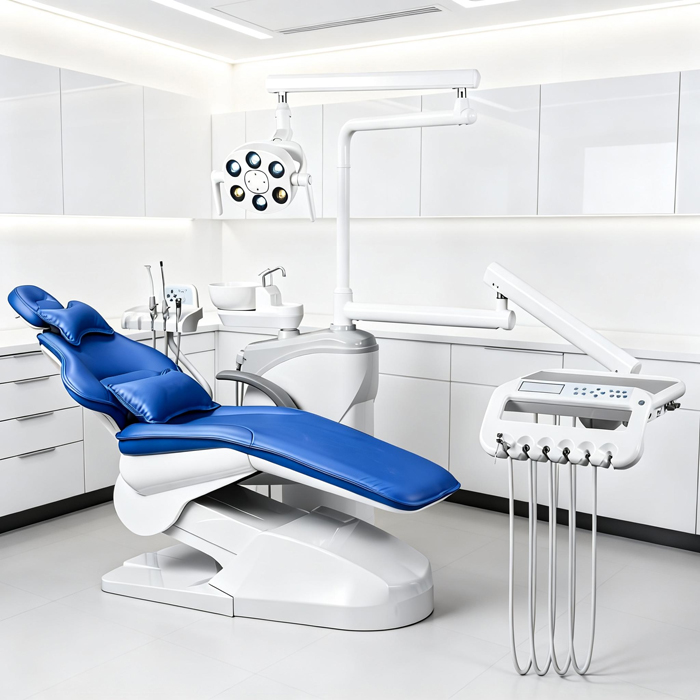
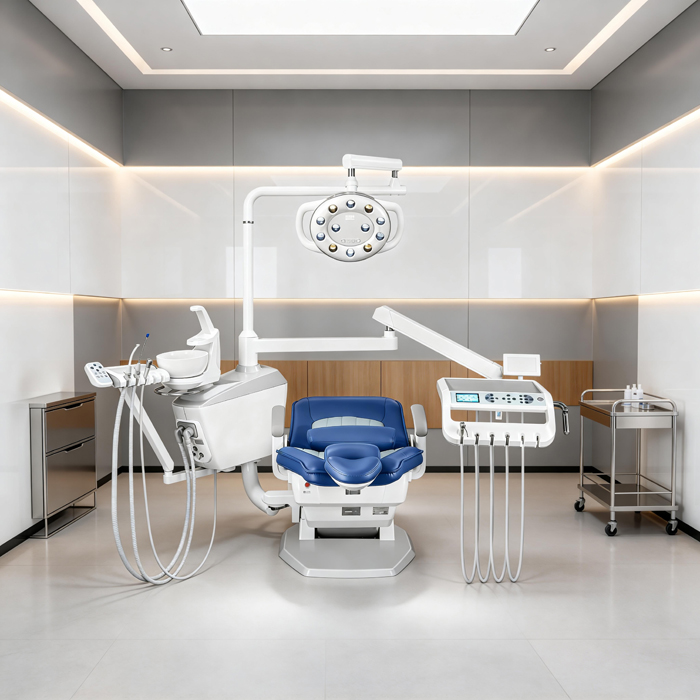
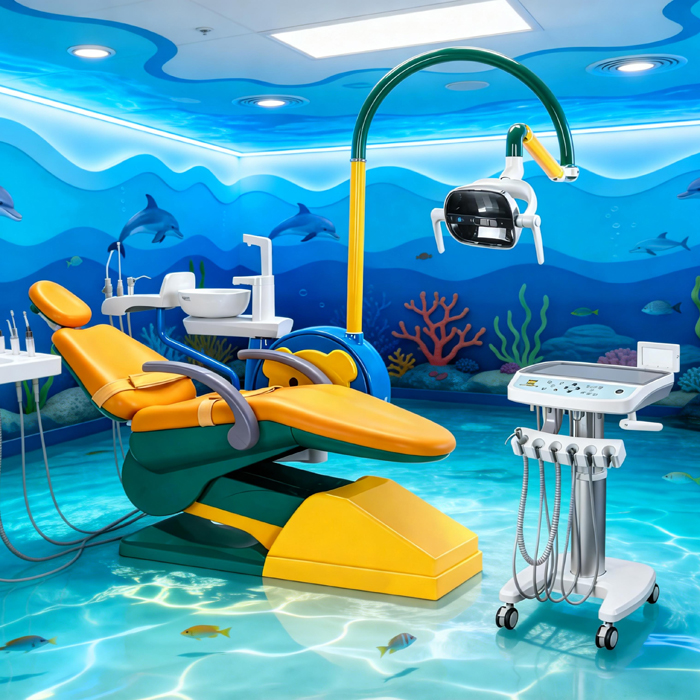
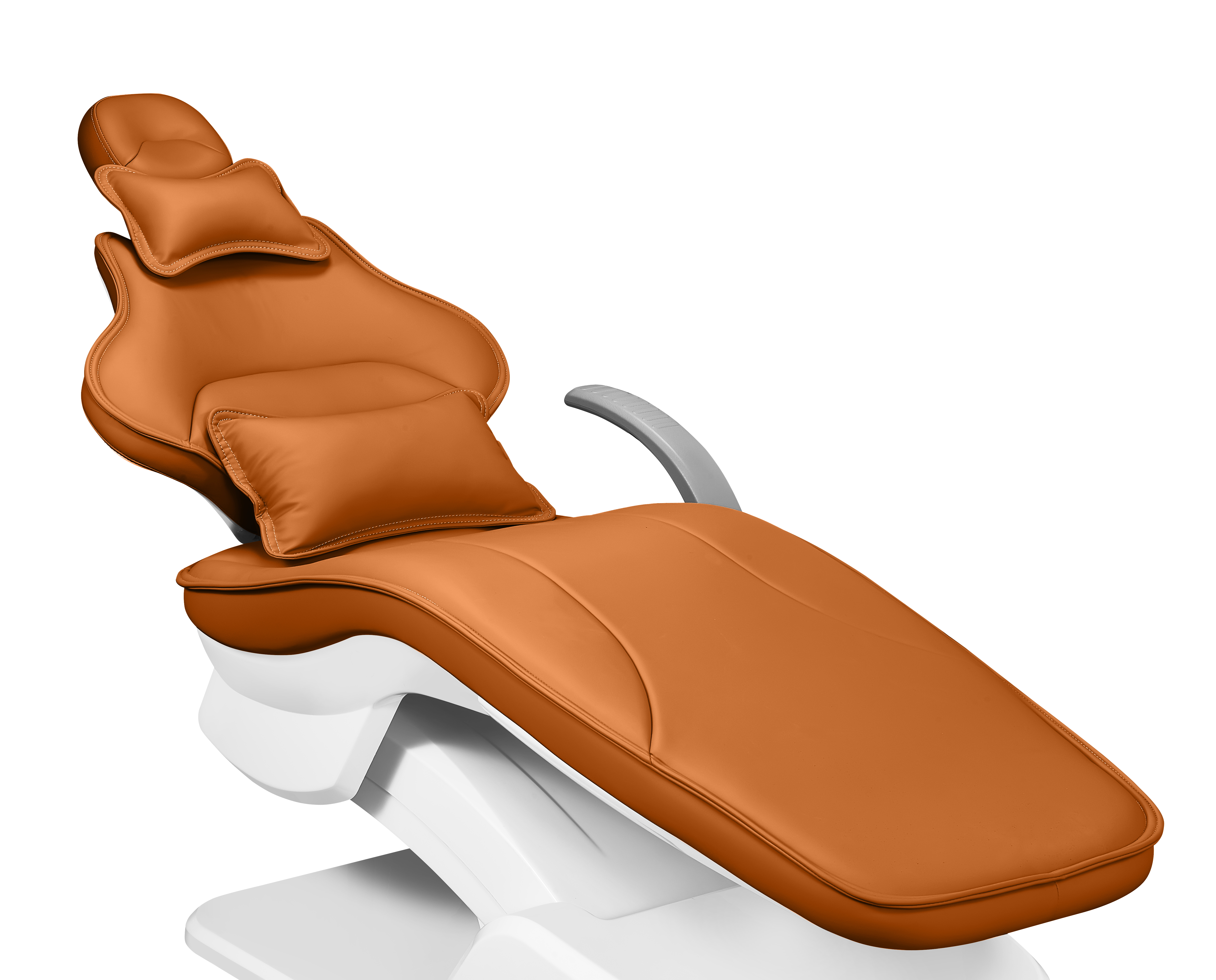
A dental chair unit is the core integrated system used in modern dental clinics to support diagnosis and treatment. It combines multiple functional modules into one coordinated workstation, allowing dentists and assistants to operate efficiently while ensuring patient comfort and clinical safety. A typical unit is composed of an assistant’s unit (nurse side box), operating light, instrument tray system, and floor box, all working together through connected water, air, and electrical systems.
1. Overall Structure of a Dental Chair Unit
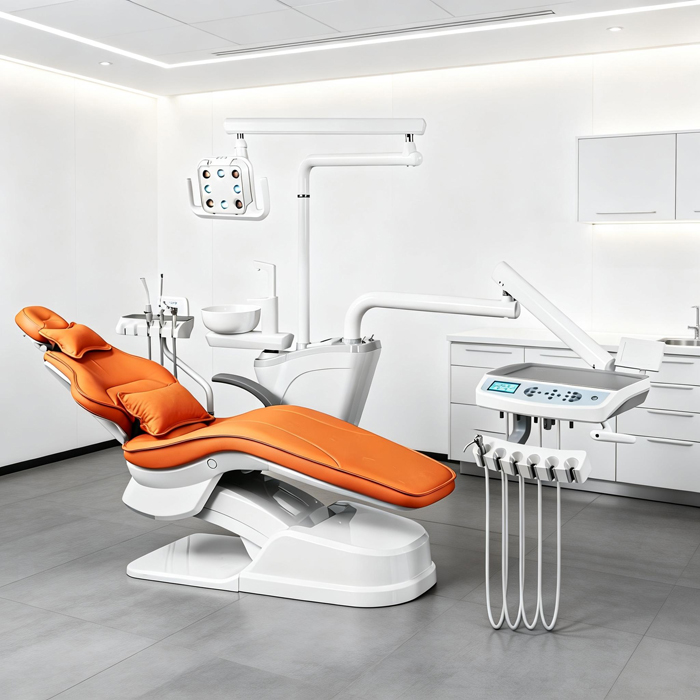
A complete dental chair unit generally includes four main components:
Assistant’s unit (nurse side control box)
Operating light system
Instrument tray system
Floor box (utility connection system)
Each part plays a specific role in supporting dental procedures, from patient rinsing and suction to instrument handling and illumination.
2. Assistant’s Unit (Nurse Side Function System)
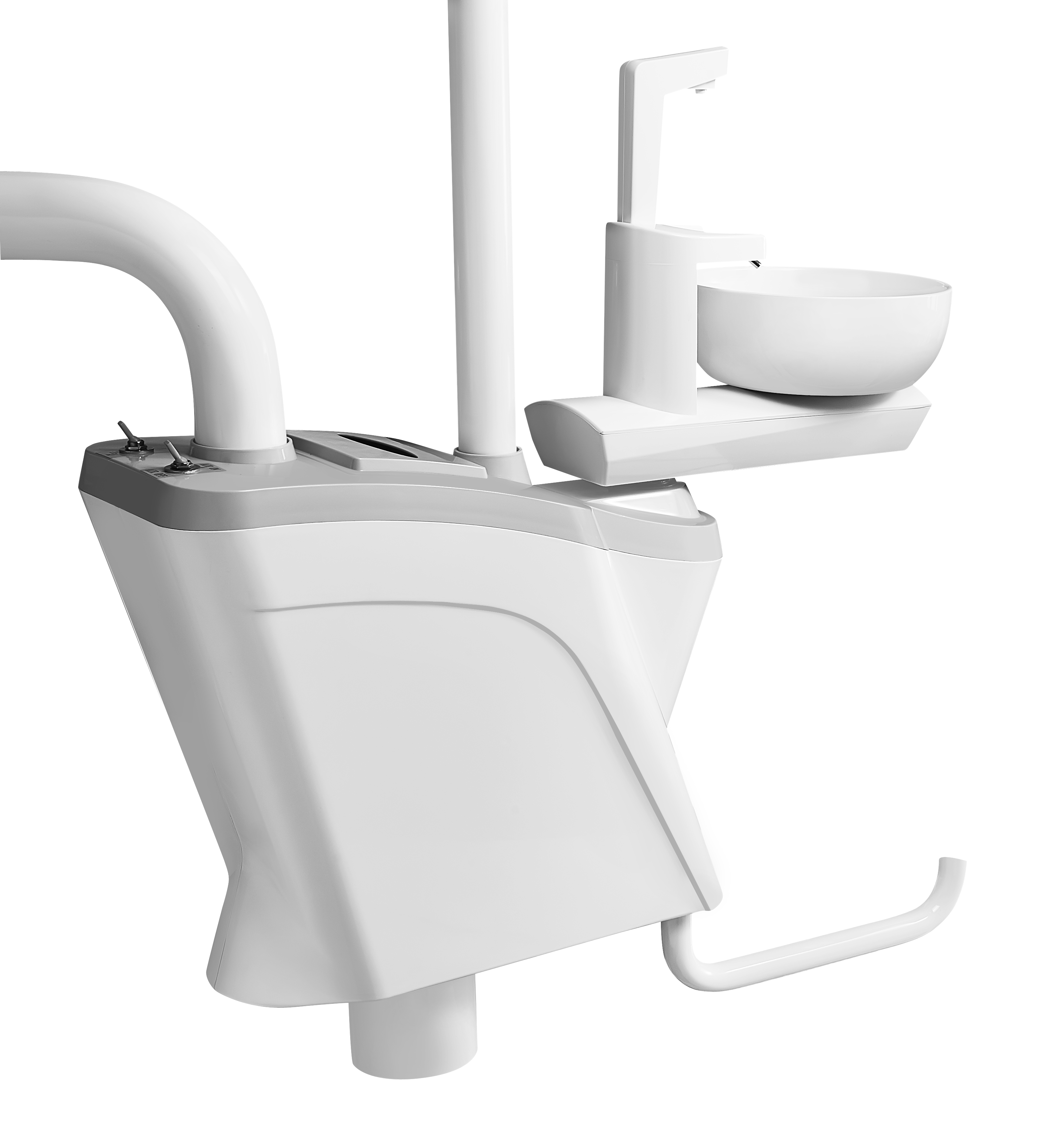
The assistant’s unit is designed to help coordinate treatment between the dentist and the dental assistant. It integrates essential water, air, and suction functions.
Core functions include:
Rinsing water system: Provides water for patients to rinse their mouth. Some models include heating and precise dosing features.
Cuspidor flushing system: Automatically cleans the spittoon bowl, and may include timed flushing functions.
Saliva ejector (suction system): Removes saliva, blood, and fluids from the patient’s mouth during treatment.
Additional supporting functions:
3-way syringe: Used by the assistant to assist in drying, rinsing, and air spraying during procedures.
Control panel system: Allows the assistant to adjust chair position, operating light, and other settings for smooth coordination with the dentist.
Some systems also include distilled water supply integration for stable clinical use.
3. Operating Light System
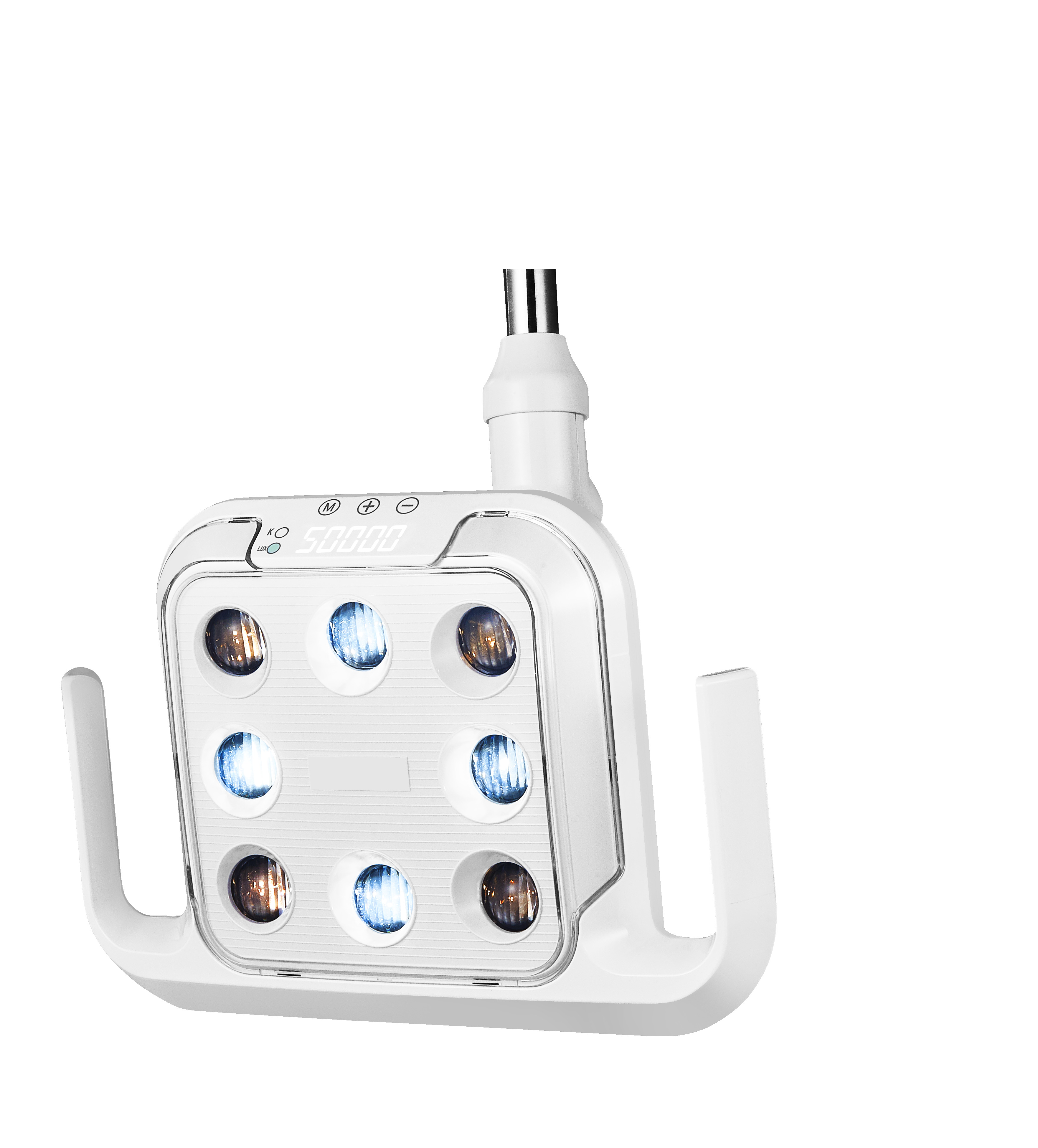
The operating light is a key component for ensuring clear visibility during dental procedures. It typically consists of a lamp head, arms (large and small), support pole, and protective cover. Modern designs often use foot control or sensor-based operation for convenience.
Brightness control modes:
Level 1 (On/Off mode): Immediate full brightness when switched on and off.
Level 2 (Dual brightness): Two adjustable levels, typically strong and weak light.
Level 3 (Stepless adjustment): Gradual brightness control from low to high intensity based on treatment needs.
Common lamp power specifications:
12V 50W
12V 55W
24V 150W
Maintenance guidelines:
Adjust the lamp gently to avoid damaging internal components or the bulb.
Clean the protective cover regularly with water, then dry before reinstalling.
For reflective surfaces, power off the unit before cleaning with a soft sterile cloth to avoid damage.
4. Instrument Tray System
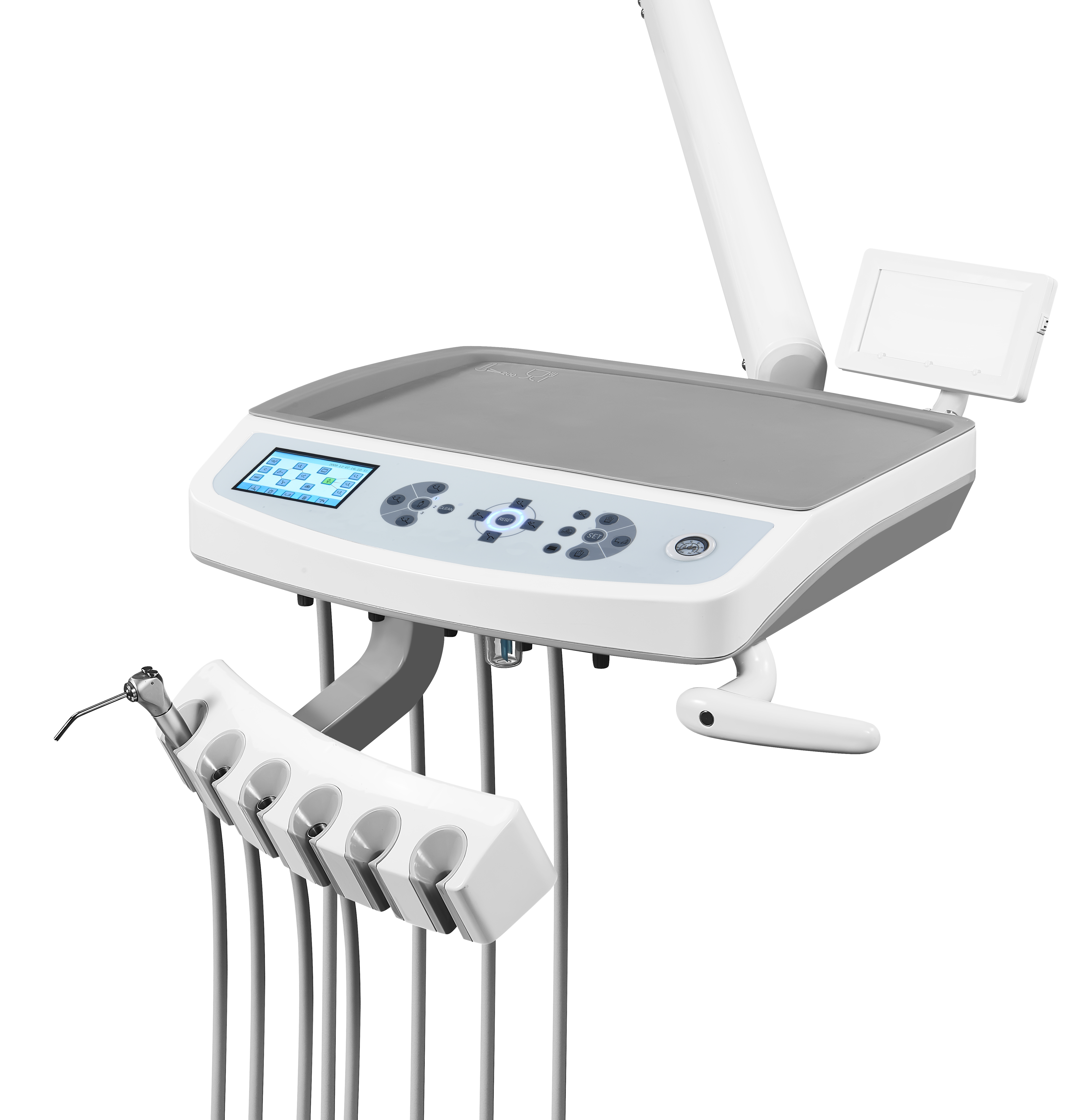
The instrument tray is where the dentist places and operates essential tools such as high-speed handpieces, low-speed handpieces, and 3-way syringes. It may also support additional devices like ultrasonic scalers or curing lights depending on configuration.
Main structural types:
1. Hanging (lower-mounted) type
This is the most commonly used structure. It offers flexible operation due to longer tubing, but instruments are more exposed to accidental collision. Some designs include protective anti-drop rings.
2. Upper-mounted type
This structure reduces the risk of instrument damage, but shorter tubing can limit mobility. In some cases, the tray must be pulled closer to the patient’s chest, which may reduce comfort.
3. Mobile cart type
The tray is designed as a movable unit, allowing flexible positioning within the working range. It also provides storage for instruments and patient records. However, the external tubing may complicate cleaning, making it more suitable for larger treatment rooms.
Functional controls:
Most instrument trays include pressure regulators for air and water. Air pressure settings should remain stable to protect handpiece bearings, while water spray can be adjusted according to clinical needs. A pressure gauge is recommended for better monitoring of system performance.
5. Floor Box (Utility Connection System)
The floor box connects the dental chair unit to external water, electricity, and air supply systems in the clinic.
Two common configurations:
1. Built-in type
Installed near the base of the dental chair and covered with a decorative shell, this design offers a clean appearance with no visible tubing. It is easier to maintain in terms of hygiene but requires precise installation and is more complex to repair.
2. External type
Usually installed beside or in front of the chair base, this structure is easier to install and maintain. However, exposed connecting pipes may affect appearance and make cleaning more challenging.
6. Maintenance and Daily Care
Proper maintenance ensures long-term stability and performance of the dental chair unit.
Regularly clean the suction filter and waste collection tank.
Flush the saliva ejector system with clean water after each patient.
Adjust cup-filling and cuspidor water flow according to seasonal or environmental changes.
Avoid overloading the instrument tray with heavy tools or materials.
Clean any spilled liquid immediately to maintain hygiene.
At the end of each working day, place instruments properly and organize the operating light and tray system to avoid damage.
7. Installation Requirements and Operating Conditions
To ensure stable operation, the dental clinic should meet the following basic requirements:
Recommended room size: 3 m × 3.5 m (with side counters)
Optimal room size: 3.5 m × 4 m (with two or three side counters)
Power supply: 220V / 50Hz / 1KW
Air pressure: 0.5 MPa (5 kg)
Water pressure: above 0.2 MPa (2 kg)
A dental chair unit is not just a piece of equipment—it is a fully integrated clinical system. Understanding its structure and working principles helps ensure better performance, longer lifespan, and improved efficiency in daily dental practice.
