

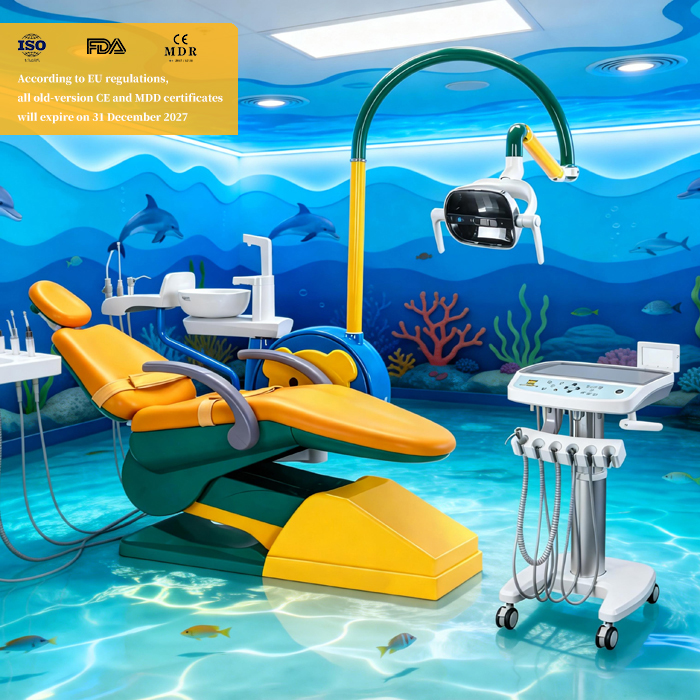
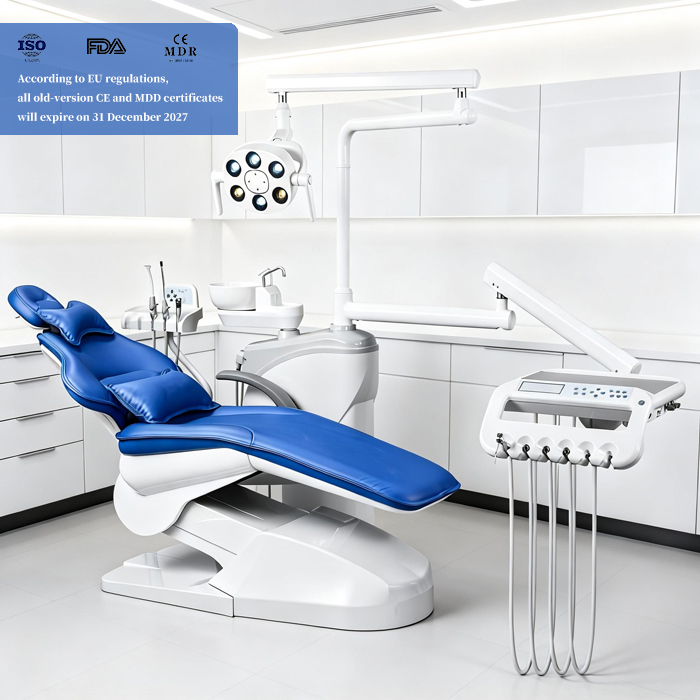
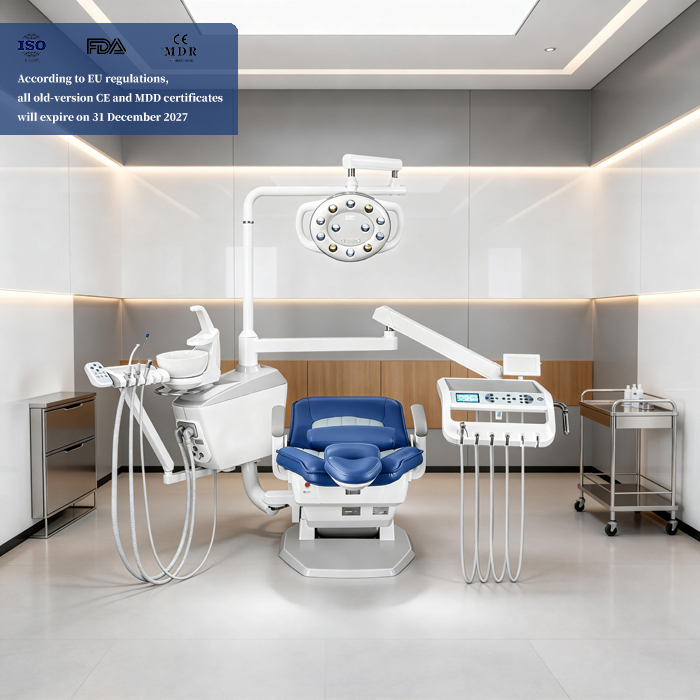
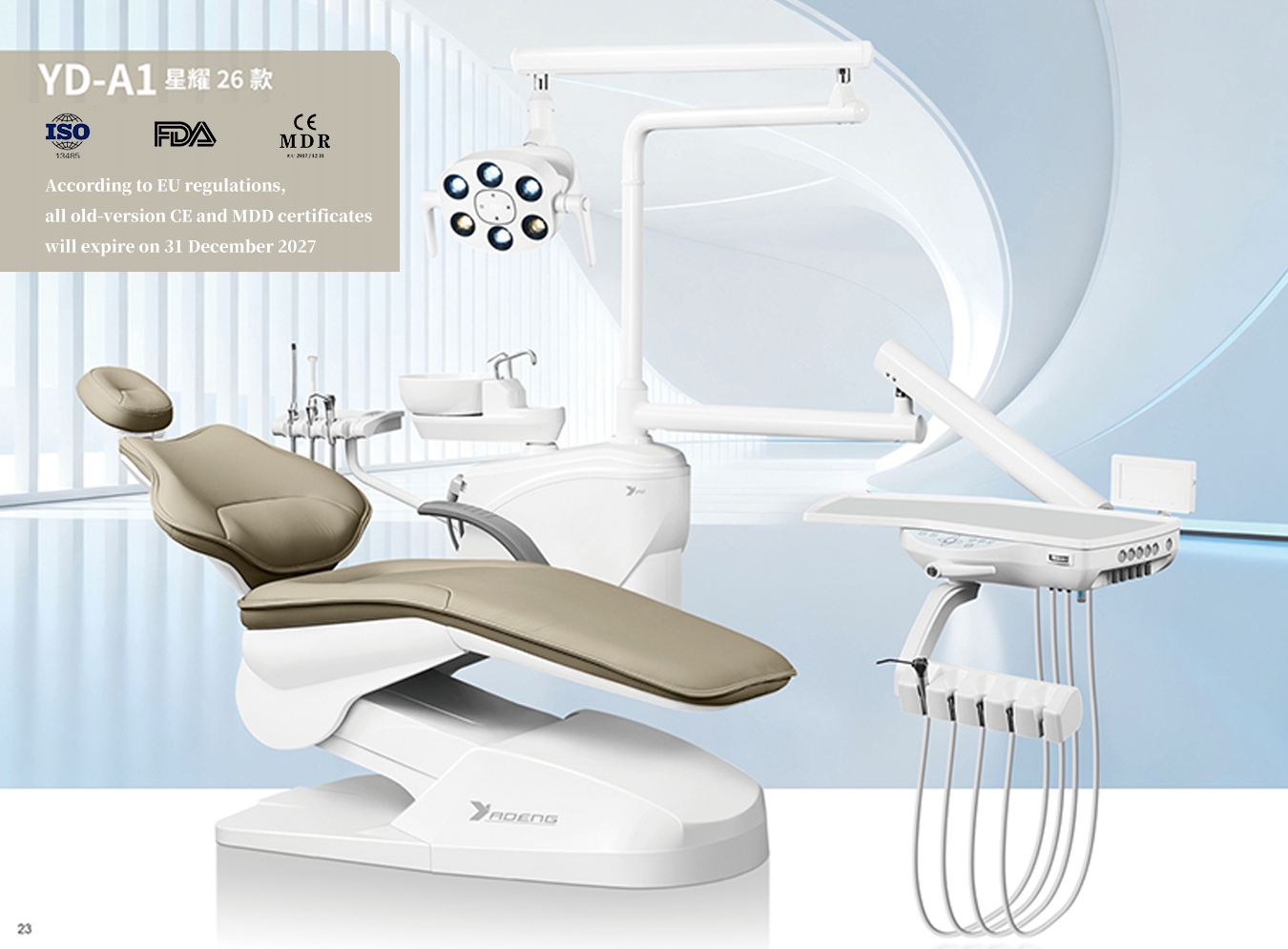
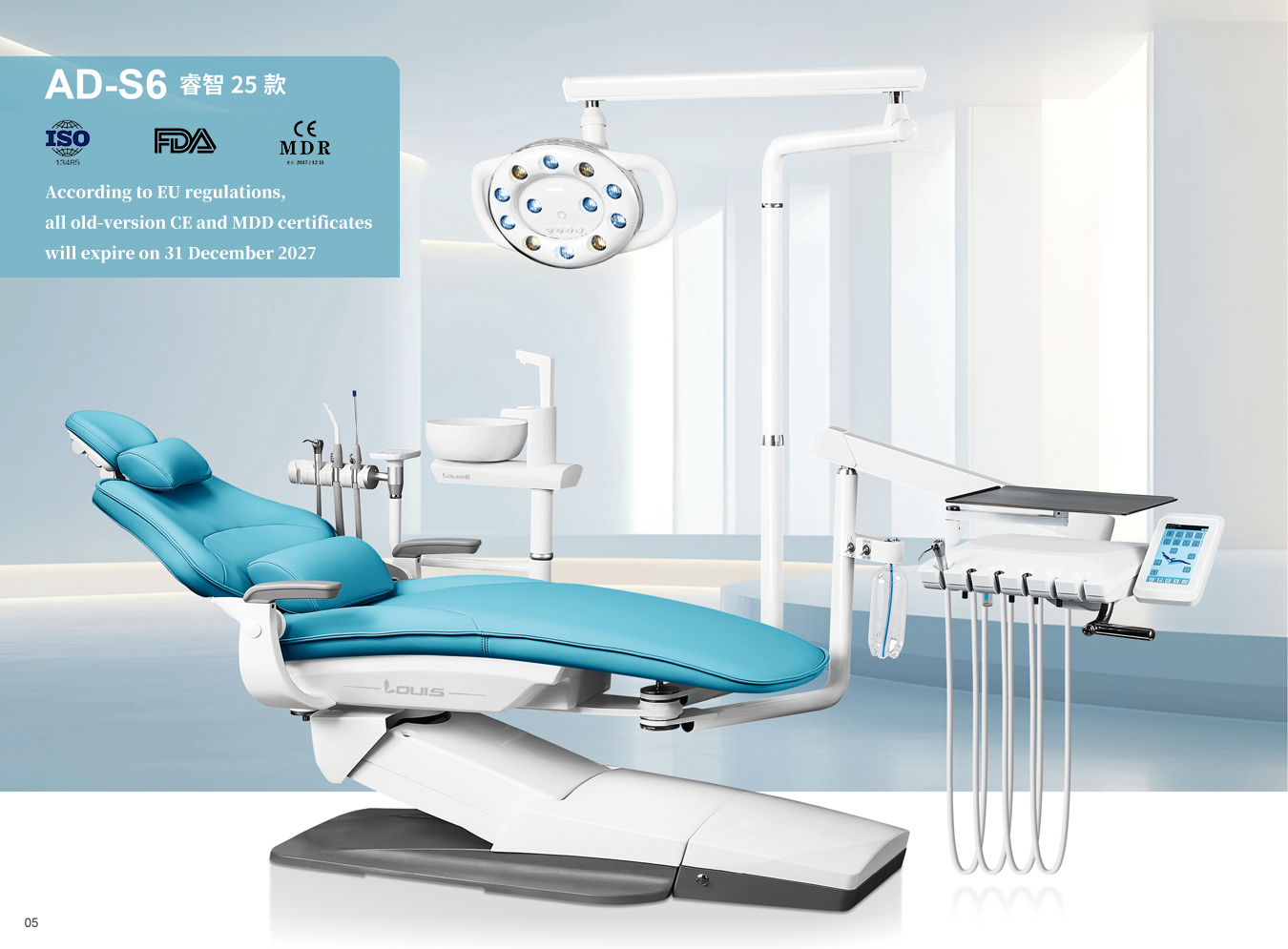
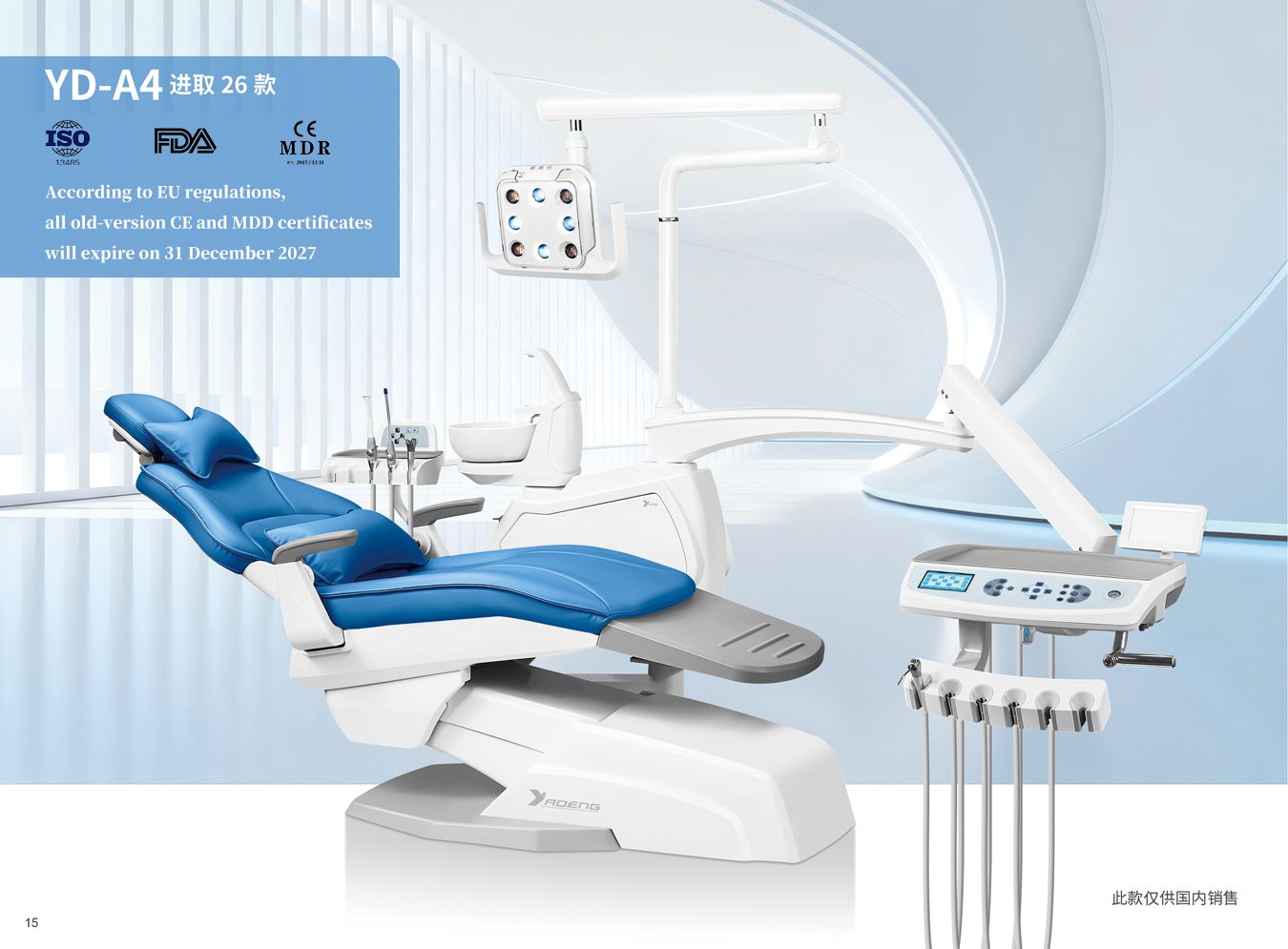
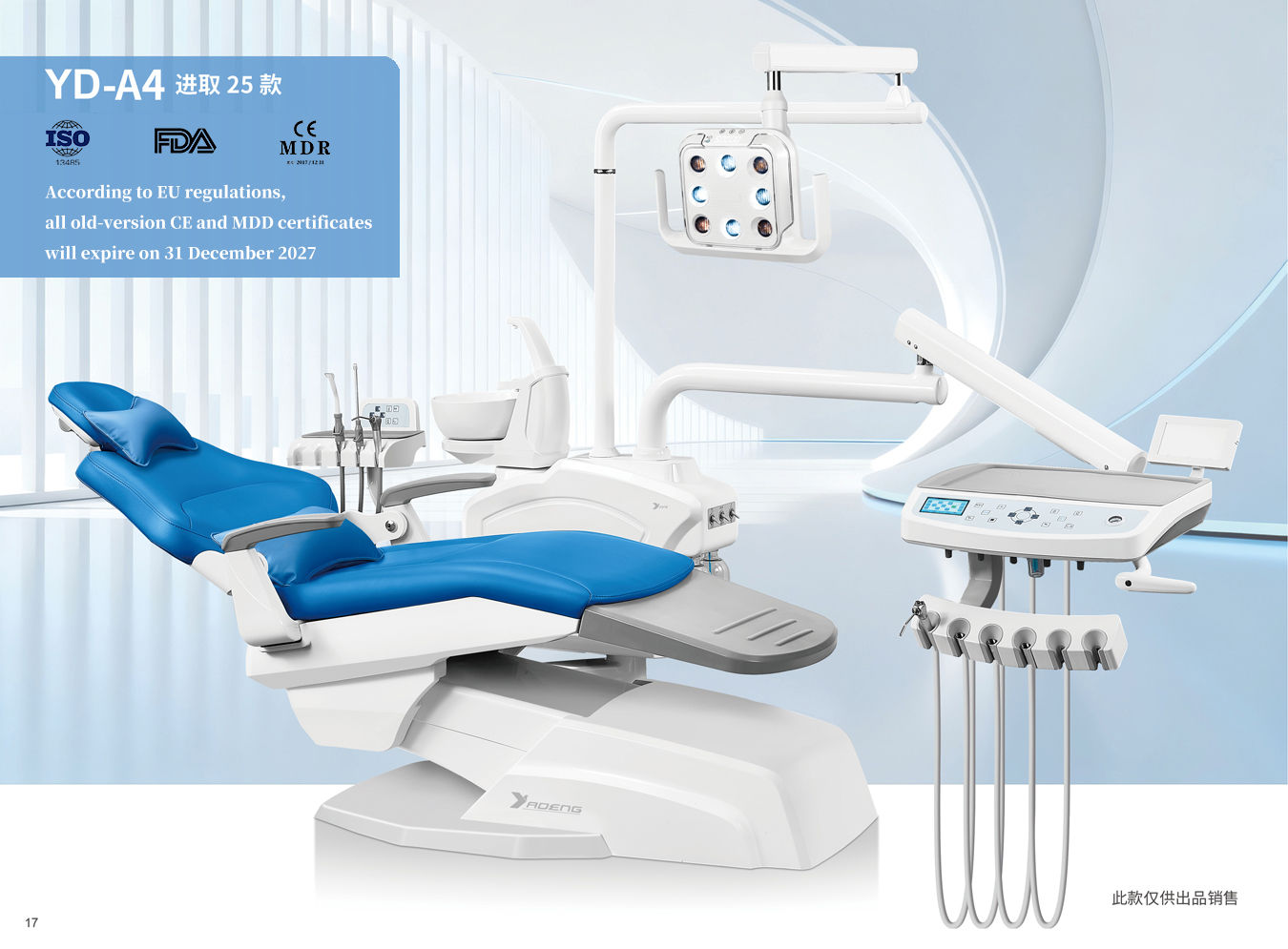
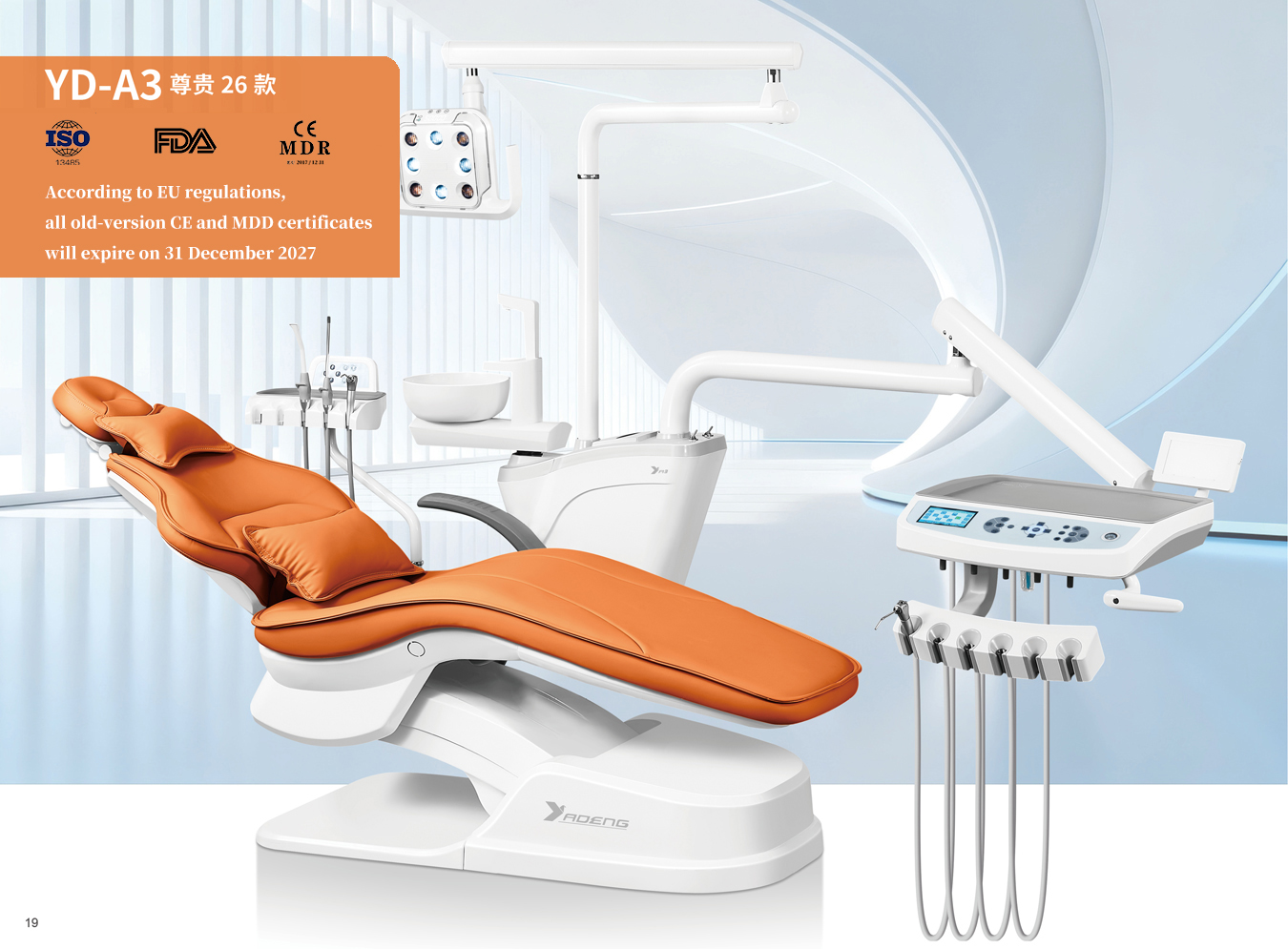
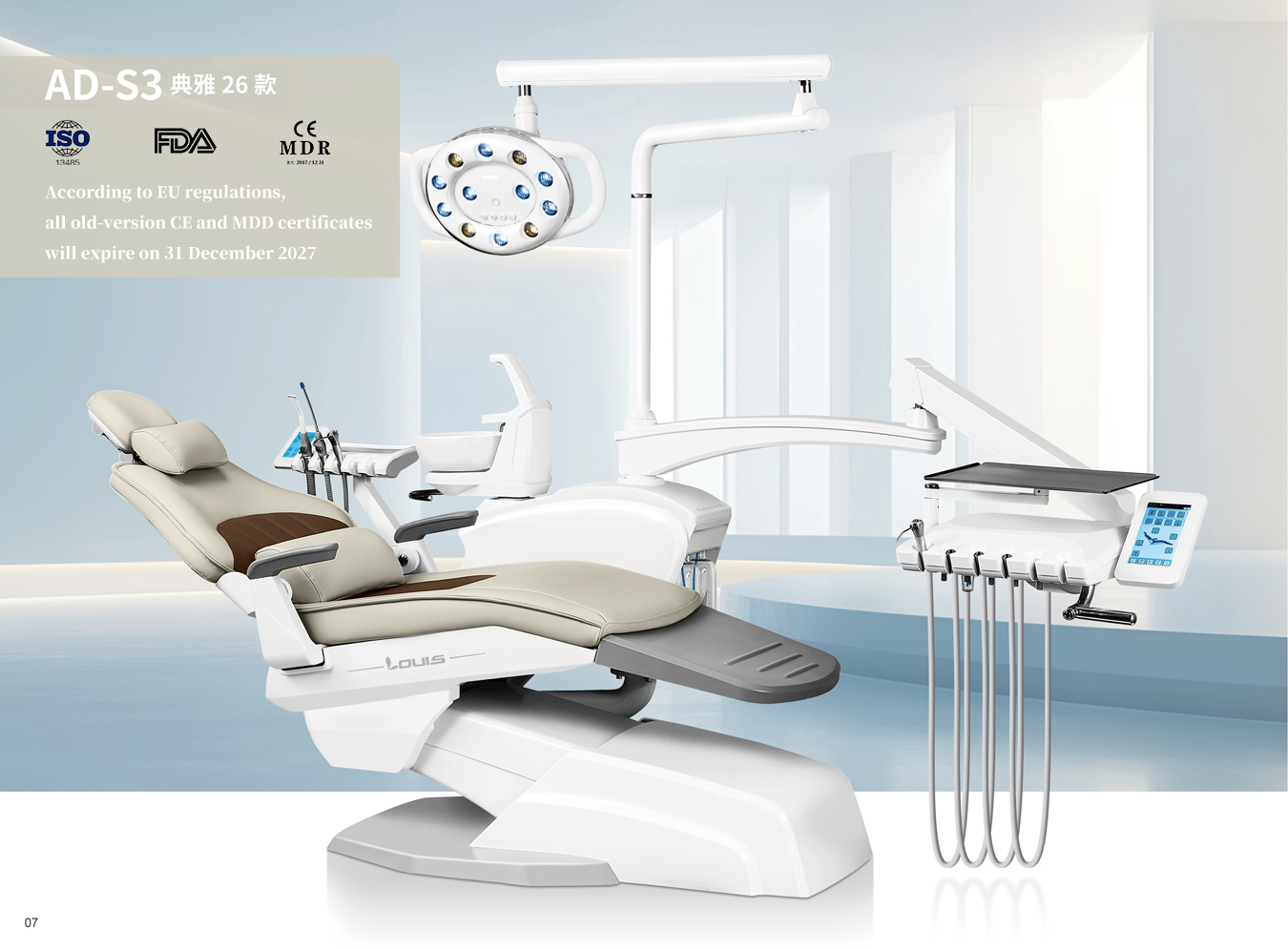
When opening a dental clinic, one of the most important decisions is choosing the right dental chair.
Selecting suitable equipment, instruments and materials is one of the most important aspects of setting up a dental practice. When setting up a clinic, it is important to strike a balance between cost-effectiveness and quality, rather than blindly pursuing high-end equipment or making excessive cutbacks that compromise quality. The quantity and grade of equipment should be determined according to your financial capability, clinic positioning, treatment services and target patient group.
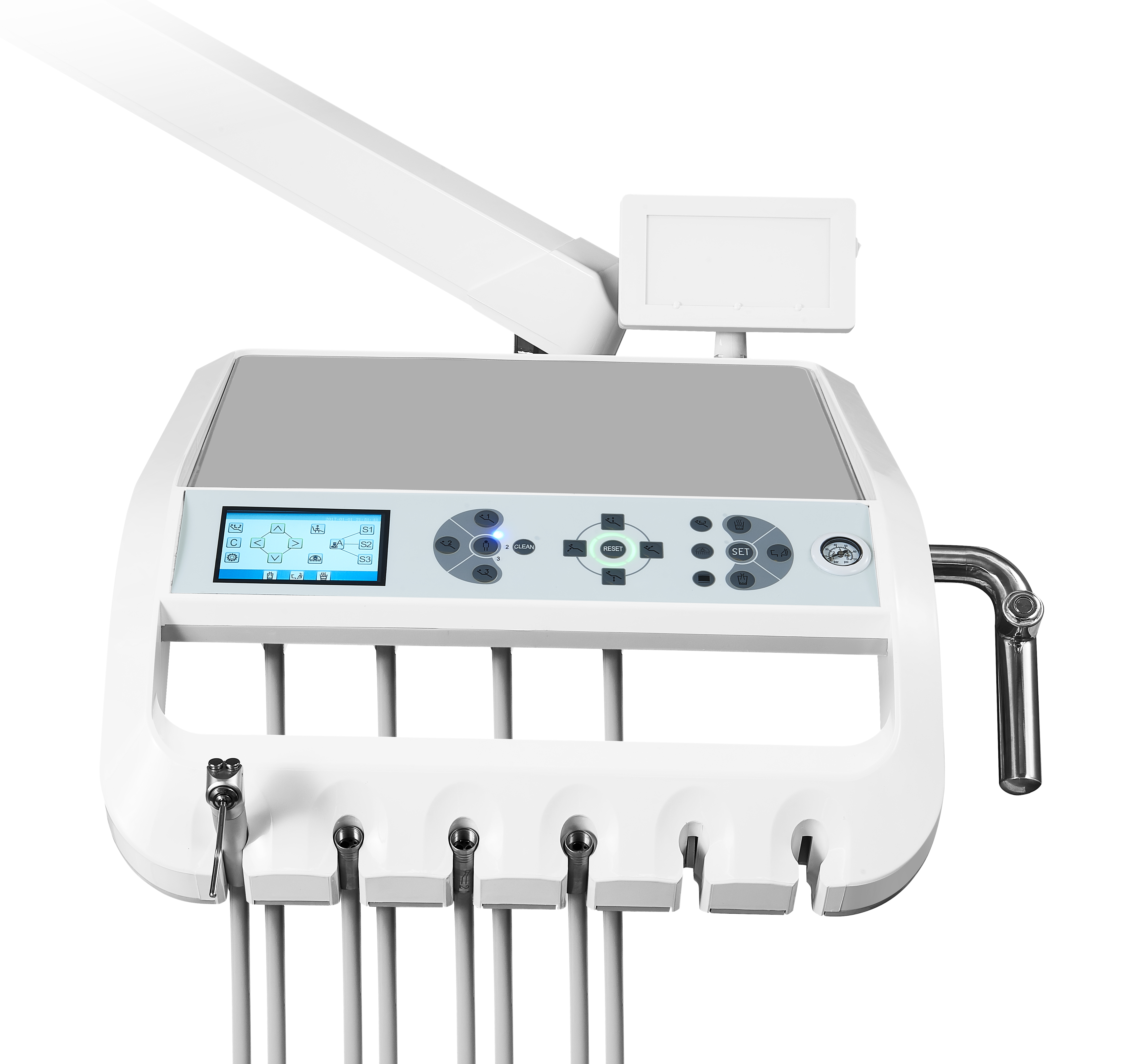
The dental chair is one of the most essential pieces of equipment in any dental clinic and there are many important details to consider before purchasing one. These include how many handpieces are included, which brands they are, which auxiliary devices are integrated into the unit (such as a scaler, curing light or intraoral camera), whether it is equipped with fibre optics and what materials the cuspidor and chair upholstery are made of. These factors should be selected according to your actual needs. You can also request customised modifications from the supplier to better meet your requirements. For instance, the cuspidor material should be smooth and wear-resistant to reduce the likelihood of yellow stains developing and to make cleaning easier.
Firstly, consider whether the dental chair has an elegant design and precise craftsmanship.
In today's society, people are becoming increasingly sensitive to aesthetics. Therefore, for dental clinics, the dental chair is not just a treatment tool, but also an important element of the interior design. Its lines, colours and textures reflect the clinic’s style and the dentist’s personal taste, influencing patients’ impressions and their overall treatment experience. Consequently, a professional dental chair should feature a highly refined design and excellent craftsmanship.
· Are the chair’s lines simple and smooth?
· Does the color scheme follow modern design trends? Are there enough color options?
· Does every part of the chair present a premium texture and fine workmanship?
· Are the joints and movements smooth and flexible?
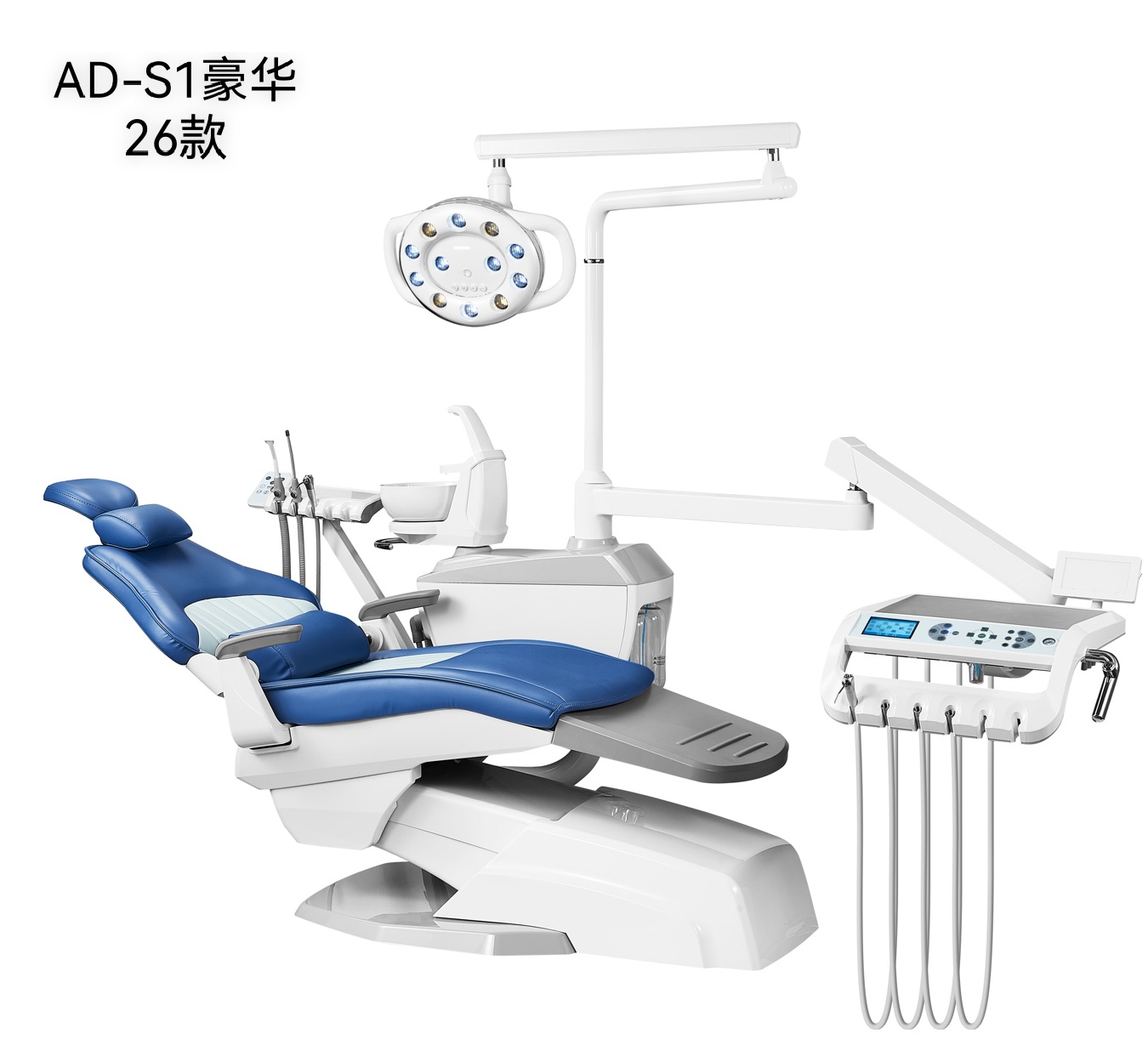
A high-quality dental chair should be stable no matter how it is installed. When sitting on it, it should feel solid and secure, without shaking. Many poorly designed chairs feel unstable and uncomfortable even before treatment begins. Can such a chair truly provide a comfortable experience for dentists and patients alike? Can it reduce maintenance costs? Pay attention to whether the patient seat and backrest shake when lifted and whether the operating noise is excessive. Generally, split-type dental chairs are more complicated to install than integrated models, but they are often much more stable.
Based on our extensive research and user feedback from dental professionals, stability is one of the most important features for dentists. The success of dental treatment depends directly on how stable the chair is. If the chair is unstable, patients may feel insecure during treatment, and excessive movement can reduce efficiency and affect precision in the treatment.
Therefore, stability is the second most important factor to consider when evaluating a professional dental chair.
· What is the maximum load-bearing capacity of the chair?
· After shaking the chair forcefully, how quickly does it return to a stable state?
· When patients sit down, stand up, or rinse, do the operating light and instrument tray remain stable without displacement?
Instead of paying for unnecessary features, choose a dental chair that truly suits your needs.
While sales representatives may emphasise advanced features such as automatic disinfection systems and multimedia integration, you should ask practical questions. However, you should ask practical questions. For example, does the automatic disinfection system require technicians from the manufacturer to operate it regularly, or can it be handled independently? Generally speaking, the more functions a chair has, the more complicated its structure becomes and the higher the maintenance costs. Therefore, it is important to choose a chair that matches your actual requirements. Basic treatment functions and essential safety features are often sufficient.
Durability and sterilisation resistance are also critical considerations.
These factors directly impact clinic operating costs and equipment failure rates. Dental chairs are fundamental medical devices in every clinic. If a chair frequently breaks down or exceeds its service life, not only will operating expenses increase, but compliance risks may also be created. A professional dental chair should be designed for long-term use, with the entire structure and all its components able to withstand frequent daily use.
· What is the registered service life of the dental chair?
· Have key components such as the operating light, foot pedal, backrest, and cushions passed reliability testing?
When maintaining a clean treatment environment, special attention must be paid to the dental chair’s waterline system and infection control.
The treatment water inside the dental chair waterline comes into direct contact with patients’ oral cavities and may even enter the body. Therefore, hygiene management is extremely important. Neglecting waterline cleaning may increase the risk of cross-contamination and infection. Regulatory authorities are also imposing increasingly strict standards on treatment water quality and infection control. In addition, the cleanliness of the clinic environment directly affects patient experience and satisfaction. Ensuring a hygienic treatment environment is a responsibility every dental clinic must take seriously.
· Can the chair achieve complete disinfection coverage of the water supply outlet, 3-way syringe, and handpiece tubing?
· Is the chair equipped with a professional disinfection system? Can it support different levels of disinfection protocols?
· Is the sewage outlet at the bottom of the chair completely sealed from the clinic drainage system?
Another important consideration is whether the dental chair allows dentists to work comfortably and efficiently.
Research shows that due to long procedures and repetitive movements, 96% of dentists experience at least one musculoskeletal pain symptom during their careers. Back and neck pain are the most common, followed by shoulder, wrist, hand, hip, knee, and ankle discomfort. A professional dental chair is designed to optimize every detail of the treatment workflow, helping dentists work more flexibly and comfortably while reducing physical strain.
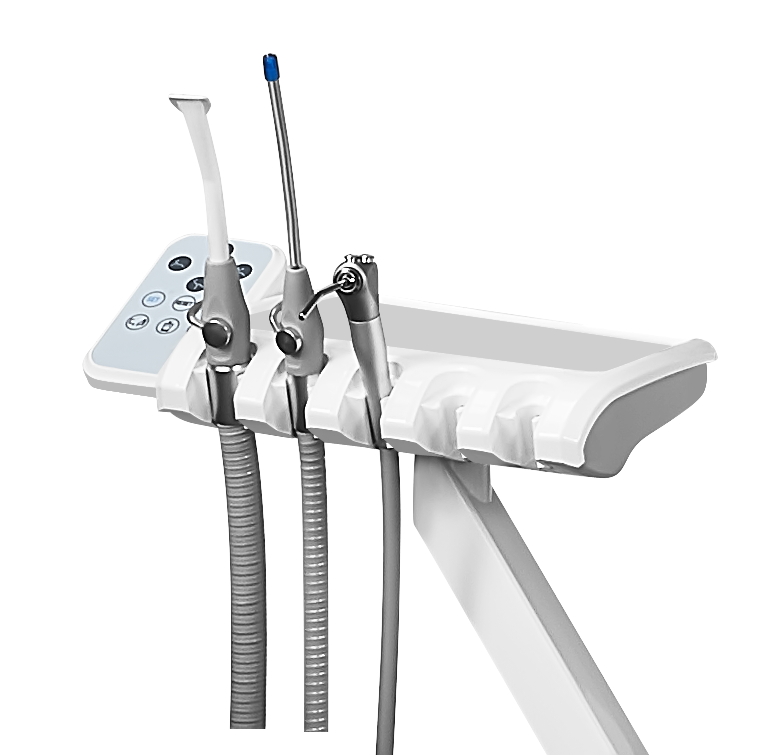
· Does repeatedly reaching for instruments on the tray feel tiring?
· How much leg movement is required when operating the foot pedal?
· Does holding the assistant suction handle for extended periods cause hand fatigue?
The user experience of a dental chair includes both the dentist’s working comfort and the patient’s treatment experience.
· Can the dentist easily access the center of the backrest from different positions while maintaining a natural sitting posture?
· Is there sufficient legroom for the dentist during operation?
· Does the dentist chair remain comfortable during long procedures?
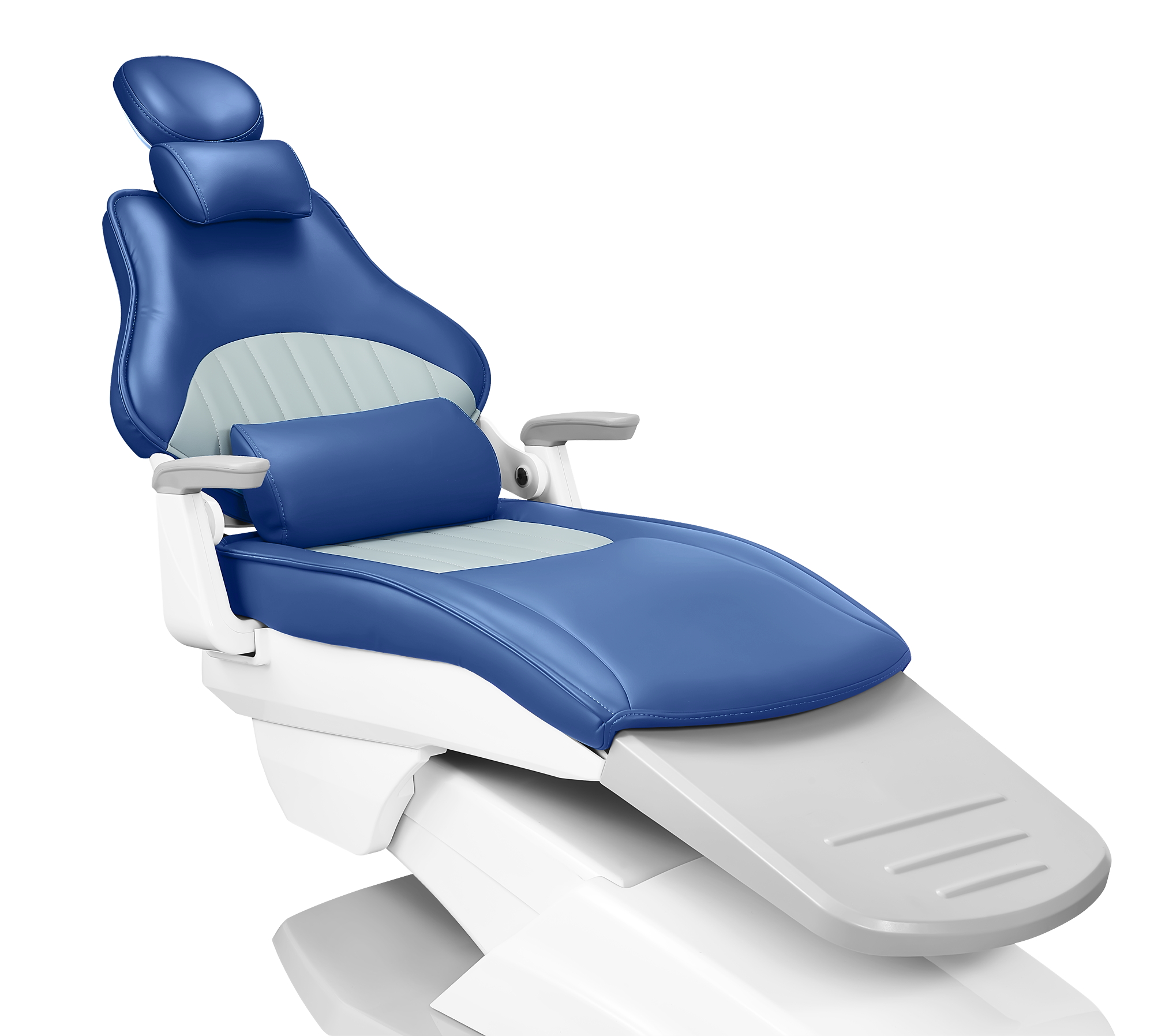
The comfort of a dental treatment chair not only affects whether patients feel relaxed during treatment, but also helps reduce anxiety, thereby improving the clinic’s reputation and patient retention rate. Professional dental chairs are carefully designed with patient comfort in mind, including the feel of the backrest and seat cushions, as well as the smoothness of reclining and lifting movements.
During treatment, the dental chair supports the patient so the dentist can perform procedures more conveniently. The design of the dental chair determines the working distance between the dentist and patient, which directly affects whether the dentist can maintain a proper ergonomic posture. Balancing patient comfort with convenient treatment conditions is one of the most important standards for evaluating a professional dental chair.
· Is the cushion thickness, firmness, and elasticity appropriate? Does the surface feel smooth and comfortable?
· Does the chair remain smooth and stable during lifting and reclining movements?
A dental clinic is a professional environment for oral diagnosis and treatment. To provide high-quality dental services, choosing the right dental chair is the critical first step. As the primary equipment patients interact with during treatment, the quality and performance of the dental chair directly affect patient comfort and the dentist’s efficiency. By carefully evaluating every detail during the purchasing process, clinics can reduce long-term operating costs while ensuring the equipment meets both performance and quality standards.
