
Best Practices for Cleaning and Disinfecting Dental Treatment Units
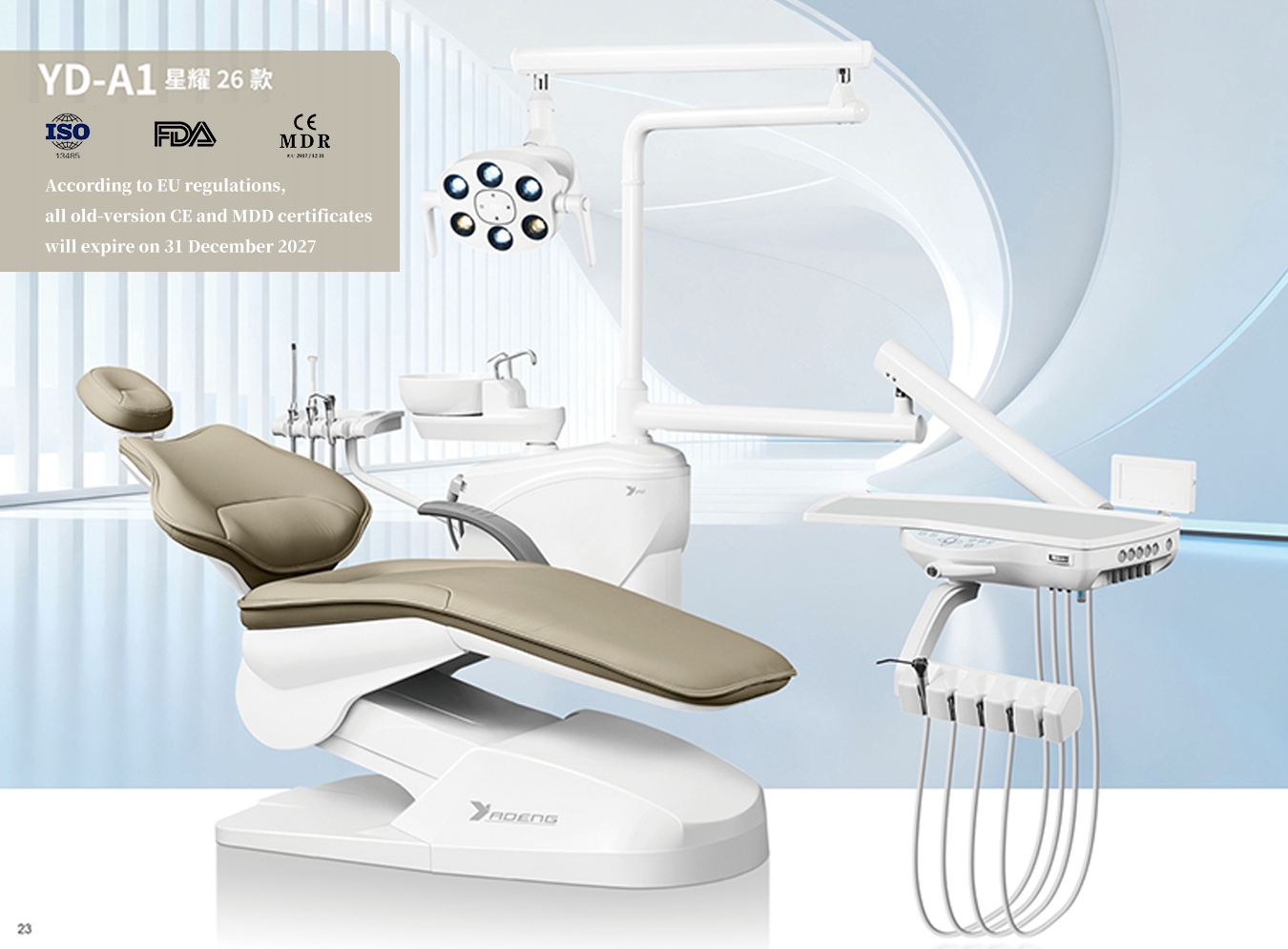
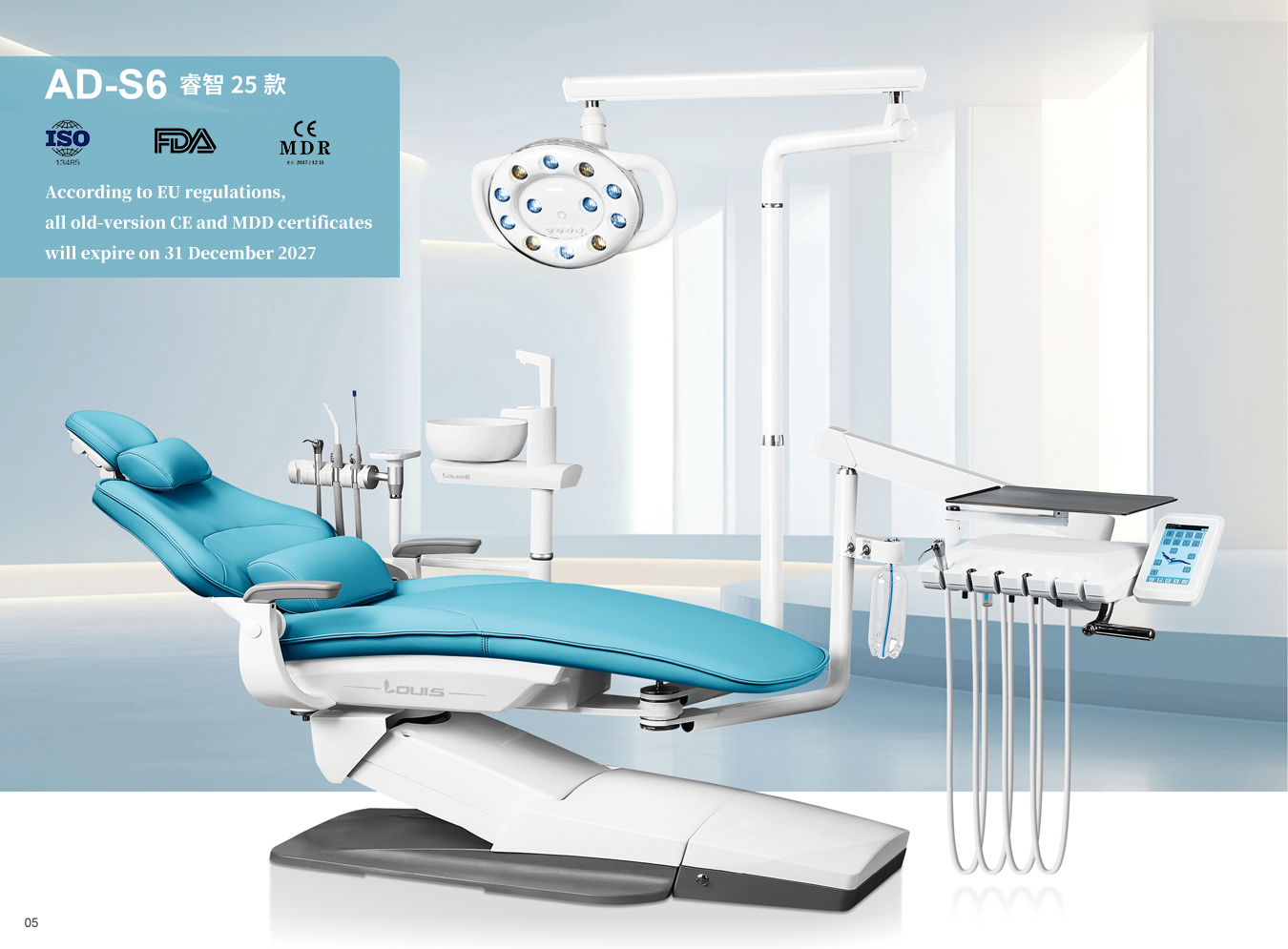
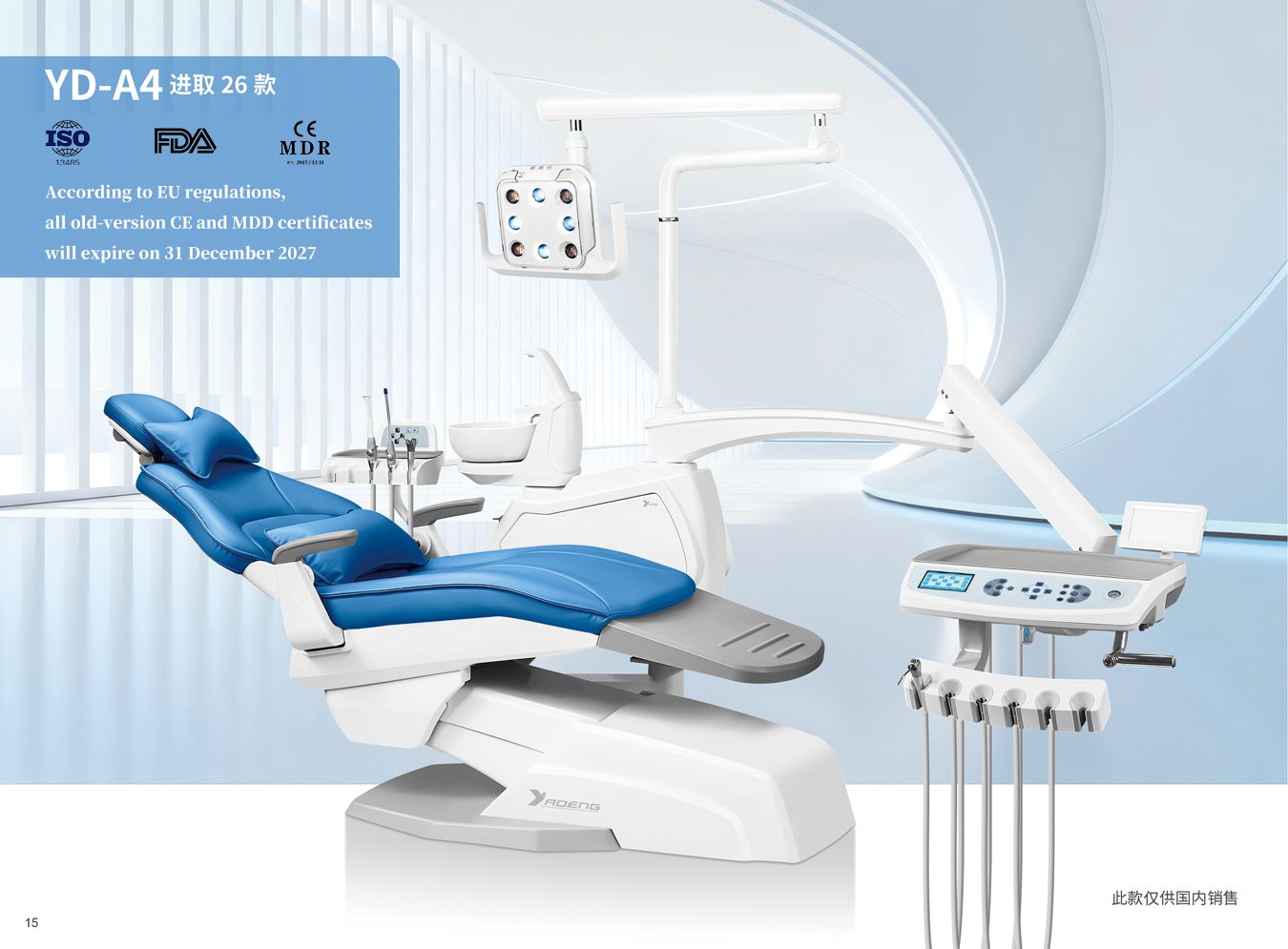
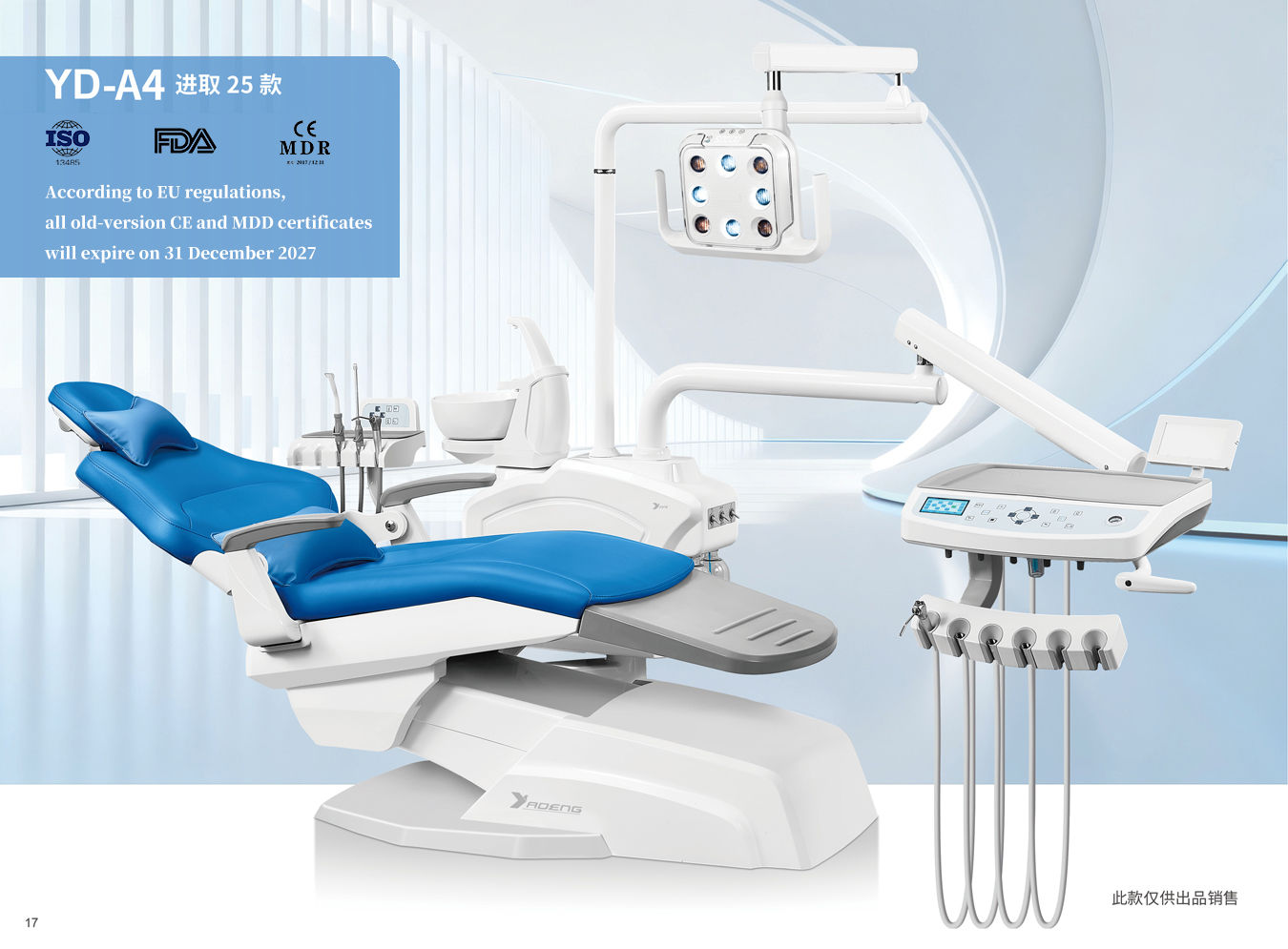
In modern dentistry, excellent clinical skills alone are not enough to ensure patient safety. A clean treatment environment and strict infection control protocols are equally important in protecting both patients and dental professionals. As one of the most frequently used pieces of equipment in a dental clinic, the dental treatment unit plays a central role in daily treatment procedures and infection prevention.
Proper cleaning and disinfection of the dental chair not only help reduce the risk of cross-contamination, but also improve equipment durability, maintain treatment efficiency, and enhance patient confidence in the clinic environment.
To maintain a safe, hygienic, and professional dental practice, dental clinic staff should pay close attention to the following cleaning and disinfection procedures.
I. Before Opening the Clinic Each Day
1. Clean and Disinfect the Dental Treatment Unit Surface
All surfaces of the dental chair should be cleaned and wiped down before the first patient arrives.
It is recommended to:
Use one clean cloth per dental chair
Use disinfectant wipes or cloths containing approved disinfectant solutions
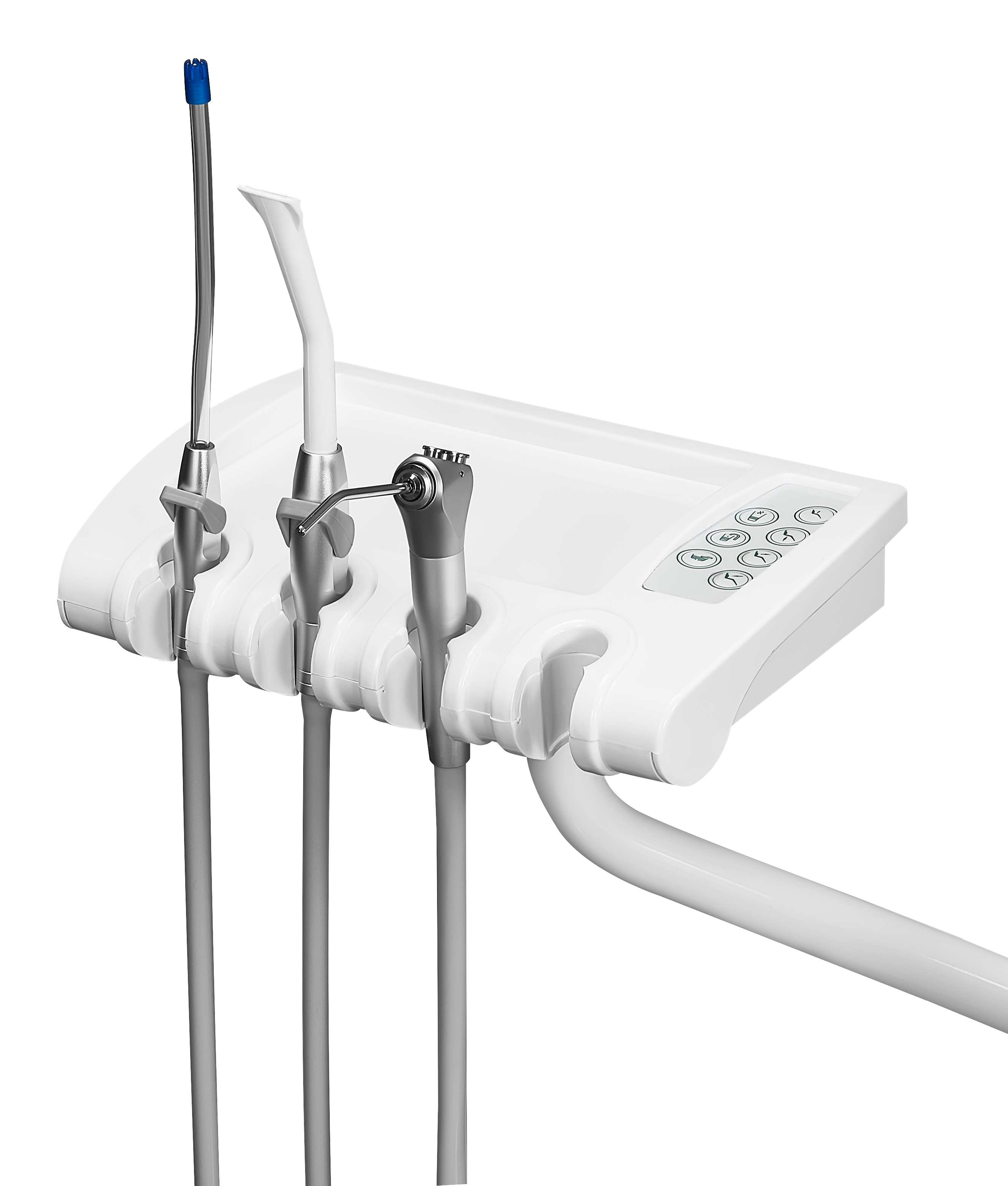
Pay special attention to frequently touched areas such as armrests, handles, control panels, and instrument trays
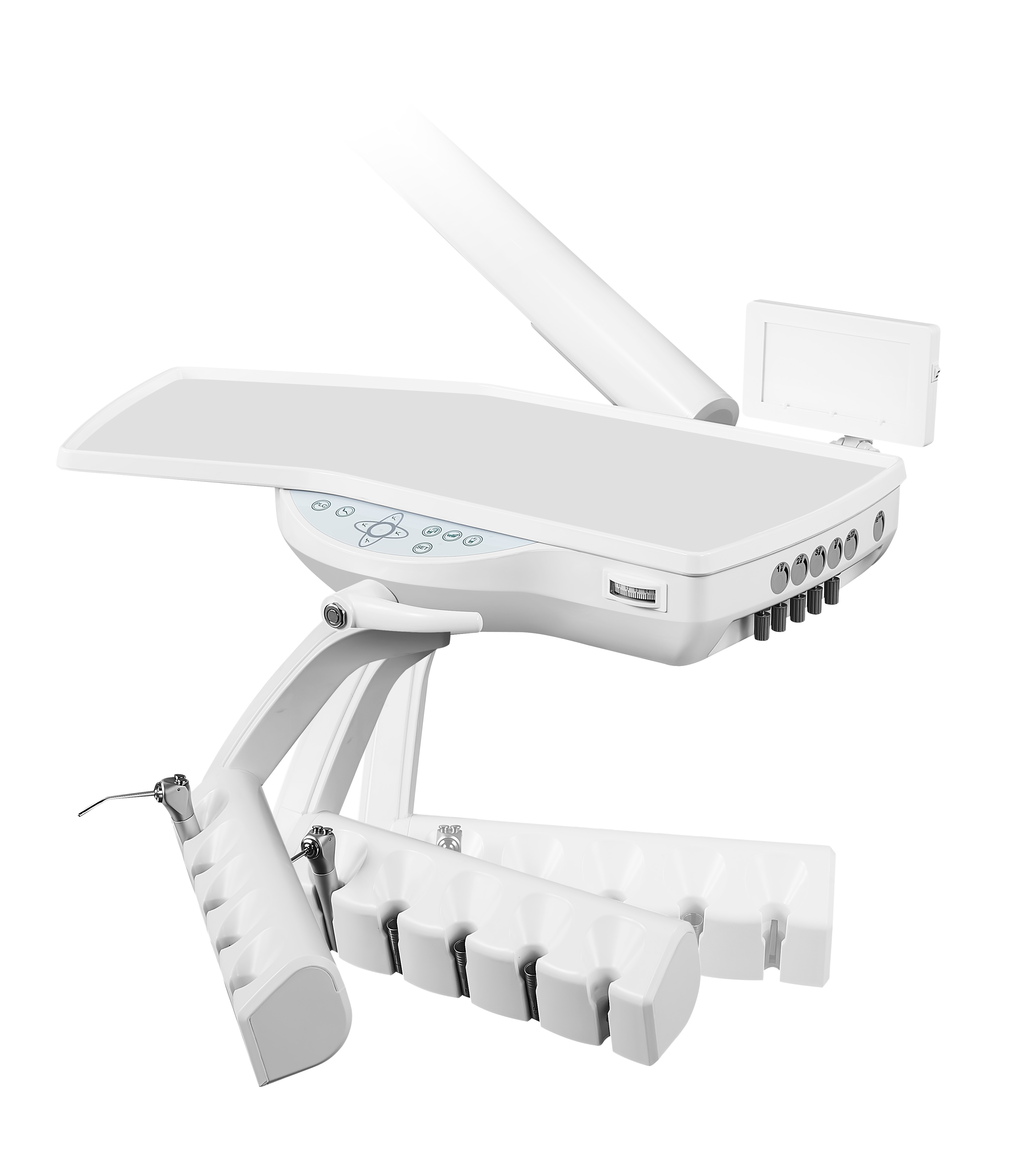
Regular surface disinfection helps minimize bacterial contamination and maintains a professional clinical appearance.
2. Flush and Disinfect Dental Waterlines
Before daily treatment begins, flush the dental unit water system for 2–3 minutes.
This process helps:
Reduce microbial buildup in waterlines
Improve water quality
Minimize biofilm accumulation inside tubing
Proper dental waterline maintenance is essential for infection control and long-term equipment performance.
3. Apply Disposable Barrier Protection
Clinical contact surfaces should be covered with disposable protective barriers before treatment begins.
Focus on areas such as:
Control panels
Operating light handles
Chair adjustment handles
Handpiece holders
Air-water syringe connection points
Common disposable barriers include:
Protective films
Barrier paper
Transparent plastic covers
These barriers provide an additional layer of protection against contamination during procedures.
II. During Patient Treatment
1. Follow “Clean and Disinfect After Every Patient” Protocols
During daily operation, all clinical surfaces should follow a strict “one patient, one cleaning and disinfection” principle.
It is recommended to use disinfectant wipes between every patient visit.
If blood or body fluid contamination occurs:
Remove visible contamination immediately using absorbent material
Thoroughly clean and disinfect the affected area
Replace damaged or leaking disposable barriers promptly
Consistent disinfection practices are critical to maintaining a safe treatment environment.
2. Keep the Rinse Bowl (Cuspidor) Clean
The rinse bowl should remain clean throughout the day.
If contamination occurs:
Clean immediately
Apply appropriate disinfectant solution
Prevent buildup of stains or residue
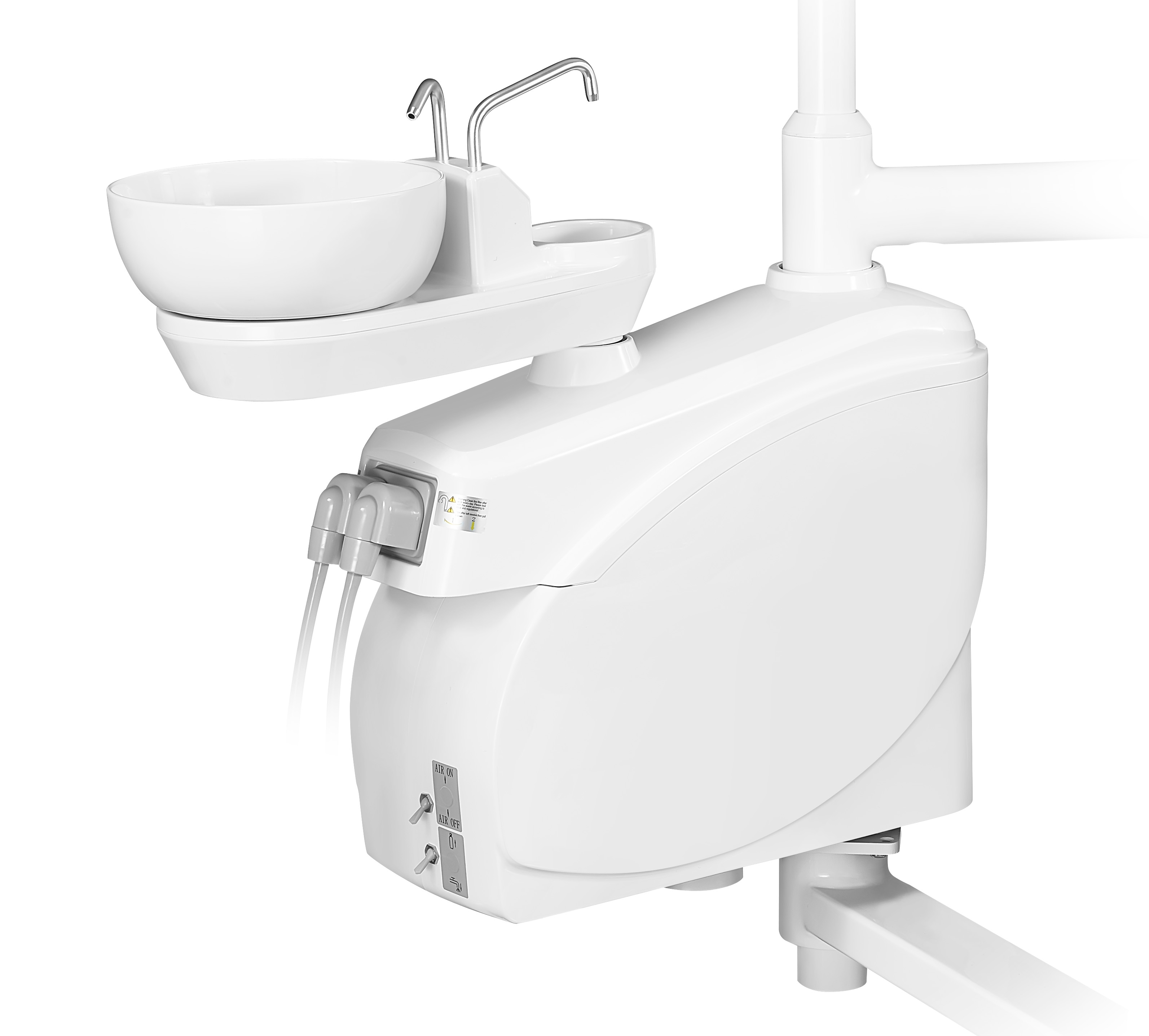
Routine cleaning improves hygiene standards and enhances patient perception of clinic cleanliness.
3. Flush Waterlines Between Patients
Before and after each patient treatment, flush the waterlines for approximately 20–30 seconds.
This simple but important procedure helps:
Reduce bacterial accumulation
Maintain fresh water circulation
Improve dental unit hygiene performance
III. After Daily Treatment Ends
1. Thoroughly Clean the Dental Unit
At the end of the day:
Remove all disposable protective barriers
Dispose of them as medical waste
Thoroughly clean and disinfect all dental chair surfaces
Cleaning should always follow the principle of cleaning cleaner areas first, followed by contaminated areas.
2. Clean and Disinfect the Rinse Bowl
The rinse bowl should be washed thoroughly with water or cleaning tools.
After cleaning:
Use chlorine-based disinfectant or an approved disinfectant solution
Carefully scrub all internal surfaces
Rinse thoroughly after disinfection if required
3. Clean Dental Waterlines and Water Bottles
If the dental unit uses an independent water bottle system, the remaining water should be emptied after daily treatment.
Proper maintenance of the independent water tank and dental waterlines is essential to prevent bacterial growth and biofilm formation.
Important Infection Control Precautions
Dental staff should always follow proper hand hygiene protocols before and after every procedure.
In addition:
Gloves must be single-use only
Gloves should be changed after every patient
Avoid touching treatment unit surfaces with contaminated gloves or hands
Strict infection control habits are fundamental to patient safety and clinical professionalism.
Choosing the Right Disinfection Products
Dental clinics should use only qualified and compliant disinfection products.
Disinfectants should:
Have valid health safety certifications or evaluation reports
Be safe for clinical personnel
Cause minimal corrosion to dental waterline materials
Avoid damaging dental instruments or restorative materials
Choosing appropriate cleaning agents helps protect both patients and equipment longevity.
Proper Cleaning and Disinfection of Dental Waterline Systems
Special attention should be paid to the cleaning and disinfection of independent water tanks and dental unit waterlines.
The disinfectant used should comply with official regulations and be applied strictly according to the manufacturer’s instructions regarding concentration and soaking time.
Why Proper Cleaning and Maintenance Matter
Cleaning and disinfecting a dental treatment unit is never just a routine task—it is a fundamental responsibility in protecting patient safety and maintaining clinical excellence.
From visible surfaces to internal waterlines, every detail matters.
By following strict infection control protocols and maintaining high equipment hygiene standards, dental clinics can:
Reduce cross-contamination risks
Extend equipment lifespan
Improve clinical efficiency
Build patient trust
Create a safer and more professional treatment environment
As modern dentistry continues to evolve, advanced dental chairs with intelligent hygiene systems, ergonomic designs, and comfort-enhancing features such as massage and heating functions are becoming an important part of improving both clinical performance and patient satisfaction.
A clean, safe, and comfortable dental environment is not only a professional standard—it is also a reflection of a clinic’s commitment to quality care.