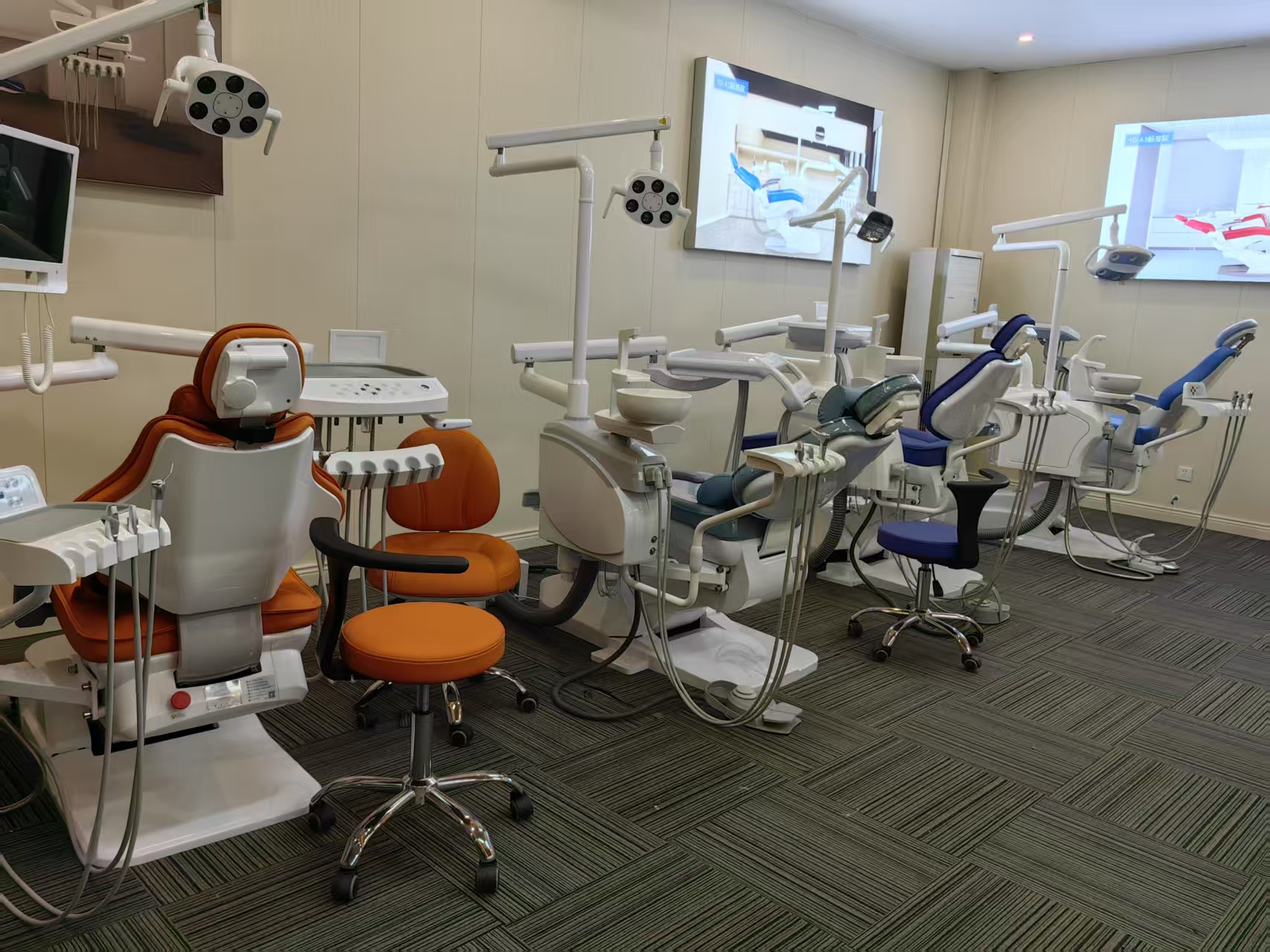

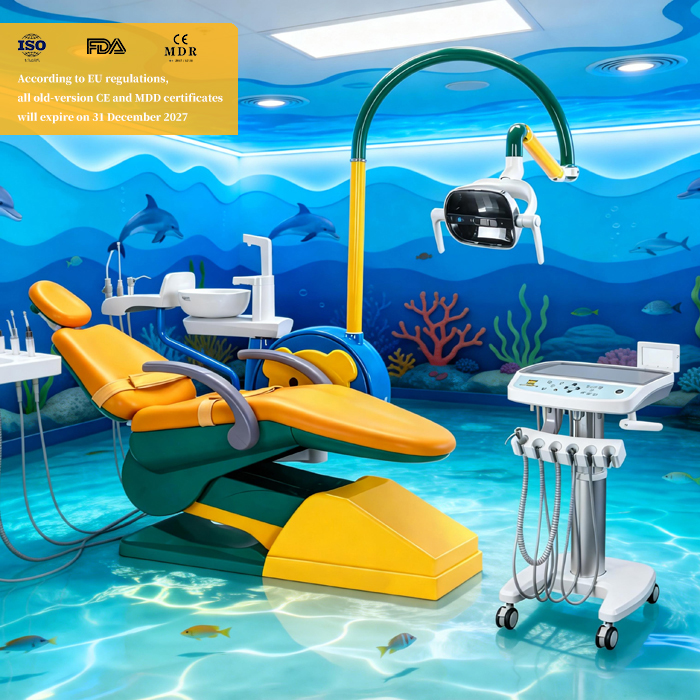
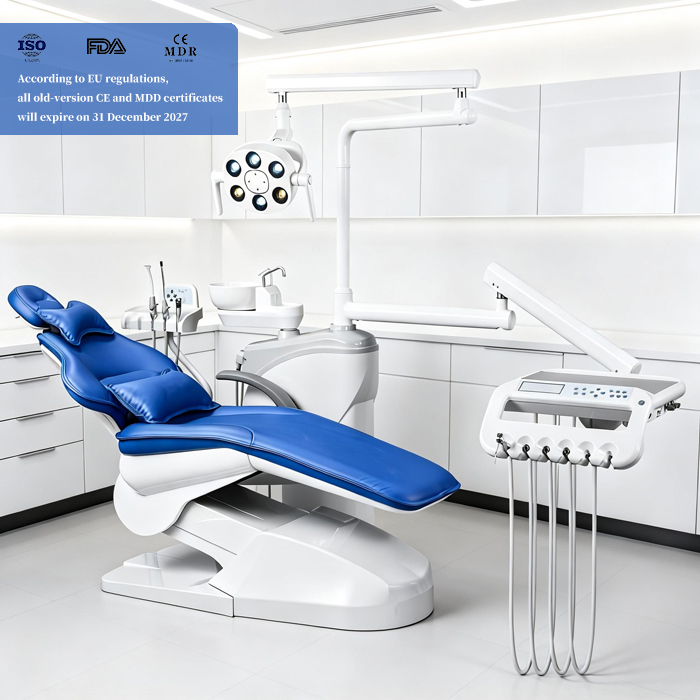
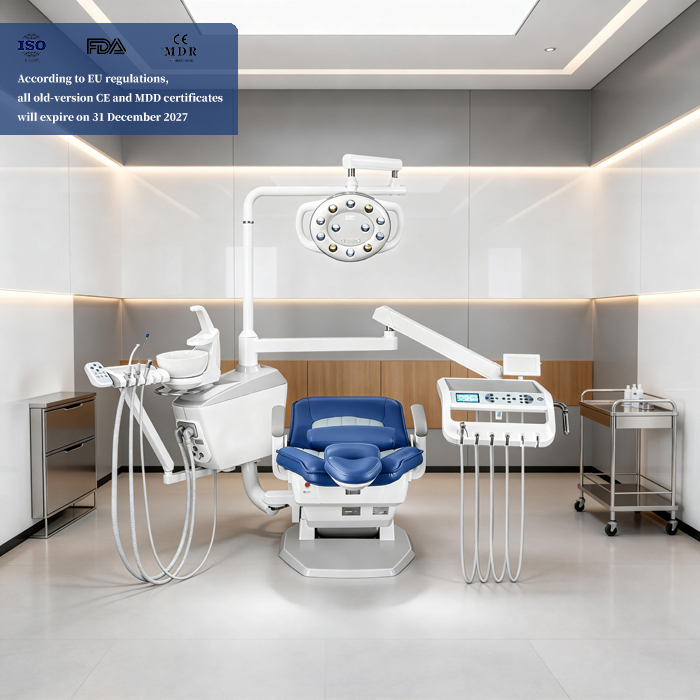
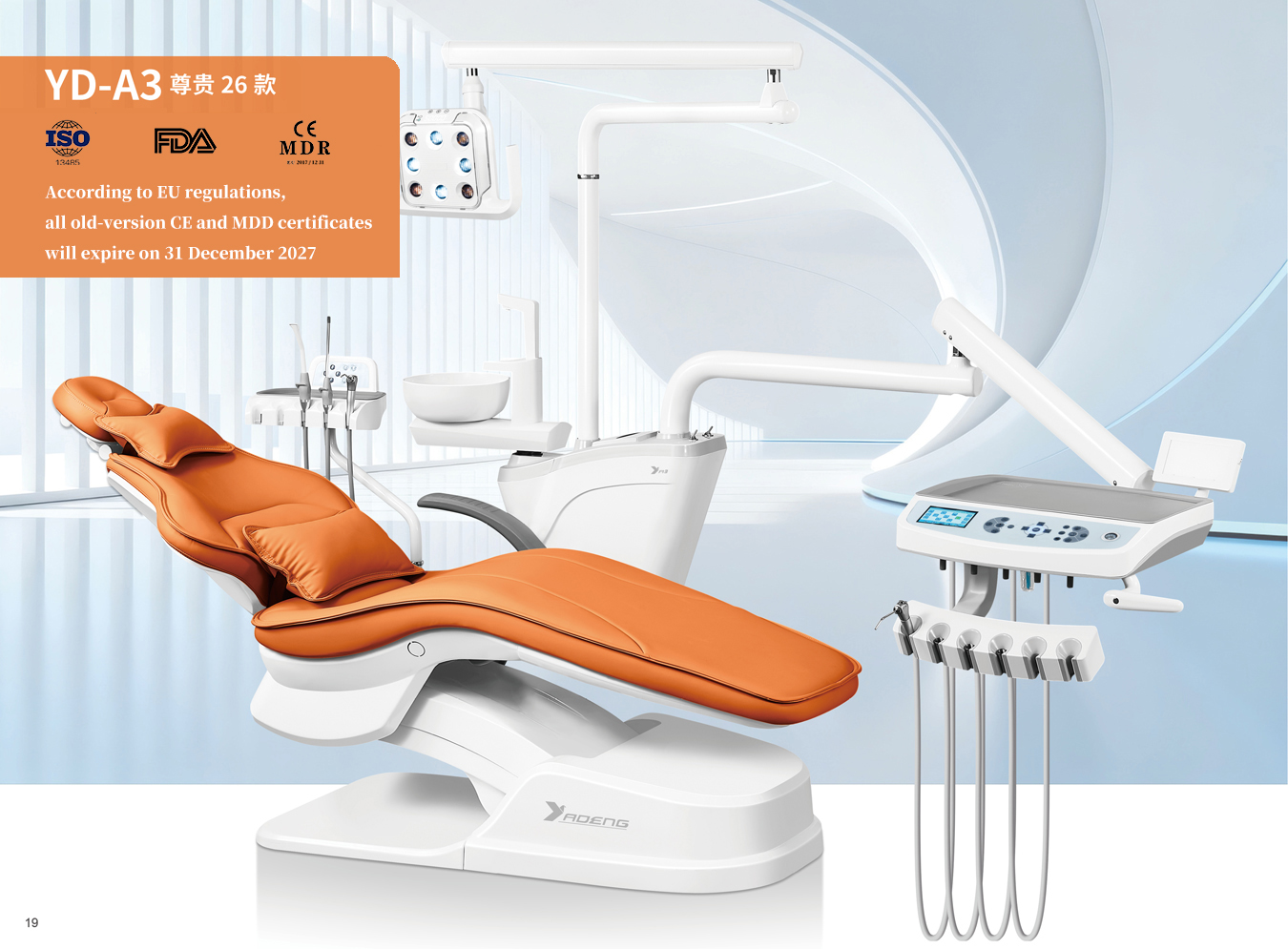
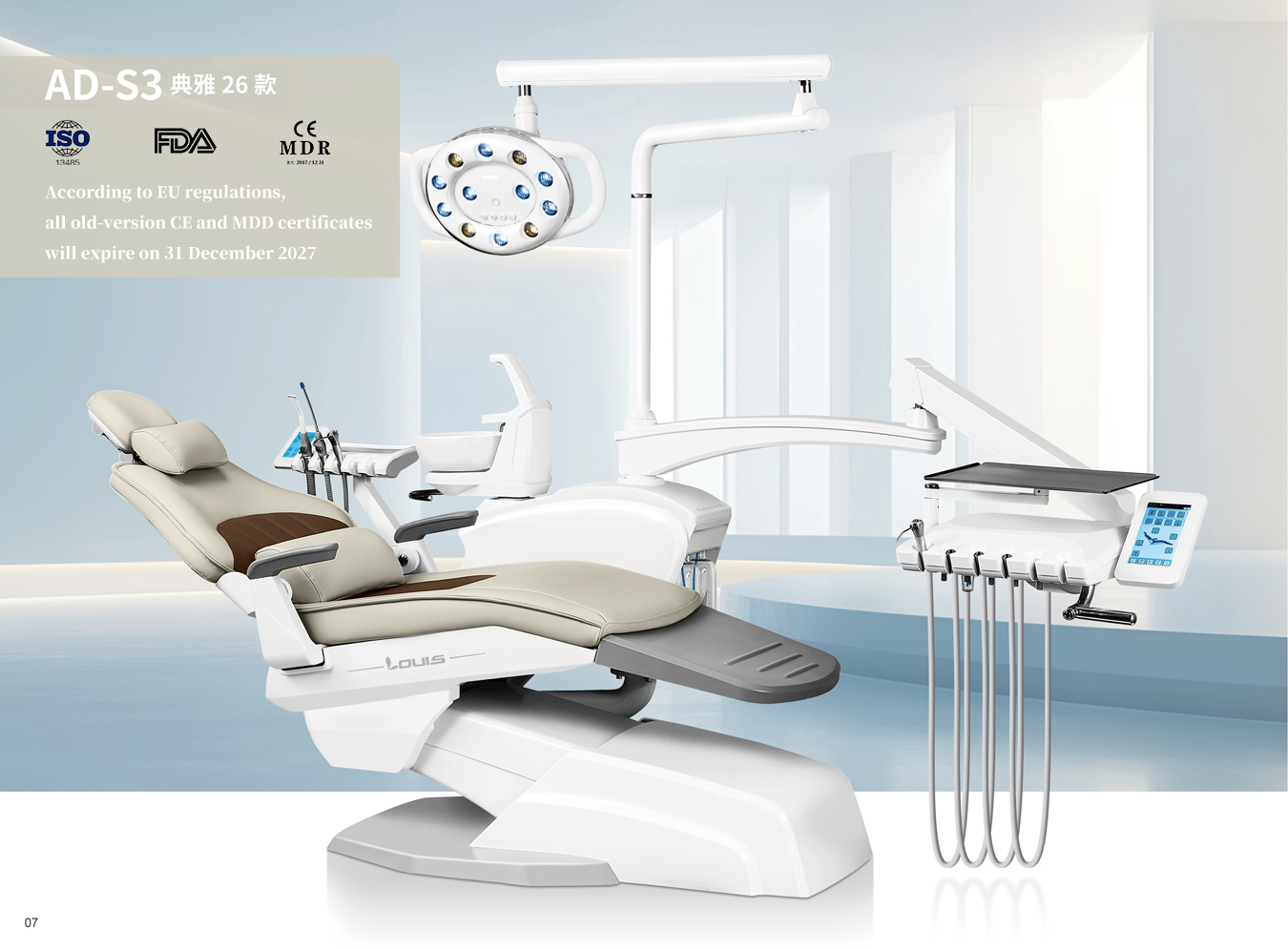
The domestic dental chair industry is currently undergoing a critical transformation from "manufacturing" to "intelligent manufacturing," and its future development and overseas expansion paths are becoming clearer.
Future Development Trends of Dental Chairs in China
Based on industry data and the practices of leading companies, the development of dental chairs in China exhibits the following four major trends:
No.1; Technology: Full-Scenario Digitalization Becomes Core
Dental chairs are evolving from standalone devices into intelligent treatment platforms integrating digital control, intelligent disinfection, environmental sensing, and data analysis.
Specific manifestations: Through technologies such as AI-assisted diagnosis, IoT remote monitoring, VR decentralized analgesia, and integrated digital systems, a closed-loop data system is achieved throughout the pre-operative, intra-operative, and post-operative processes, improving treatment efficiency and experience.
No.2; Market: Demand Segmentation and Continuous Expansion
Demand changes: The market is shifting from "usable" to "easy-to-use," and from purchasing standalone units to requiring interconnected solutions.
Market Data
Overall Growth: The Chinese dental chair market is projected to grow by 3.1% year-on-year in 2026.
Price Increase: The average market price is projected to reach RMB 38,553.7 per unit in 2026, reflecting a trend towards high-end products.
Domestic Substitution: The market share of domestically produced portable dental chairs has gradually surpassed that of foreign brands.
No. 3; Competition: From Cost-Effectiveness to "Technology + Ecosystem".
Competitive Upgrade: Early domestic dental chairs won by offering cost-effectiveness; now, the competition has entered a phase of focusing on core technologies, clinical co-creation, and ecosystem building.
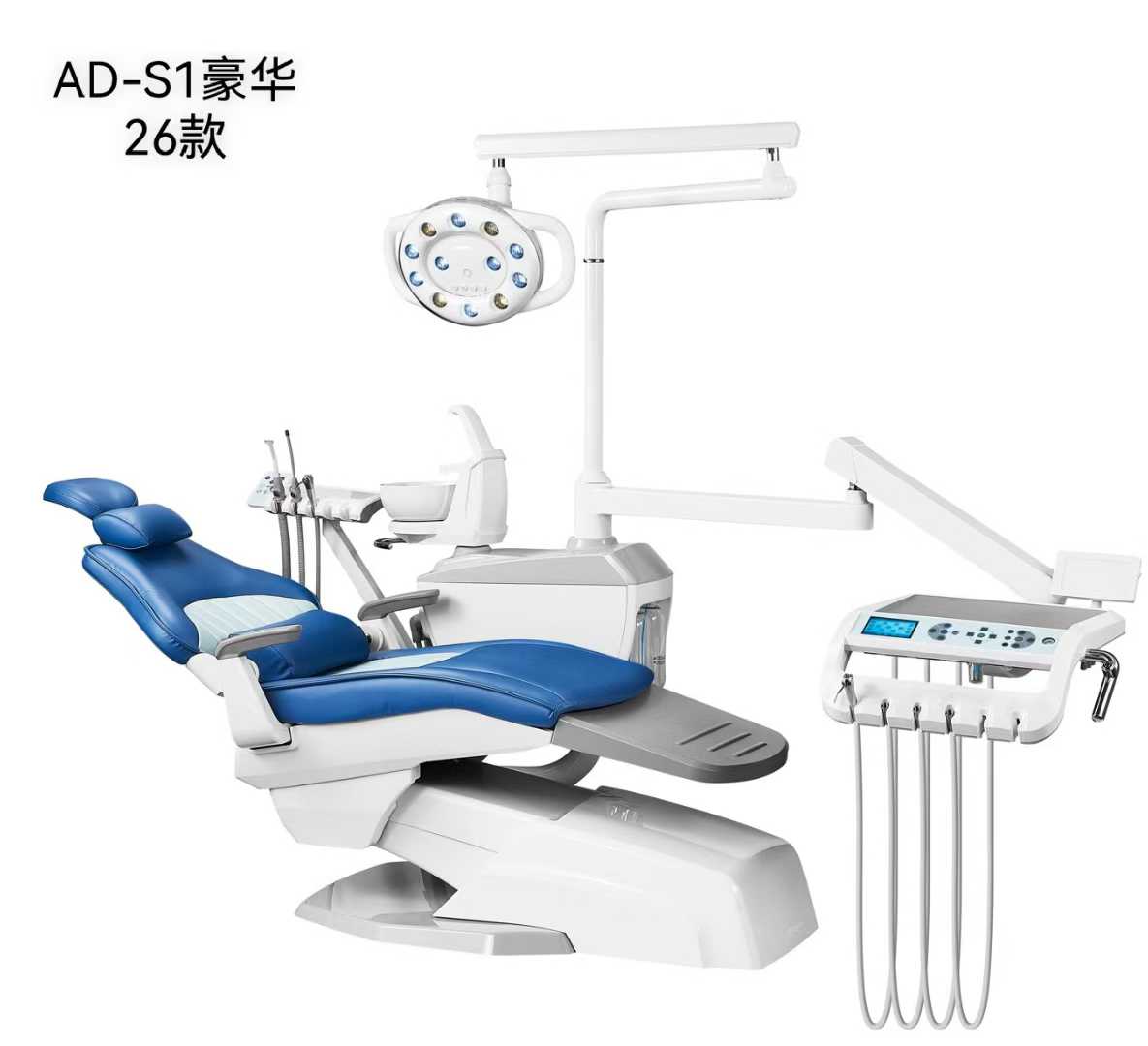
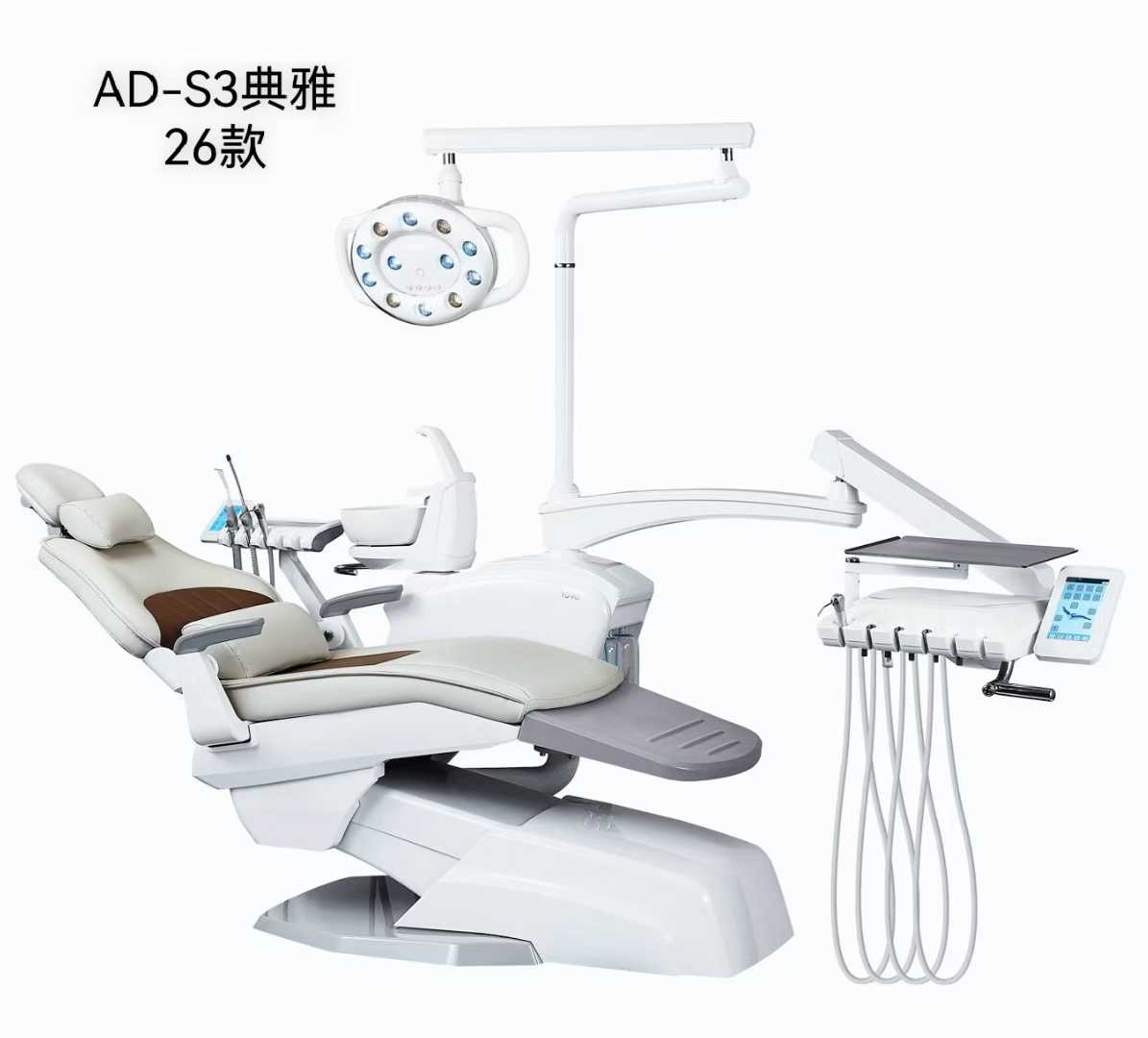
Typical Practice: For example, Yadeng Medical collected tens of thousands of clinical suggestions through global dentist co-creation activities to create "dentist-designed dental chairs," building a competitive barrier.
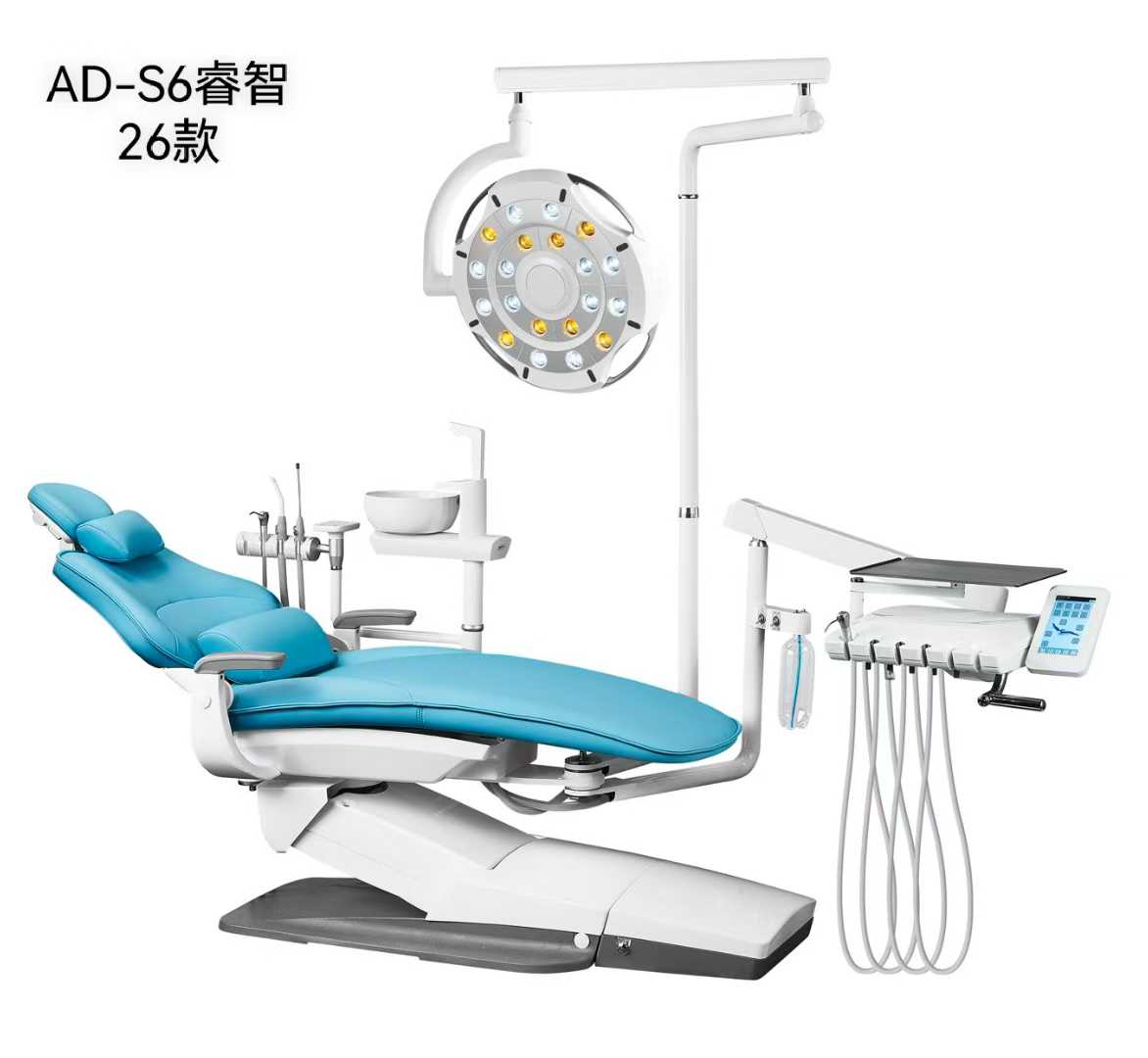
No. 4; Industry: Clustering and Supply Chain Advantages Highlighted
Industrial Agglomeration: The "Southern Dental Valley," represented by Foshan, has formed the largest dental equipment industrial cluster in China, with a complete industrial chain, significantly reducing enterprise costs. Yadeng Dental Chair's factory is here,too.
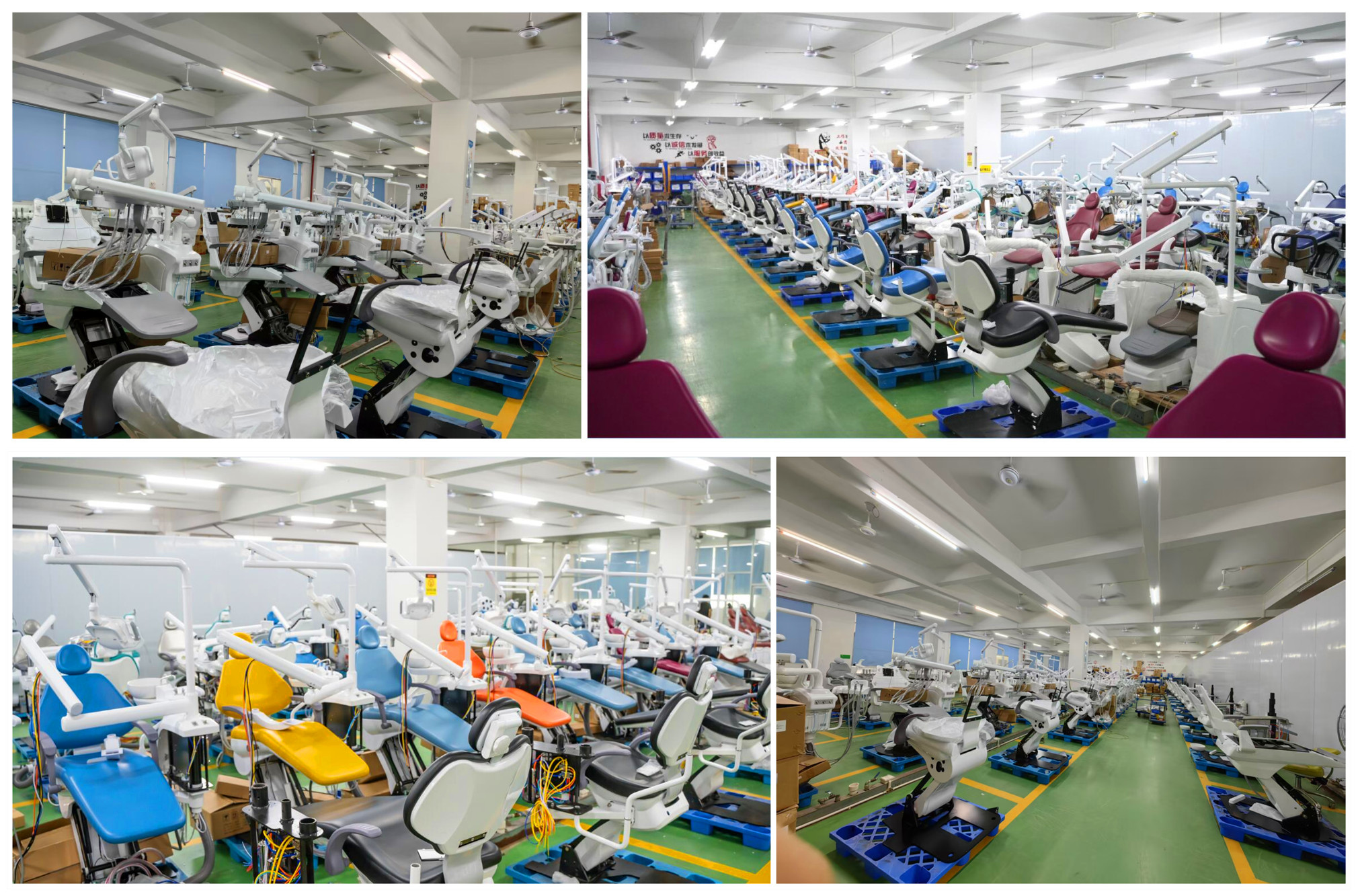
Manufacturing Upgrade: Leading companies are undergoing comprehensive digital factory transformation to achieve production transparency and full product lifecycle traceability, ensuring quality and delivery capabilities.
How to Better Go Global?
Based on current challenges and successful experiences, domestically produced dental chairs need a combined strategy to go global. Specific paths and case studies are as follows:
A: Market Selection: Implementing a Tiered and Diversified Strategy
Avoid relying on a single market and adopt differentiated strategies for different regions.
Mature Markets (Europe and America):
Strategic Focus: Enter the market with high-end technology and differentiated experiences.
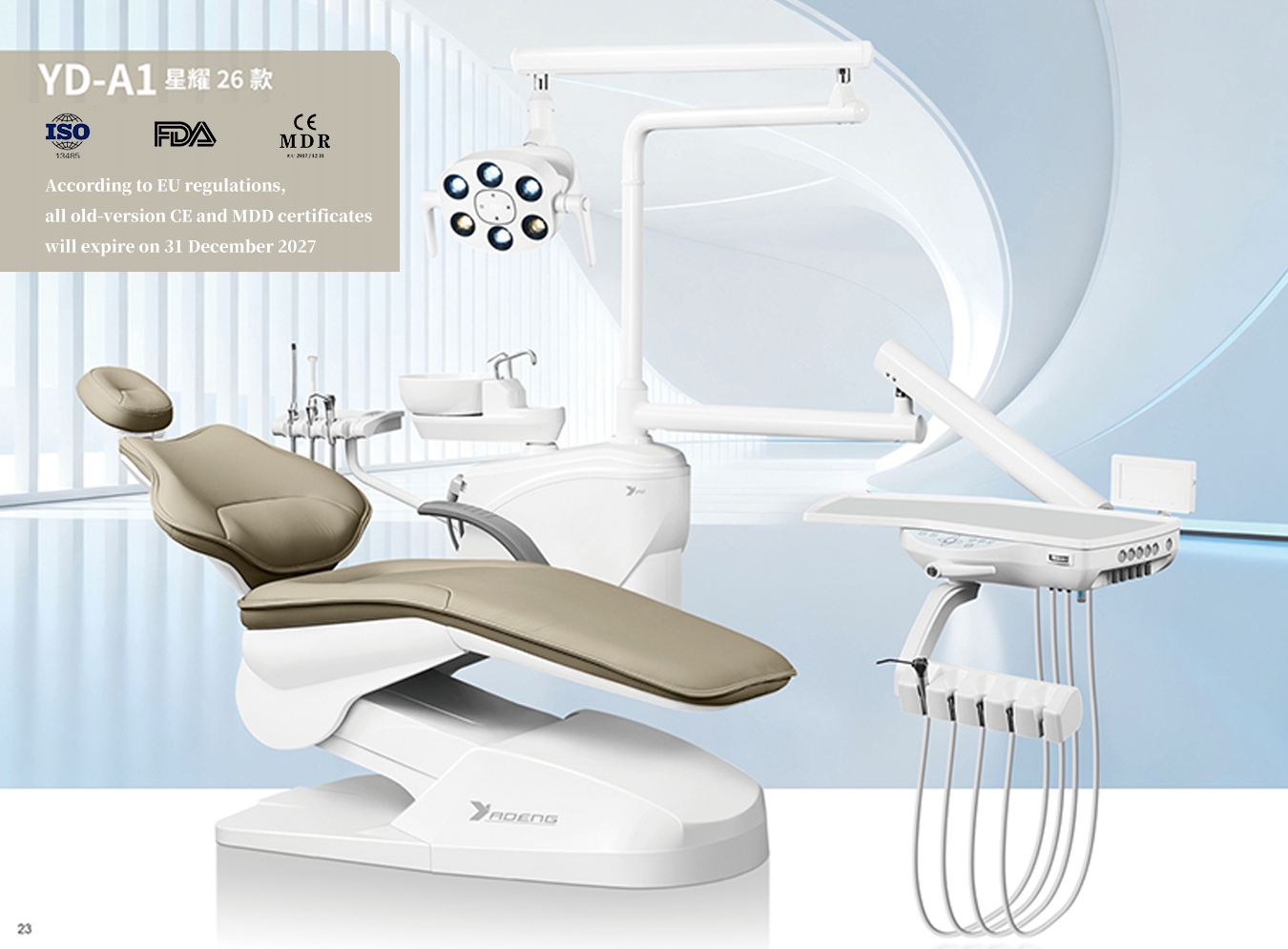
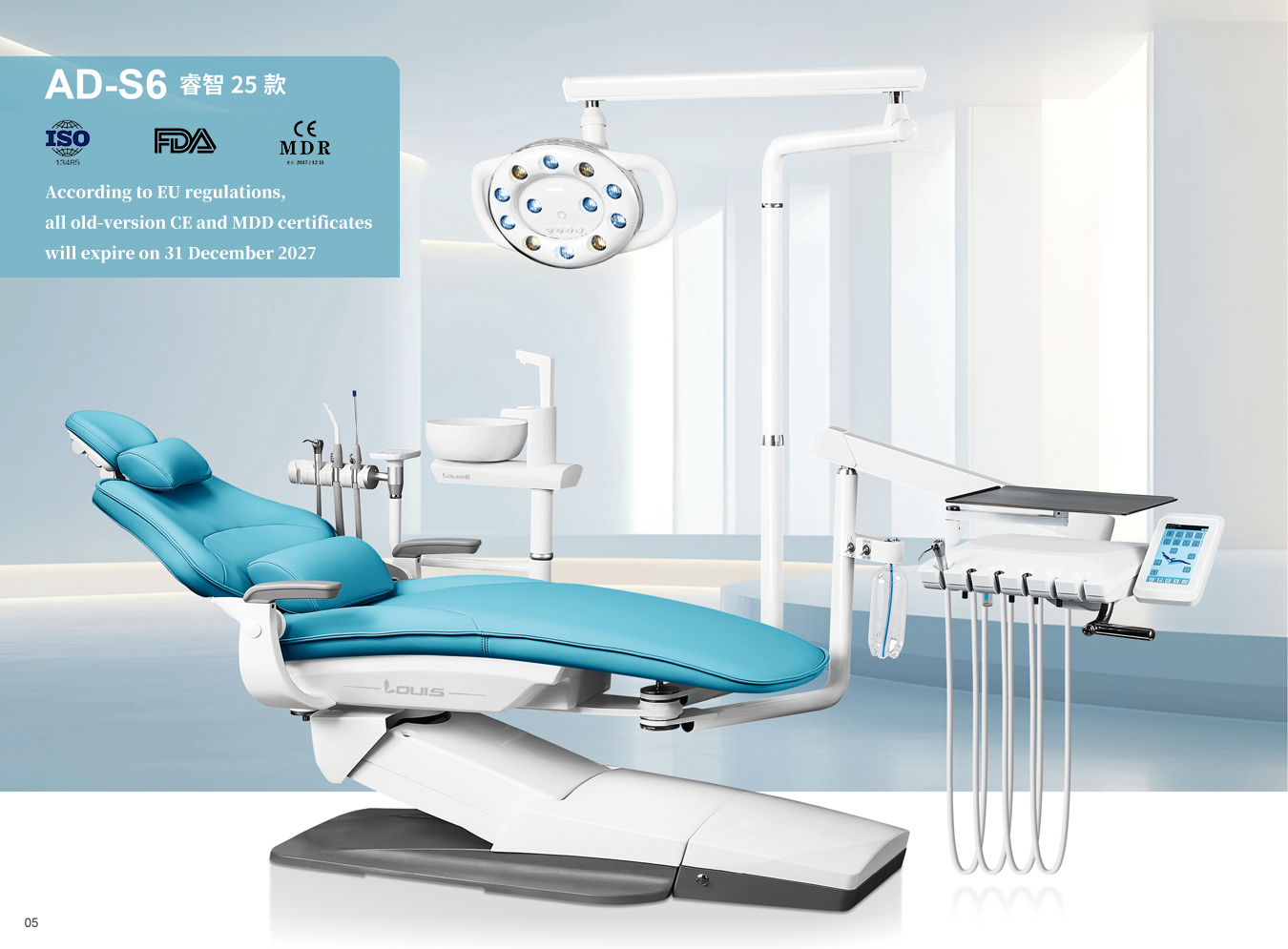
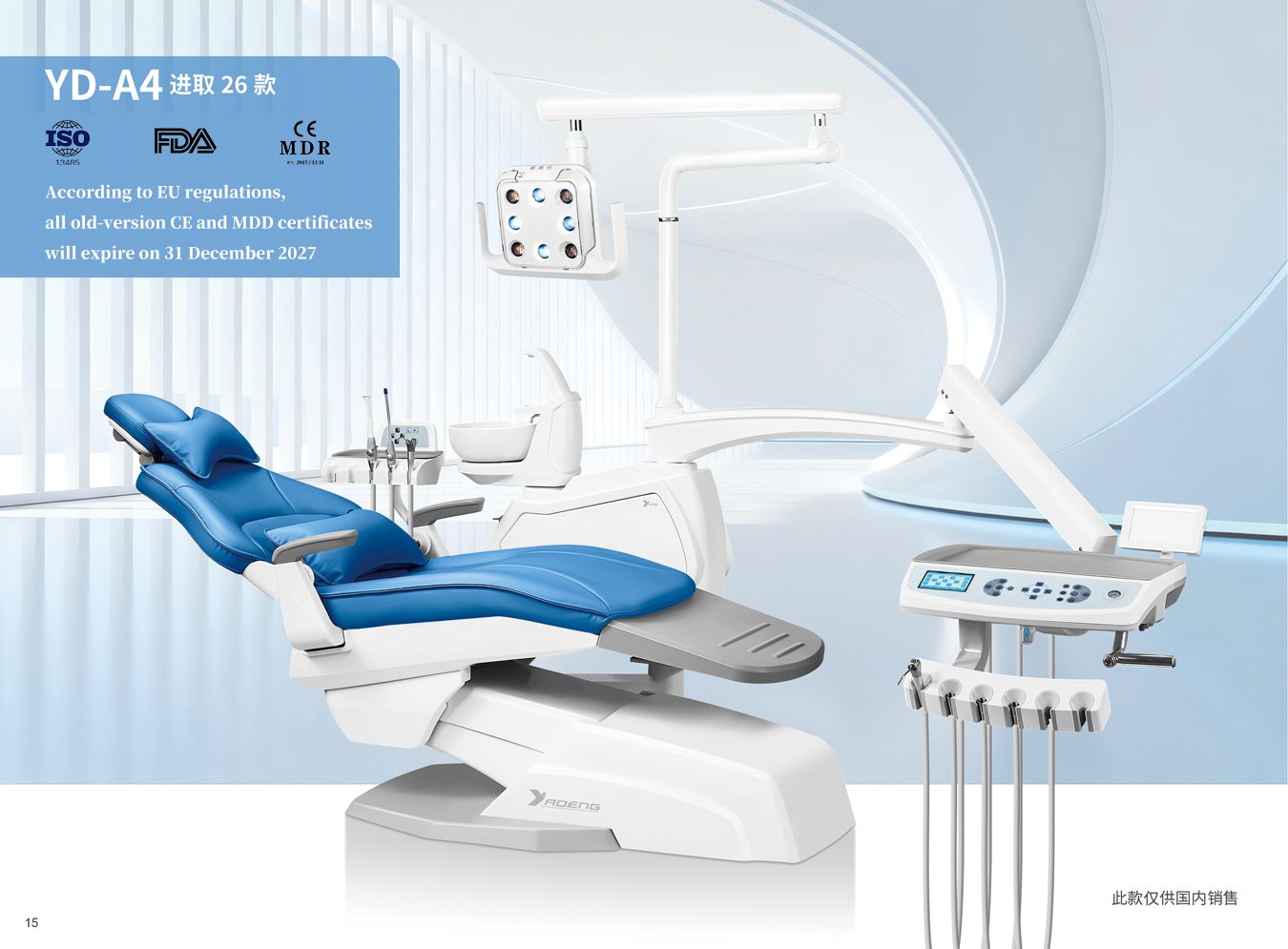
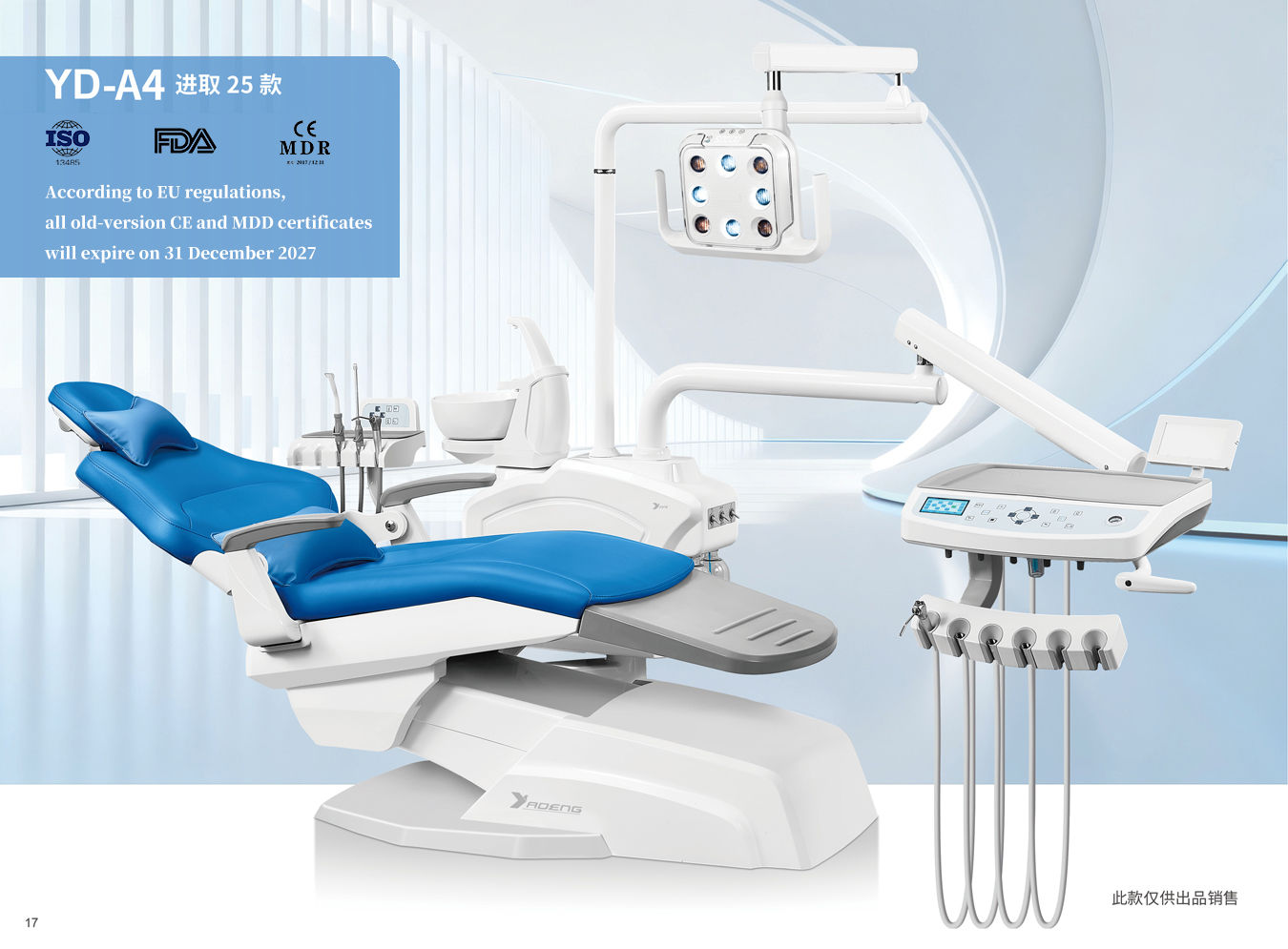
Case Study: Yadeng Medical, with its high-end intelligent ecological dental chairs, competes with international brands such as Planmeca and KaVo, and has successfully entered some high-end markets in Europe and America.
Emerging Markets (Southeast Asia, South America, Middle East, etc.):
Strategic Focus: Leverage the advantages of high cost-effectiveness, reliable quality, and flexible service.
Case Study: Arden Medical holds the leading market share in South America and Southeast Asia. Its core advantage lies in its functionality being on par with international brands while offering excellent cost-effectiveness.
2. Capability Building: Overcoming Three Major Global Hurdles
Successful global expansion requires systematically building the following key capabilities:
Technology and Certification Hurdles:
Key Actions: Increase R&D investment and accumulate patents; proactively obtain authoritative certifications in target markets such as CE, FDA, and ISO.
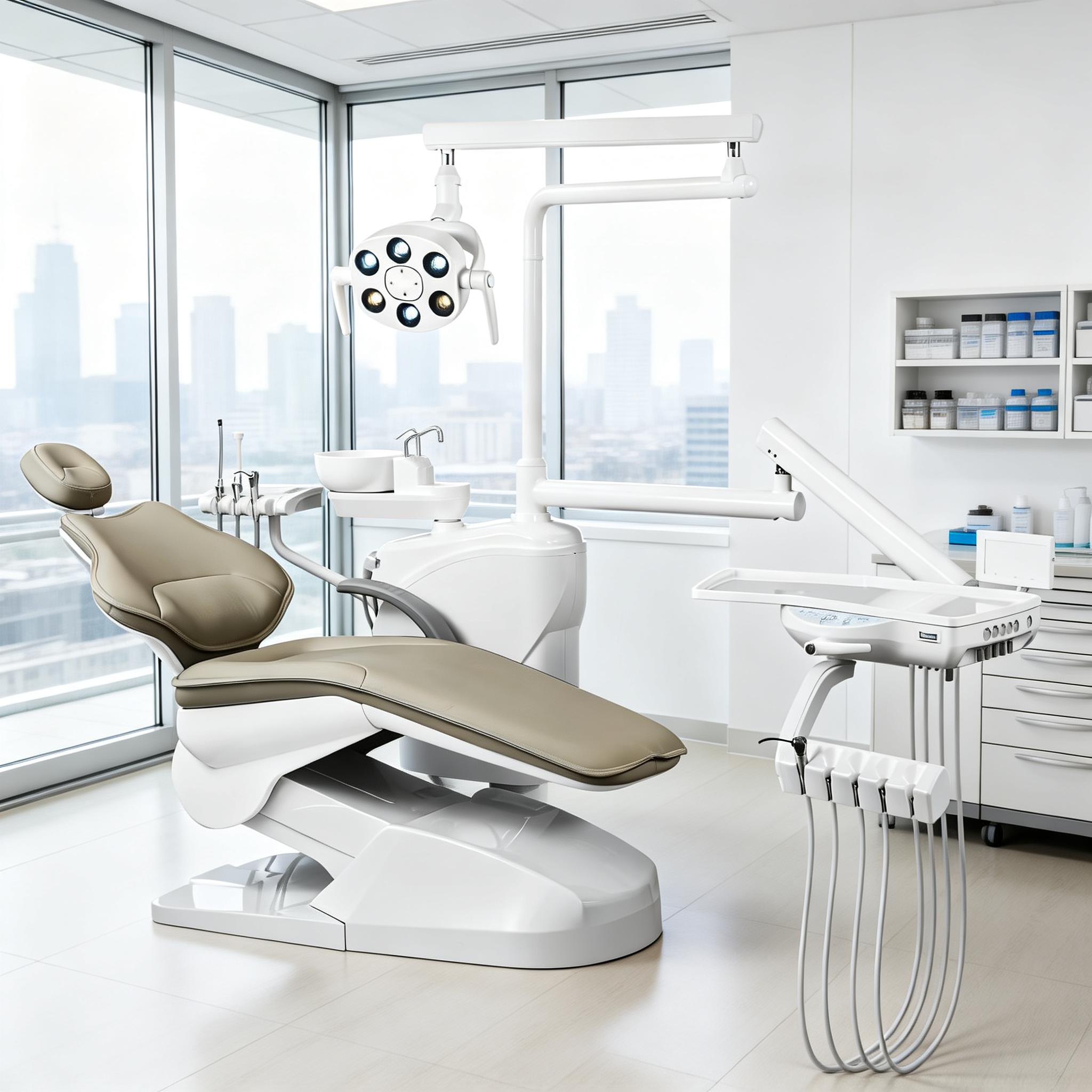
Certification is not merely a license to enter the market, but also an endorsement of technological strength and quality.
Brand and Channel Barriers:
Key Actions: Build an independent brand; showcase your brand at top industry exhibitions such as IDS Germany and the South China International Dental Exhibition; collaborate with overseas distributors to build a "localized service ecosystem."
Supply Chain and Service Barriers:
Key Actions: Establish after-sales service warehouses in key overseas markets; utilize digital tools to achieve rapid global service response; build a traceable supply chain system to mitigate trade risks.
3. Business Model Innovation: From Product Export to "Product + Service + Standard" Export
Product + Solution: Providing comprehensive solutions encompassing "equipment + consumables + digitalization," going beyond just dental chairs.
Service + Ecosystem: Establishing a global medical research co-creation platform, enabling global dentists to participate in product iteration, transforming them from standard followers to rule contributors.