

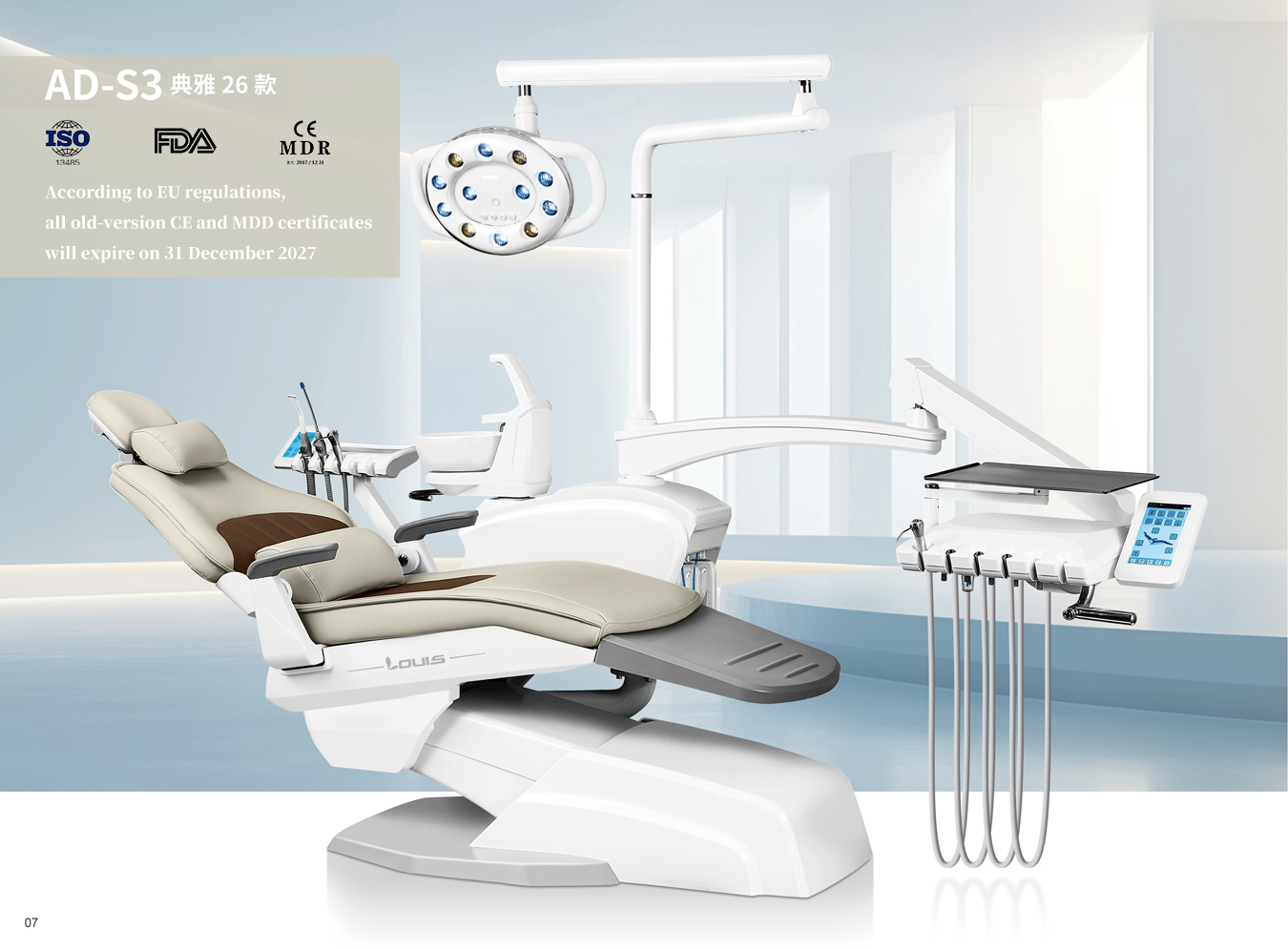
How Often Should You Replace a Dental Chair Unit?
Many dental clinic owners ask the same question: How often should a dental chair unit be replaced? Is it necessary to replace the entire unit after five, eight, or ten years?
There are many misconceptions about the "service life" of dental chairs. Some believe there is a mandatory replacement period, while others continue using aging equipment for too long, risking costly breakdowns and compliance issues.
The truth is simple: there is no universal mandatory replacement age for a dental chair unit. In most countries, regulations focus on equipment safety and performance rather than a fixed number of years. The decision to replace a dental chair should be based on four key factors: operating condition, usage intensity, maintenance costs, and regulatory compliance.
Understanding these factors helps clinics avoid both unnecessary equipment replacement and the risks associated with using outdated or unsafe equipment.
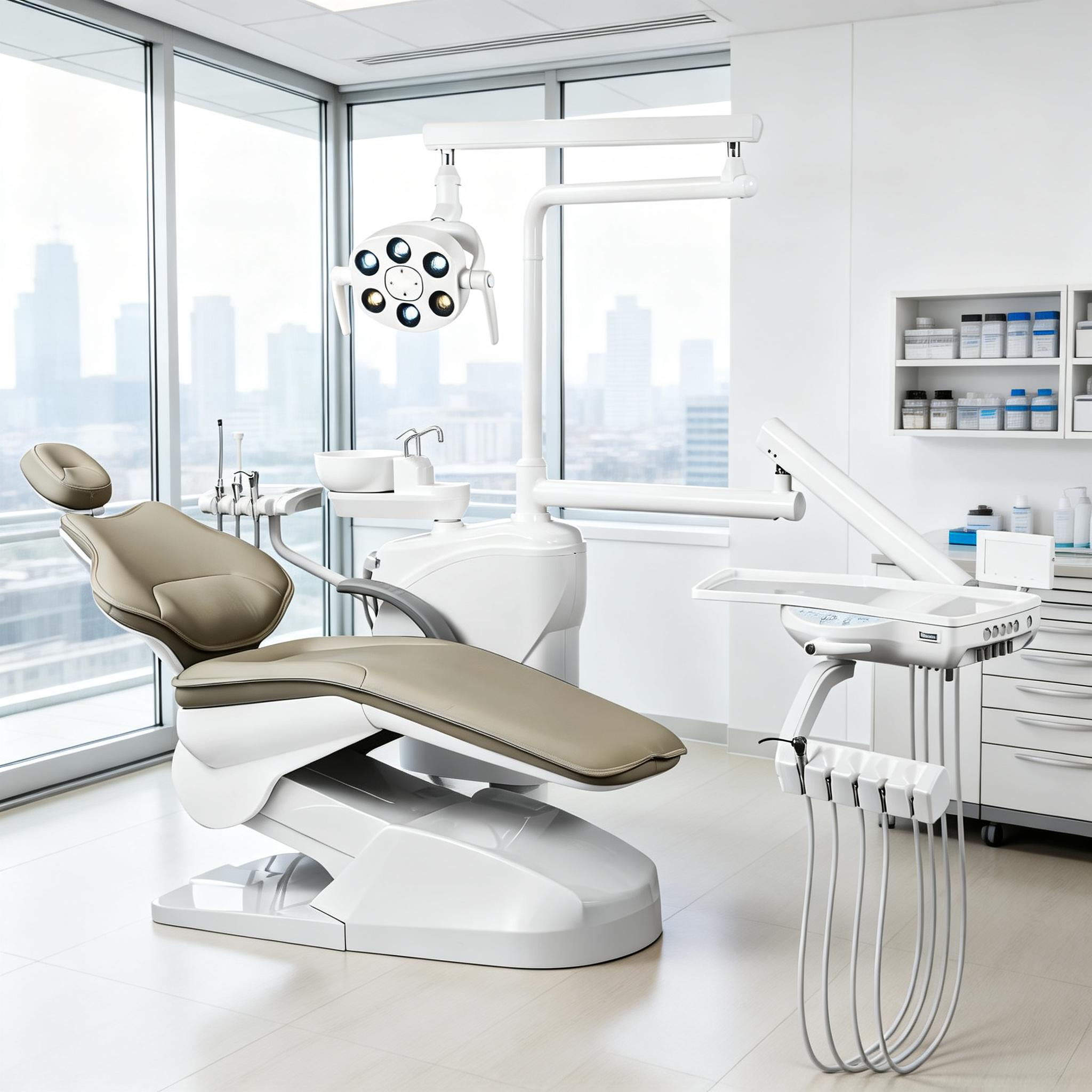
Service Life: Condition Matters More Than Age
The lifespan of a dental chair unit depends largely on how frequently it is used and how well it is maintained.
Normal Clinical Workload
For clinics operating up to eight hours per day with regular preventive maintenance, a high-quality dental chair can typically provide 10–15 years of reliable service. As long as the chair remains stable, functions properly, and meets safety standards, replacement is usually unnecessary.
High-Volume Clinics
In busy practices operating more than 12 hours per day, equipment experiences significantly more wear. Under these conditions, the overall lifespan is generally 8–10 years, while major components such as motors, hydraulic systems, and tubing may require inspection or replacement after five to eight years.
It is important to remember that the lifespan stated by manufacturers is generally intended as a design reference or depreciation guideline—not a legal expiration date.
Four Signs That It Is Time to Replace Your Dental Chair
Rather than focusing only on age, clinic owners should evaluate the actual condition of the equipment.
1. Performance No Longer Meets Clinical Requirements
Frequent failures such as unstable chair movement, water or air leaks, noisy motors, or positioning errors can reduce treatment efficiency and compromise patient safety. If repeated repairs fail to solve these issues, replacement becomes the better option.
2. Repair Costs Become Too High
When annual maintenance expenses or major repair costs approach 30–50% of the price of a new dental chair, continued repairs often become uneconomical. Frequent downtime also affects appointment schedules and patient satisfaction.
3. The Equipment Is Technologically Outdated
Older dental chairs may not support modern digital dentistry technologies such as CAD/CAM systems, digital imaging, or advanced treatment workflows. Outdated designs may also make cleaning and infection control more difficult, limiting future clinic development.
4. The Equipment No Longer Meets Compliance Requirements
If the equipment exceeds the manufacturer's recommended service period without proper inspection, documentation, or safety evaluation, it may present compliance risks during regulatory inspections.
Compliance Is Based on Safety, Not Age
One common misconception is that dental equipment becomes non-compliant simply because it reaches a certain age.
In reality, medical equipment regulations generally focus on whether the equipment remains safe, functional, and properly maintained.
A five-year-old dental chair with serious safety problems should be removed from service immediately. On the other hand, a well-maintained chair that has been in operation for more than ten years may continue to be used if it still meets performance and safety requirements.
For this reason, clinics should maintain complete equipment records, including preventive maintenance, repairs, inspections, and servicing history, to demonstrate ongoing compliance.
Choosing Quality Equipment Reduces Long-Term Costs
Extending the service life of a dental chair begins with selecting high-quality equipment and maintaining it properly.
While low-cost equipment may reduce initial investment, it often leads to more frequent repairs, shorter service life, and higher overall operating costs.
Premium dental chair units built with durable materials, reliable components, and ergonomic designs typically deliver better long-term value while reducing maintenance expenses and operational interruptions.
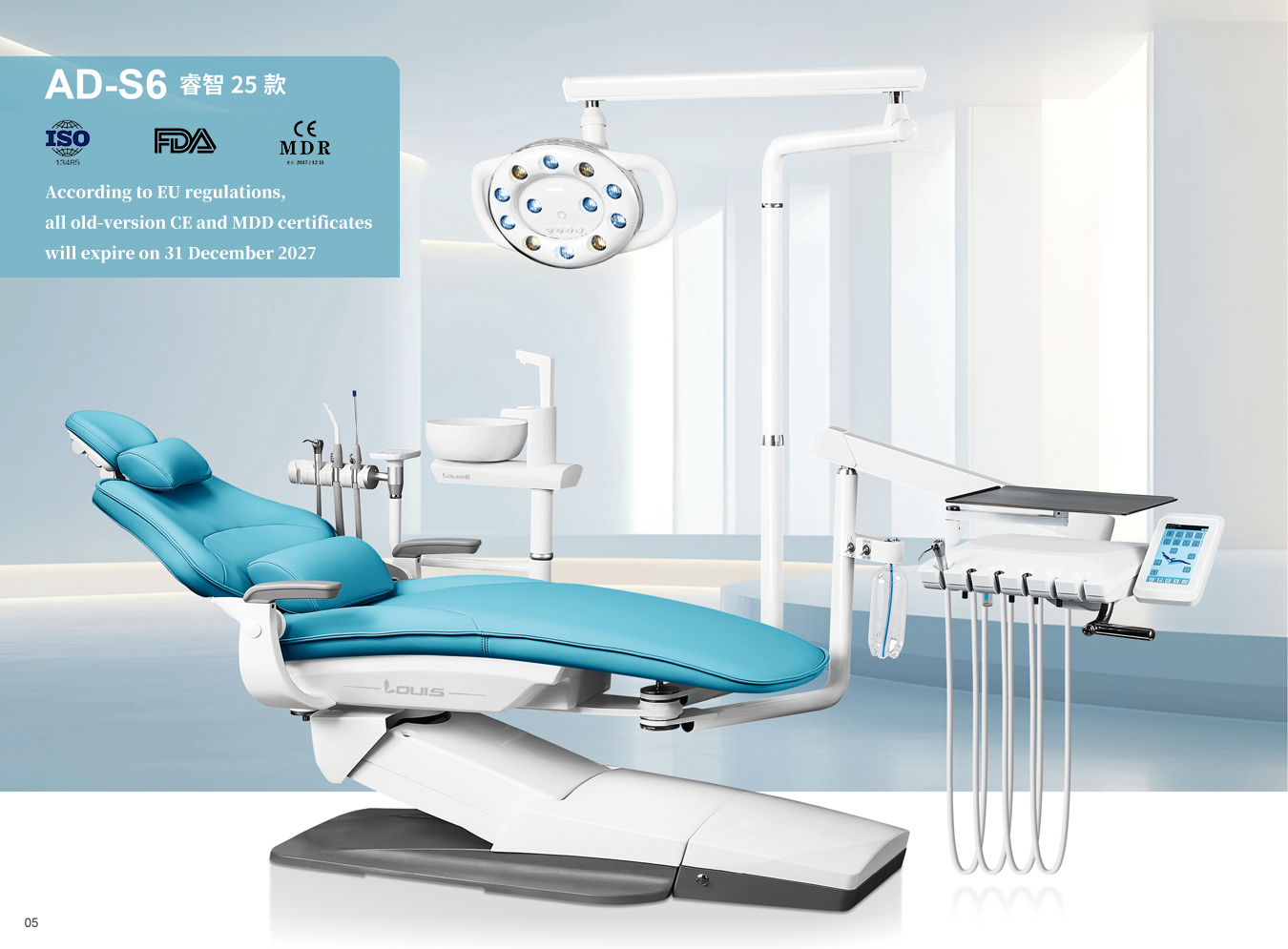
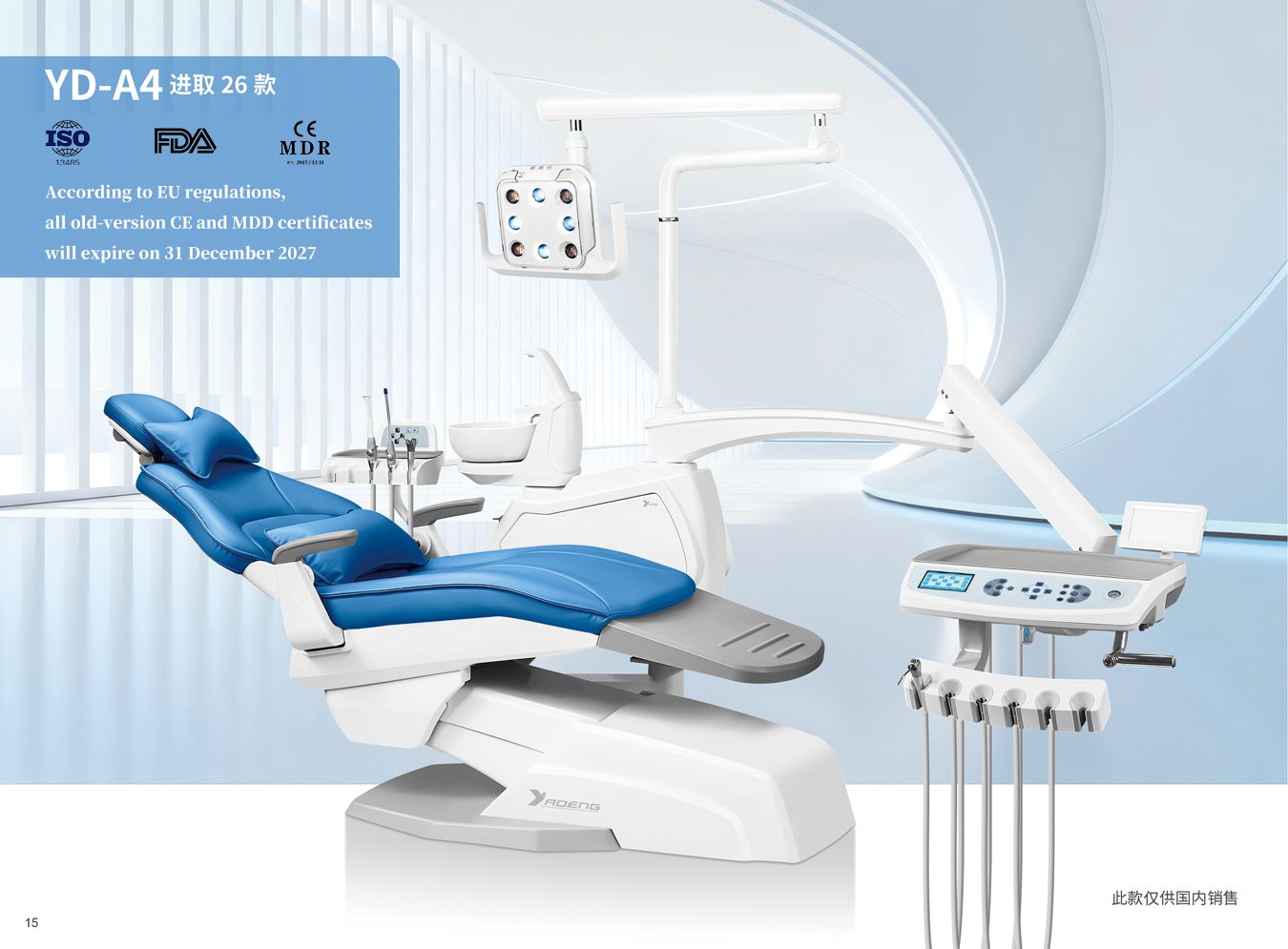
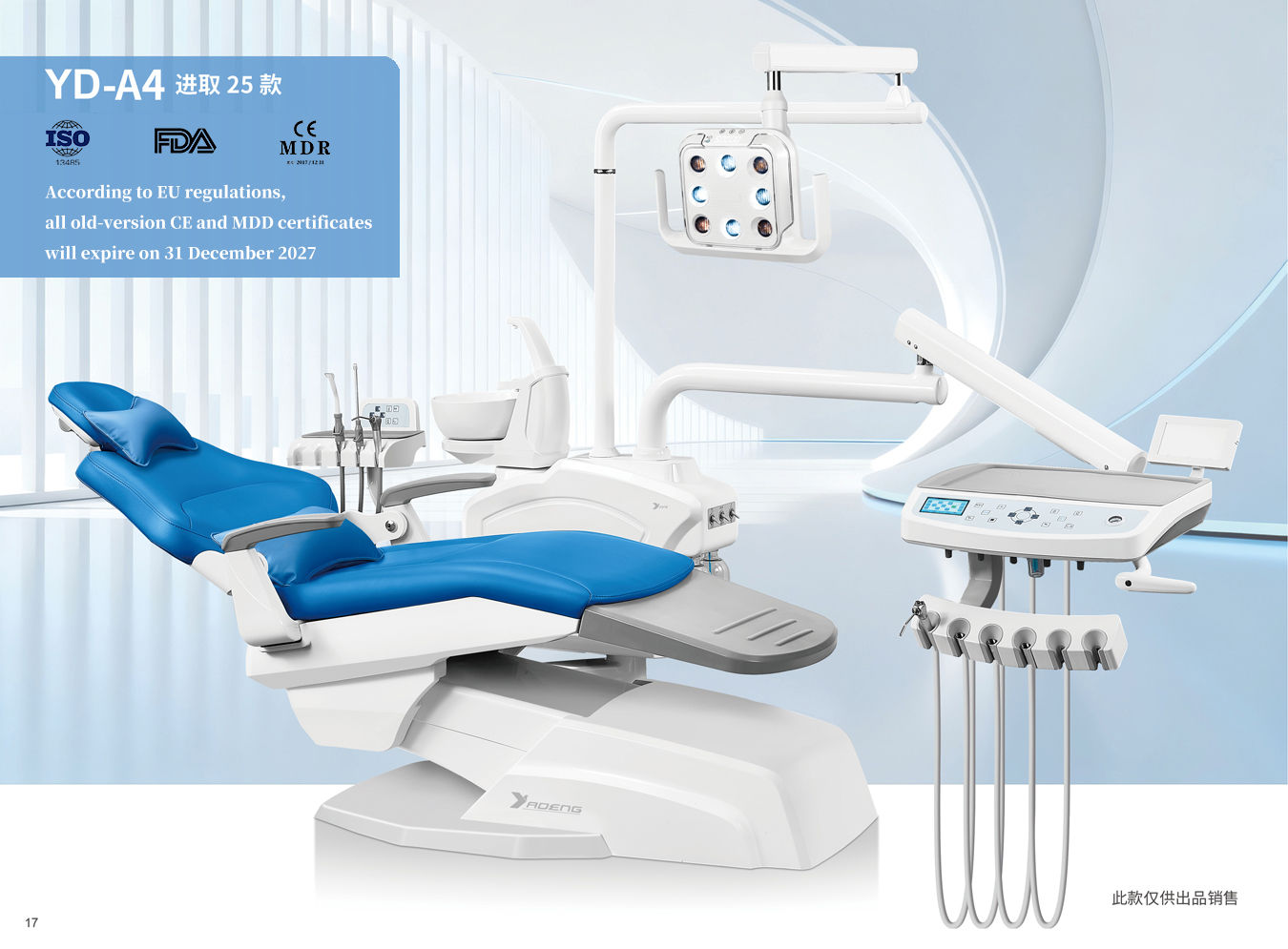
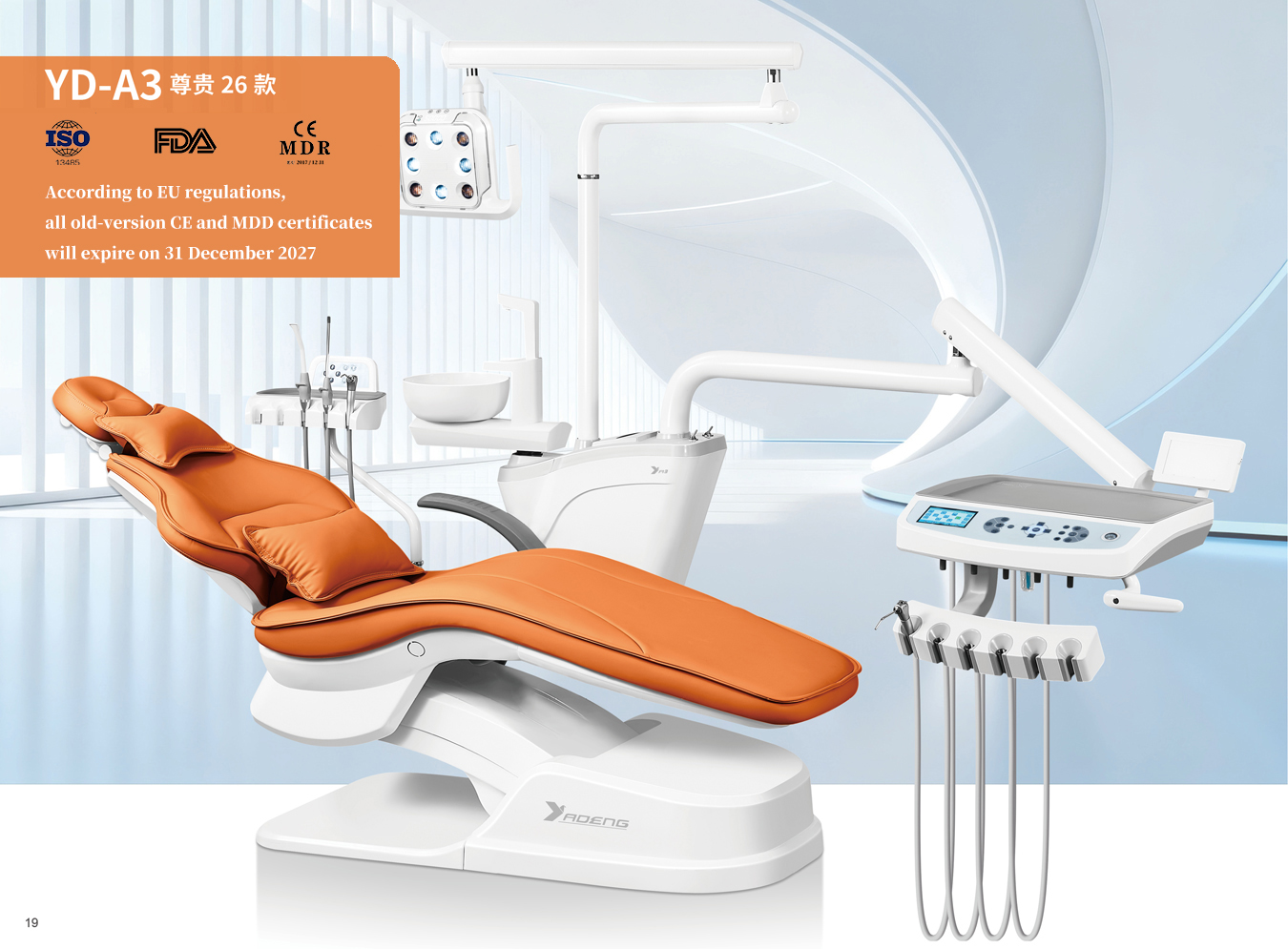
Yadeng Dental Chairs: Built for Long-Term Performance
With years of experience in dental equipment manufacturing, Guangdong Yadeng Medical develops dental chair units designed for durability, efficiency, and patient comfort.
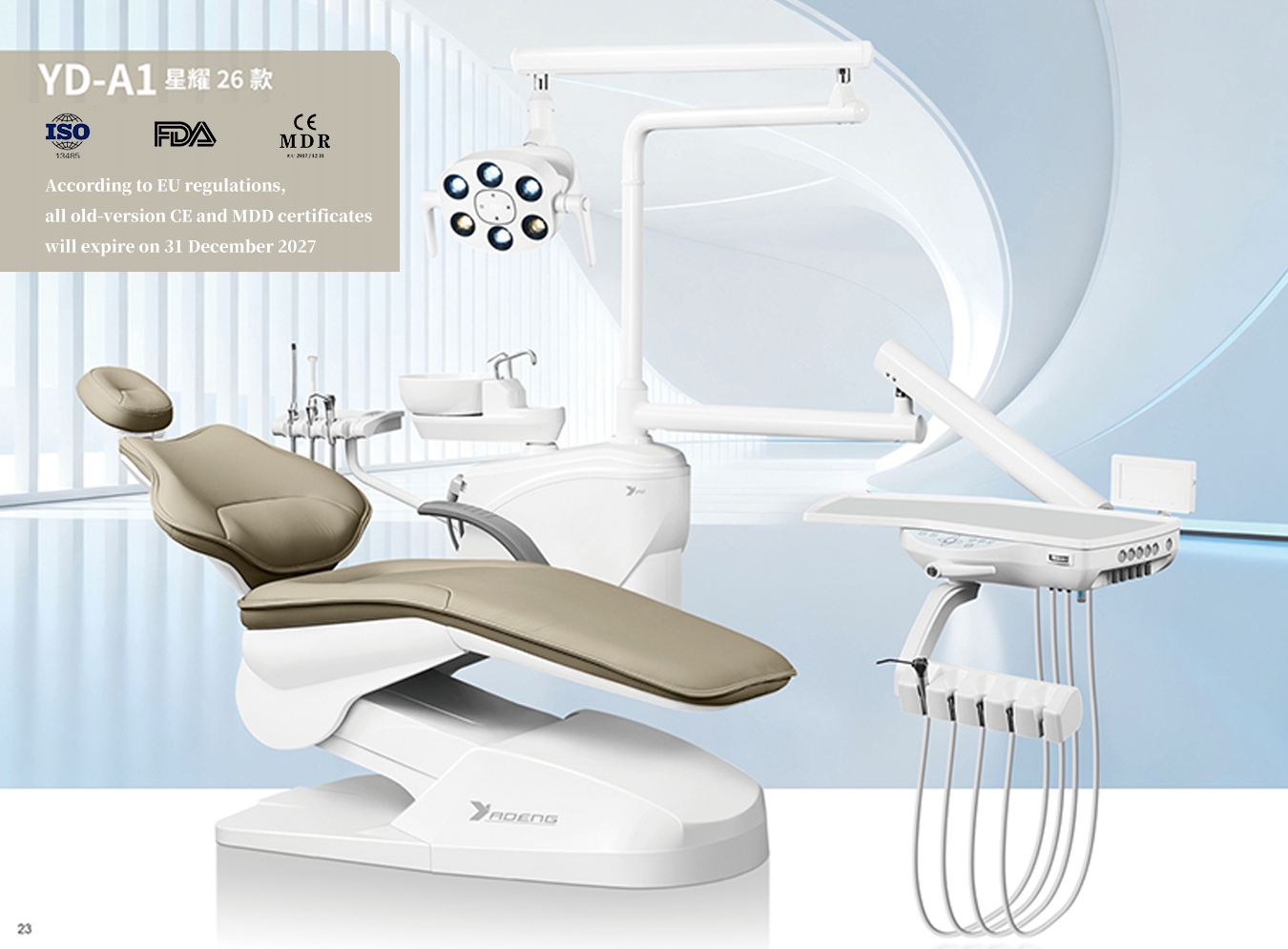
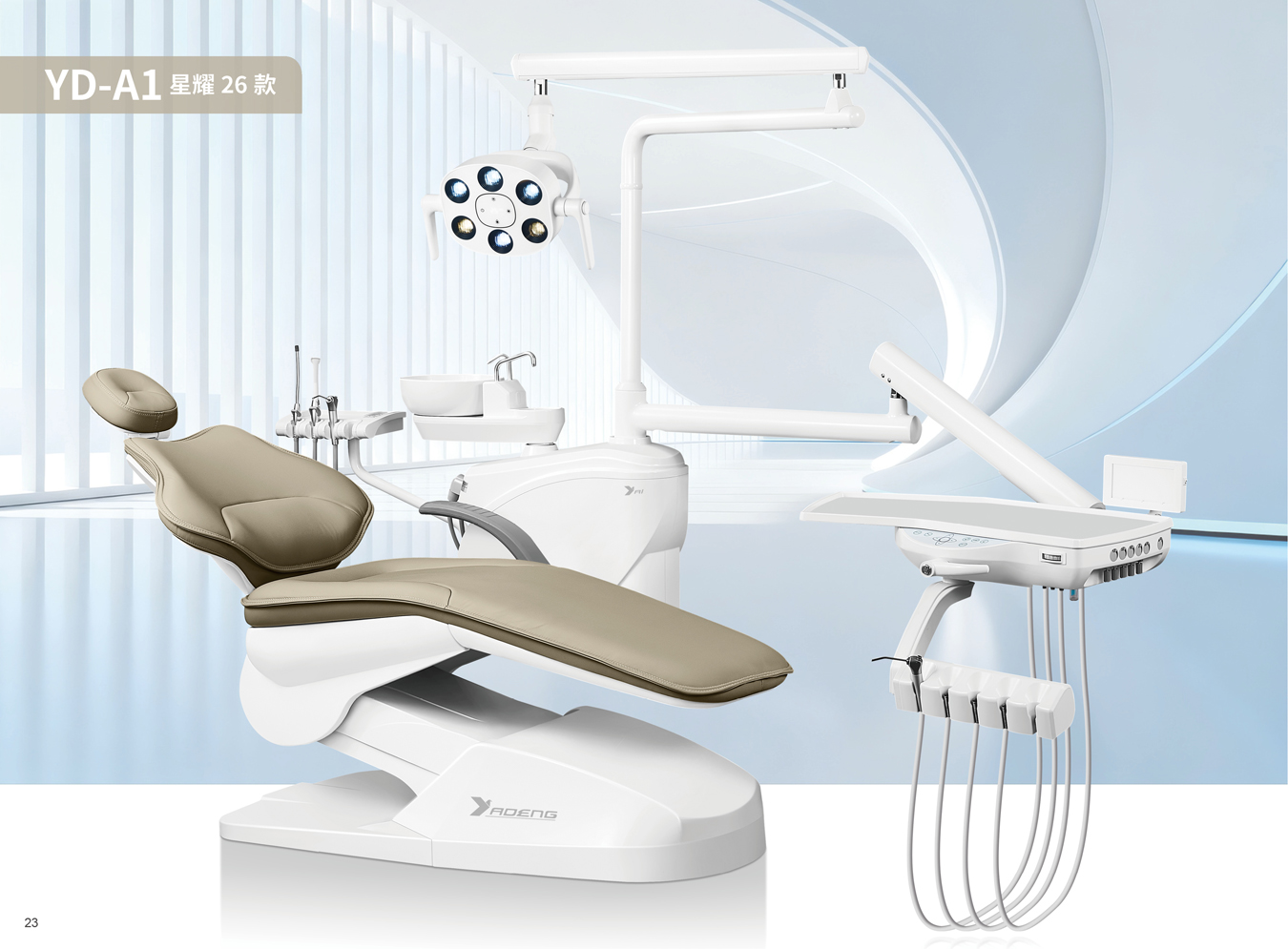
Yadeng dental chairs feature a robust structural design, high-quality core components, and an exclusive patented massage and heating system that enhances the patient experience during lengthy procedures.
Manufactured under strict quality standards and supported by internationally recognized certifications including CE MDR, FDA, and ISO 13485, Yadeng dental chairs provide reliable performance for modern dental clinics while supporting long-term compliance and operational efficiency.
Whether your clinic is upgrading existing equipment or planning a new practice, investing in a durable, high-quality dental chair can help reduce maintenance costs, improve workflow, and provide better care for patients.
Conclusion
There is no fixed timetable for replacing a dental chair unit.
The best replacement decision should be based on equipment performance, maintenance costs, usage intensity, and regulatory compliance—not simply the number of years in service.
By choosing reliable, high-quality dental equipment and following a proactive maintenance plan, dental clinics can maximize equipment lifespan, reduce operating costs, and ensure safe, efficient patient care for years to come.
