

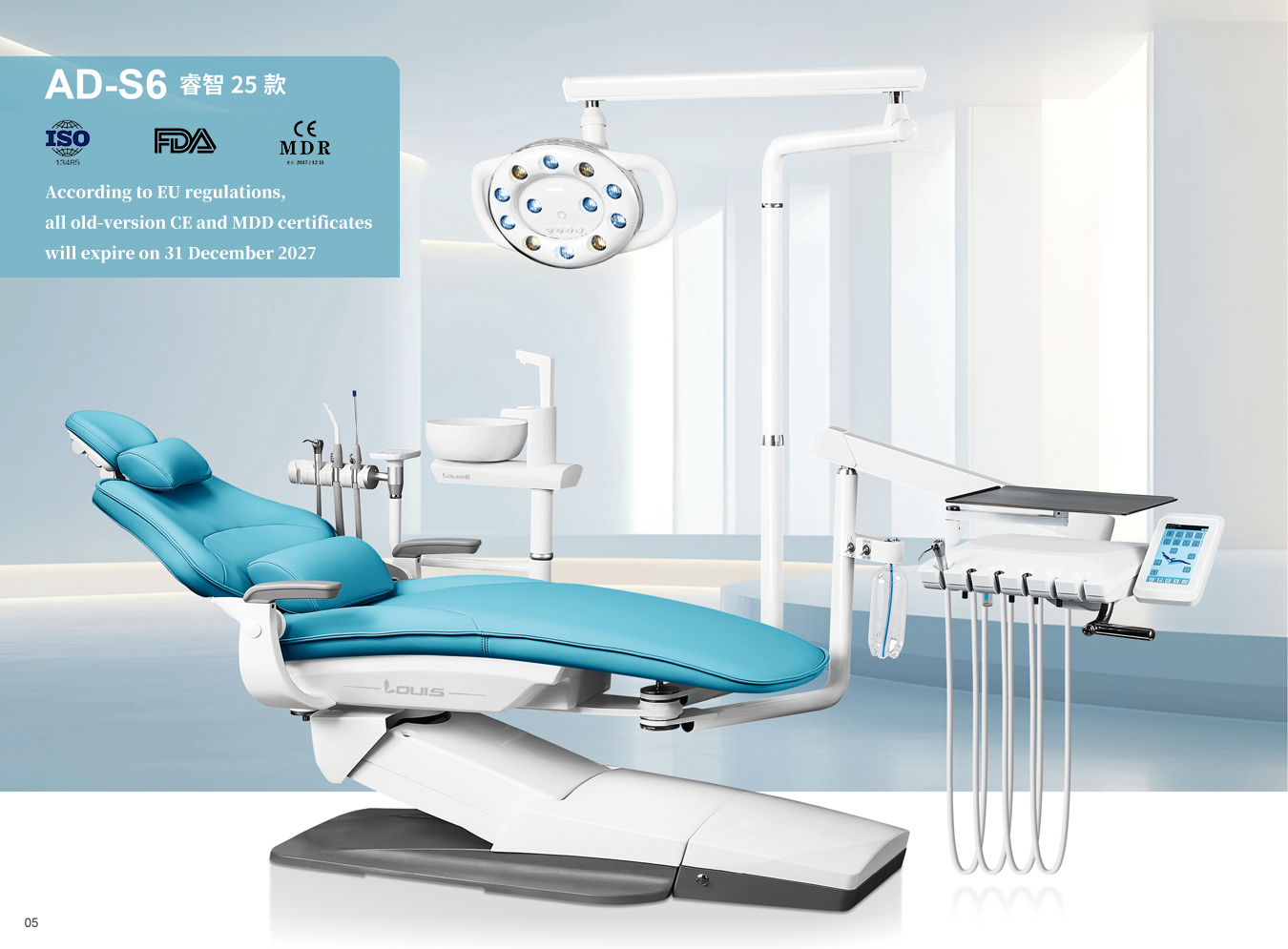
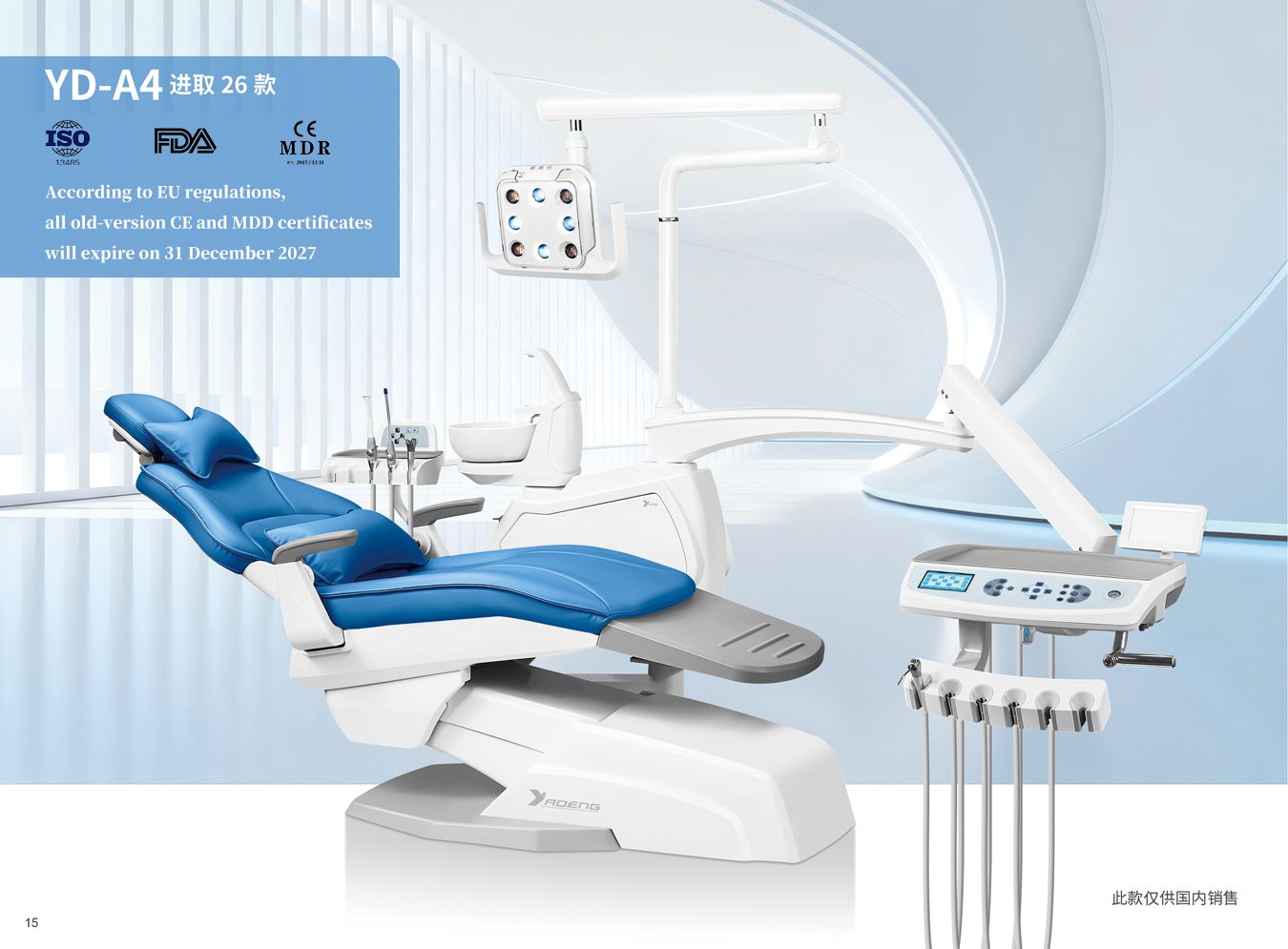
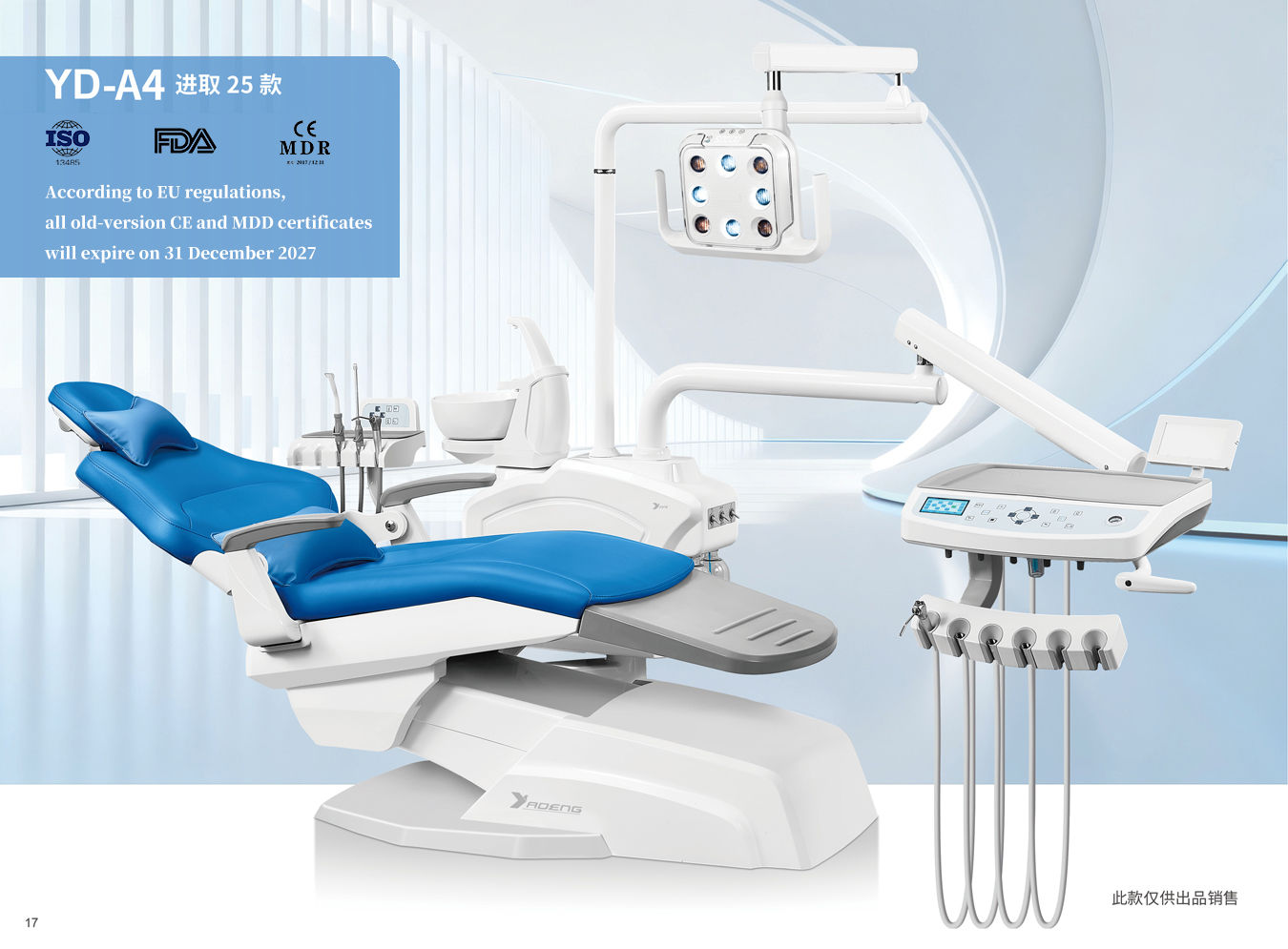
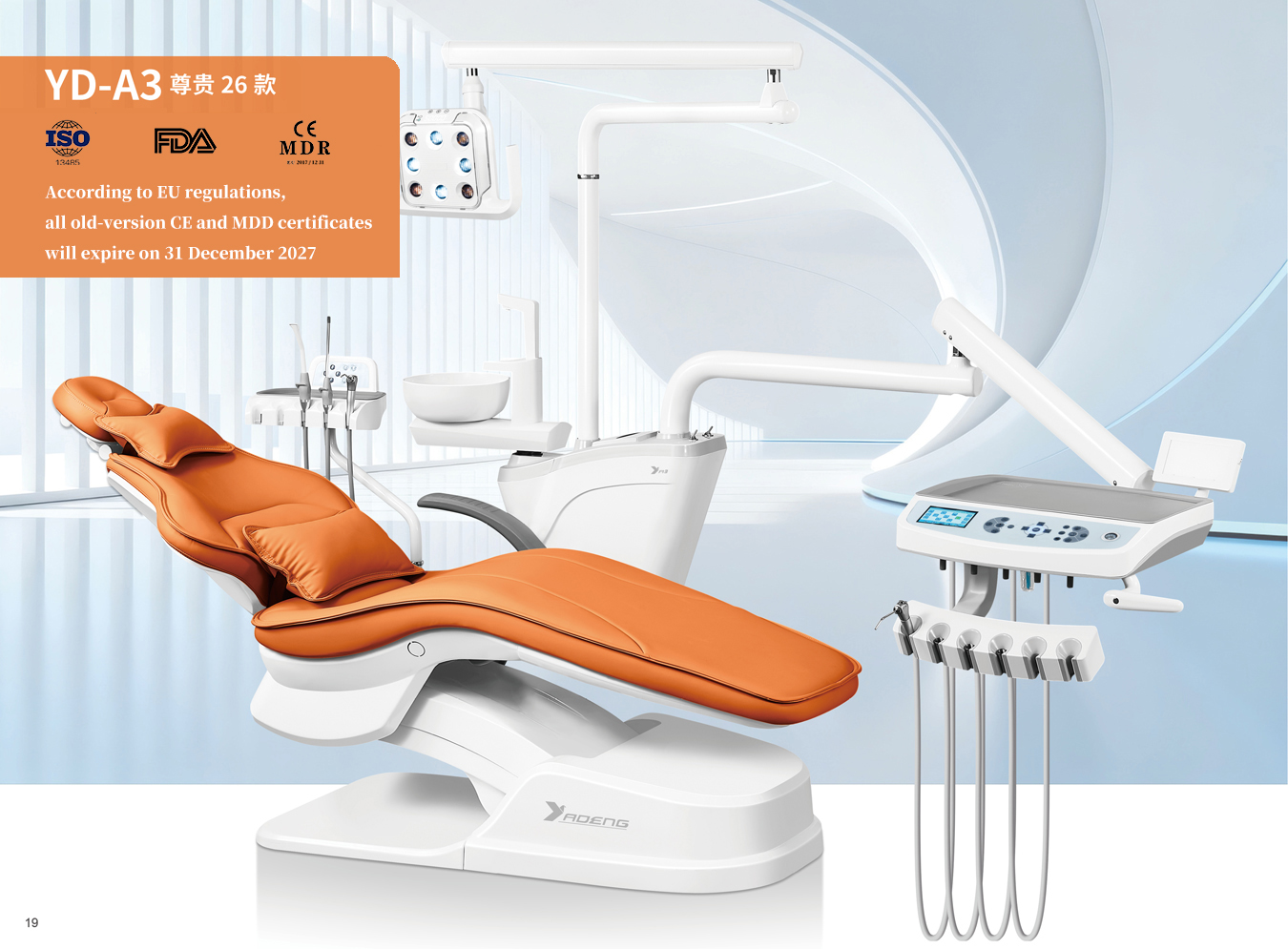
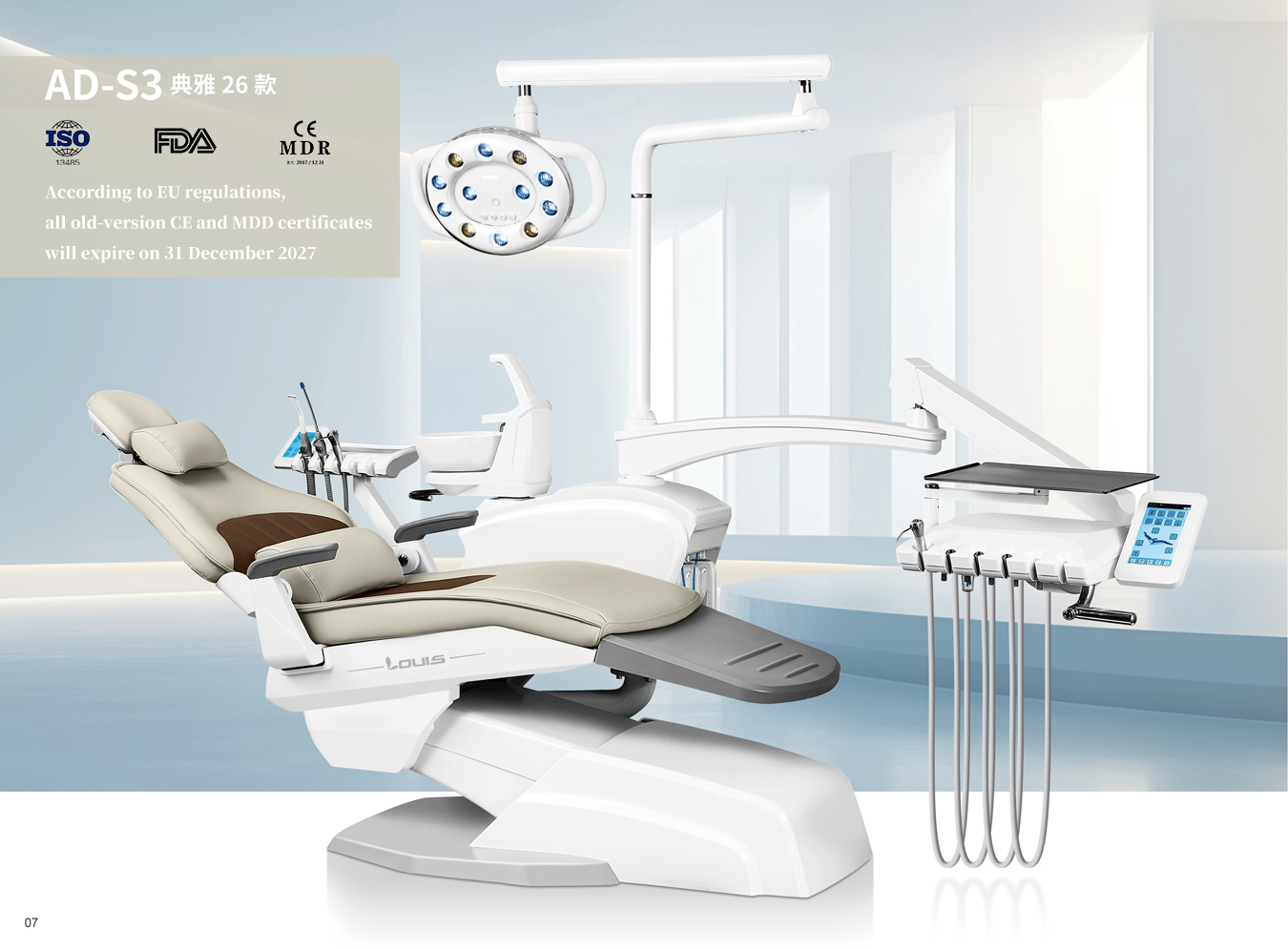
In the dental equipment system, the dental chair unit is always the core equipment of the treatment space. However, when the primary patients are children, the selection criteria for pediatric dental chair units differ significantly from those for regular adult dental chair units.
Children have unique characteristics in terms of body size, psychological well-being, cooperation levels, and safety needs. Therefore, scientifically selecting the right pediatric dental chair unit for your clinic is a crucial aspect of equipment procurement and space planning.
This article will systematically analyze the selection from multiple dimensions, including structural design, safety performance, functional configuration, and comfort requirements, to help you establish a clear and professional judgment.
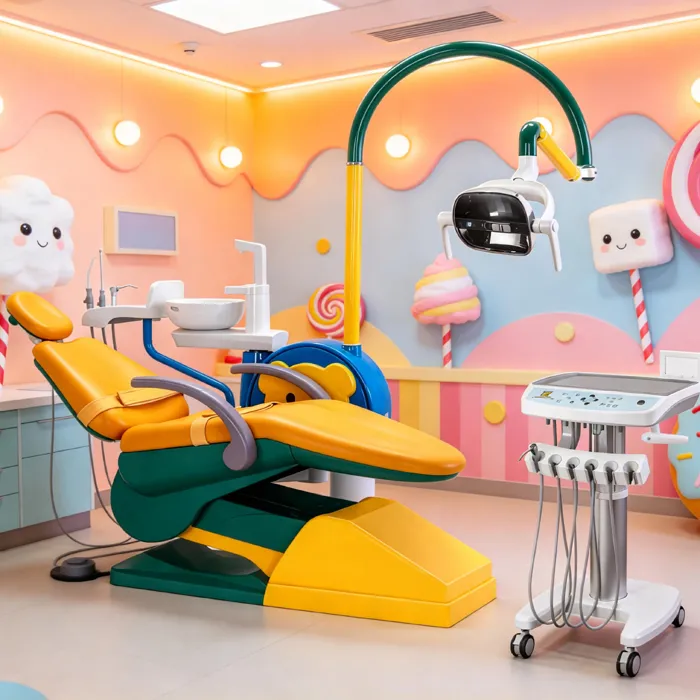
Why Can't Pediatric Dental Chair Units Be Simply Equated with Regular Dental Chair Units?
In the equipment selection process, it's essential to understand a core concept: pediatric dental chair units are not simply scaled-down adult dental chair units. Although both belong to the dental chair unit system, there are significant differences in design philosophy and functional details.
Pediatric patients typically exhibit the following characteristics:
• Smaller stature and build
• Emotional sensitivity
• More prone to anxiety in their environment
• Poorer postural stability
Therefore, pediatric dental chair units must fully consider these differences during design. Simply using a standard dental chair unit often fails to meet the needs of pediatric patients.
How should the size and structure of a pediatric dental chair unit be chosen?
Is size design the primary consideration?
When selecting a pediatric dental chair unit, size matching is paramount. Children's height and weight differ significantly from adults; therefore, the following aspects of the dental chair unit:
• Seat width
• Backrest length
• Height adjustment range
• Headrest adjustment range
all need to be tailored to children's usage characteristics.
If the structural proportions of the dental chair unit are unreasonable, it may affect the child's postural stability, thereby impacting operational efficiency. Therefore, when selecting a pediatric dental chair unit, priority should be given to whether its ergonomic design is optimized for children.
What aspects of the safety performance of pediatric dental chair units require special attention?
Why are safety standards for pediatric dental chair units even more critical?
Children are more prone to sudden movements or emotional fluctuations during treatment, therefore, dental chair units must have a higher level of safety.
When choosing a pediatric dental chair unit, pay close attention to:
• The smoothness of the height adjustment system
• The smoothness of the backrest adjustment
• The presence of an anti-pinch design
• The smoothness of the armrests and edges
The mechanical structure of the dental chair unit must ensure stability while avoiding sharp corners and exposed parts to reduce potential risks.
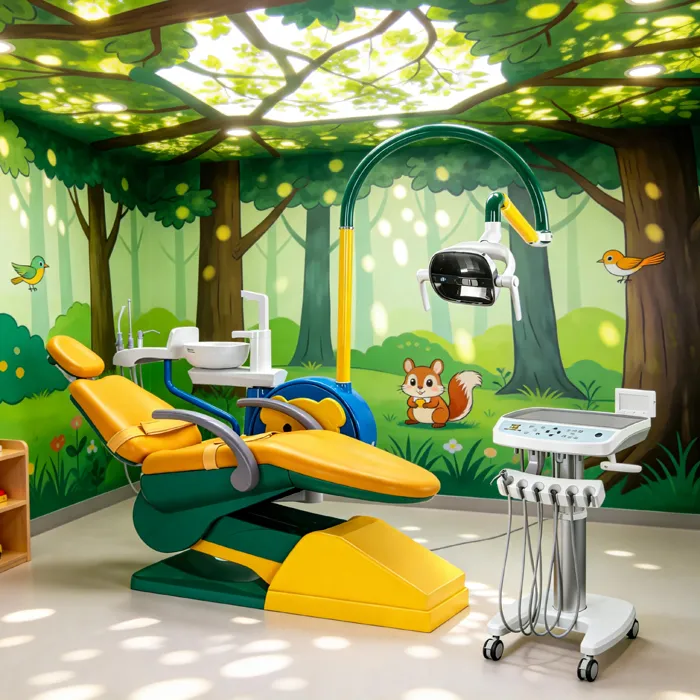
Does the comfort of a pediatric dental chair unit affect treatment cooperation?
In what ways is comfort important for pediatric patients?
The comfort of a pediatric dental chair unit is more than just "sitting comfortably"; it directly affects the child's cooperation during treatment.
When choosing a dental chair unit, consider:
• The softness of the seat cushion material
• The appropriateness of the backrest support
• The suitability of the headrest for a child's neck structure
A comfortable dental chair unit can alleviate children's anxiety and improve the stability of the treatment process.
Is the appearance design of a pediatric dental chair unit important?
Many equipment purchasers tend to overlook aesthetic design, but visual elements are crucial for pediatric dental chair units.
Why does appearance affect a child's experience?
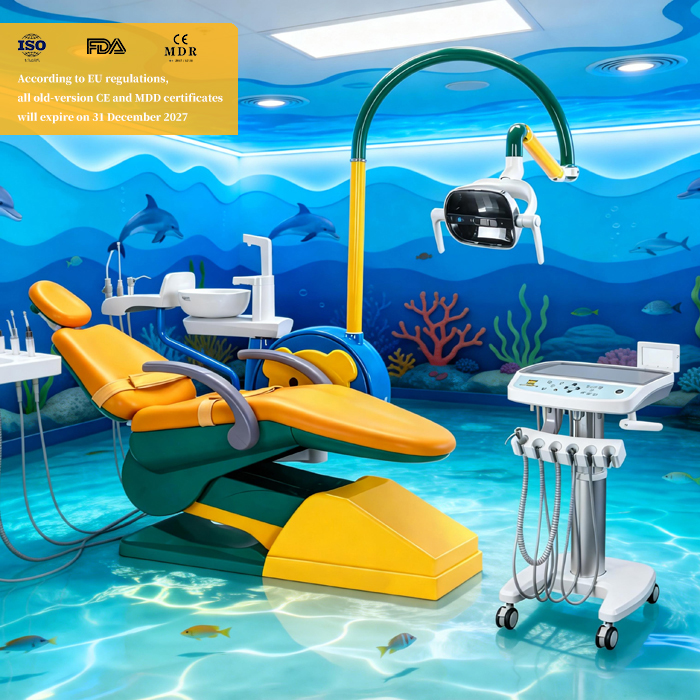
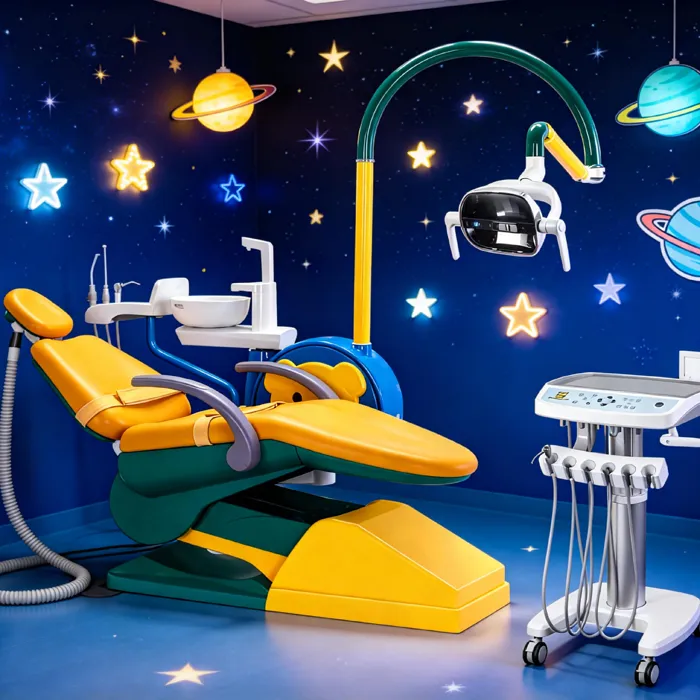
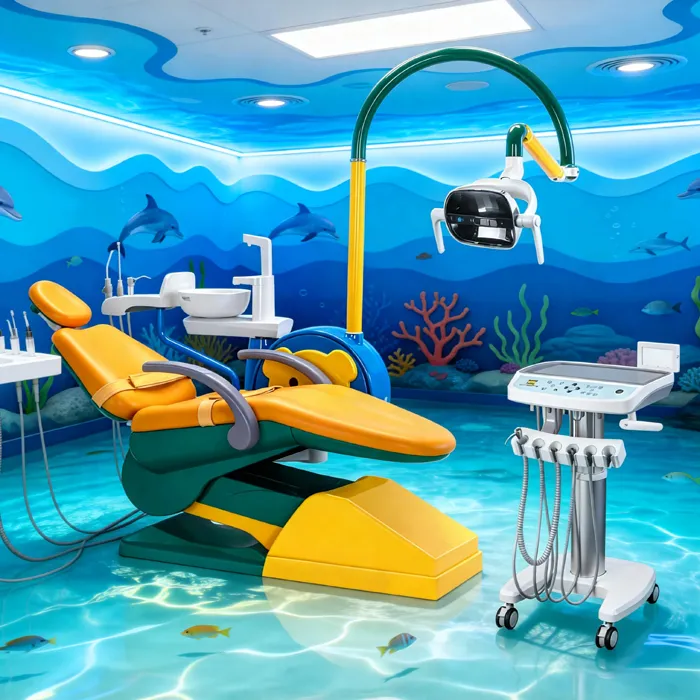
Children are more easily influenced by their environment. A dental chair unit with a harsh appearance and monotonous colors may increase psychological stress.
Therefore, when choosing a pediatric dental chair unit, consider:
• Soft colors
• Approachable design
• Overall visual appeal
While appearance doesn't directly affect the functionality of the dental chair unit, it can influence a child's emotional stability.
How should the functional configuration of a pediatric dental chair unit be balanced?
Is it necessary to use the same functional modules as an adult dental chair unit?
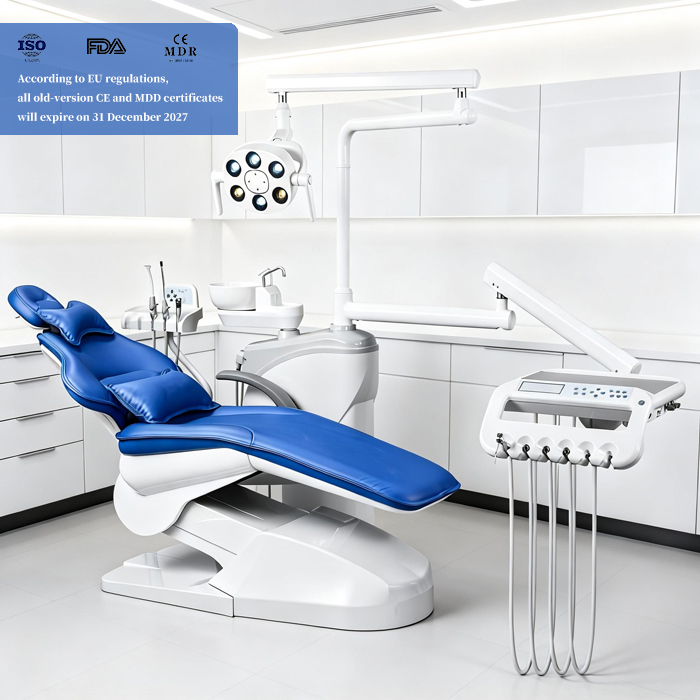
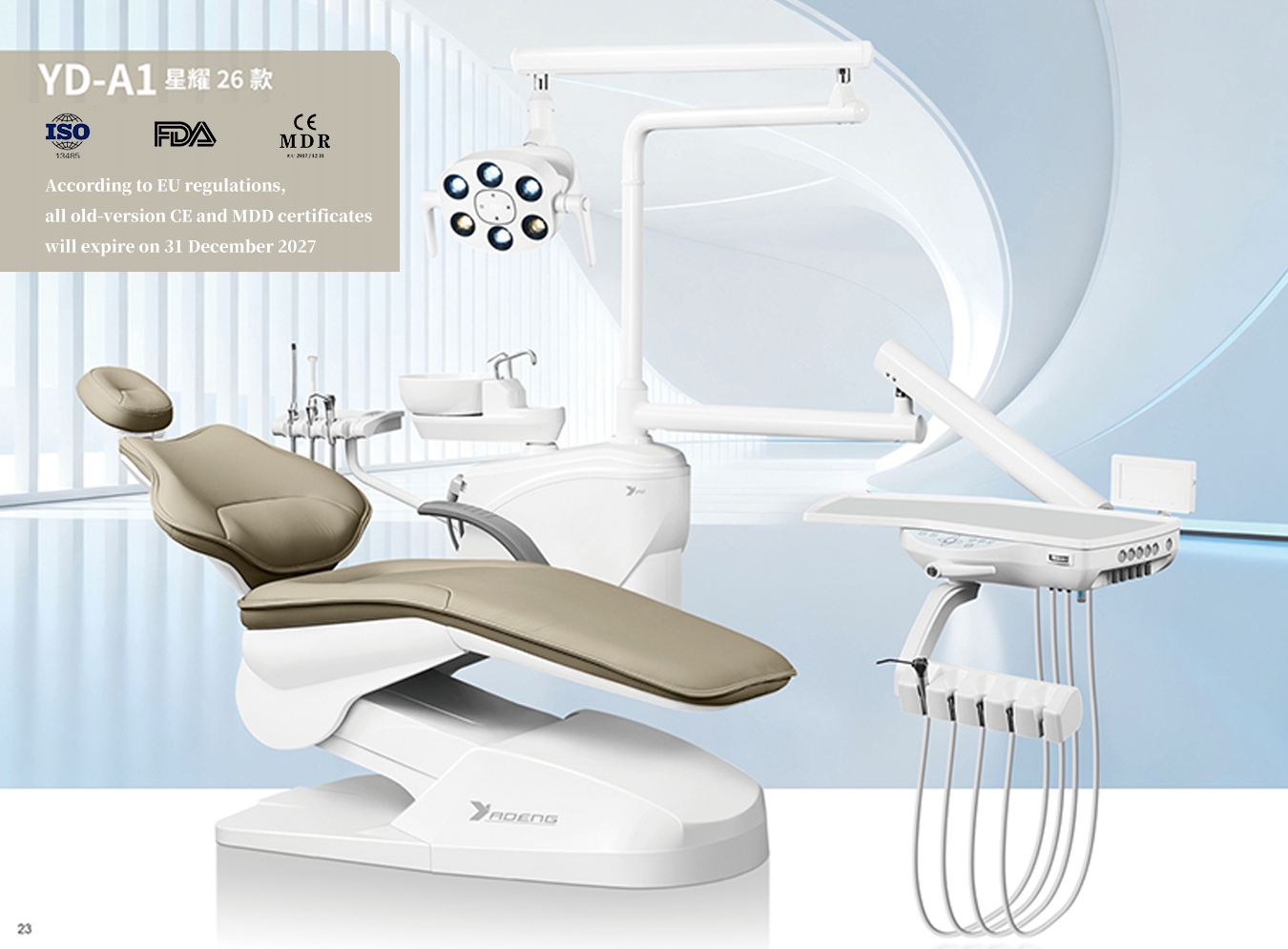
Structurally, a pediatric dental chair unit is still a complete dental chair unit system, typically including:
• Chair system
• Water system
• Air system
• Control system
When choosing, focus on whether the functions meet the treatment needs, rather than blindly pursuing complex configurations. Overly complex dental chair units may increase operational difficulty and create unnecessary maintenance burdens.
Is stability more important for pediatric dental chair units than for regular dental chair units?
Stability is a core indicator for all dental chair units, but it is especially important for pediatric dental chair units.
Why is stability more critical?
Children are lighter but less agile. An unbalanced base design in the dental chair unit can affect overall balance.
When choosing a pediatric dental chair unit, you should check:
• Is the base structure stable?
• Does it wobble during height adjustment?
• Is the backrest adjustment smooth?
A stable dental chair unit reduces the risk of accidents and improves the controllability of the treatment process.
Does the ease of cleaning and maintenance of pediatric dental chair units require special attention?
Because stains or liquid residue are more likely to accumulate during children's treatments, the ease of cleaning the dental chair unit is particularly important.
Consider the following when choosing:
• Are the surface materials easy to clean?
• Are there any hard-to-reach corners?
• Is the control panel waterproof?
The simpler the structure of the dental chair unit, the easier it is to maintain later.
How to determine if a pediatric dental chair unit fits the clinic's space plan?
Why is space compatibility important?
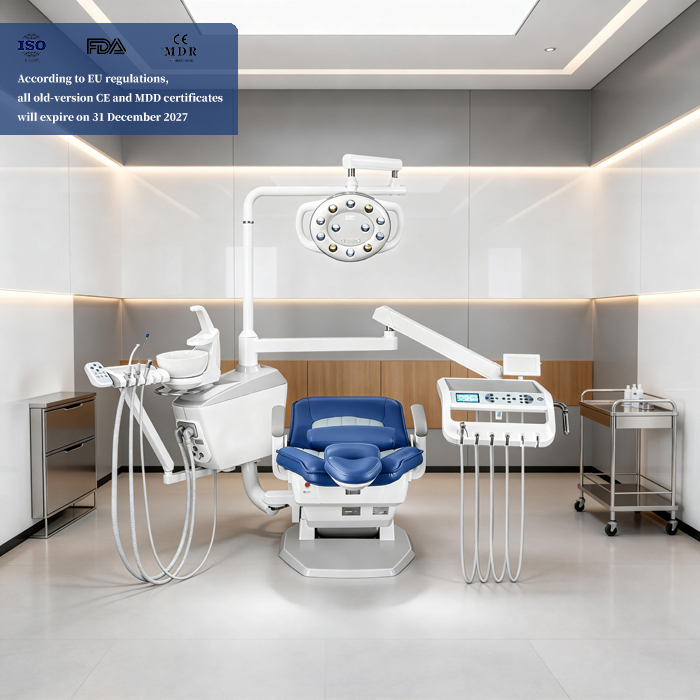
Pediatric treatment areas typically require a relaxed environment, and their spatial layout often differs from adult areas. Therefore, the size, installation method, and placement of auxiliary equipment in the dental chair unit must be coordinated with the overall space.
When selecting a pediatric dental chair unit, consider:
• Footprint
• Instrument layout
• Compatibility with auxiliary equipment
A well-matched dental chair unit improves the overall flow of treatment.
Should ease of operation be considered when selecting a pediatric dental chair unit?
Dental chair units serve not only patients but also the operators. Therefore, ease of operation is equally important.
Consider:
• Intuitive control system
• Sensitive operating response
• Smooth function switching
A smoothly operating dental chair unit can improve treatment efficiency.
Should the durability of the pediatric dental chair unit be a primary assessment?
Durability is a fundamental requirement for all dental chair units. Although pediatric dental chair units are smaller, their usage frequency may be just as high.
When selecting a dental chair, pay attention to:
• Structural material strength
• Lifting system durability
• Interface component stability
A durable dental chair unit can maintain stable operation over a long period.
How does Yadeng Medical approach customer service?
Customer service is a core strength at Yadeng Medical. Beyond manufacturing, our company provides detailed product consultation, configuration guidance, and technical documentation to support a smooth purchasing experience. Buyers who purchase dental equipment from our factory receive professional assistance throughout the order process. We aim to build long-term supplier relationships rather than one-time transactions.
