
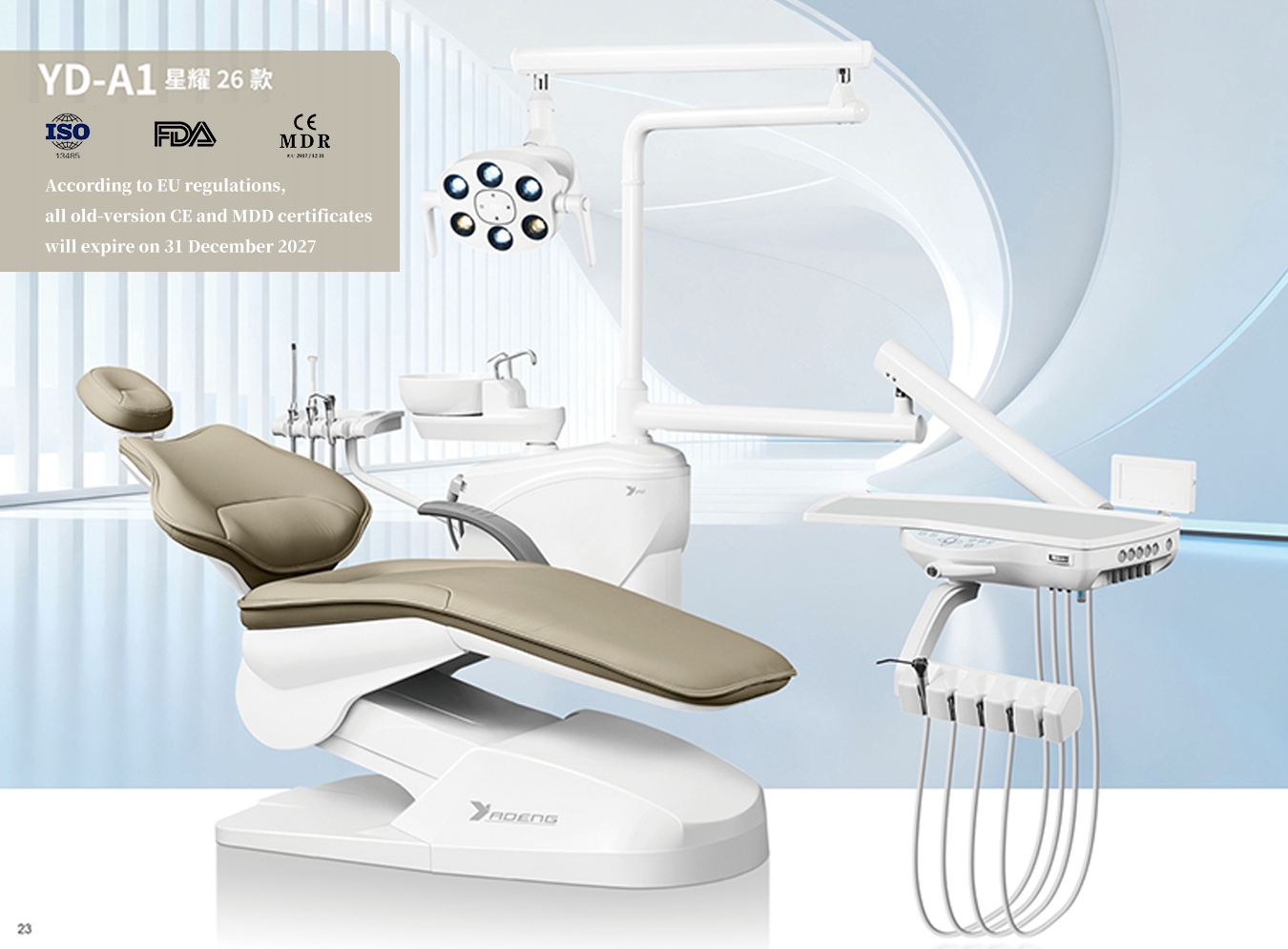
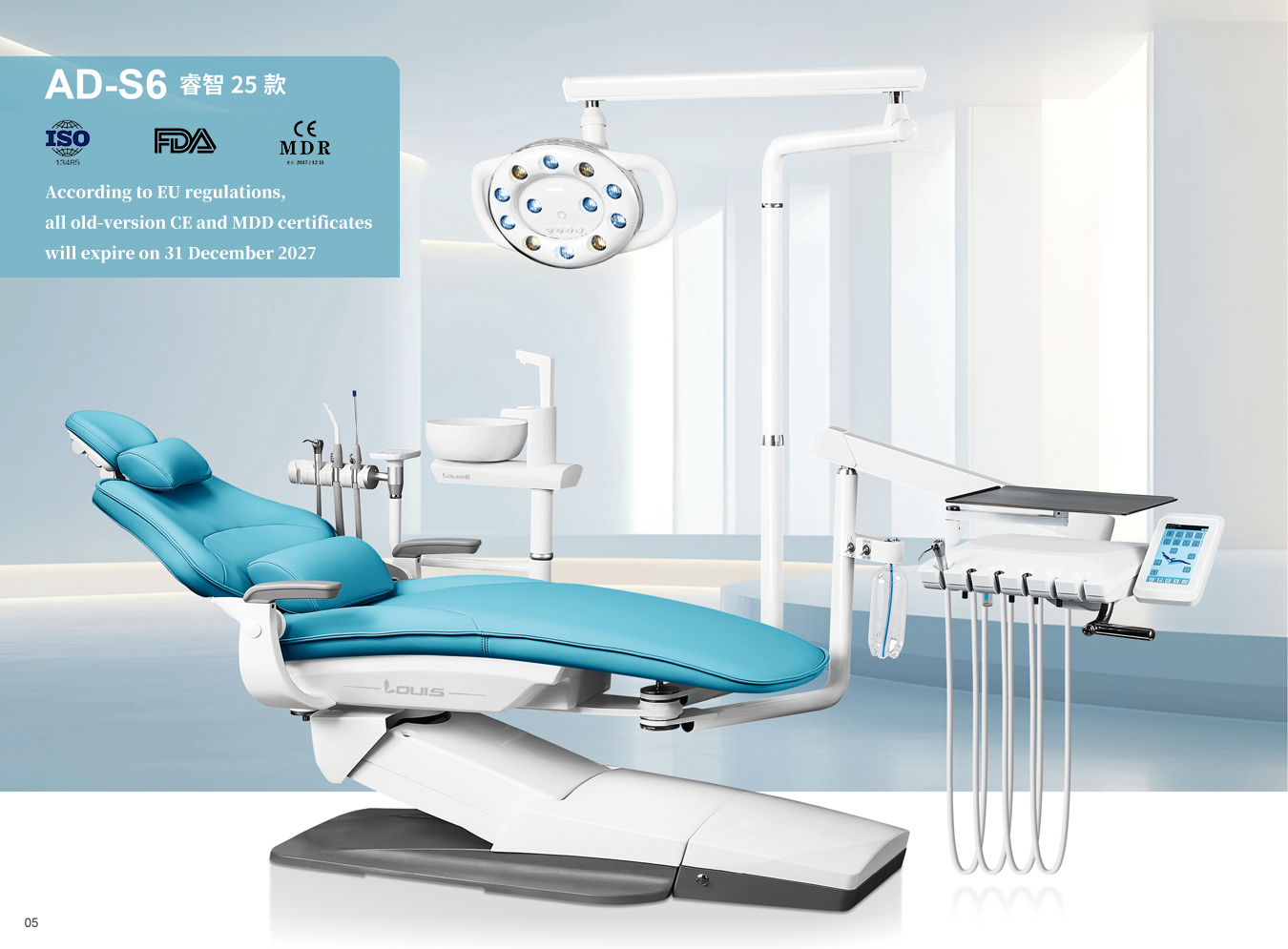
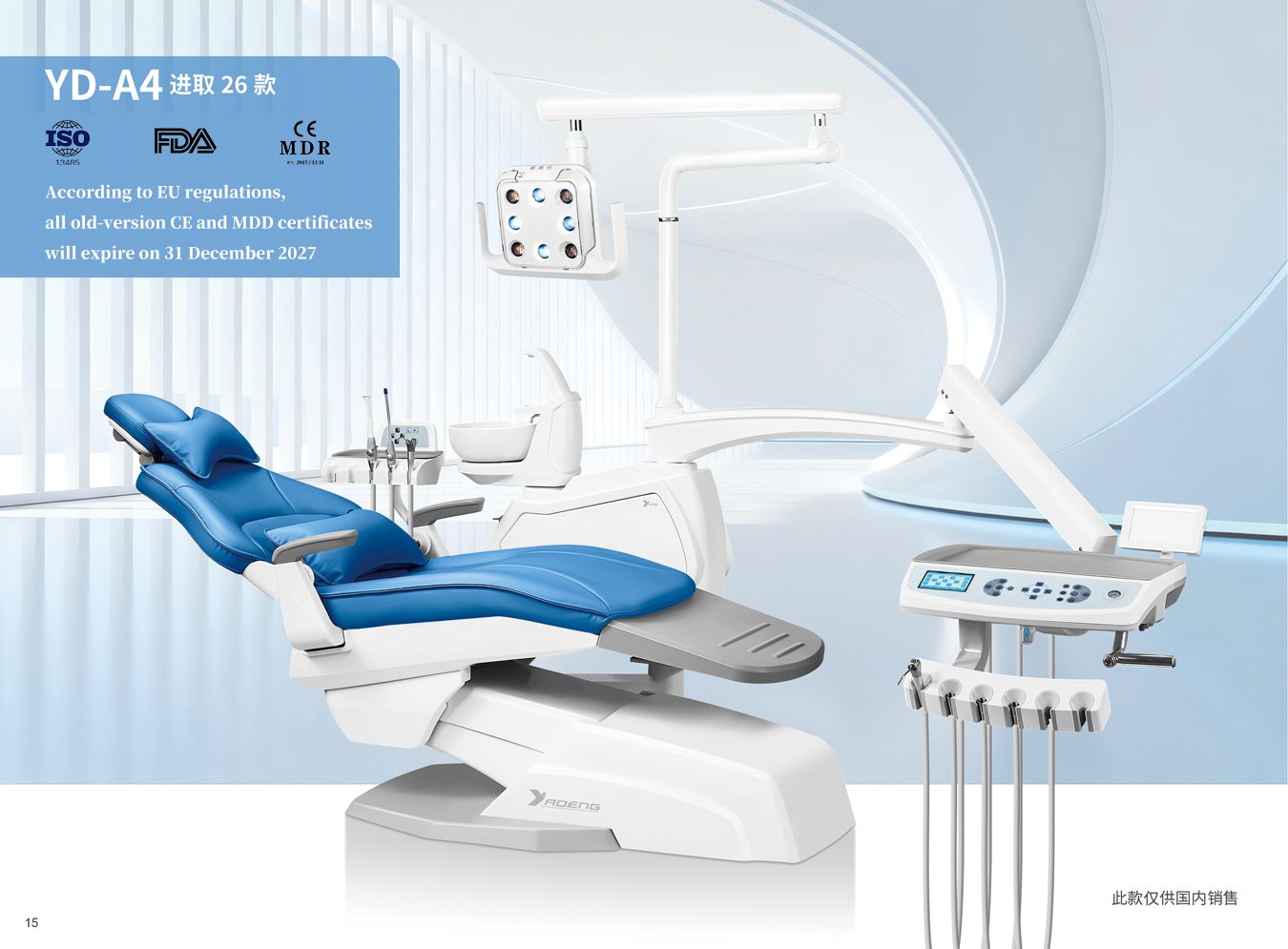
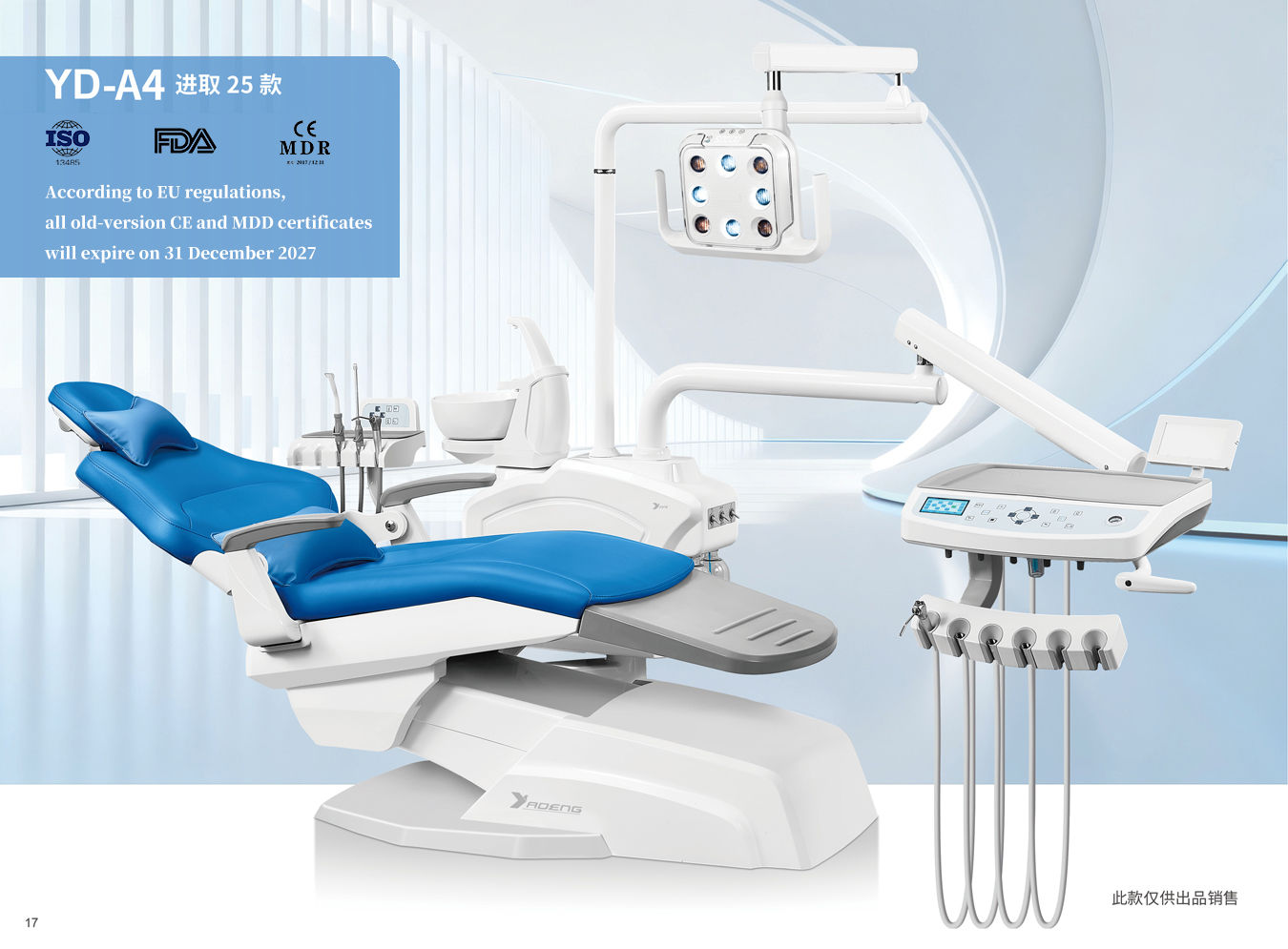
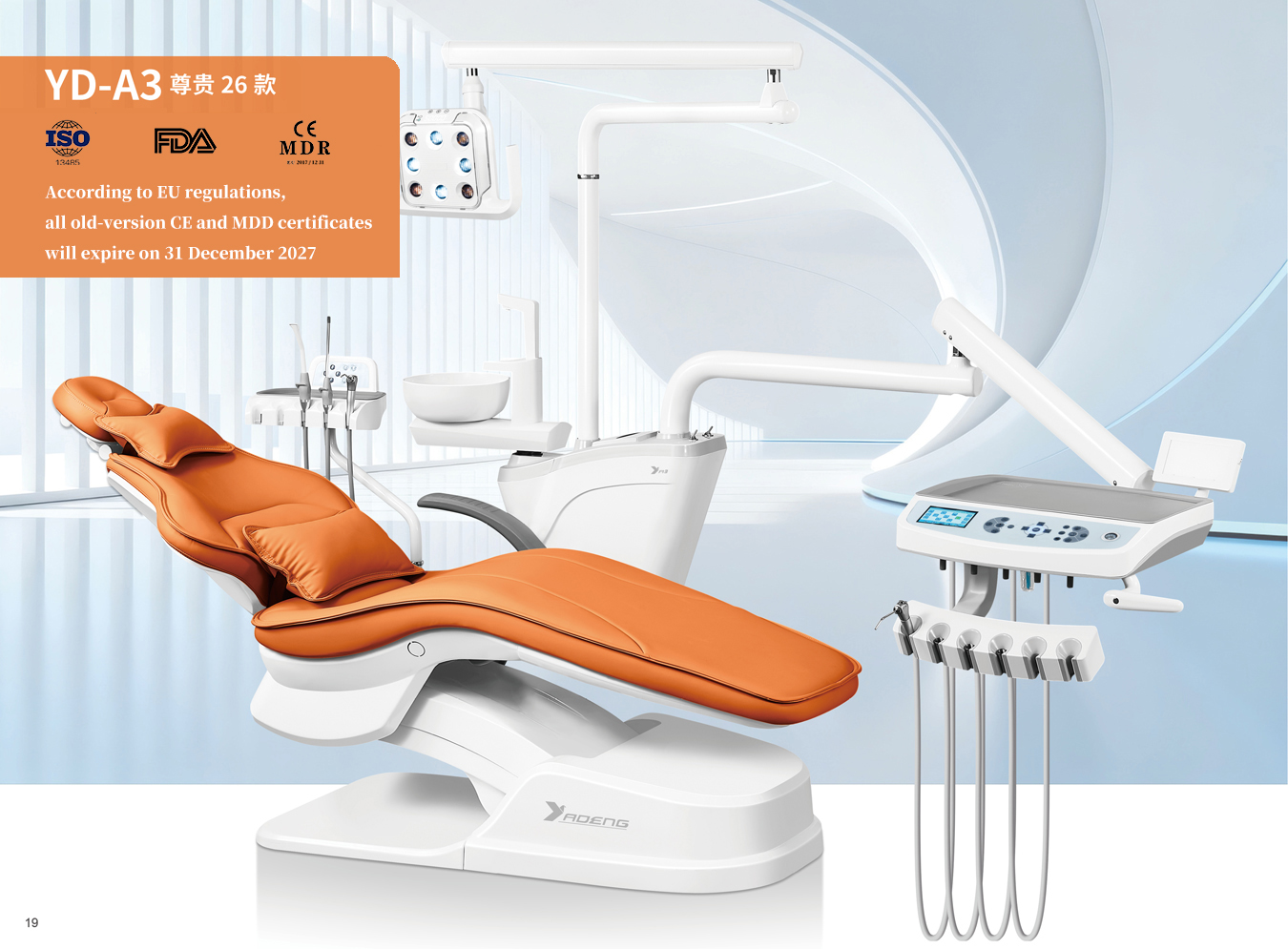
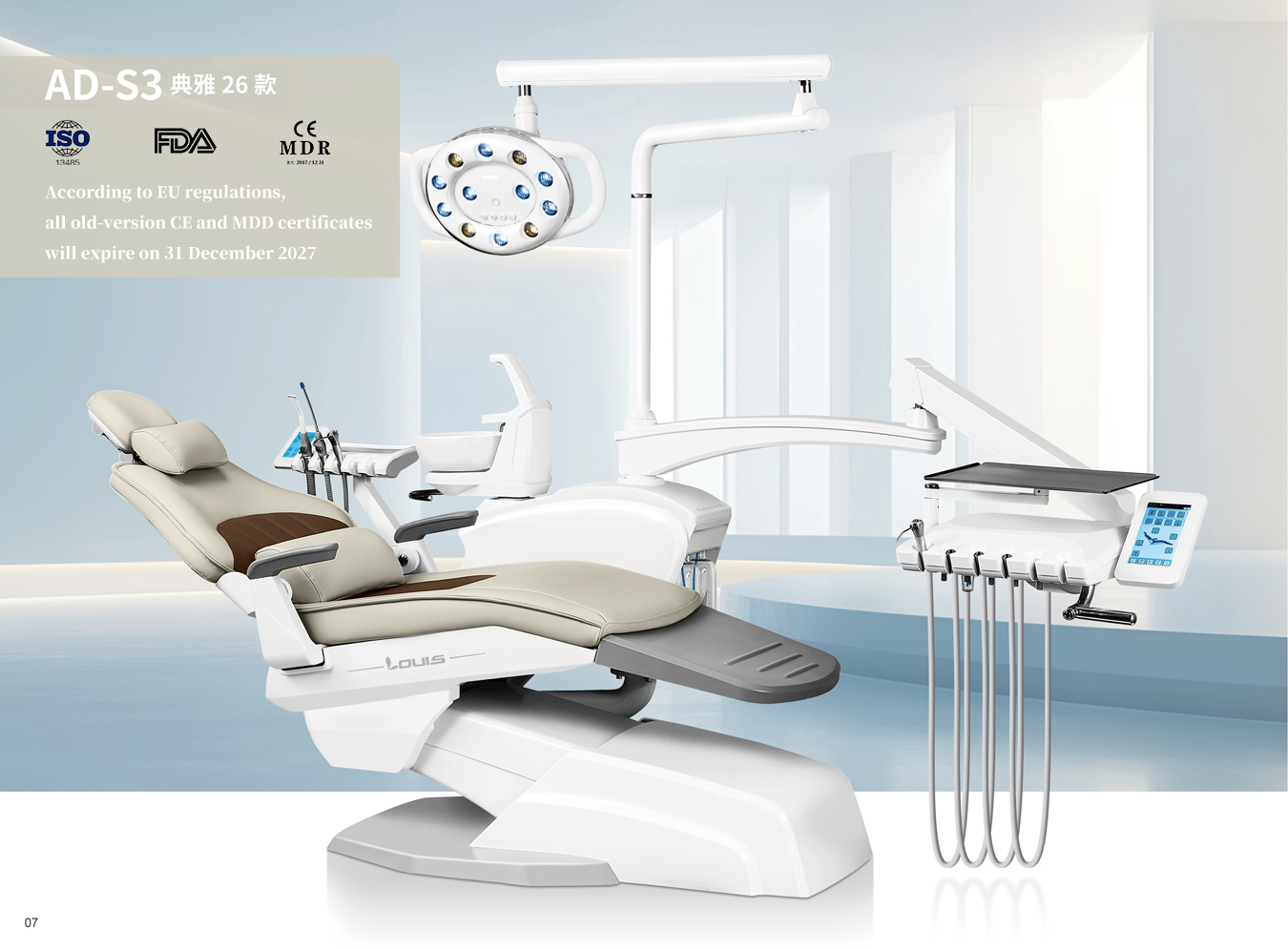
In the daily operation of a dental clinic, the dental chair unit is one of the most frequently used and highly integrated core pieces of equipment. Unlike single-function devices, dental chair units typically need to coordinate the operation of multiple systems simultaneously, including mechanical, electrical, plumbing, and pneumatic systems.
Due to its complex structure and high usage frequency, dental chair units inevitably experience various types of malfunctions during long-term operation. So, what are the common malfunctions of dental chair units? And in which systems do these malfunctions usually occur?
This article will start with the overall structure of the dental chair unit and systematically outline the most frequently mentioned and representative types of malfunctions in practical use, helping readers understand the malfunction logic of dental chair units from a professional perspective, rather than just superficial observations.
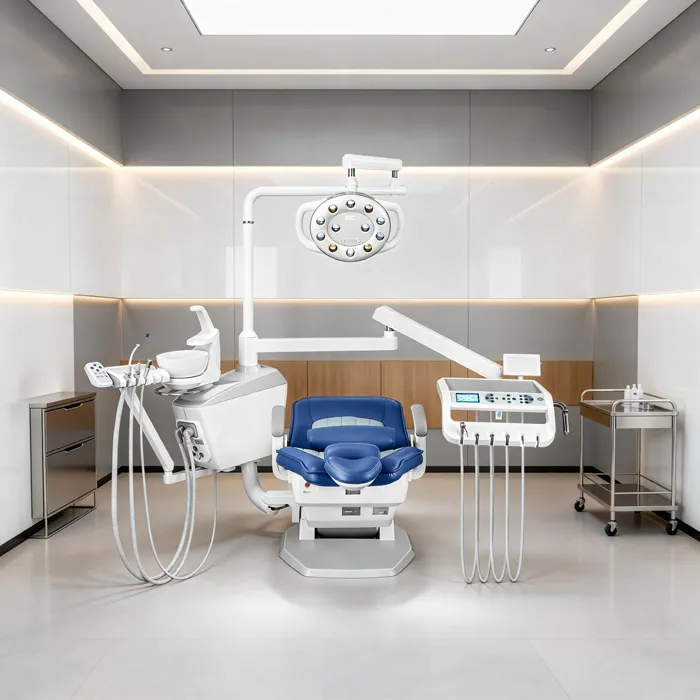
Why are dental chair units more prone to malfunction than individual devices?
A dental chair unit is not "a single device," but a comprehensive system.
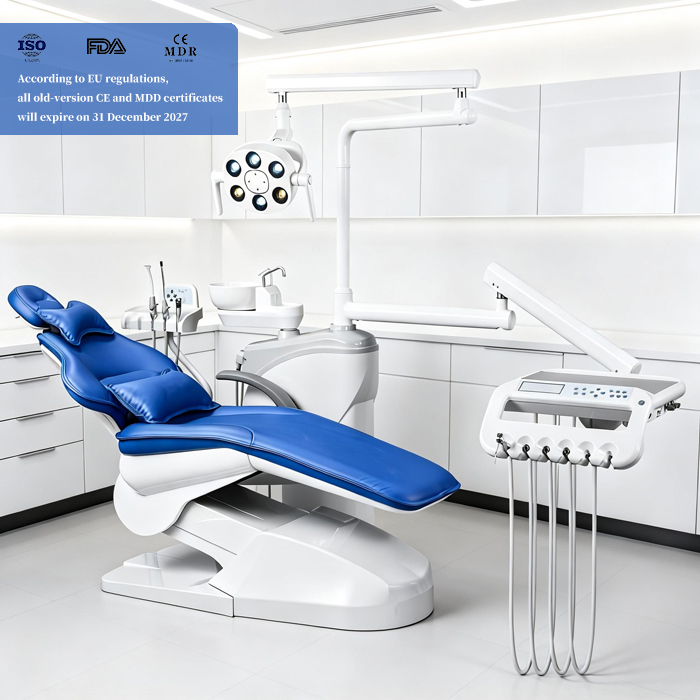
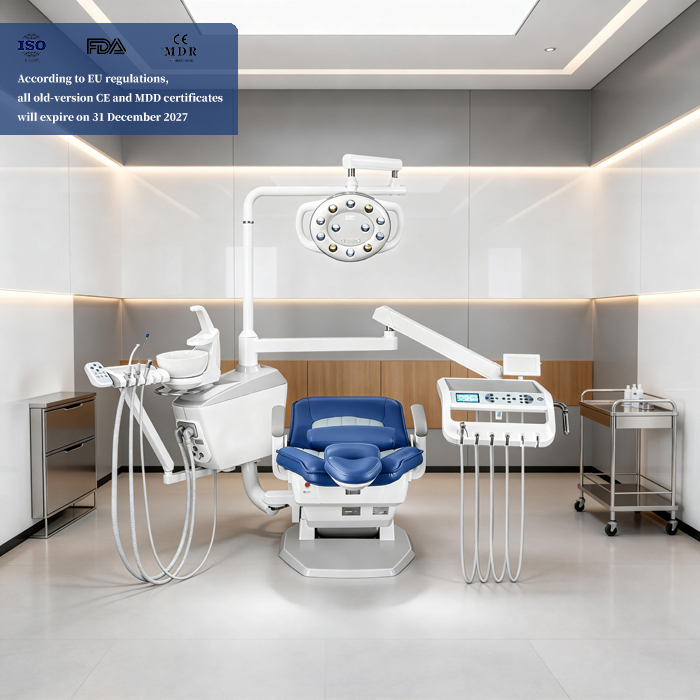
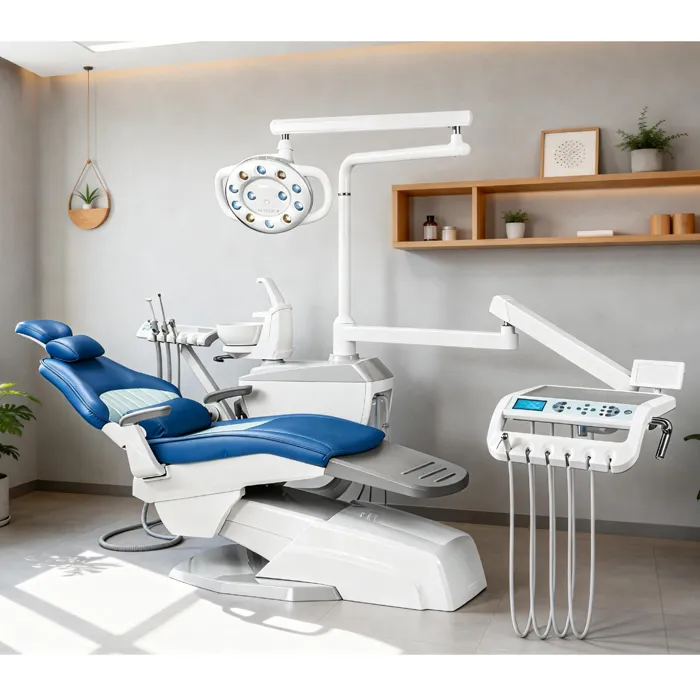
A complete dental chair unit typically includes:
• Chair height and backrest adjustment system
• Electrical and signal control system
• Hydraulic system
• Pneumatic system
• Doctor and assistant operating modules
These systems are not independent but highly coupled. If any subsystem malfunctions, it can manifest as a complete "failure" of the dental chair unit.
Therefore, dental chair unit failures are often not single-point problems but rather external manifestations of system-wide issues.
What are the most common mechanical structural failures of dental chair units?
The mechanical structure is the most fundamental component of a dental chair unit and one of the systems that bears the heaviest physical load.
Common mechanical failures of dental chair units during long-term use include:
• Unsmooth chair height adjustment
• Jet-like movements during backrest adjustment
• Abnormal resistance in moving parts
• Unstable chair positioning
These problems are usually related to the internal transmission structure, connecting parts, or prolonged heavy-duty use of the dental chair unit. Because dental chair units frequently bear the weight of patients, fatigue and wear of the mechanical structure are significant factors.
What problems are common with the electronic control system of a dental chair unit?
The electronic control system is the "central nervous system" of a modern dental chair unit, responsible for coordinating chair movements, signal responses, and the linkage of some accessories.
In actual use, common problems with the electronic control system of a dental chair unit include:
• Slow response to control signals
• Inability to execute certain function commands
• Interruption or abnormal stop of chair movements
• Unstable response of the control panel
It is important to note that these types of faults do not necessarily mean that the electronic control system is completely damaged; sometimes it is simply a signal transmission abnormality or interference in the system logic. However, from the user's perspective, it is often directly perceived as a "dental chair unit malfunction."
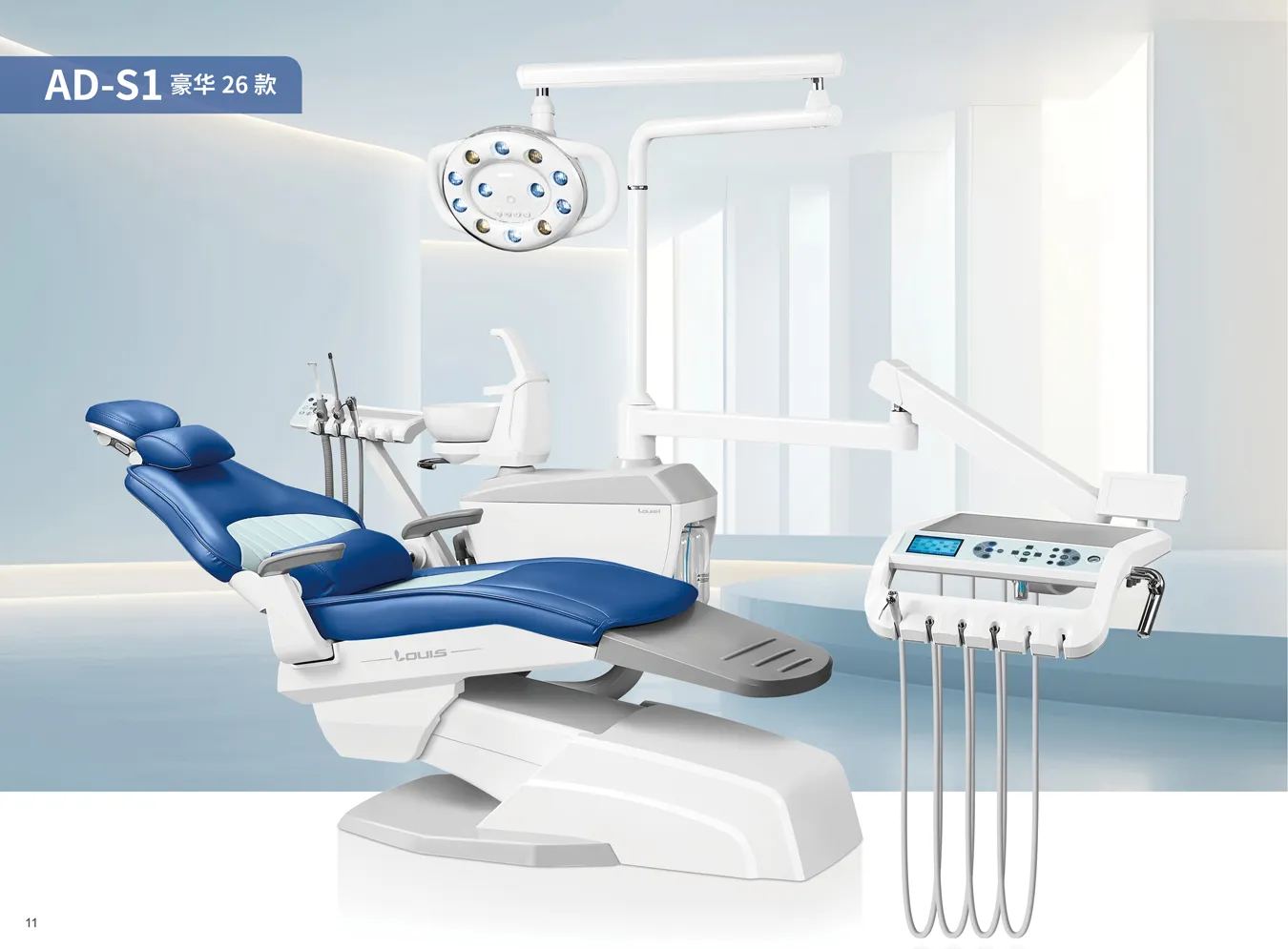
Why is the water system of a dental chair unit often a source of failure?
The water system is a very easily overlooked, yet extremely critical, part of the dental chair unit.
The water system of a dental chair unit typically involves:
• Water supply lines
• Control valves
• Drainage channels
• Multiple connection interfaces
Problems that may occur in the water system of a dental chair unit during long-term use include:
• Unstable water flow
• Abnormal water volume
• Increased internal resistance in the pipes
• Degraded sealing performance at the interfaces
Because the water system runs through multiple modules of the dental chair unit, any abnormality often affects the normal operation of multiple functional modules.
What are the manifestations of dental chair unit malfunctions related to the pneumatic system?
Besides the water system, the pneumatic system is also a common area of concentrated failure in dental chair units.
Typical problems that may occur in the pneumatic system of a dental chair unit include:
• Unstable air pressure
• Delayed air response
• Malfunction of certain pneumatic functions
These problems are usually related to air connections, air pressure control, and the condition of internal pneumatic components. Because the pneumatic system has high requirements for sealing and stability, any minor abnormality can be amplified into significant operational problems.
Why do the operating modules of a dental chair unit also malfunction?
The dentist's control module and assistant's control module are the most frequently used parts of a dental chair unit.
Common related problems include:
• Incorrect triggering of operation commands
• Inaccurate control feedback
• Abnormal linkage between the control module and the chair
These types of malfunctions do not necessarily originate from the control module itself; sometimes they may be due to signal transmission or system coordination issues. However, in practice, they are often directly categorized as "dental chair unit operation malfunctions."
Are dental chair unit malfunctions often manifest as "complex problems"?
This is a significant characteristic of dental chair unit malfunctions.
Unlike single-function devices, many dental chair unit malfunctions are not isolated.
For example:
• A control malfunction may simultaneously affect height adjustment and backrest adjustment.
• A water system problem may indirectly affect multiple accessory functions.
Therefore, in actual use, dental chair unit malfunctions often present with multiple symptoms simultaneously, which is why diagnosing dental chair unit malfunctions is relatively complex.
Why do the same dental chair unit malfunctions manifest differently on different devices?
Even within the same type of dental chair unit, different configurations, usage intensities, and environmental conditions can lead to varying failure patterns.
Influencing factors typically include:
• Usage frequency
• System integration method
• Internal structural layout
• Long-term load conditions
Therefore, discussions of dental chair unit failures in the industry focus more on the type of failure and system-level issues, rather than a specific manifestation.
Is dental chair unit failure directly related to its age?
Age is indeed one of the important factors affecting the probability of dental chair unit failure.
With increased usage time, the mechanical components, electrical connections, and water/air systems within the dental chair unit will gradually experience performance changes. These changes may not be obvious in the early stages, but over time, they will gradually manifest as functional abnormalities or operational instability.
However, it is important to emphasize that age is not the only determining factor. Usage intensity, system design, and daily management methods also affect the failure pattern of dental chair units.
How to understand "common failures" of dental chair units from a system perspective?
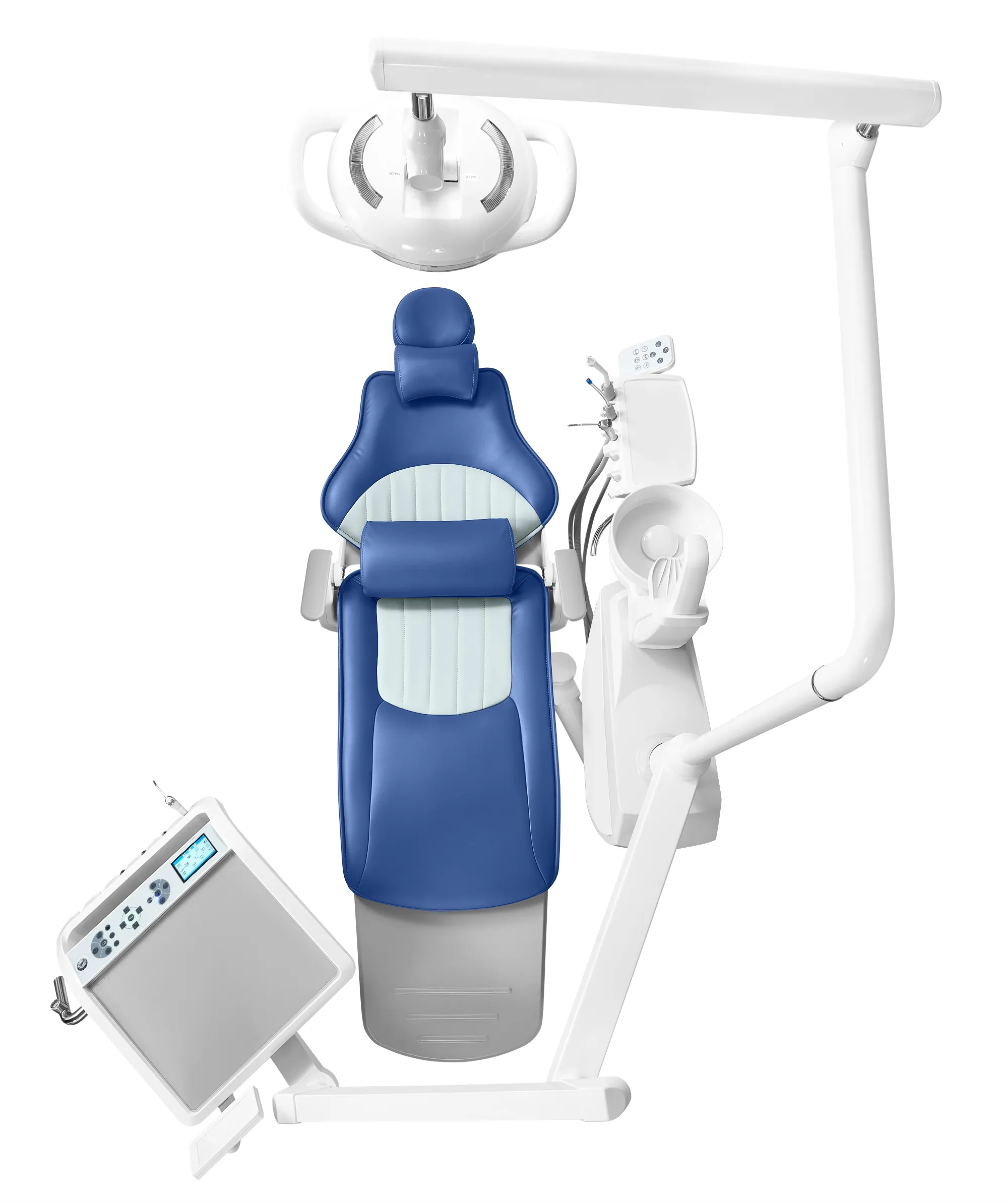
From a professional perspective, common dental chair unit malfunctions can be categorized into four main system levels:
1. Mechanical structure issues
2. Electrical control and signal system issues
3. Water system issues
4. Pneumatic system issues
These problems are not isolated but interconnected and mutually influential. Understanding this helps in a more rational view of the various malfunctions of dental chair units during long-term use.
How experienced is Yadeng in dental equipment manufacturing?
Founded in 2014, our company has accumulated years of professional experience as a dental equipment manufacturer and supplier. Over time, we have continuously improved our production processes and introduced advanced international technologies. Our factory focuses on manufacturing safe, efficient, and high-quality dental chairs and units for the global market.
