

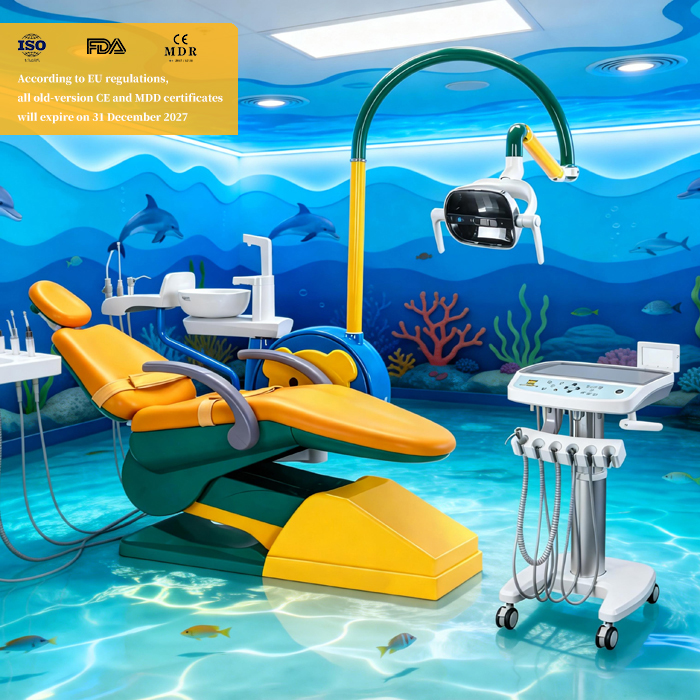
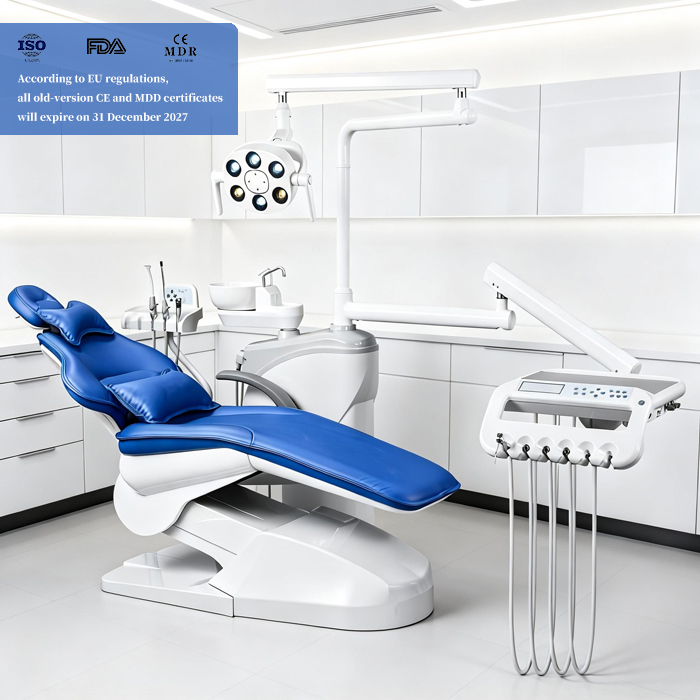
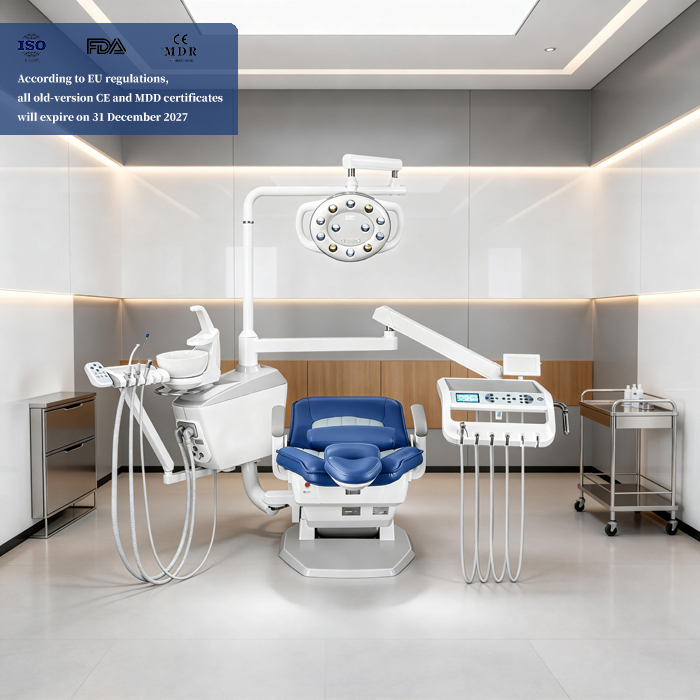
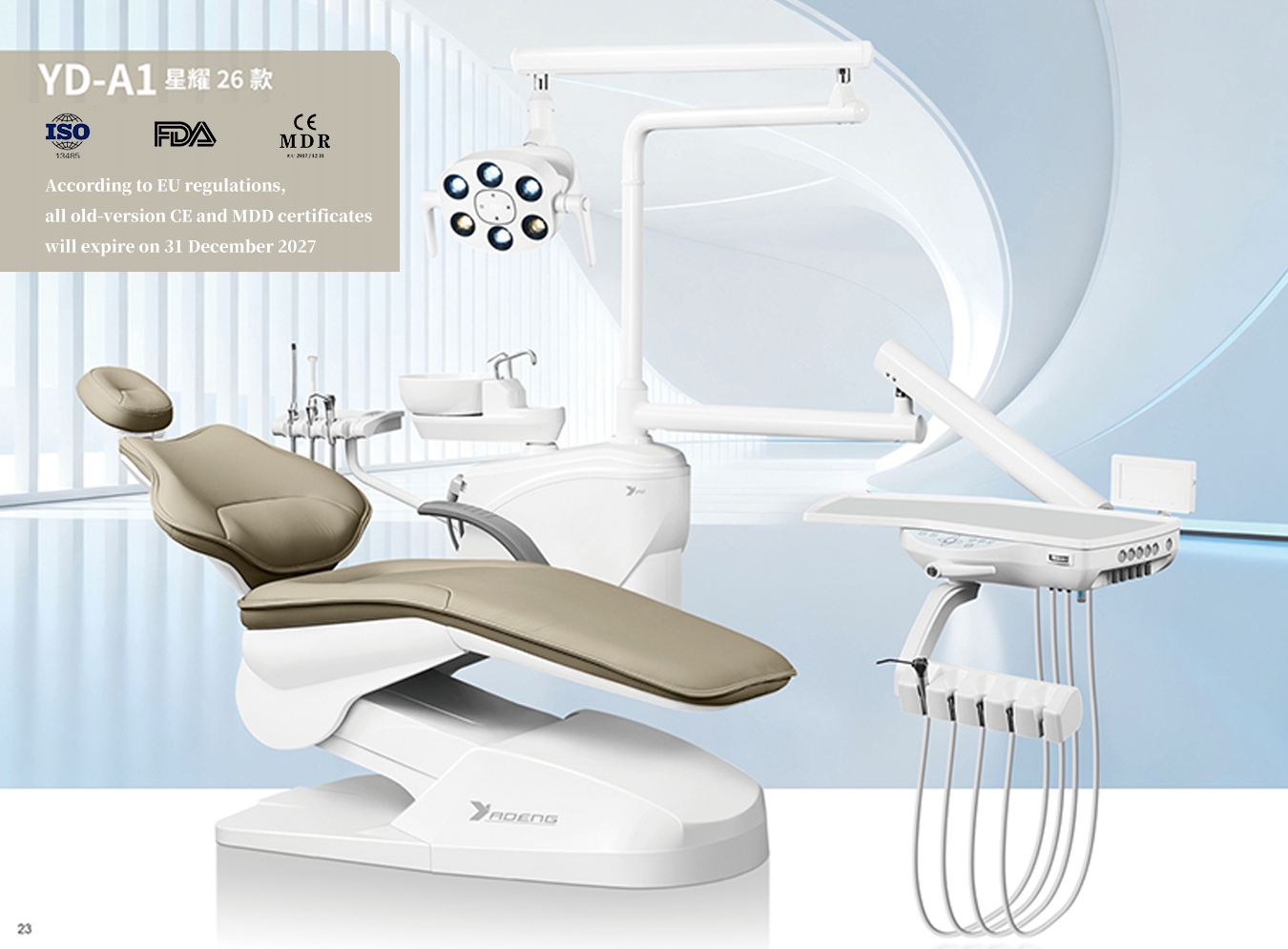
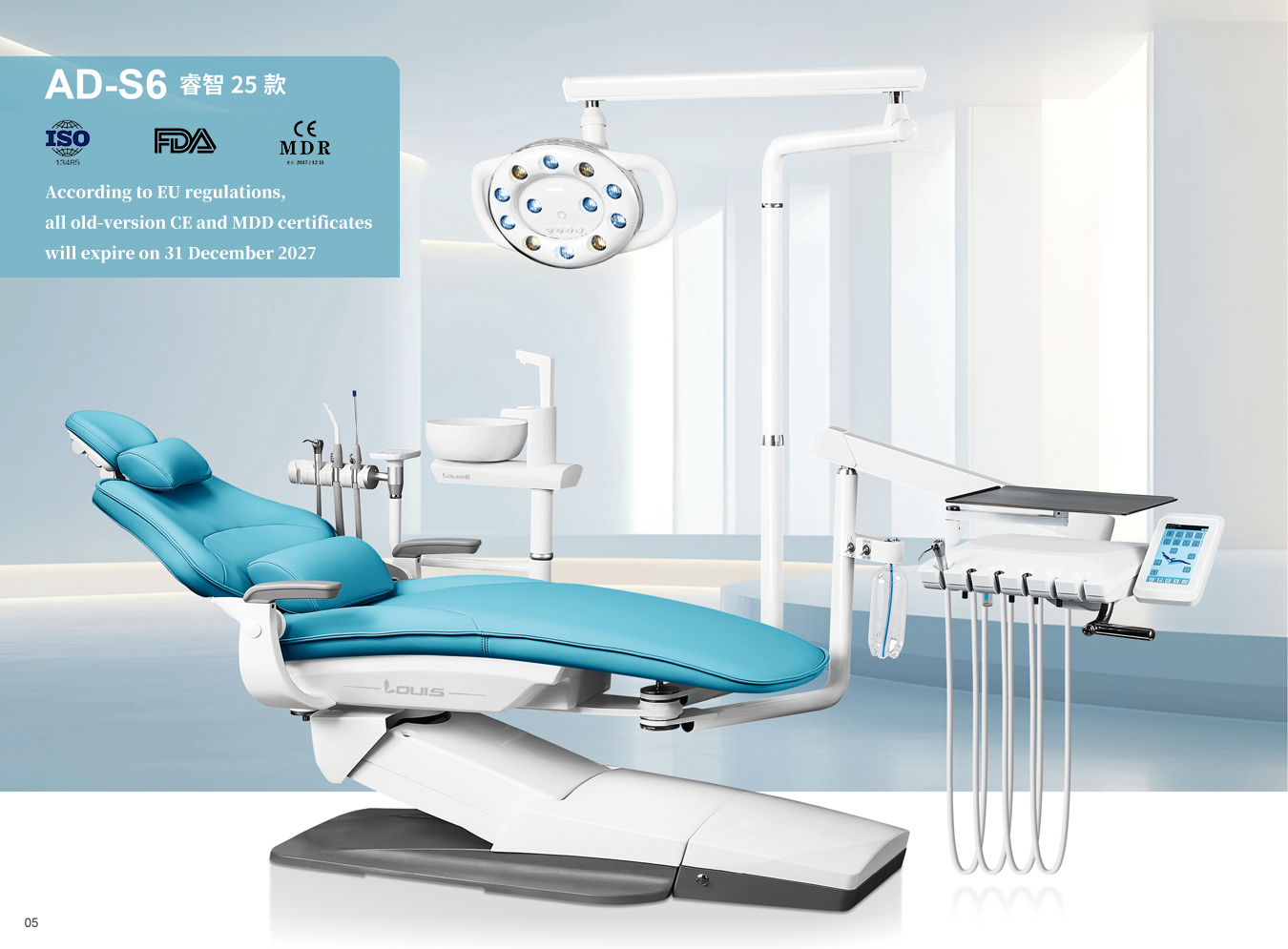
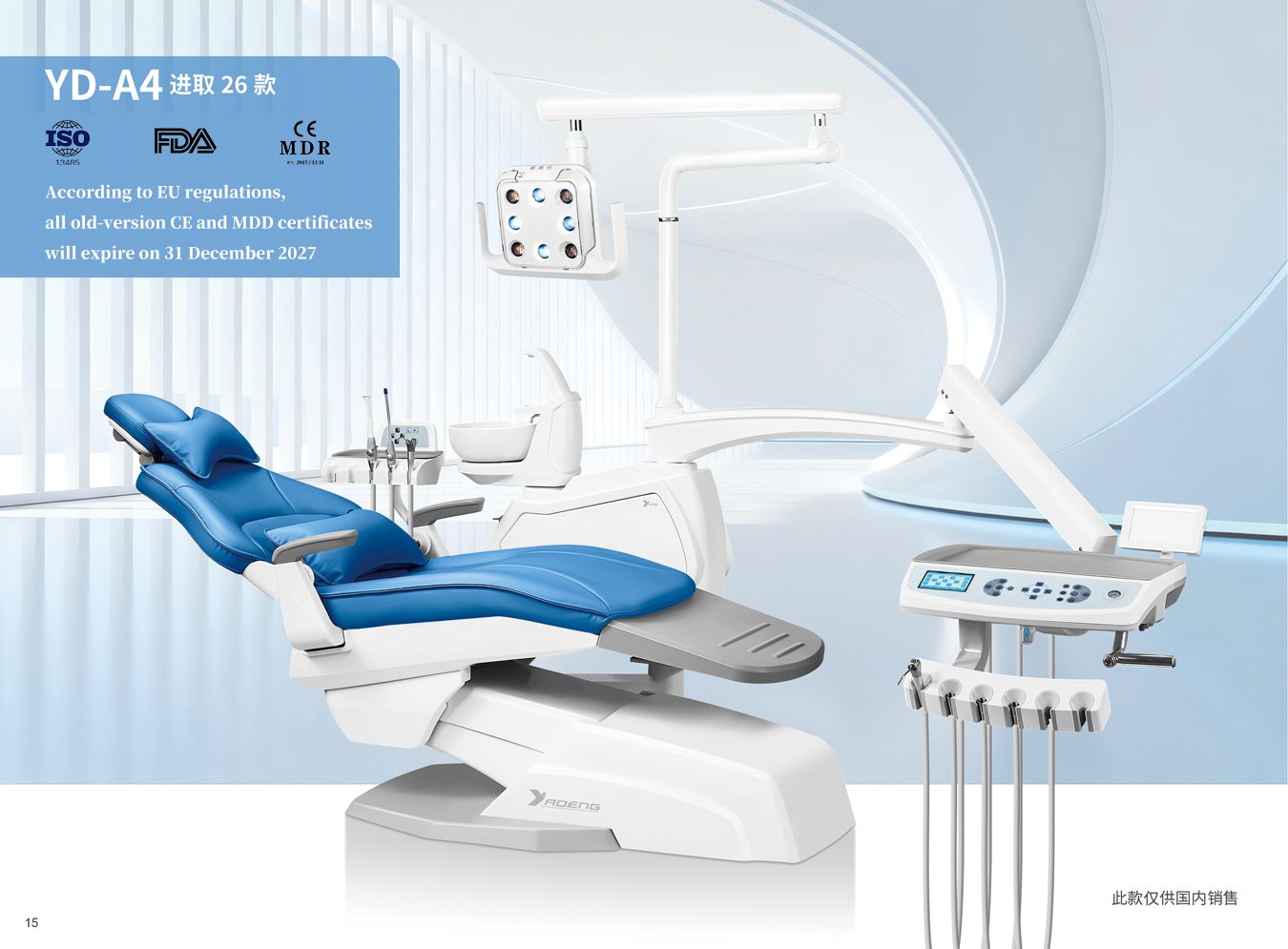
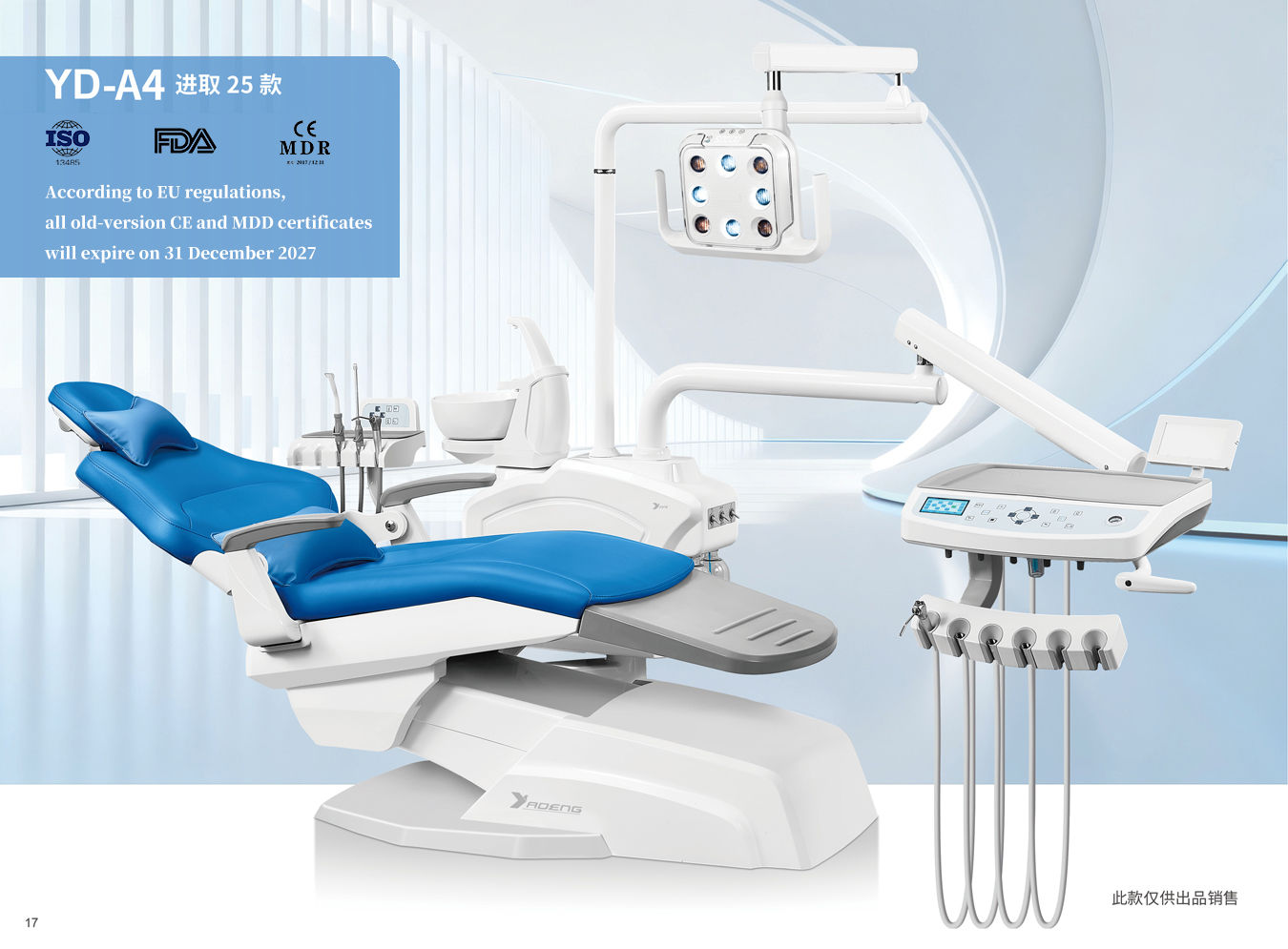
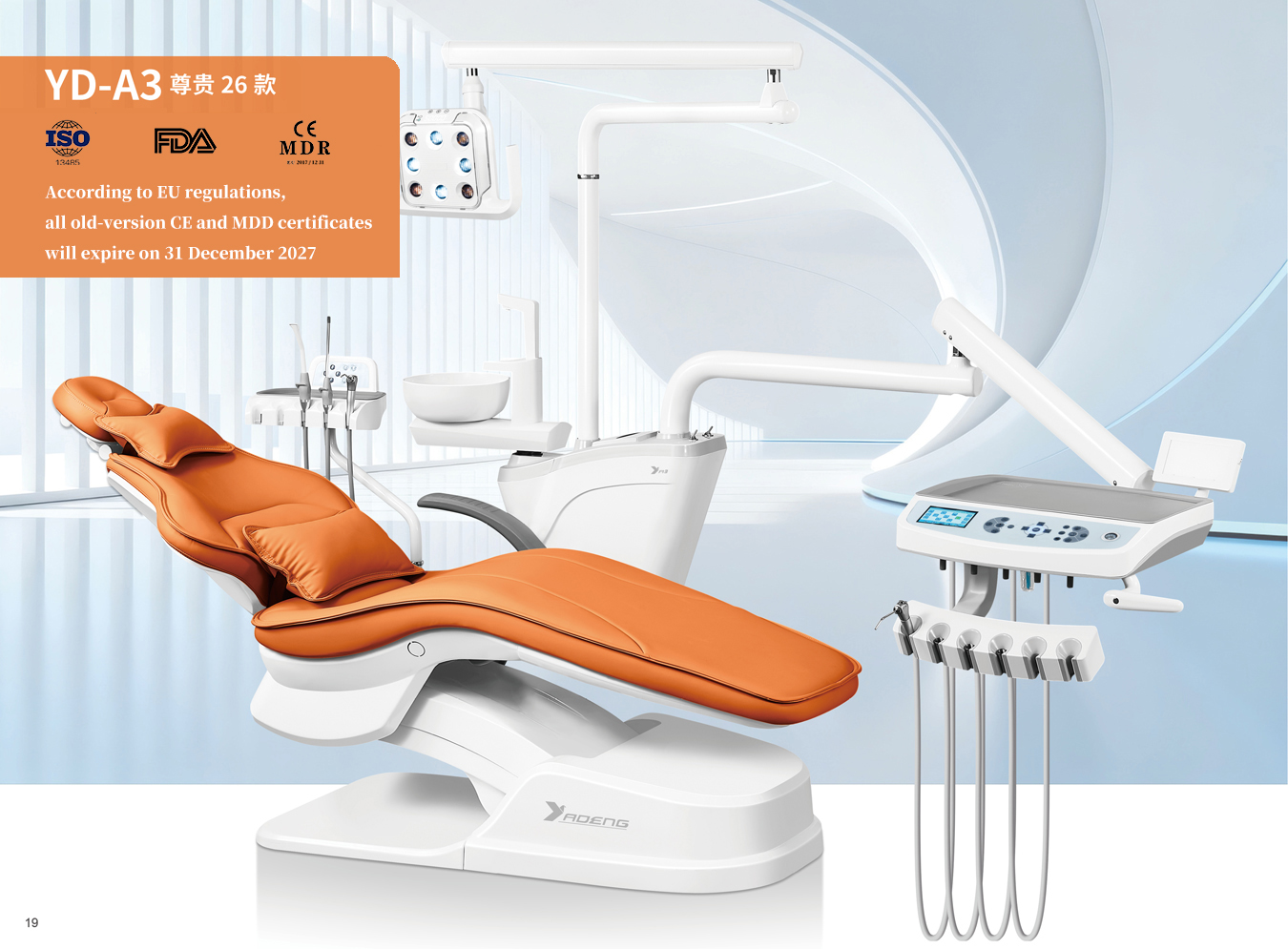
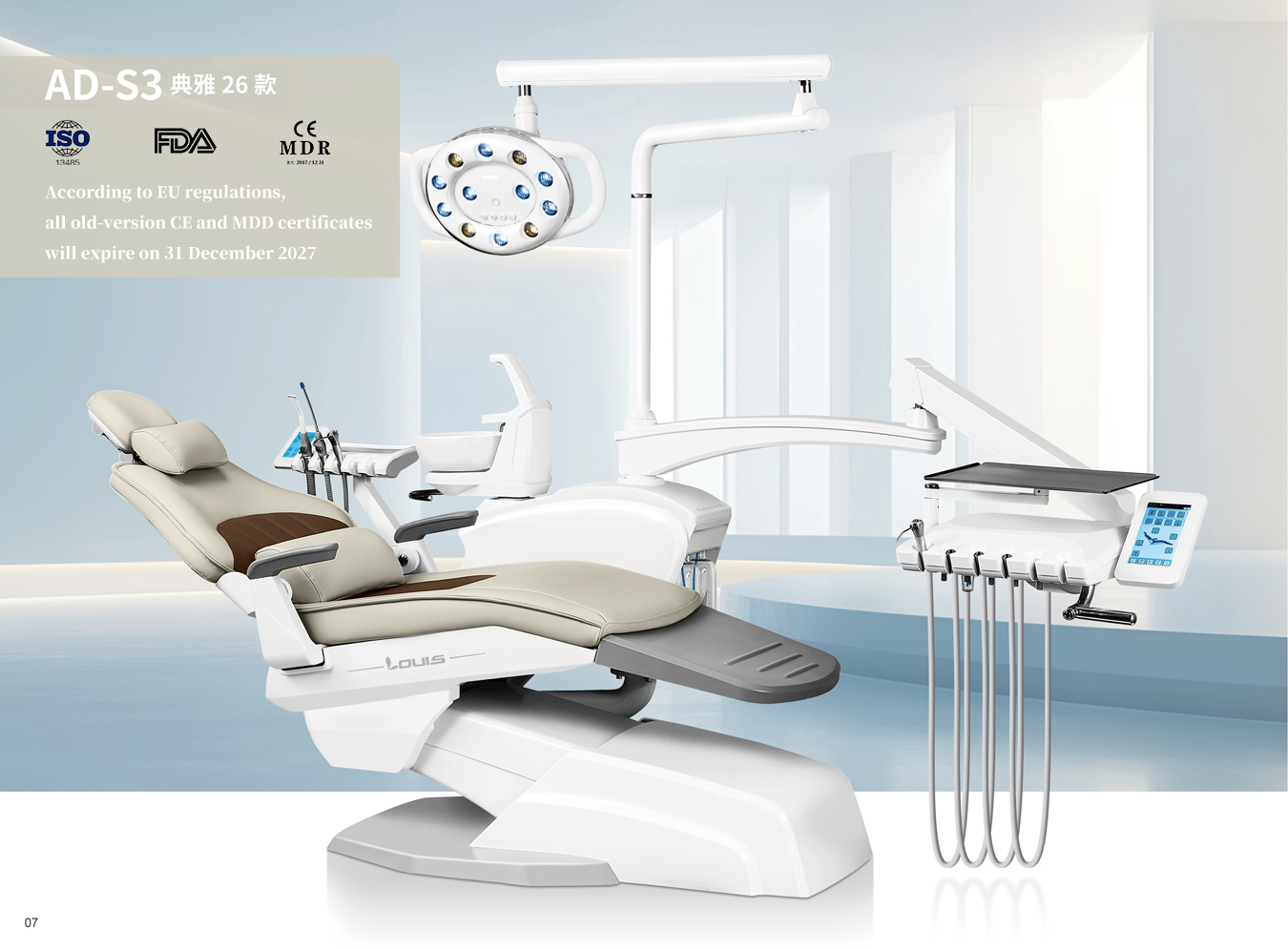
In the dental care system, if we were to choose a core piece of equipment that runs through all treatment processes and serves both dentists and patients, it would undoubtedly be the dental chair unit. Regardless of the complexity of the treatment or the size of the clinic, the dental chair unit remains the physical foundation and functional center for dental care activities.
Therefore, a deep understanding of "What is the function of a dental chair unit?" goes beyond simply knowing what the equipment superficially "does." It requires a systematic analysis of the functional role the dental chair unit plays throughout the entire treatment process, considering system synergy, functional zoning, and clinical needs.
This article will strictly adhere to the title, providing a comprehensive professional analysis of the core, extended, and auxiliary functions of the dental chair unit, helping readers build a clear, complete, and applicable functional understanding framework for practical cognition and decision-making.
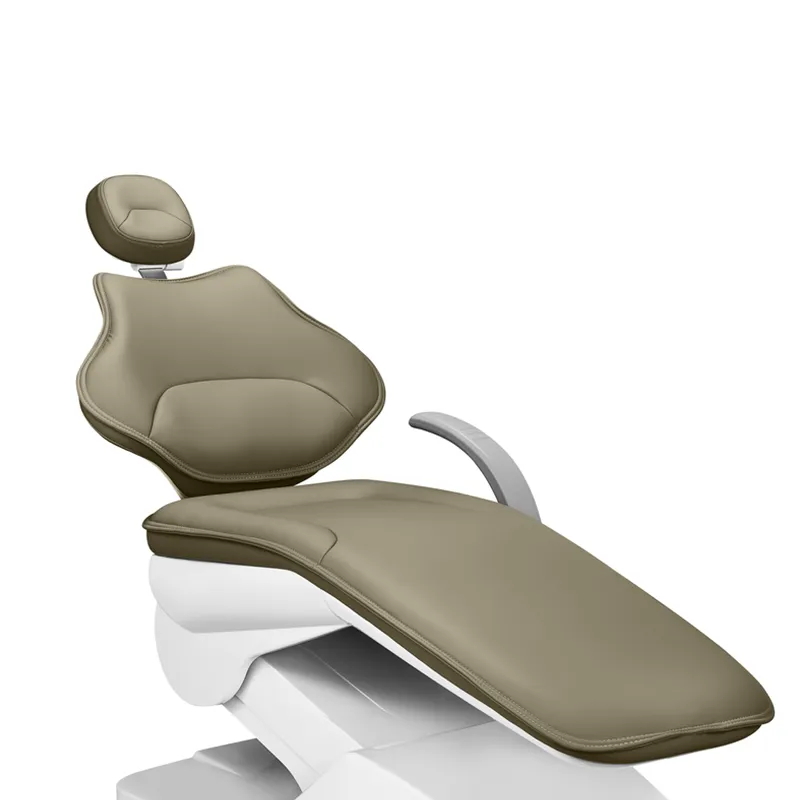
What are the core functions of a dental chair unit from an overall perspective?
From a macro perspective, the core function of a dental chair unit can be summarized in one sentence:
Providing an integrated, adjustable, safe, and efficient operating platform for dental care. To achieve this core objective, the dental chair unit needs to simultaneously meet the following functional requirements:
• Provide patients with stable, comfortable, and controllable positioning support.
• Provide dentists with a logically designed workspace and instrument support.
• Provide the necessary water, air, power, and lighting conditions for the treatment process.
• Provide the structural and functional foundation for four-handed operation or team collaboration.
It is this combination of needs that determines that the dental chair unit is not a single-function device, but a highly integrated functional system.
How does the dental chair unit achieve patient positioning management?
What role does the dental chair unit play in patient positioning adjustment?
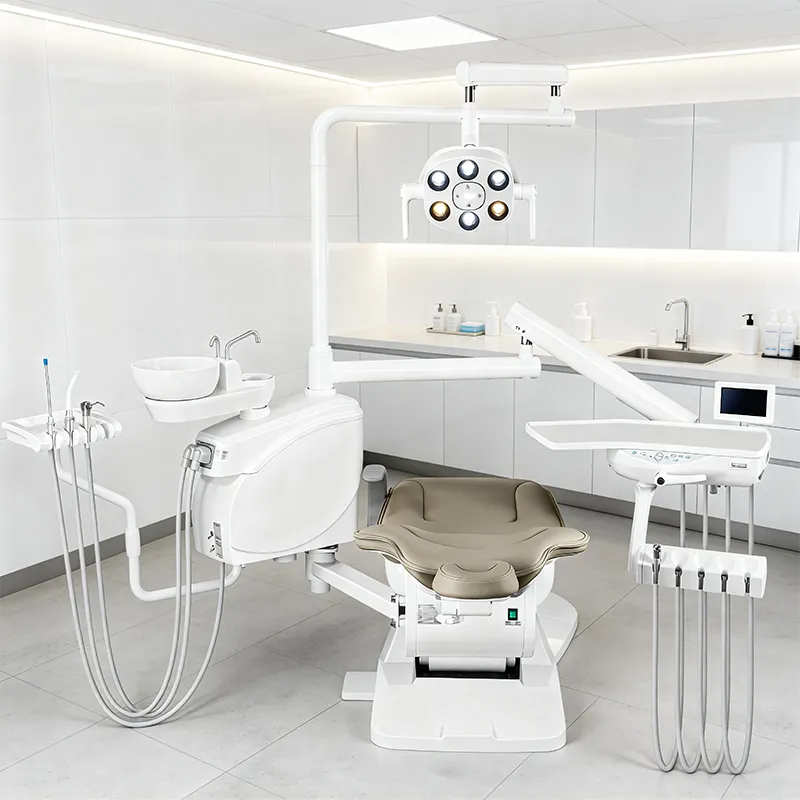
Patient positioning management is one of the most basic and core functions of the dental chair unit.
During oral treatment, dentists need to precisely adjust the patient's position according to different treatment stages. For example, transitioning from a sitting position to a supine position, or from a routine examination position to a surgical position. The dental chair unit uses electric or hydraulic systems to achieve continuous adjustment of the chair height, backrest angle, and head position.
The core value of this function lies in:
• Ensuring the dentist is always in an ergonomic operating posture
• Maintaining a stable and predictable position in the patient's oral cavity
• Reducing time wasted due to frequent position adjustments
Therefore, the dental chair unit's position management function directly impacts treatment efficiency and operational precision.
In what ways does the dental chair unit provide support during treatment?
How does the dental chair unit support dentists in performing various oral procedures?
The dental chair unit not only "carries the patient," but more importantly, it supports the dentist in performing continuous, high-precision treatment procedures.
This support function is mainly reflected in the following aspects:
1. Stable Operating Base
Through a robust base and structural design, the dental chair unit ensures overall system stability even under high-speed handpiece operation and frequent instrument changes.
2. Reasonable Working Radius
The dentist's position system, instrument tray, and support arm structure allow the dentist to perform operations such as picking up and placing instruments and adjusting positions within a limited space, reducing unnecessary body movement.
3. Ensuring Operational Continuity
Through foot pedal controls and integrated panels, the dental chair unit allows dentists to switch between multiple functions without interrupting their workflow.
From this perspective, the dental chair unit's function is deeply integrated into the dentist's workflow.
What role does the dental chair unit play in water, air, and power supply?
Without a dental chair unit, how would the necessary water and air be supplied for treatment?
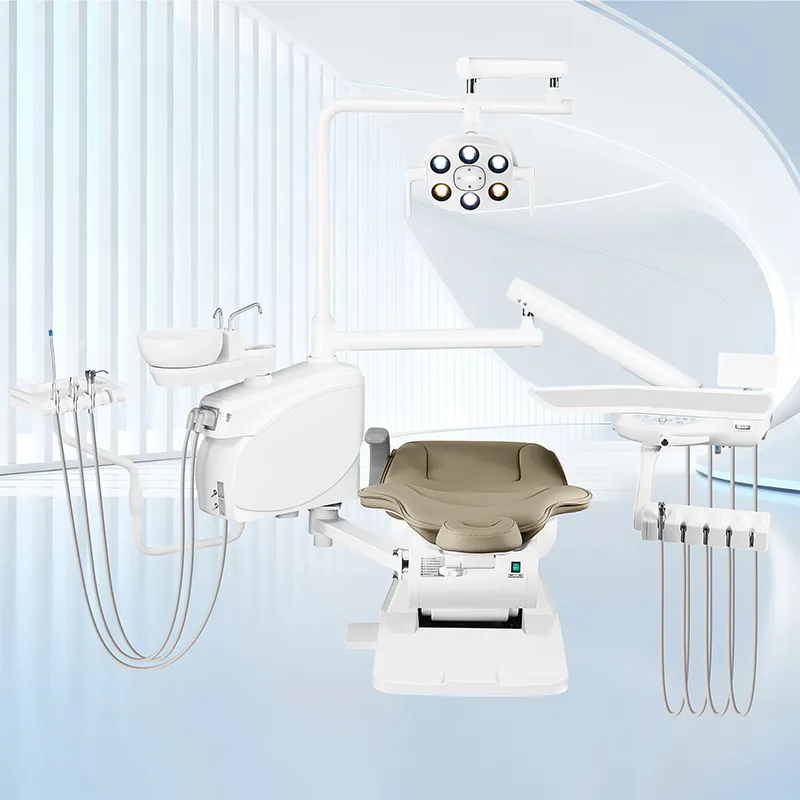
In modern dental treatment, almost all critical instruments rely on a stable supply of water and air. The dental chair unit is the centralized management and distribution center for these essential resources.
Specific functions include:
• Providing a stable air supply for high-speed and low-speed handpieces
• Providing a continuous water supply for instrument cooling and oral irrigation
• Precisely delivering water and air to designated interfaces through a piping system
The dental chair unit transforms external resources into controllable and adjustable treatment conditions through its internal water and air systems. This function makes treatment procedures repeatable and standardized.
How does the dental chair unit improve the operational efficiency of the treatment process?
What is the functional value of the dental chair unit in workflow integration?
Efficiency improvement is one of the key functionalities of a dental chair unit.
Through a highly integrated design, the dental chair unit centralizes previously dispersed functions into a single operating center, including:
• Centralized instrument arrangement
• Unified control system management
• Integrated water and air systems
The direct effects of this integration are:
• Reduced unnecessary movements by the dentist during treatment
• Shorter switching times between different procedures
• Improved flow of the overall treatment process
From a functional perspective, the dental chair unit not only provides "tools" but also optimizes the "process."
The Functional Role of the Dental Chair Unit in Four-Handed Dentistry
Why is the dental chair unit the foundational equipment for four-handed dentistry?
Four-handed dentistry is a common working mode in modern dental care, and the dental chair unit is the hardware foundation that enables this mode.
Through the assistant's station system, suction device, and independent control area, the dental chair unit allows dentists and assistants to collaborate efficiently in the same workspace without interfering with each other.
In this mode, the dental chair unit performs the following functions:
• Support for spatial zoning and role division
• Synchronous operation and non-conflicting functions
• Improved clear vision and operational safety
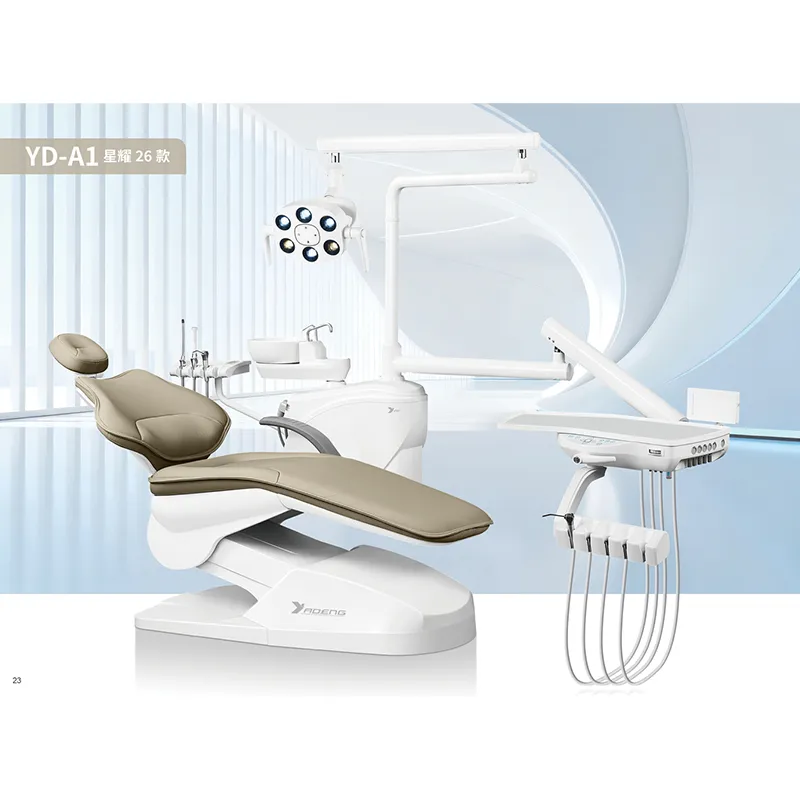
How does the dental chair unit ensure a clear intraoral view?
A clear view is a prerequisite for precise oral procedures. The dental chair unit provides stable and adjustable lighting conditions for dentists through an integrated oral lighting system.
This function includes:
• Directional lighting of the operating area
• Reducing shadows and blind spots
• Ensuring visual comfort during prolonged procedures
Although the lighting function does not directly participate in treatment, it occupies an important position in the overall functional system.
The Functional Significance of the Dental Chair Unit in Terms of Safety and Comfort
In addition to its direct participation in treatment, the dental chair unit also undertakes several safety and comfort functions.
For example:
• Limiting functions to prevent misoperation
• Structural design to prevent moisture backflow
• Providing psychological and physiological comfort support for patients
These functions, though not explicit, are fundamental requirements for the dental chair unit as a medical device.
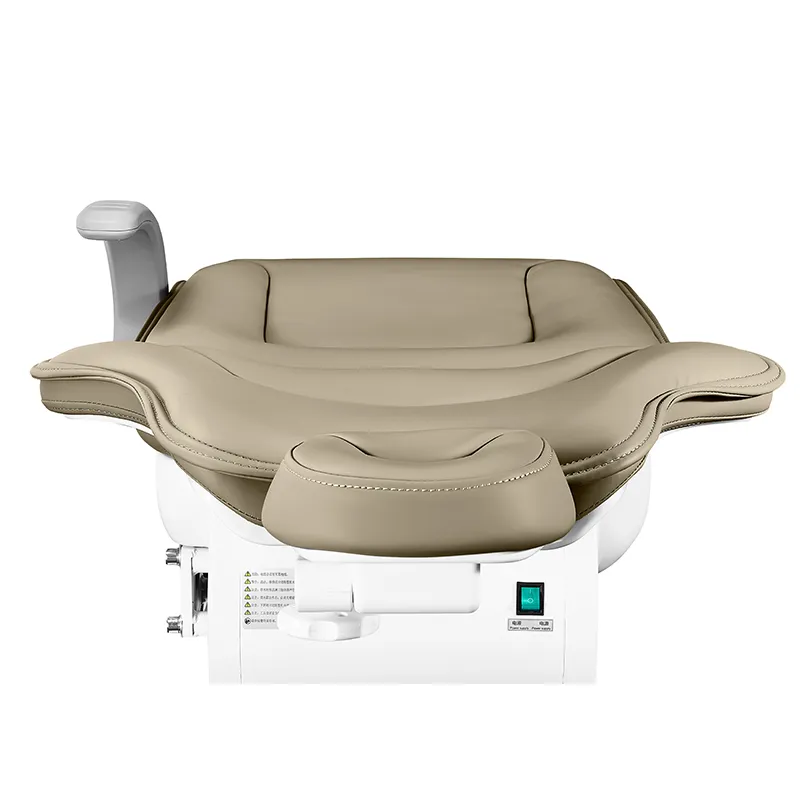
What dental products does your company manufacture and supply?
Our company is a specialized dental equipment manufacturer in China, offering a wide range of dental units, dental chairs, and professional dental instruments. As an experienced dental chair factory, we design products that meet modern clinic standards for comfort, safety, and efficiency. Whether customers want to purchase wholesale dental chairs or need a long-term supplier for dental units, we provide flexible supply solutions.
