
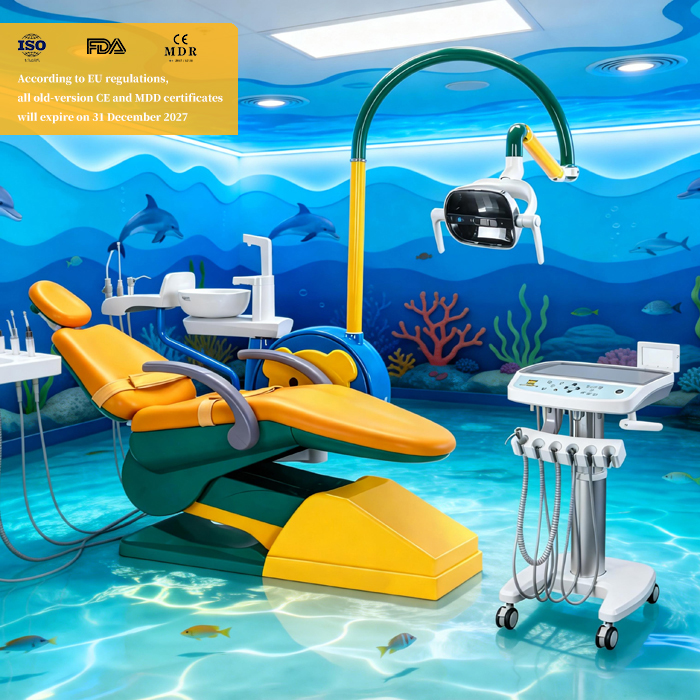
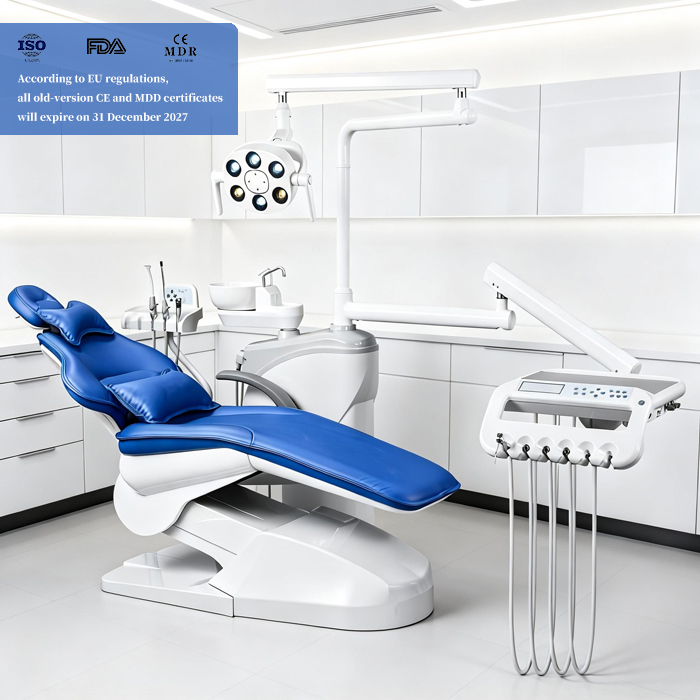
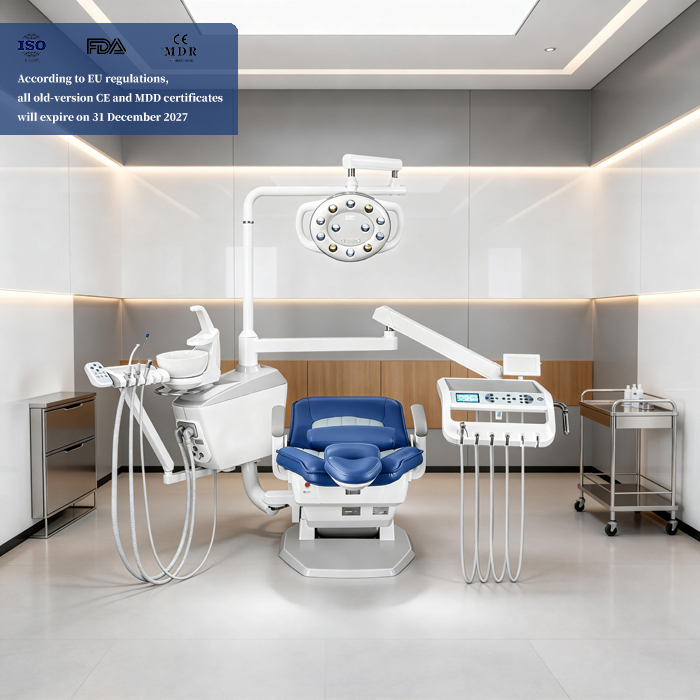
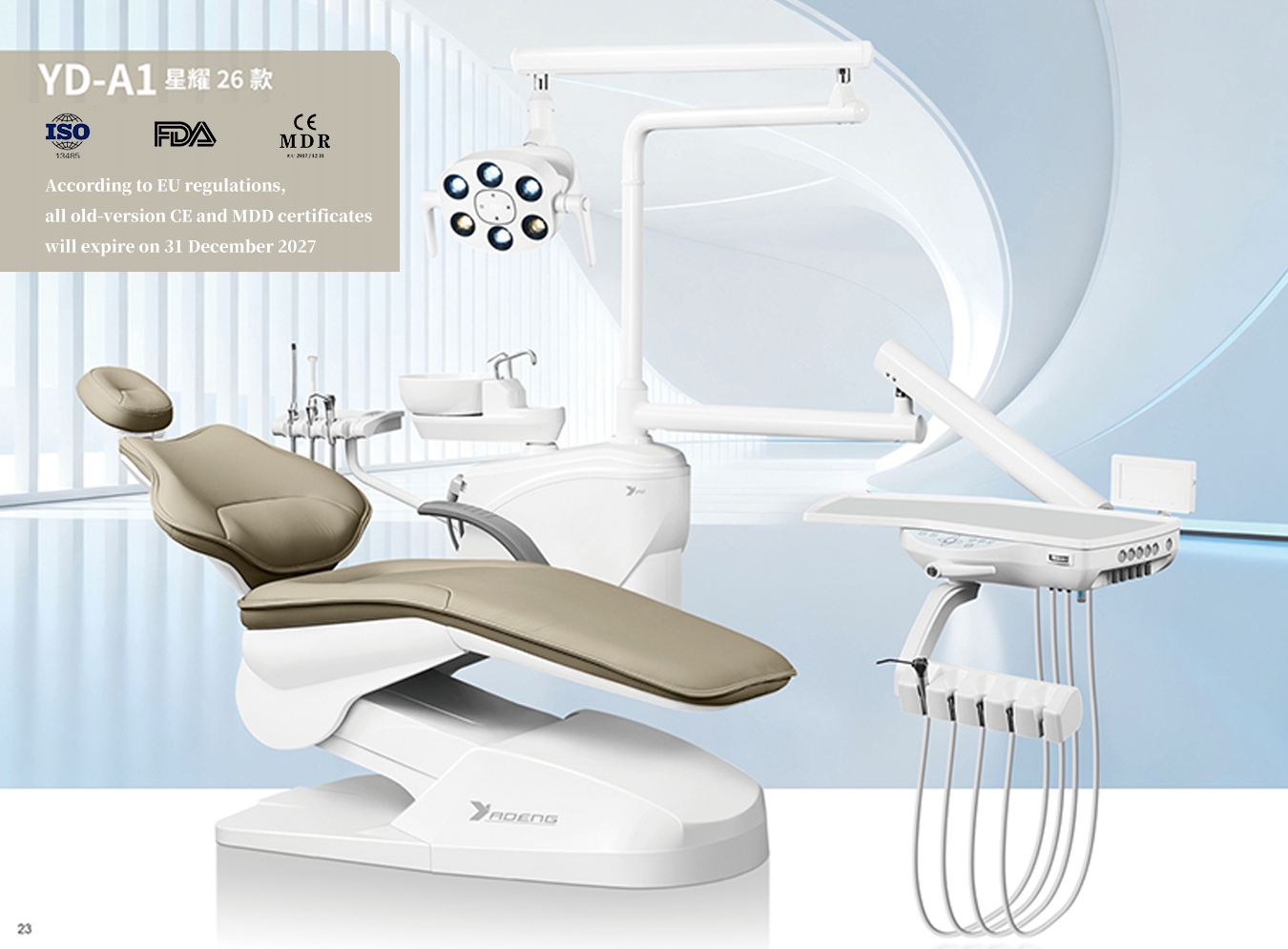
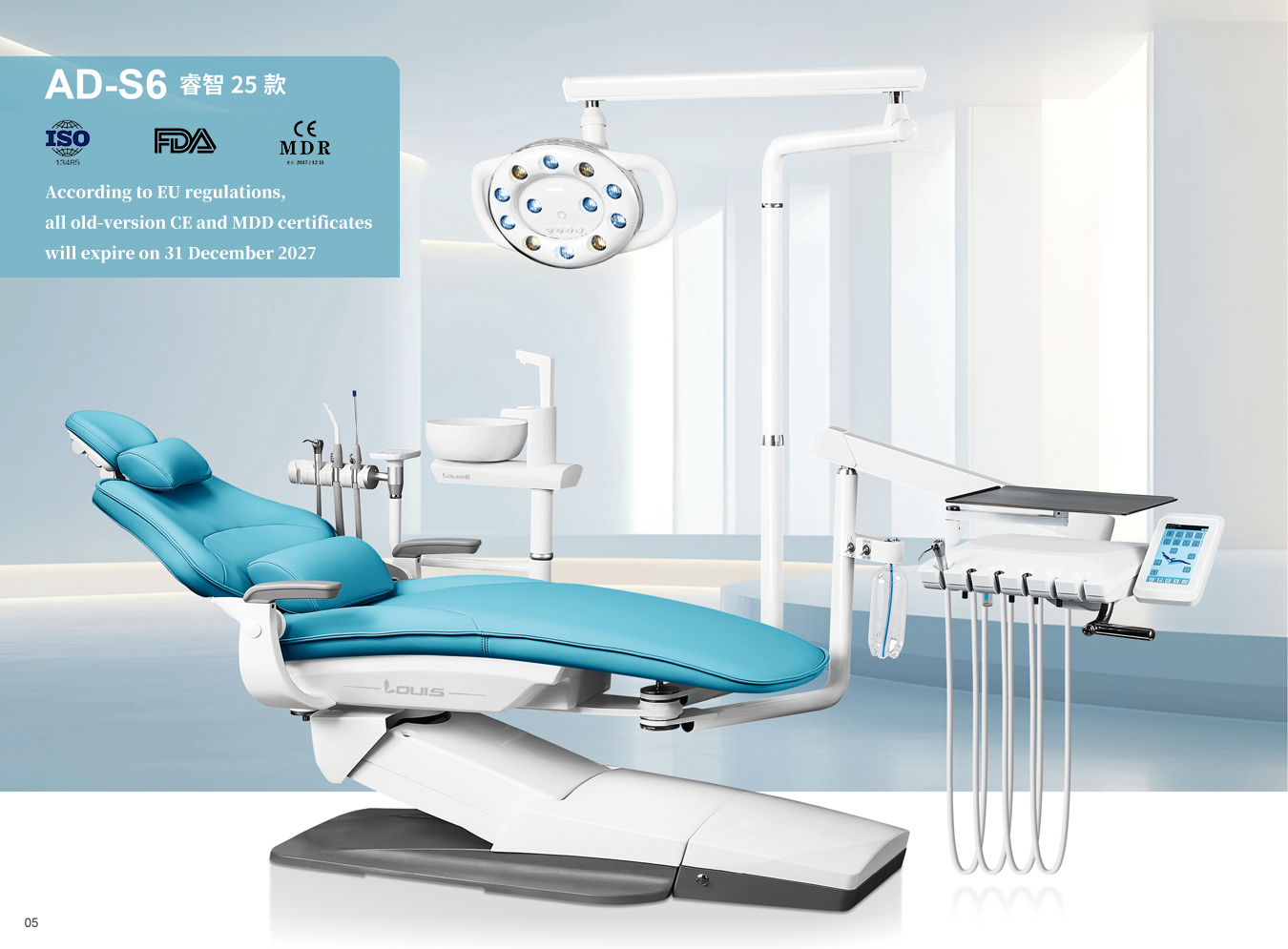
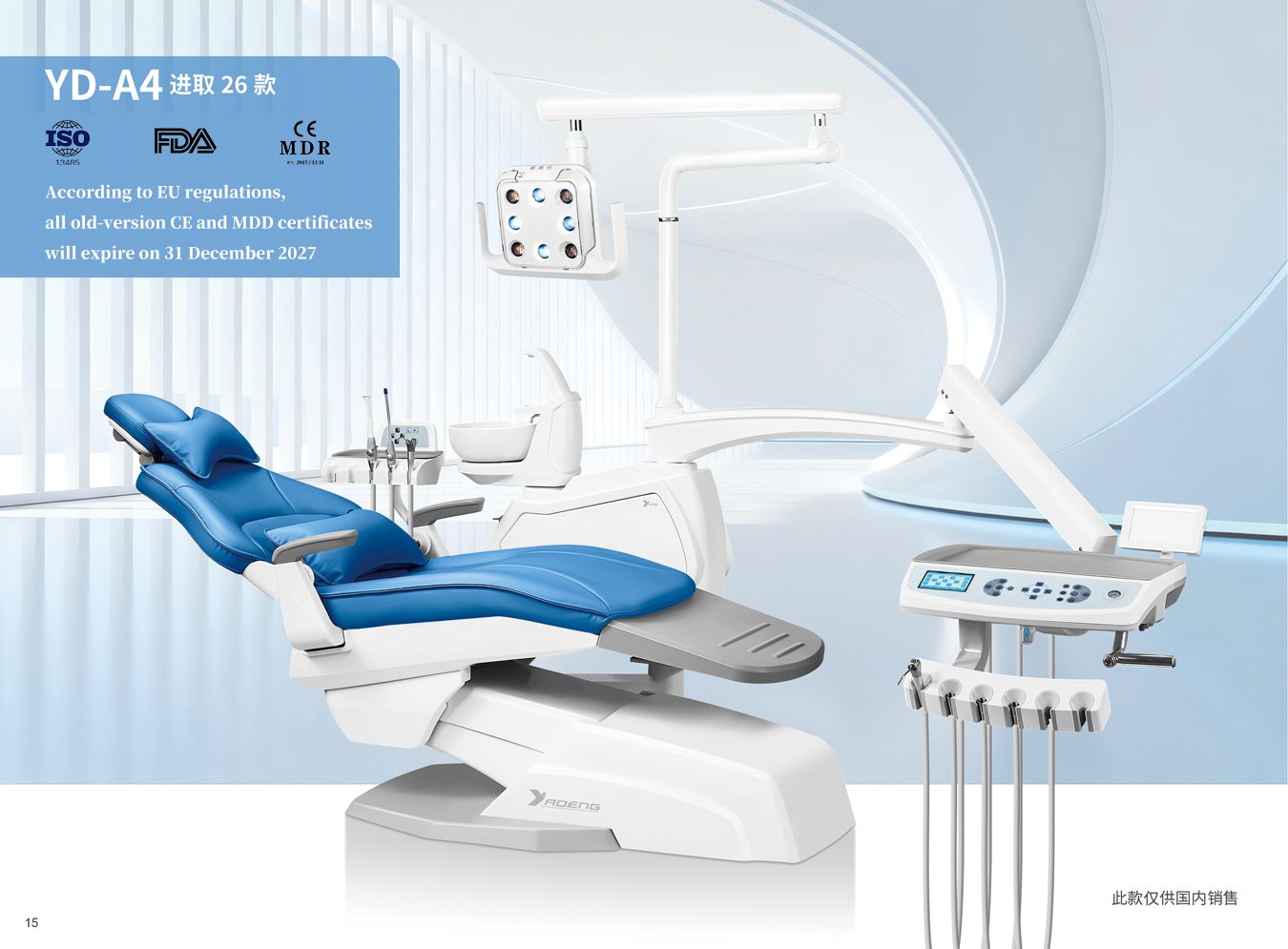
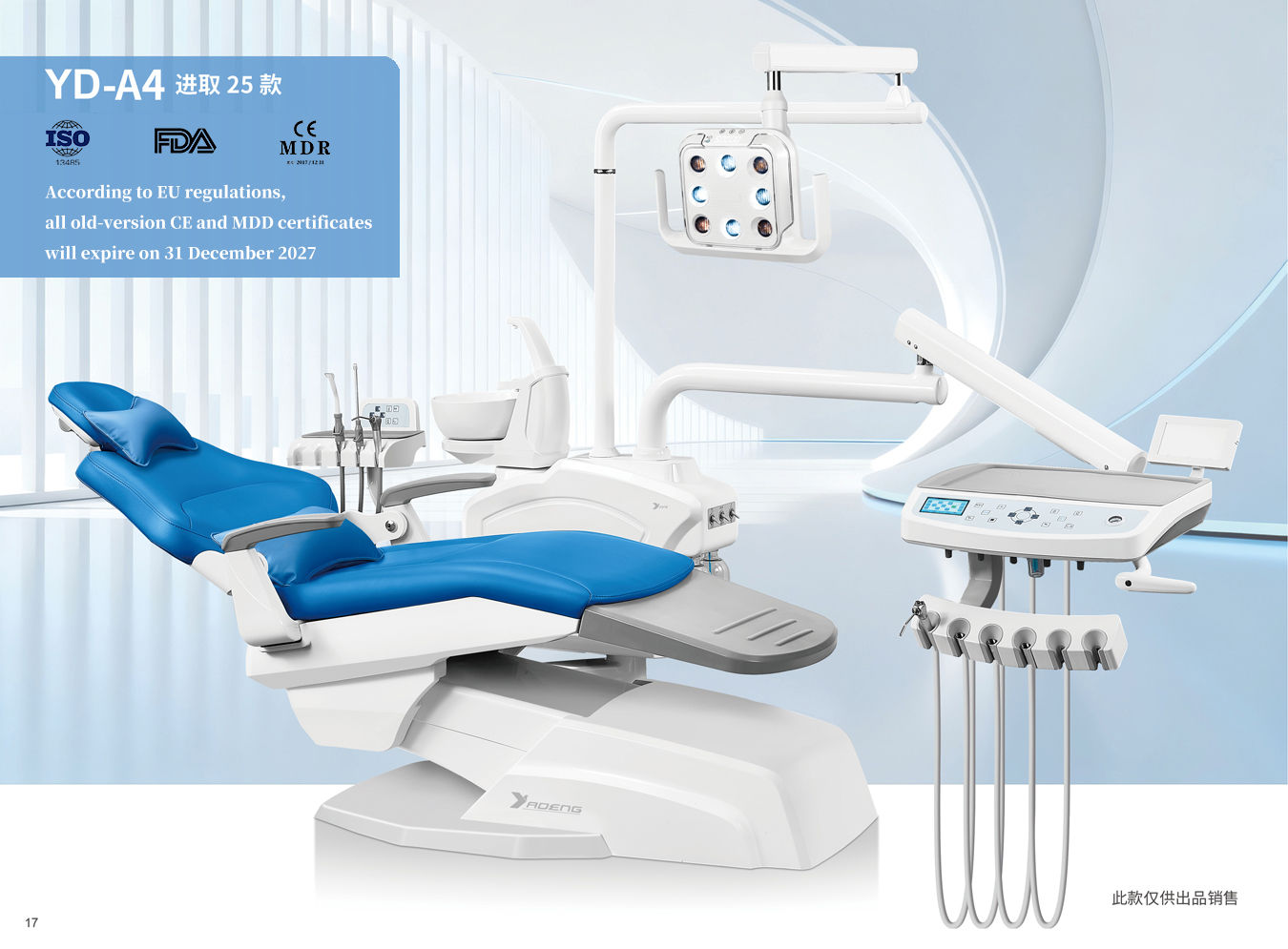
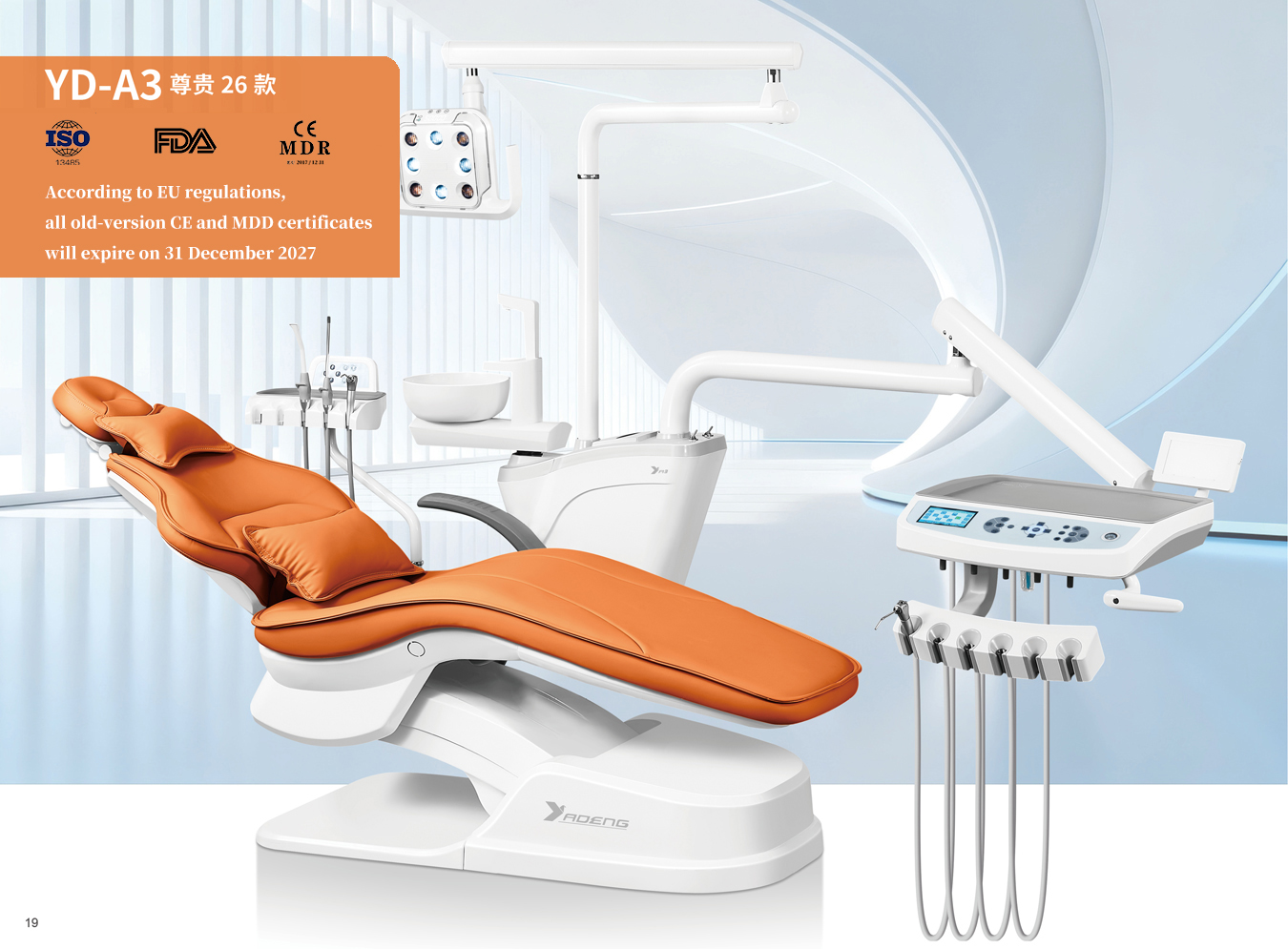
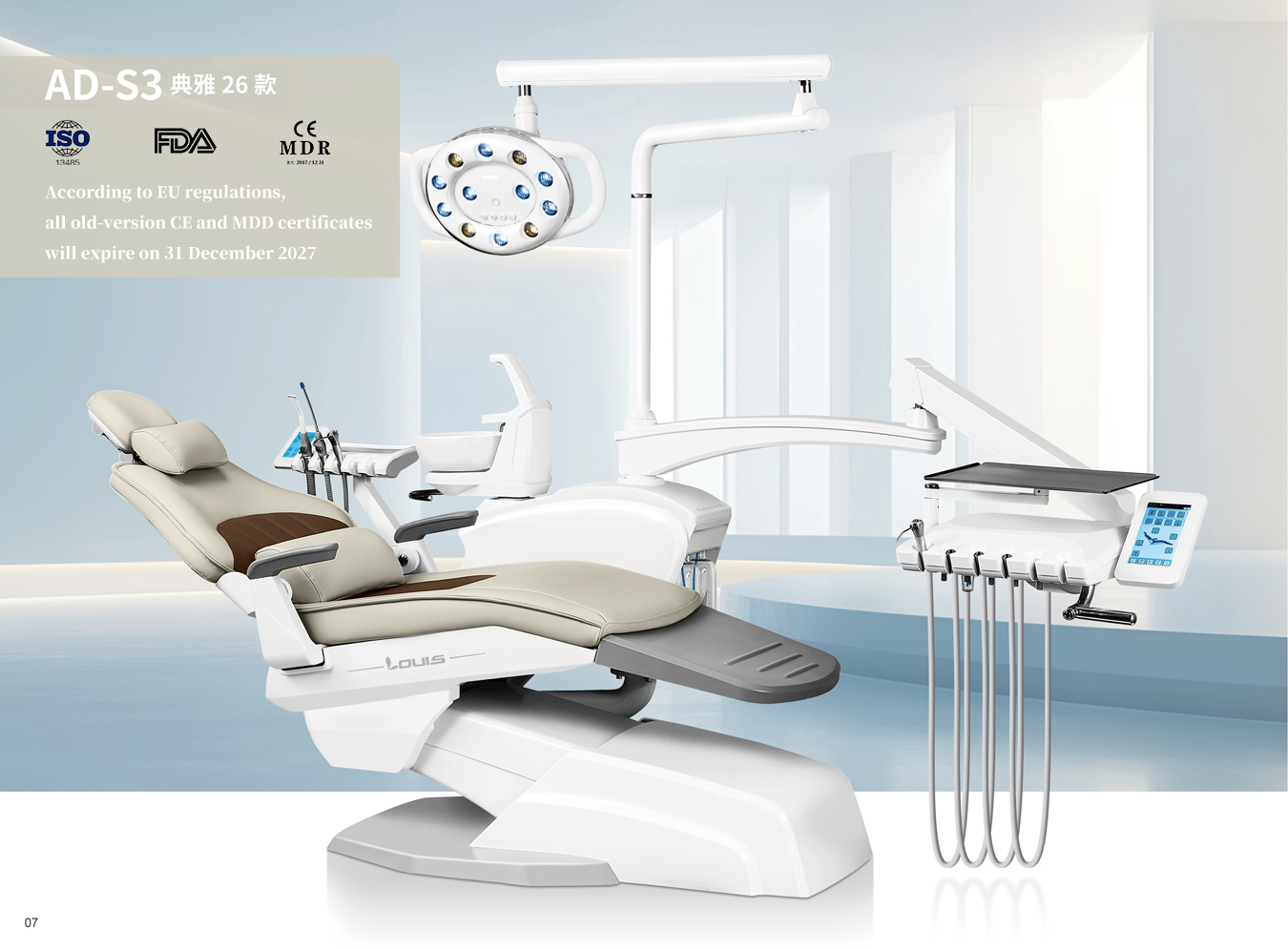
Among all the core equipment in a dental clinic, the dental chair unit is undoubtedly one of the most frequently used, structurally complex, and relatively expensive pieces of equipment. Whether it's comprehensive treatment, examinations, cleaning, or procedures like restorations and implants, almost all dental treatments revolve around the dental chair unit.
Therefore, many clinic owners, purchasing managers, and equipment managers are concerned with a very practical question: What is the lifespan of a dental chair unit?
This question seems simple, but it cannot actually be answered with a fixed number of years. The lifespan of a dental chair unit is influenced by a combination of factors, including structural design, the quality of key components, usage intensity, and maintenance methods.
This article will systematically analyze the lifespan of dental chair units from a professional perspective, helping you better understand how long a dental chair unit can actually be used, why there are such large differences between different clinics, and what factors truly determine the "upper limit" of a dental chair unit's lifespan.
What does the "lifespan" of a dental chair unit usually refer to?
Before discussing the lifespan of a dental chair unit, it's essential to clarify a key concept: lifespan is not the same as "whether it's still usable."
From a professional perspective, the lifespan of a dental chair unit typically encompasses the following aspects:
• Structural lifespan: The number of years the main frame, base, and other key load-bearing structures of the dental chair unit can be used safely.
• Functional lifespan: The time during which various systems of the dental chair unit (lifting, water supply, gas supply, electrical control, etc.) can operate stably and continuously.
• Economic lifespan: Whether continued use is still reasonable given controllable maintenance costs and downtime risks.
In other words, even if a dental chair unit is still functional, it doesn't necessarily mean it's still within its ideal lifespan. A significant increase in maintenance frequency and frequent replacement of critical components often indicates that the dental chair unit has approached or exceeded its reasonable lifespan.
How many years can a dental chair unit be used under normal circumstances?
Under standardized use and maintenance conditions, the overall lifespan of a dental chair unit is typically between 8 and 15 years. This is a generally accepted and rational reference range within the industry.
Specifically:
• Basic dental chair units: Generally, they can be used stably for 8–10 years.
• Mid-to-high-end dental chair units: Their lifespan can typically reach 10–12 years.
• Robustly constructed and well-maintained dental chair units: Under ideal conditions, they can be used for 12–15 years.
It is important to emphasize that "use" here refers to the continuous operation of the dental chair unit under the premise of safety, functional stability, and meeting clinical needs, not simply "not yet scrapped."
Why is there such a large difference in the lifespan of different dental chair units?
Many people will notice that some clinics' dental chair units have been used for more than ten years and are still operating smoothly, while others have experienced frequent problems within just a few years. This difference is not accidental, but caused by the combination of several key factors.
Does the structural design of the dental chair unit affect its lifespan?
The answer is yes, and the impact is very direct.
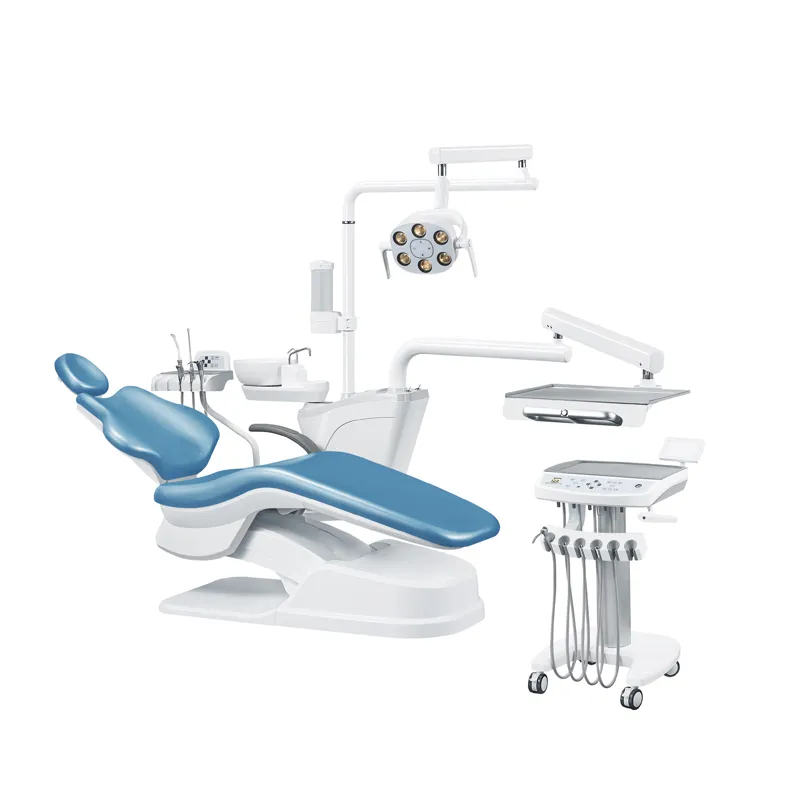
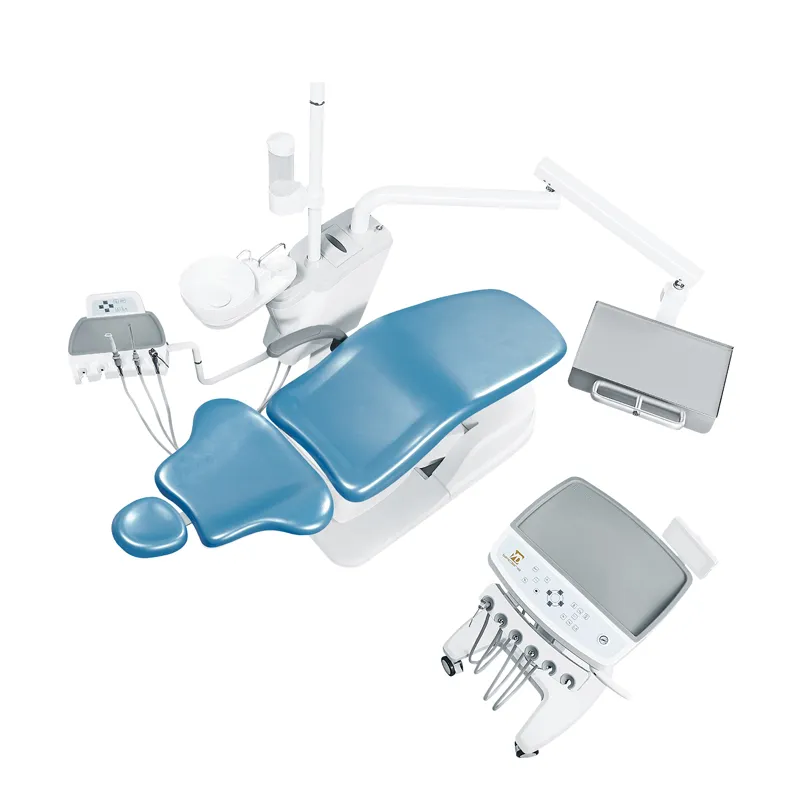
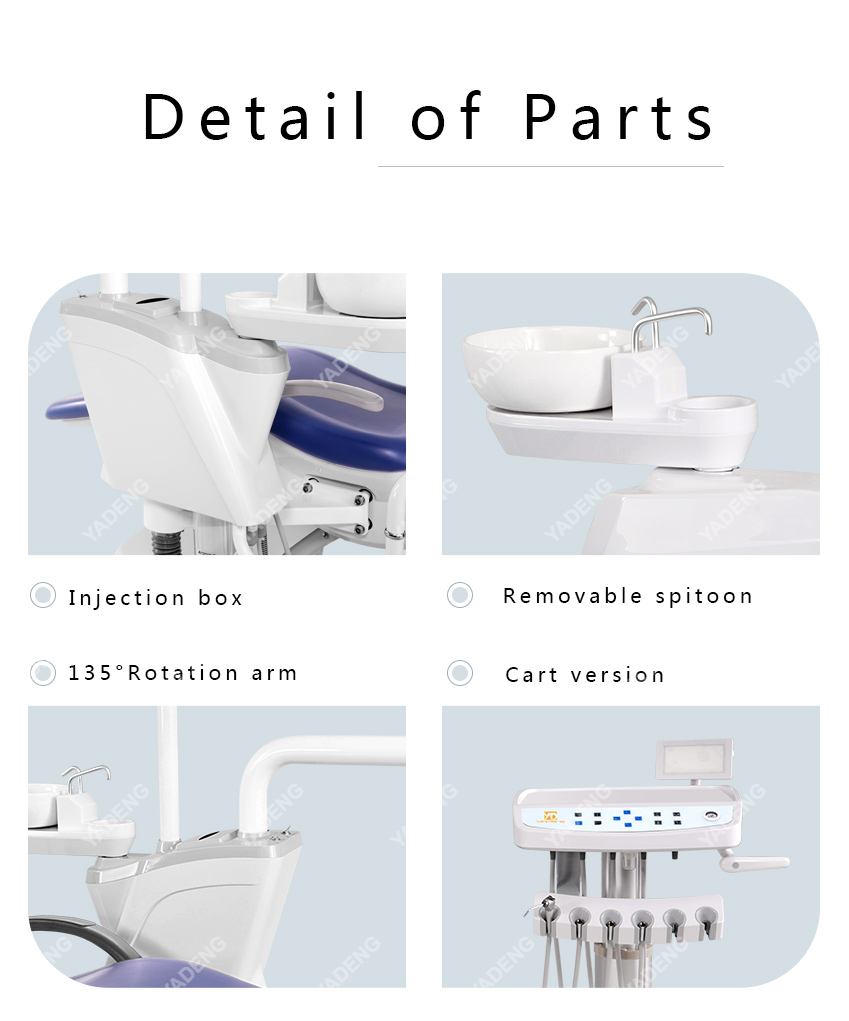
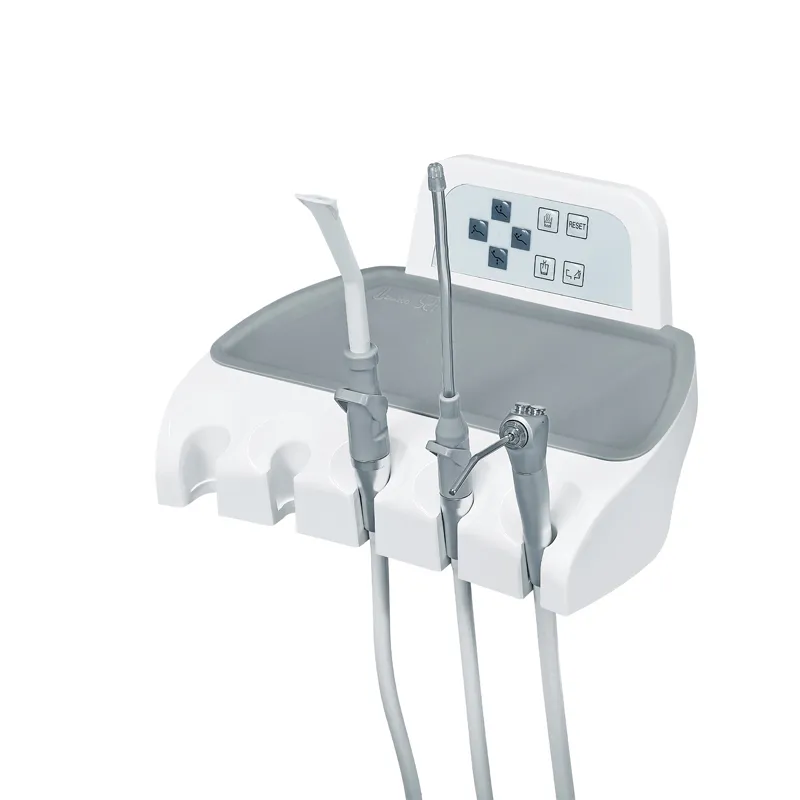
A dental chair unit is not a single device, but a highly integrated system comprising multiple systems, including:
• Frame and base structure
• Height and backrest adjustment system
• Water and air supply system
• Electrical control system
• Doctor's unit and assistant unit
• Suction cup system, lamp arm system, etc.
If the layout of these systems is unreasonable during the design phase, resulting in complex and concentrated piping and stress, it will accelerate component aging over long-term use, thus shortening the overall lifespan.
A well-designed dental chair unit typically possesses the following characteristics:
• Stable main load-bearing structure, preventing long-term deformation
• Clear piping and cable layout, reducing friction and compression
• Even stress distribution on key moving parts, controlling wear
These design details directly affect how many years the dental chair unit can operate stably.
How much do the core components of a dental chair unit affect its lifespan?
The lifespan of a dental chair unit largely depends on the durability of its core components. The most significantly affected components include:
• Height and backrest drive system
• Control system and wiring components
• Water and air systems
• Seals and connectors
If these core components are of stable quality and have good fatigue resistance, the dental chair unit can maintain good condition even under long-term, high-frequency use. Conversely, even if it appears intact, frequent internal system failures will significantly shorten the actual lifespan of the dental chair unit.
Does usage frequency shorten the lifespan of a dental chair unit?
This is a very real question. The answer is yes.
Dental chair units are high-frequency mechanical and electrical control composite devices. Their lifespan is often significantly shortened under the following conditions:
• Continuous daily patient visits, long-term uninterrupted use
• Height and backrest adjustments far exceeding normal frequency
• Sharing the same dental chair unit across multiple clinics
High-frequency use will not "immediately damage" the dental chair unit, but it will accelerate fatigue accumulation in internal components, causing it to enter a period of high maintenance earlier. Therefore, usage intensity is an indispensable factor when assessing the lifespan of a dental chair unit.
How does maintenance affect the lifespan of a dental chair unit?
Of all the influencing factors, maintenance is the one with the highest degree of human control.
Proper maintenance can significantly extend the lifespan of a dental chair unit, mainly through:
• Regularly checking for leaks in the water and air systems
• Keeping moving parts lubricated
• Replacing worn seals promptly
• Avoiding abnormal loads and incorrect operation
Conversely, a poorly maintained dental chair unit often develops systemic problems after 5–7 years of use, severely impacting normal diagnostic efficiency.
Does a dental chair unit experience "partial aging" rather than complete failure?
This is a crucial but often overlooked question.
In actual use, dental chair units rarely fail simultaneously as a whole; more often, they exhibit:
• Premature aging of certain systems
• Decreased stability of individual functions
• Increased maintenance frequency year by year
For example, the chair structure may still be robust, but the control system may be sluggish; or the lifting system may function normally, but the water system may experience frequent blockages. This "partial aging" often indicates that the dental chair unit is nearing the end of its reasonable lifespan.
When should the lifespan of a dental chair unit be reassessed?
Generally, a dental chair unit's lifespan needs to be reassessed when the following conditions occur:
• Repeated repairs of critical components
• Recurring similar malfunctions
• Downtime affecting normal patient care
• Significantly increased maintenance costs
This does not mean the dental chair unit is immediately unusable, but rather that it is no longer in a highly efficient and stable stage of its life cycle.
How to rationally view the "upper limit" of a dental chair unit?
From a professional perspective, there is no absolutely uniform lifespan for a dental chair unit. A more reasonable approach is to:
• Make a comprehensive judgment from structural, system, and maintenance perspectives
• Assess based on usage intensity and the actual needs of the clinic
• Use safety and stability as the core standards
Whether a dental chair unit has "reached the end of its lifespan" depends not on how many years it has been used, but on whether it can continue to serve clinical practice stably under controllable risks.
The Lifespan of a Dental Chair Unit Is Not a Fixed Number
Overall, the lifespan of a dental chair unit is typically between 8 and 15 years, but this range is not an absolute standard. Structural design, the quality of core components, usage frequency, and maintenance methods all significantly affect the actual lifespan of a dental chair unit.
A truly professional assessment doesn't simply involve calculating the number of years, but rather a comprehensive evaluation of multiple dimensions, including system stability, maintenance costs, and treatment efficiency, to determine if the dental chair unit is still within its reasonable service life.
Where does Yadeng export its dental equipment?
As an experienced global dental equipment supplier, our company exports dental chairs, dental units, and instruments to many regions, including Europe, the Middle East, Asia, Africa, and Latin America. Our China-based dental chair factory supports international distributors and clinics seeking to purchase reliable dental equipment at competitive prices. With strong logistics coordination and export experience, we ensure smooth delivery and stable supply.
