

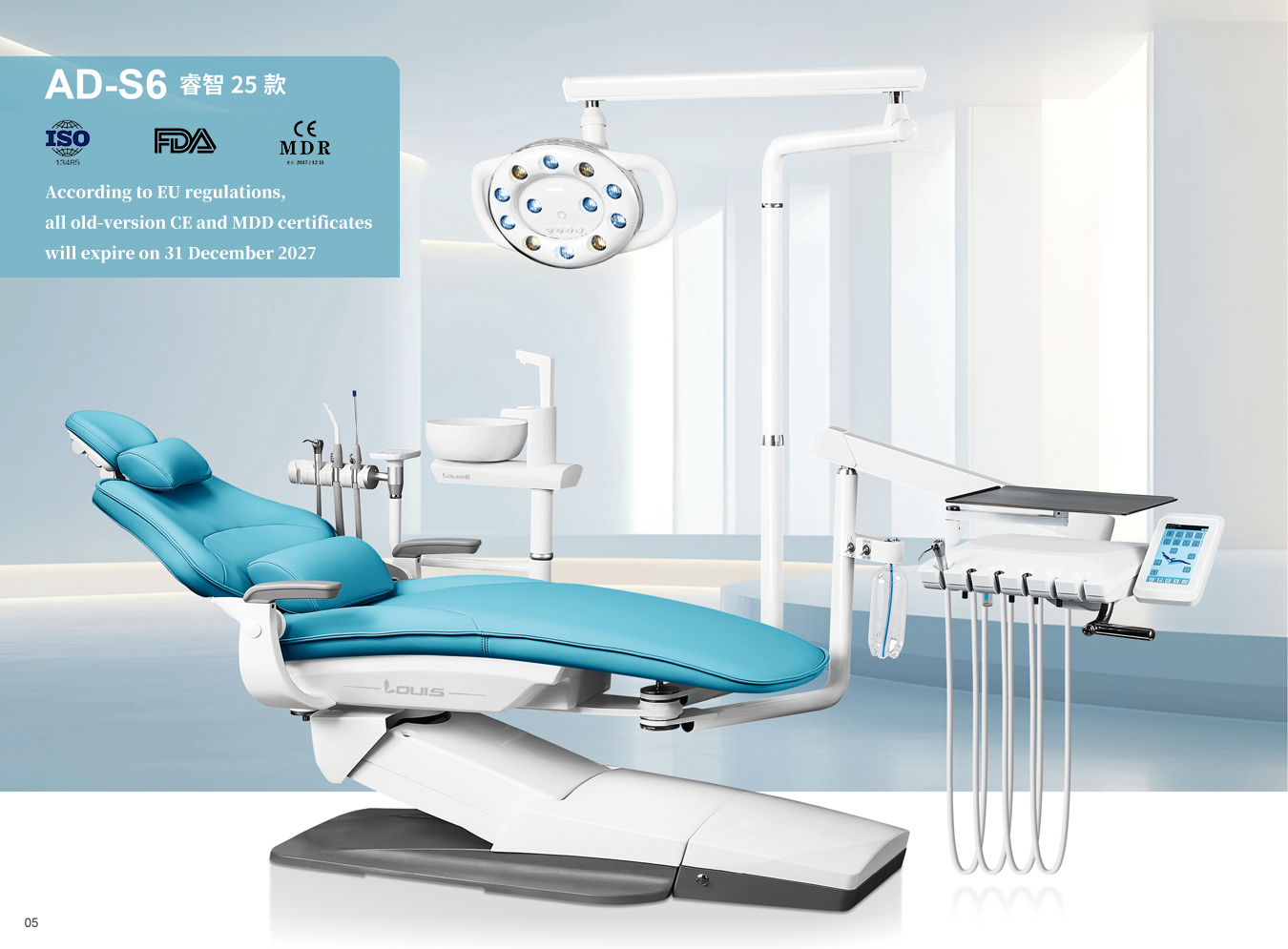
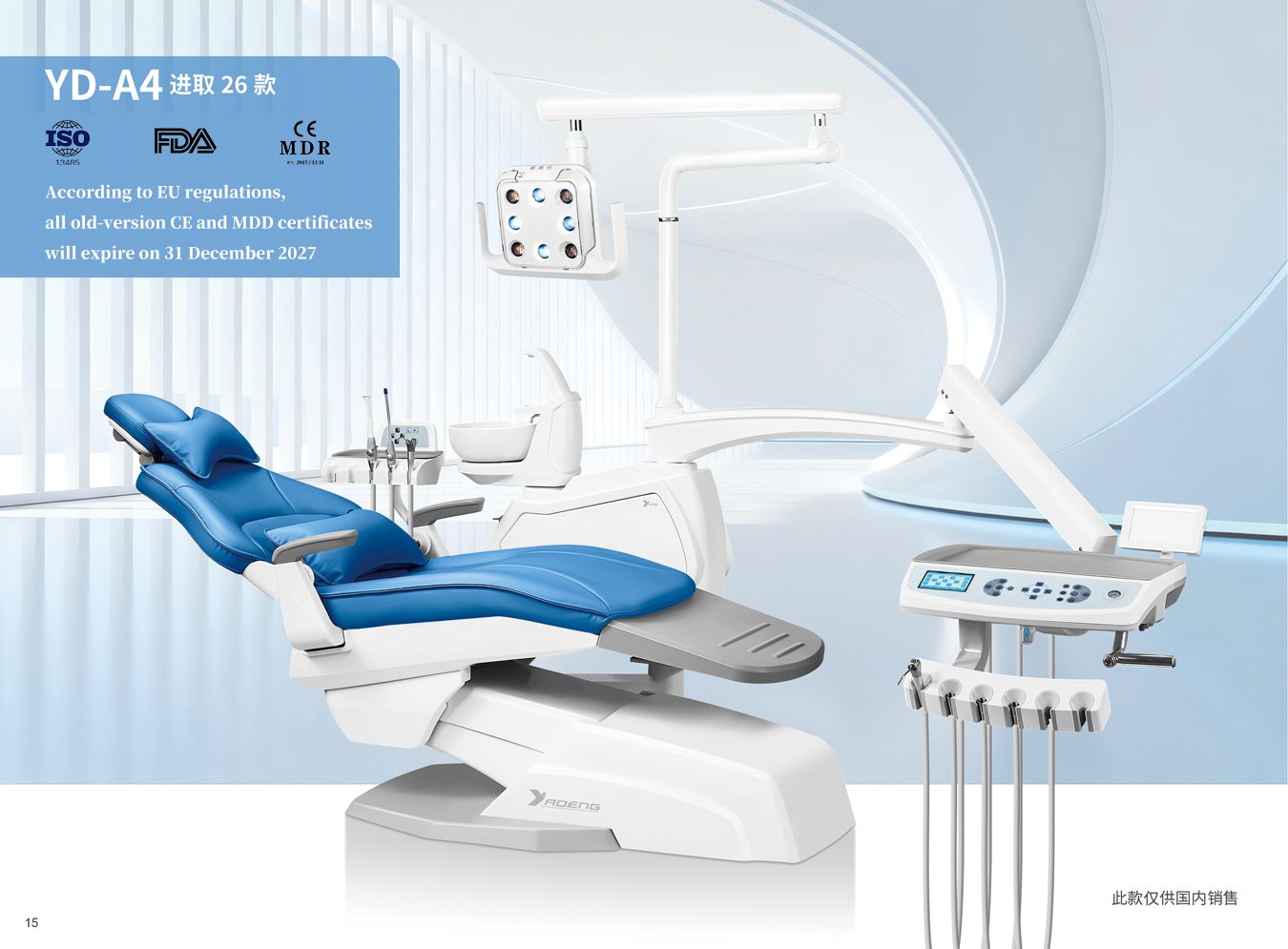
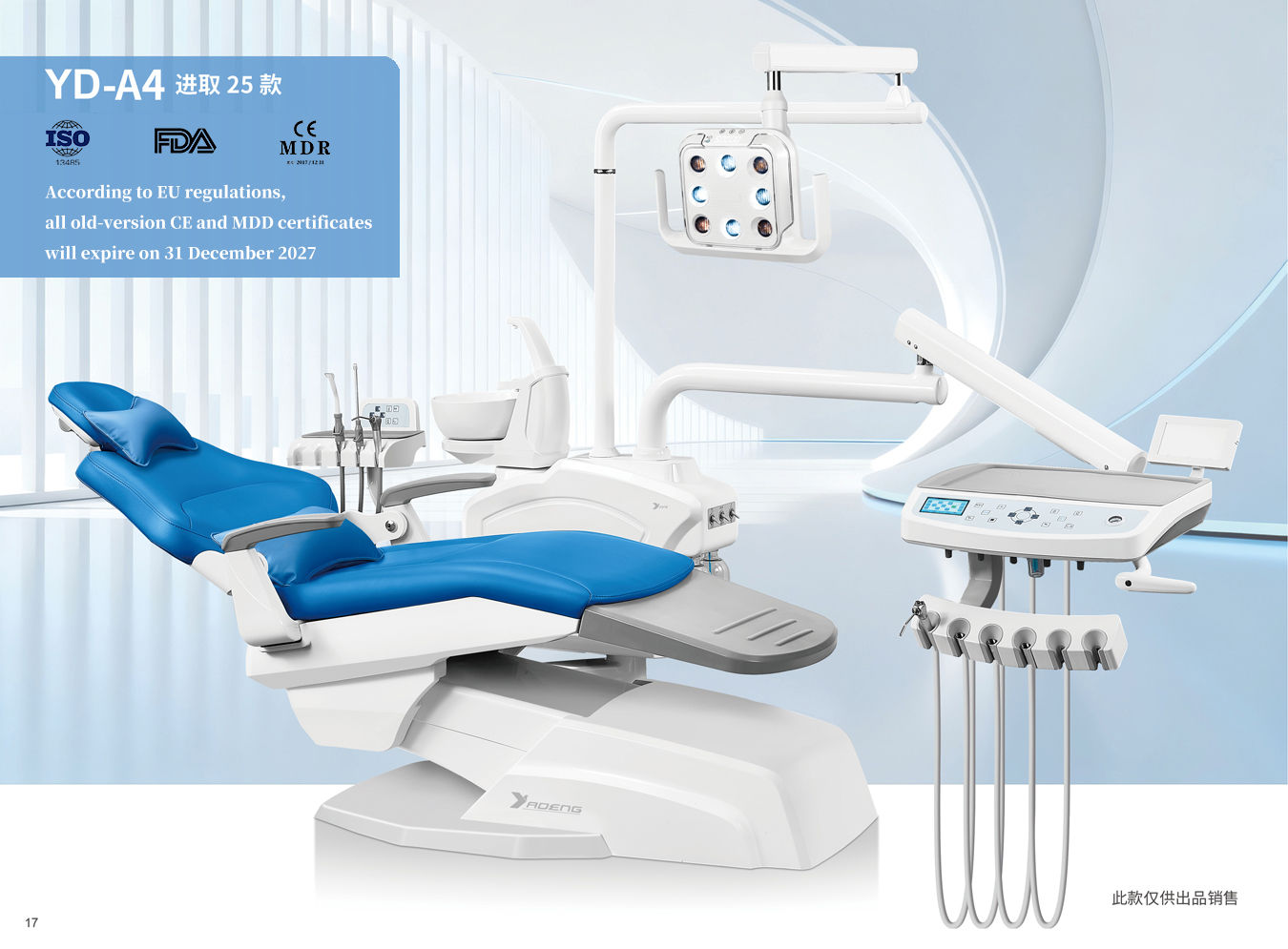
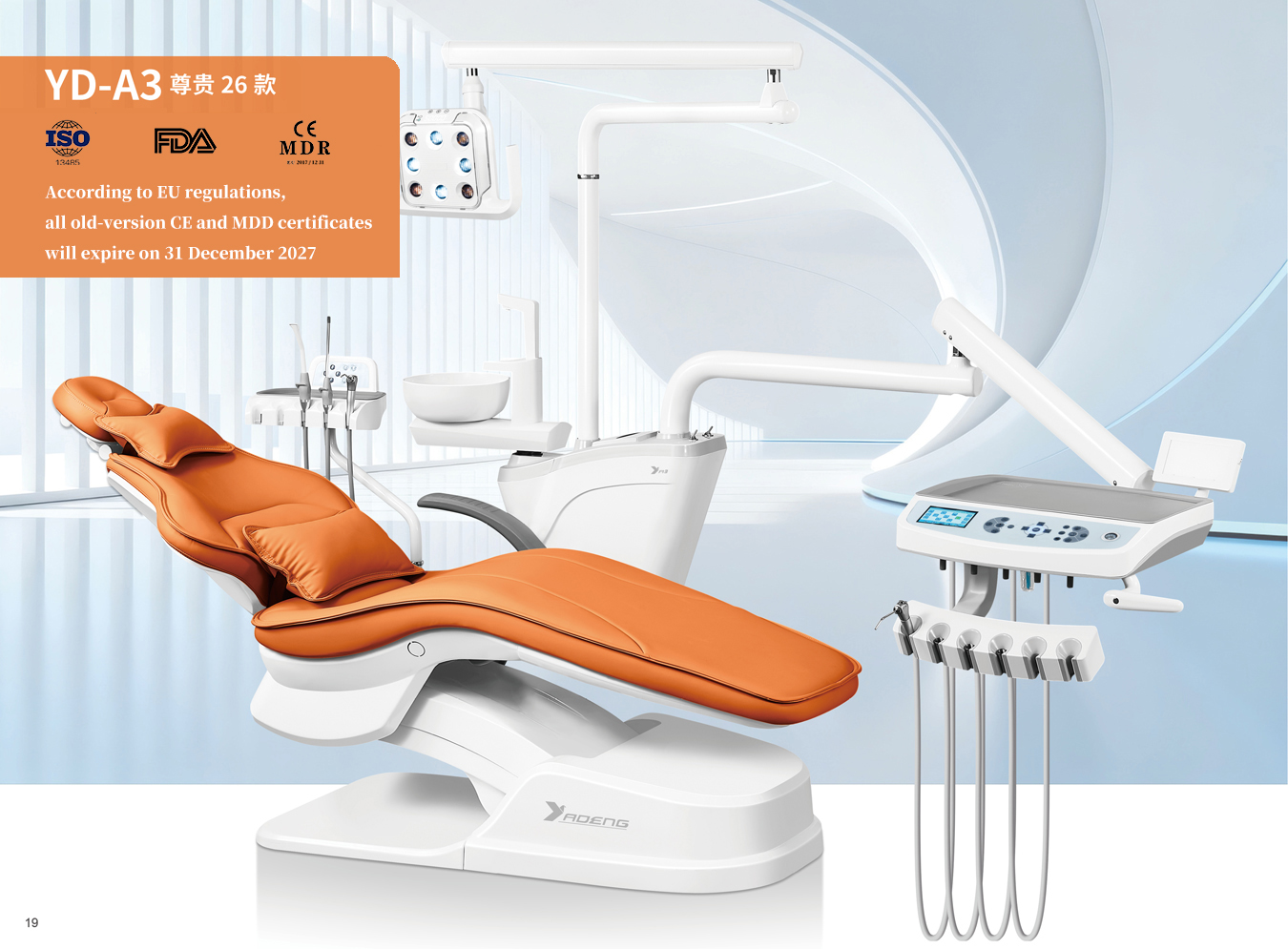
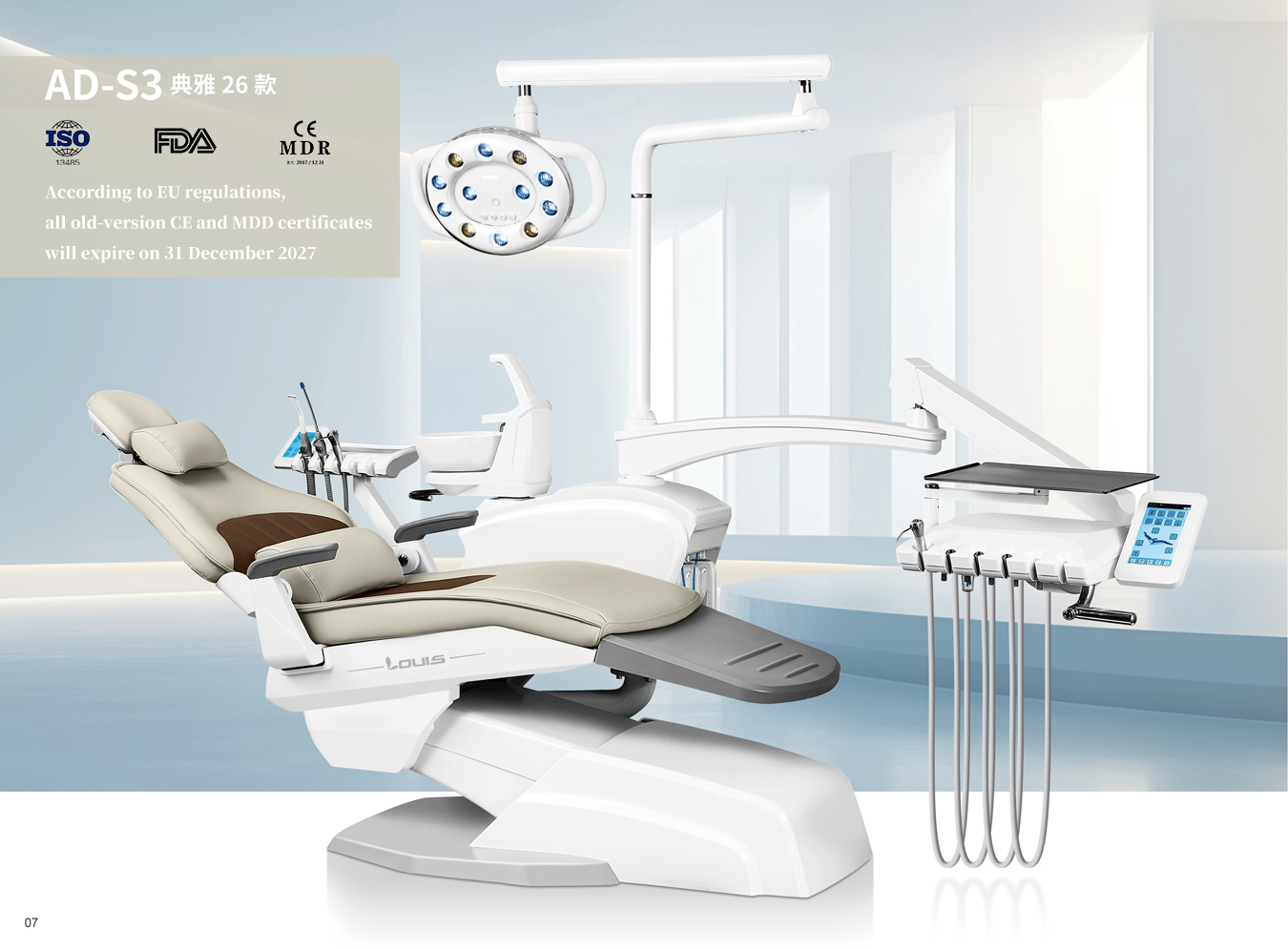
In a pediatric dental treatment environment, equipment selection not only affects treatment efficiency but also directly impacts children's comfort, cooperation, and safety. Among all equipment, the dental chair unit is the core component of the pediatric dental treatment space.
Unlike adult dental treatment, children exhibit significant differences in physiological structure, psychological state, and behavioral control abilities. Therefore, the dental chair units used in pediatric dentistry should be specifically designed in terms of structural design, size specifications, control systems, and safety features.
So, which type of dental chair unit is suitable for pediatric dentistry? Should a dedicated pediatric dental chair unit be chosen? Or can a standard dental chair unit be adjusted?
This article will systematically analyze the types of dental chair units suitable for pediatric dentistry from multiple perspectives, including structural design, functional configuration, safety, comfort, and ease of operation.
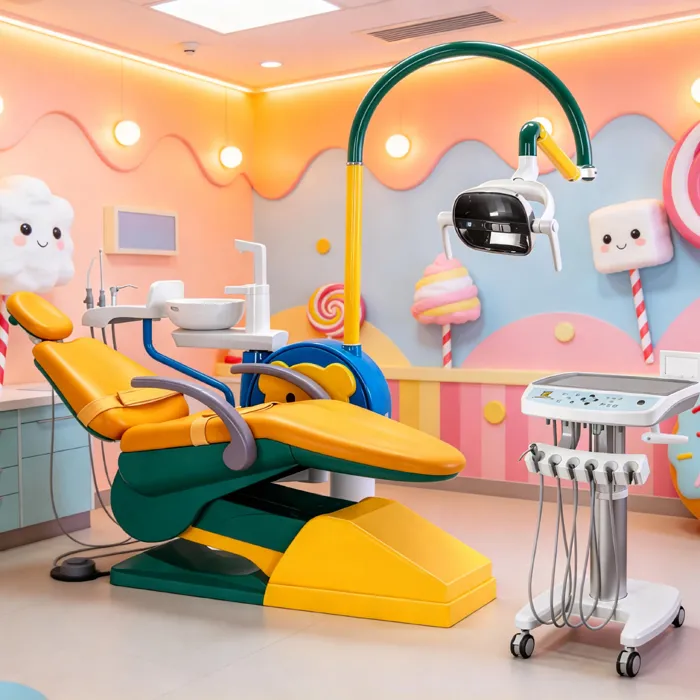
Why can't ordinary dental chair units be used directly in pediatric dentistry?
Many people believe that ordinary dental chair units can meet the needs of pediatric treatment simply by adjusting the height. However, from a professional perspective, ordinary dental chair units are not entirely suitable for pediatric treatment in several aspects.
First, children's height and weight differ significantly from adults. Standard dental chair units are primarily designed with adult body types in mind for seat width, backrest length, and headrest height, often resulting in insufficient support for children when lying down.
Second, children are more prone to anxiety and resistance during treatment. The design of standard dental chair units leans towards a medical aesthetic, lacking approachability and hindering the establishment of a sense of security in children.
Third, pediatric dentists require more flexible operating space during procedures. The structural proportions of standard dental chair units may affect the dentist's operating angle in a child's oral cavity.
Therefore, when selecting dental chair units for pediatric dentistry, design factors specifically tailored to children's needs must be considered.
Is a dedicated pediatric dental chair unit necessary?
This is a crucial question. Is it absolutely necessary for pediatric dentistry to use a dedicated pediatric dental chair unit?
From a functional perspective, dedicated pediatric dental chair units have significant advantages in the following aspects:
• Smaller chair size
• Shorter backrest
• Multi-angle adjustable headrest
• More approachable design
Dedicated pediatric dental chair units are typically structurally more conforming to the curves of a child's body, providing more stable support. For younger children, dedicated dental chair units are more conducive to maintaining correct posture.
However, in some cases, general-purpose dental chair units with a wider range of adjustments can also meet the needs of some pediatric patients. The key is whether the dental chair unit has sufficient height adjustment and a suitable headrest structure.
Therefore, pediatric dentistry does not necessarily require a dedicated dental chair unit, but if the primary patients are children, a dedicated dental chair unit is more advantageous.
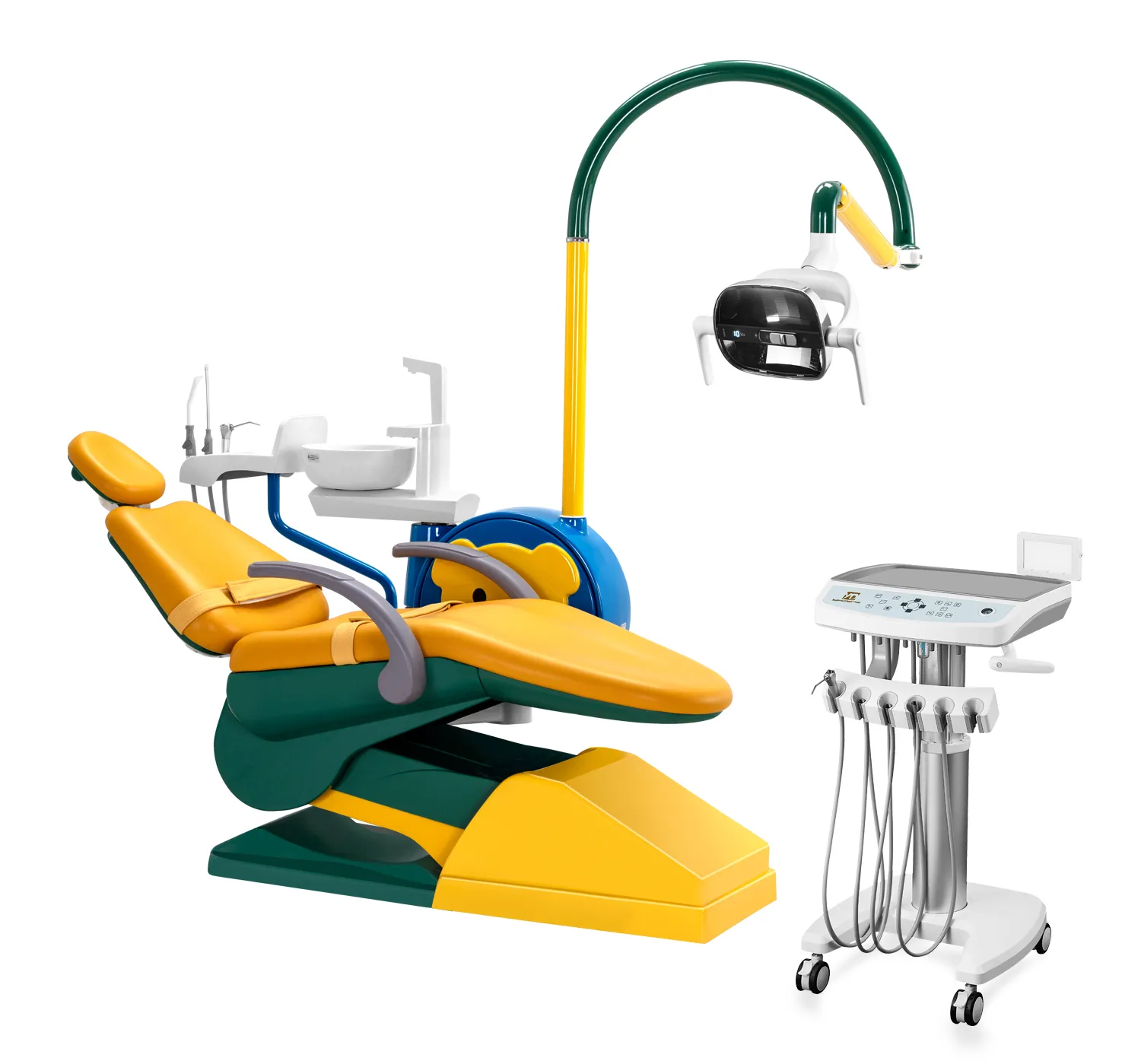
What are the special requirements for the size and structure of pediatric dental chair units?
Pediatric dental chair units have significant differences in size design.
First is the seat length. The seat of a pediatric dental chair unit should be shorter to prevent the child's legs from dangling when lying down.
Second is the backrest width. Children have narrower shoulders, and an overly wide dental chair backrest can reduce the feeling of being enveloped and affect stability.
Thirdly, the headrest design is crucial. The headrest of a pediatric dental chair should have a more flexible adjustment range to accommodate the varying neck lengths of children of different ages.
Furthermore, the overall proportions of the dental chair should be harmonious. If the proportions are unbalanced, it's difficult to maintain a stable position for the child in the chair, affecting the accuracy of the procedure.
Therefore, dental chairs suitable for children must be size-appropriate, not simply smaller versions of adult chairs.
Is the backrest adjustment angle of the dental chair important for children?
The backrest adjustment angle of the dental chair is particularly important for children.
Children often find it difficult to maintain a fixed posture for extended periods during treatment; therefore, the dental chair should have a smooth and gentle angle adjustment function.
An ideal pediatric dental chair should meet the following requirements:
• Allows for a supine position
• Supports fine-tuning of the angle
• Smooth adjustment without sudden movement
If the adjustment process of the dental chair is accompanied by significant vibration, it can easily increase the child's anxiety. Therefore, stability is a crucial criterion for selecting pediatric dental chair units.
What are the core safety requirements for pediatric dental chair units?
Safety is a core element in selecting pediatric dental chair units.
Children may move suddenly during treatment, therefore, dental chair units must possess:
• Anti-pinch design
• Rounded corners
• Stable base support
In addition, the height adjustment system of the dental chair unit should have a cushioning function to prevent rapid rises and falls from causing fright to children.
The materials of the pediatric dental chair unit should also be wear-resistant and easy to clean to ensure hygiene and safety.
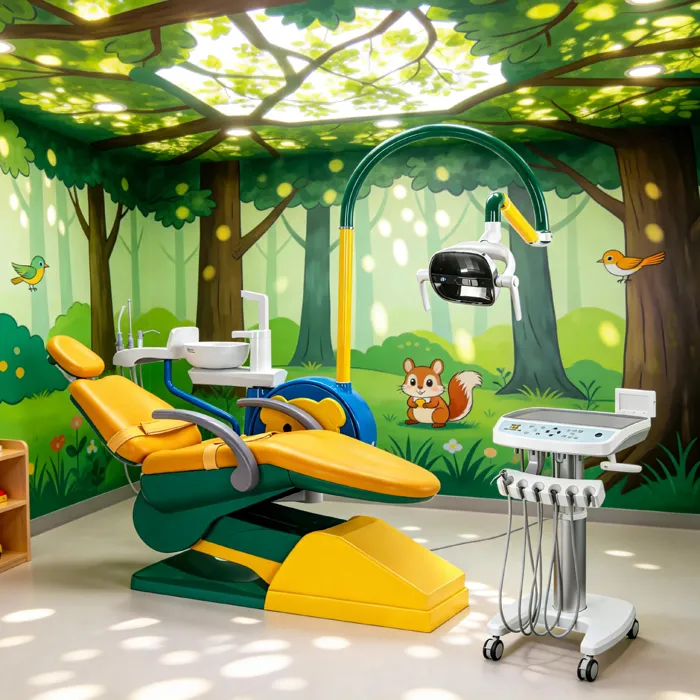
Does the appearance design of the pediatric dental chair unit affect treatment cooperation?
Although appearance design is not a functional structure, it plays an important role in the pediatric dental environment.
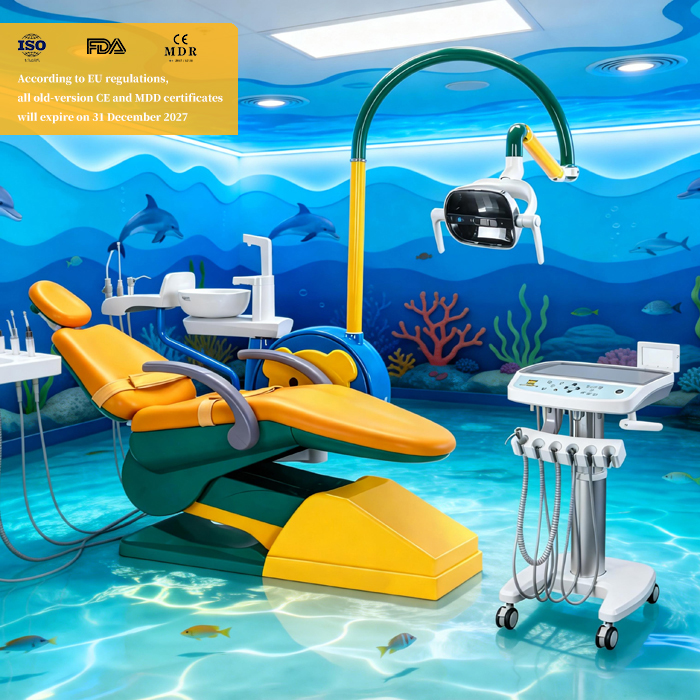
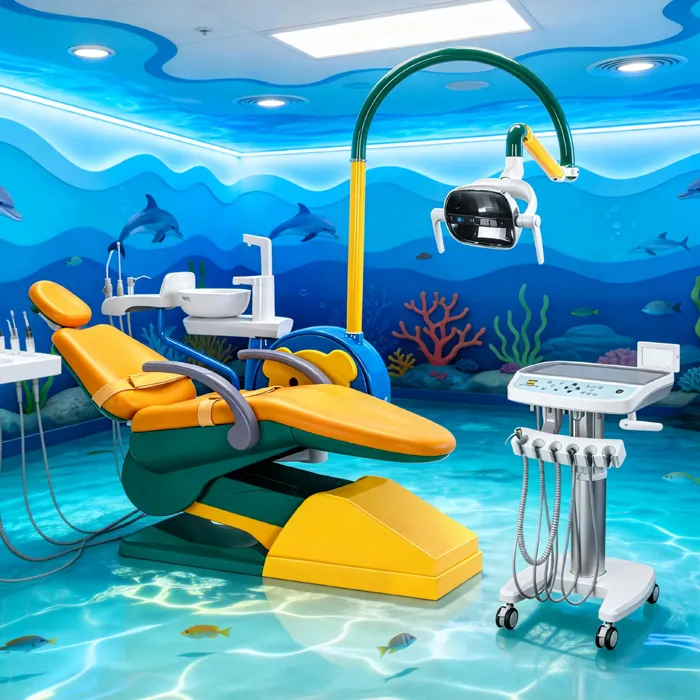
Pediatric dental chair units often use bright colors or cartoonish designs, which help alleviate children's anxiety.
Compared to traditional medical-style dental chair units, dental chair units with a friendly appearance are more conducive to building trust.
Therefore, in pediatric dental settings, the visual design of the dental chair unit is also a factor to consider when selecting it.
Do pediatric dental chair units require independent operating systems?
Some pediatric dental chair units feature an integrated design, combining the operating system with the chair structure.
The advantages of this design include:
• Reduced operating distance
• Improved space utilization
• Facilitates quick adjustments by the dentist
For pediatric dental treatment rooms with limited space, compact dental chair units are more practical.
Do children of different ages need different types of dental chair units?
Pediatric dental patients span a wide age range, from toddlers to teenagers.
For younger children, dedicated pediatric dental chair units are more suitable.
For patients approaching adolescence, general-purpose dental chair units with a wider range of adjustability can be chosen.
Therefore, the selection of a dental chair unit should be based on a comprehensive assessment of the target patient group.
How to determine if a dental chair unit is suitable for pediatric dentistry?
To determine if a dental chair unit is suitable for pediatric dentistry, consider the following:
1. High adaptability
2. Safe cushioning structure
3. Flexible headrest adjustment
4. Comfortable, supportive design
5. Ease of use for the dentist
If a dental chair unit performs well in all of the above aspects, it can be considered suitable for pediatric dentistry.
How does Yadeng Medical maintain production efficiency?
As a modern dental chair manufacturer and factory, Yadeng Medical invests in advanced production equipment and streamlined manufacturing processes. Our facility is organized to support both small-batch customized orders and large-scale wholesale purchasing. By integrating technology with skilled workmanship, we maintain high efficiency while ensuring every dental unit meets strict quality standards. Buyers seeking a high-quality dental equipment supplier in China can rely on our factory’s stable output capacity and punctual delivery, making large or repeated purchasing plans easier to manage.
