

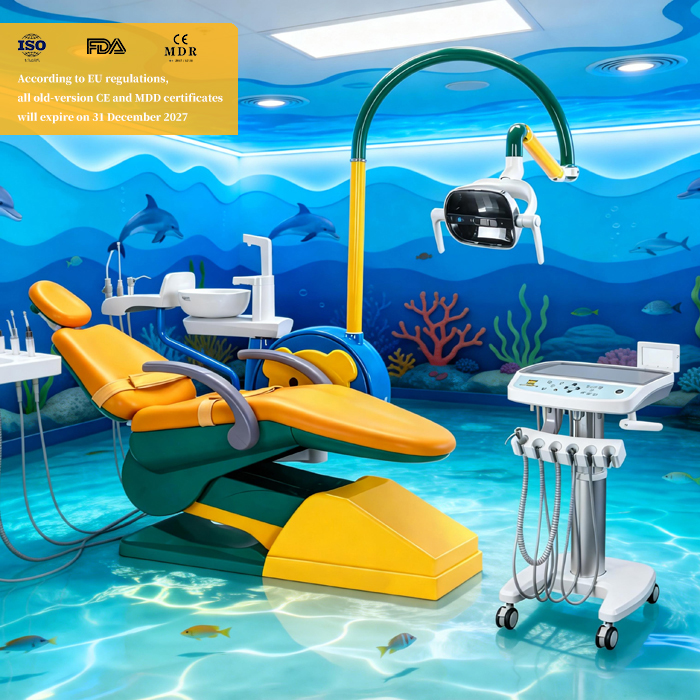
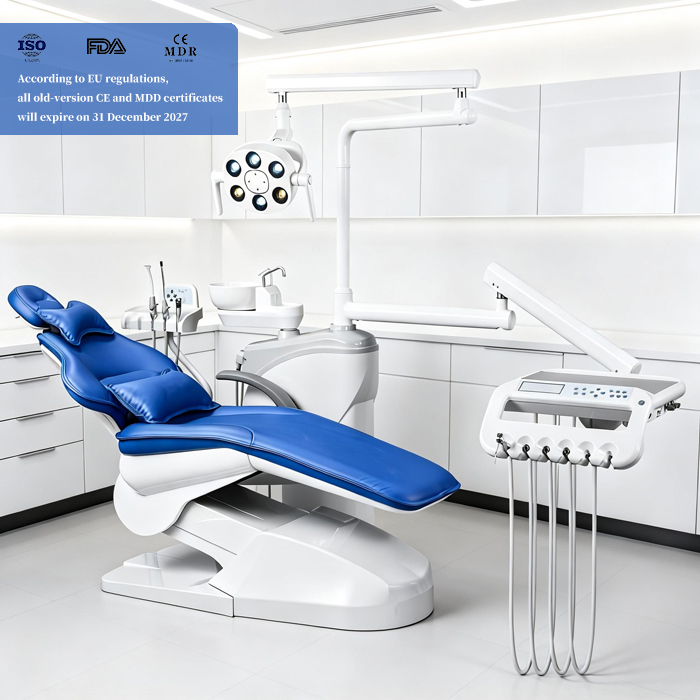
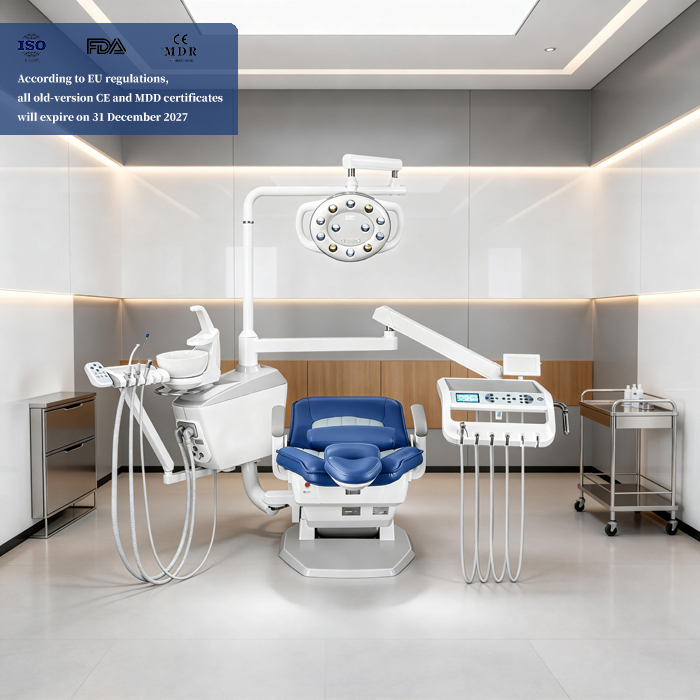
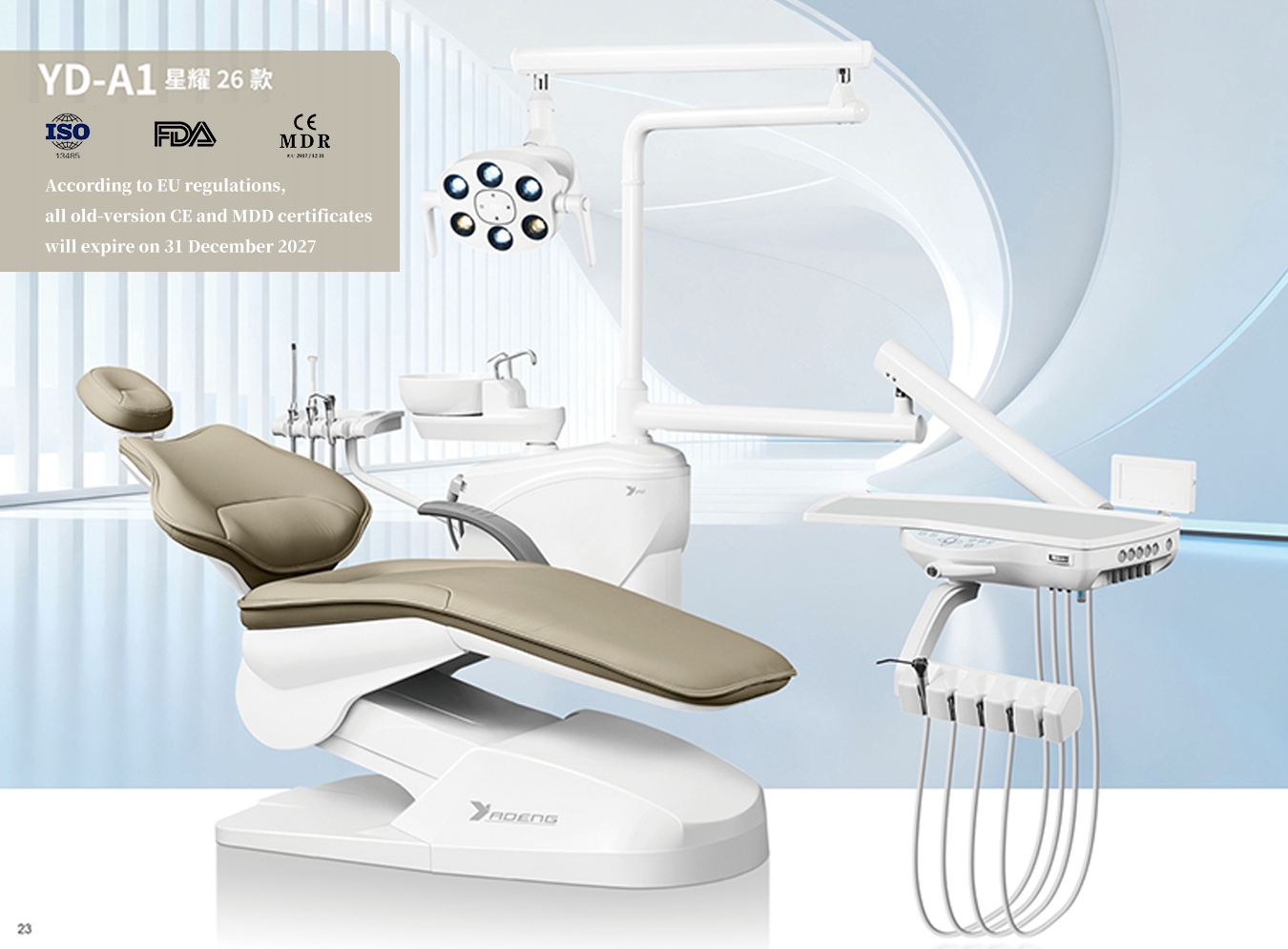
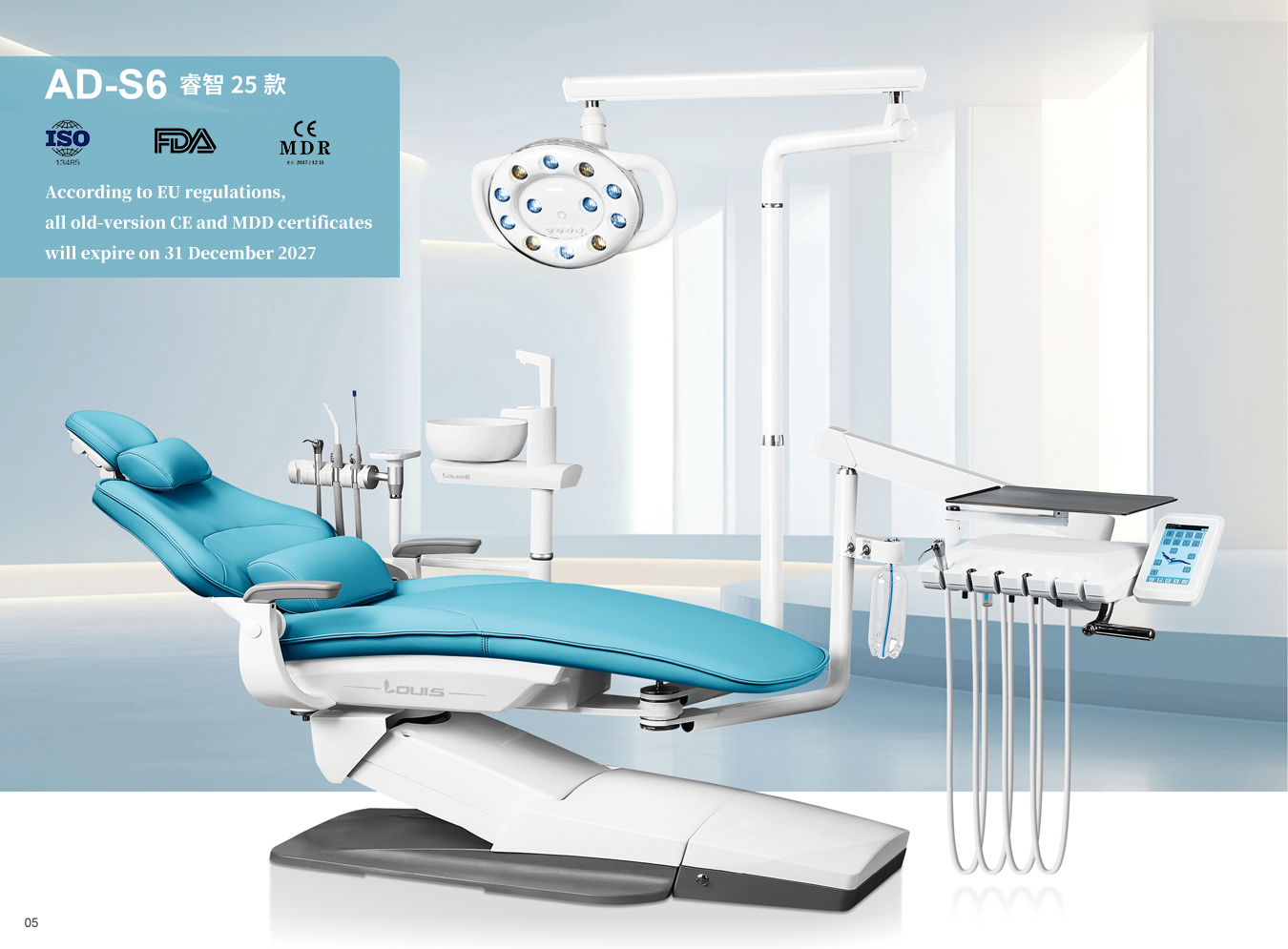
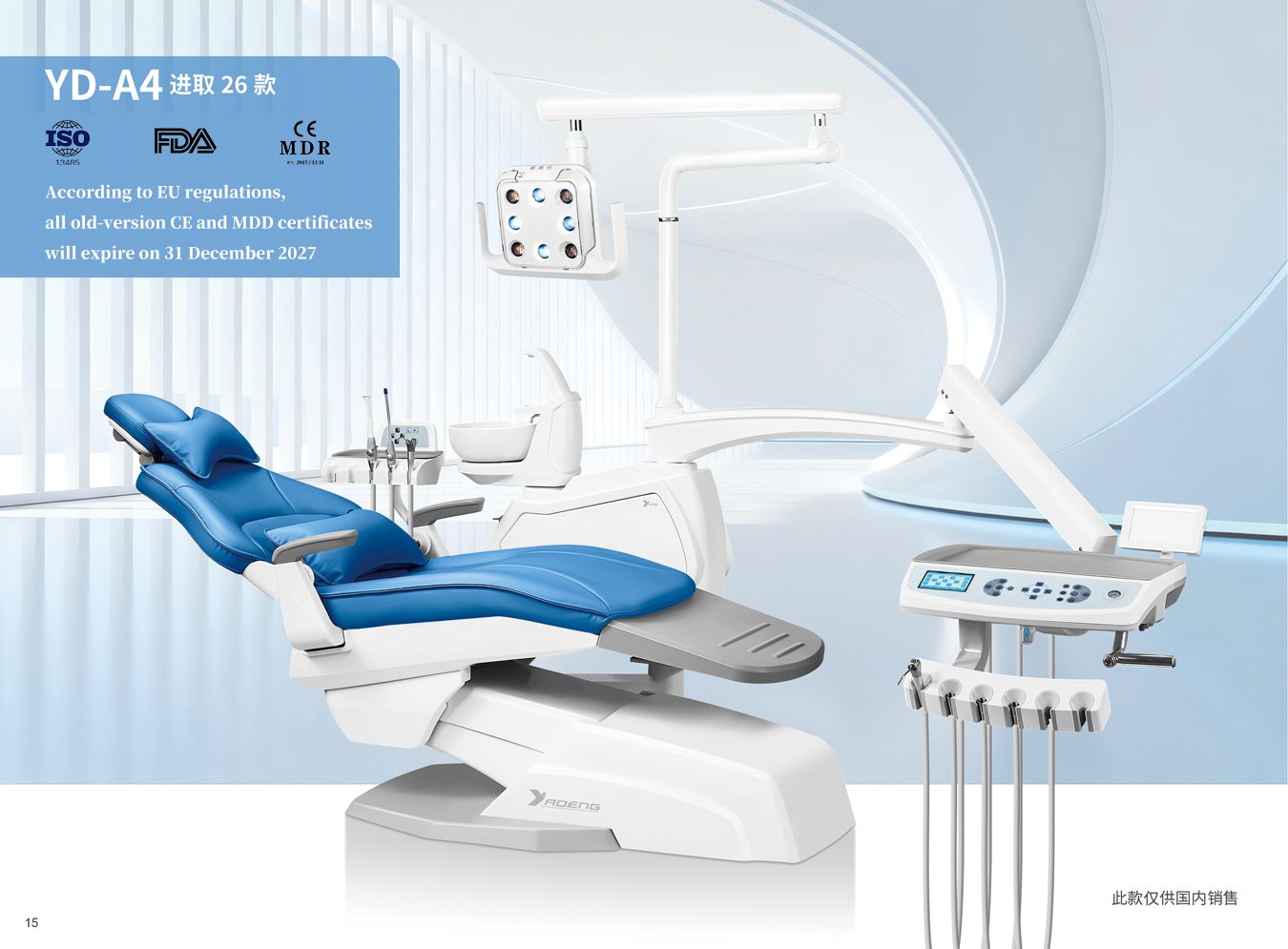
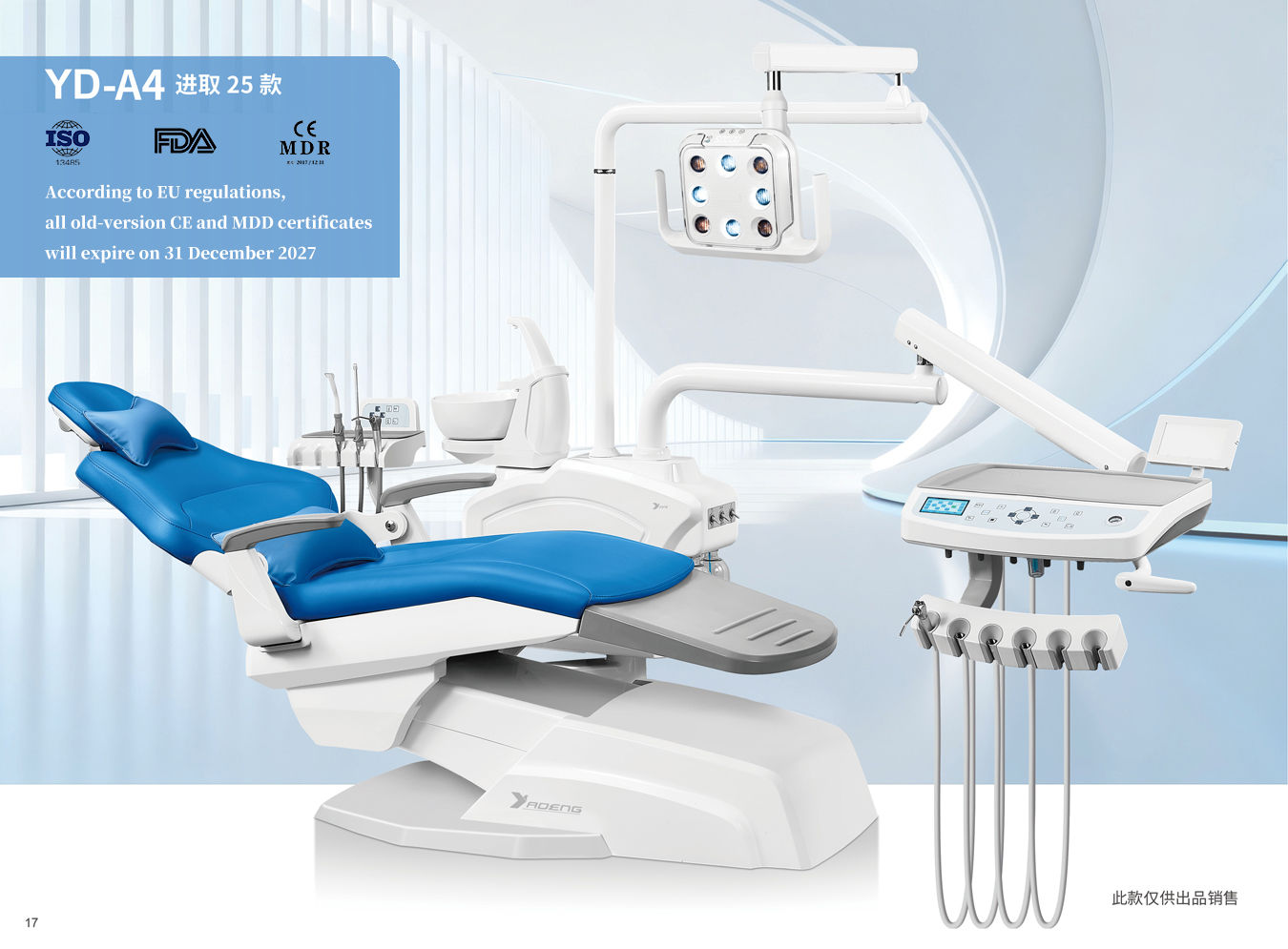
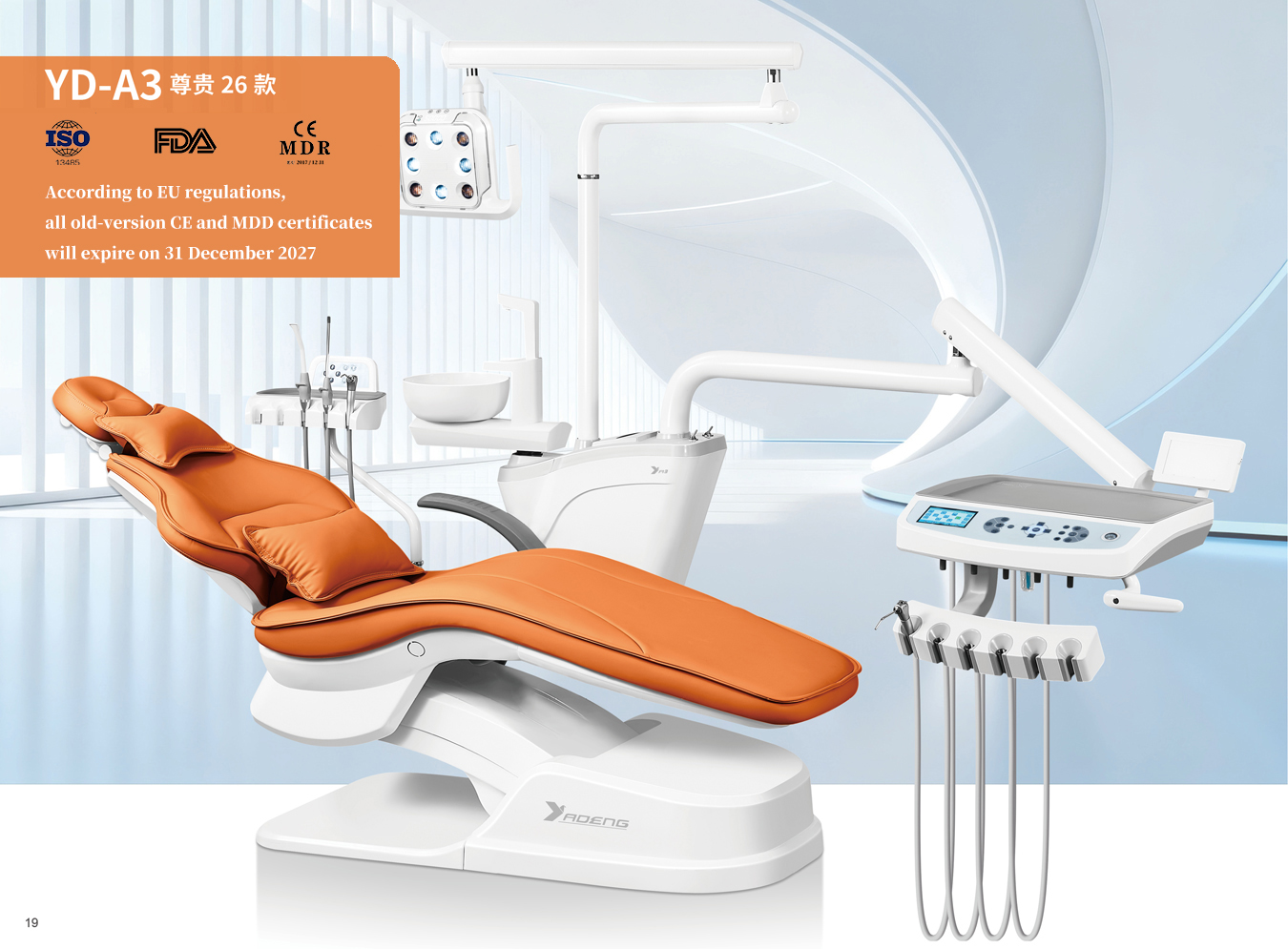
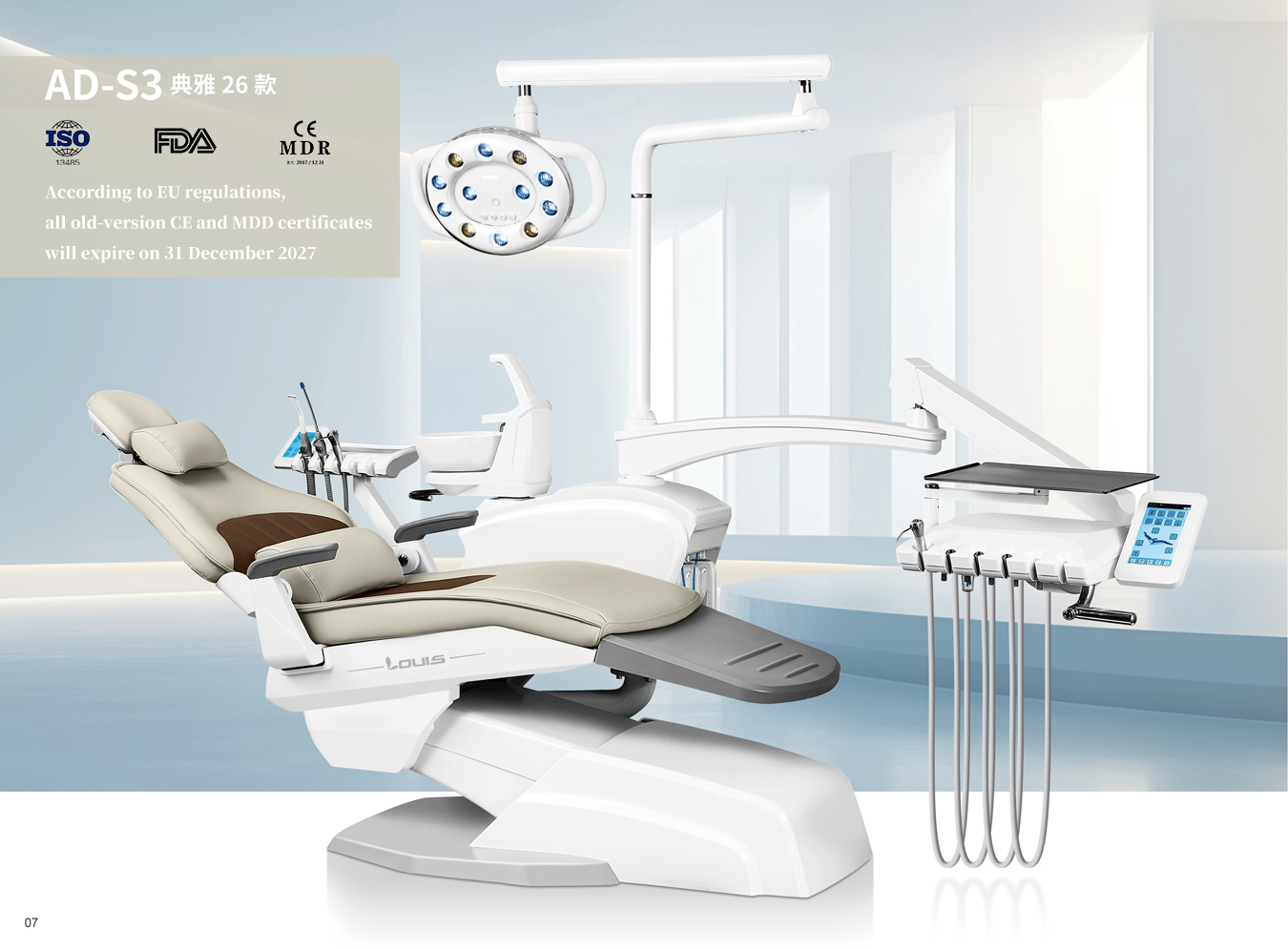
In modern dental settings, the dental chair unit is one of the most frequently used, structurally complex, and easily damaged pieces of equipment due to neglected maintenance. Whether during daily consultations or routine examinations and treatments, the dental chair unit operates almost continuously throughout the entire workday.
Therefore, a crucial yet often underestimated question arises: how often should a dental chair unit be maintained?
From a professional perspective, dental chair unit maintenance is not an "occasional" task, but rather a periodic, systematic, and standardized equipment management practice.
This article will address this question, systematically answering the appropriate maintenance frequency for dental chair units from multiple dimensions, including their structural characteristics, usage intensity, and maintenance levels.
Why does a dental chair unit need regular maintenance?
To answer "how often should a dental chair unit be maintained," we must first clarify a premise: why is maintenance of the dental chair unit absolutely necessary?
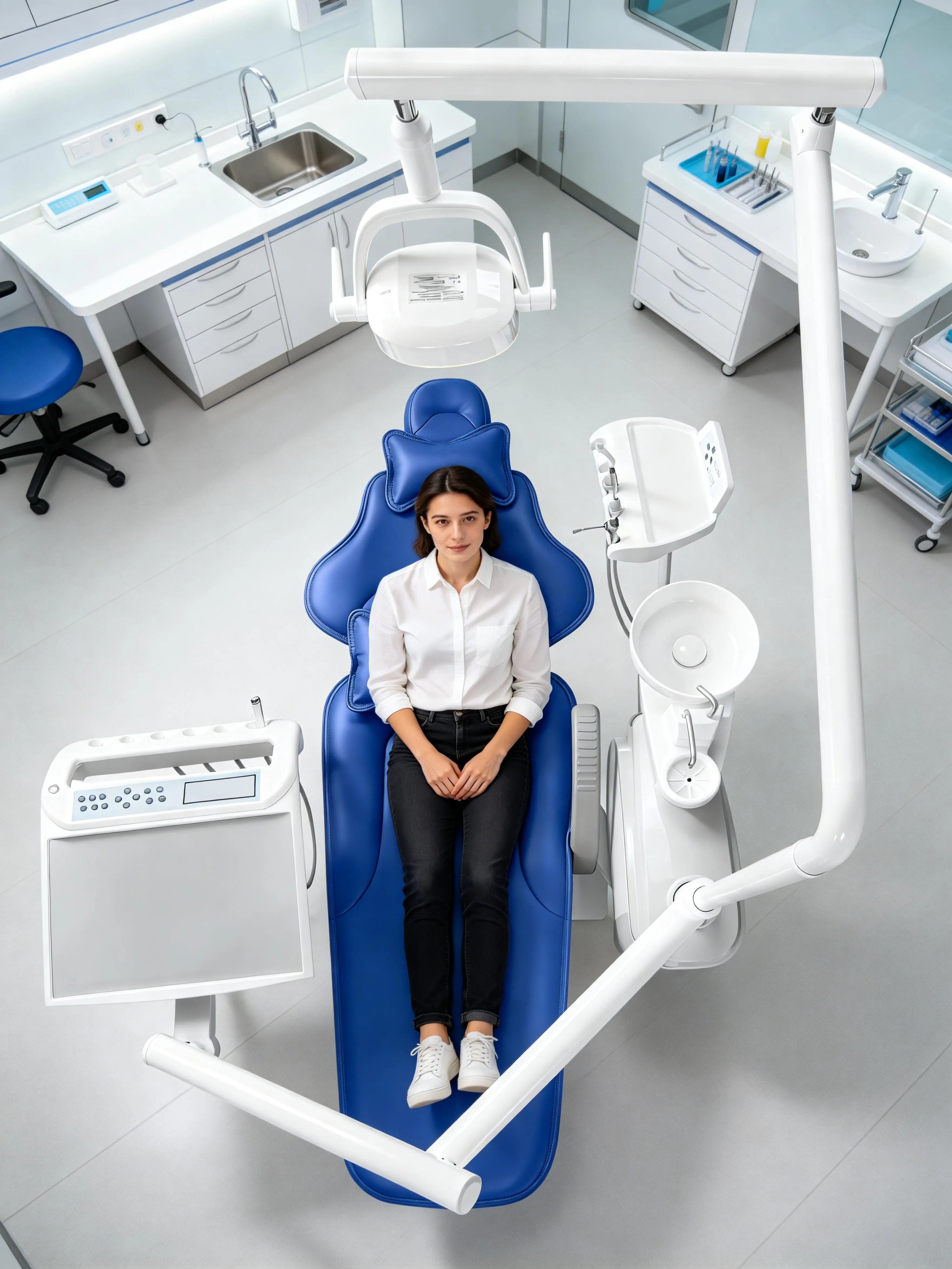
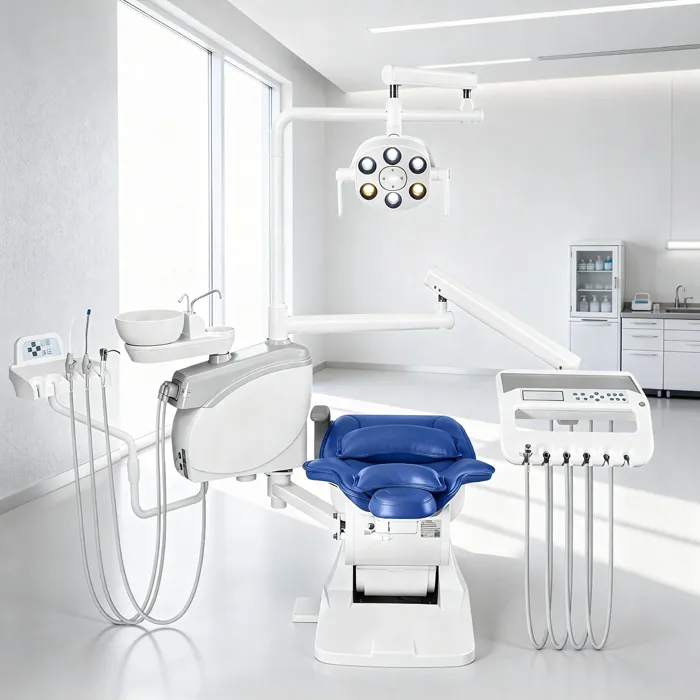
A dental chair unit is not a single component, but a highly integrated device comprised of multiple systems, typically including:
• Chair body system
• Water system
• Pneumatic system
• Electrical control system
• Instrument interface system
These systems operate simultaneously during daily use. Any malfunction in any of these systems can affect the overall stability of the dental chair unit. Therefore, regular maintenance is not "extra work," but a necessary condition for the long-term normal operation of the dental chair unit.
Why does the frequency of use of a dental chair unit determine the maintenance cycle?
Dental chair units differ from ordinary furniture or low-frequency equipment in that they are characterized by high-frequency, repetitive, and continuous use.
Under normal clinical conditions:
• The dental chair unit undergoes multiple height adjustments and patient positioning adjustments daily.
• The water and pneumatic systems operate continuously.
• The electrical control system repeatedly responds to operational commands.
It is precisely this high-frequency use that dictates that a dental chair unit cannot "maintain stable performance for extended periods without maintenance." Therefore, the maintenance cycle must be matched to the intensity of use.
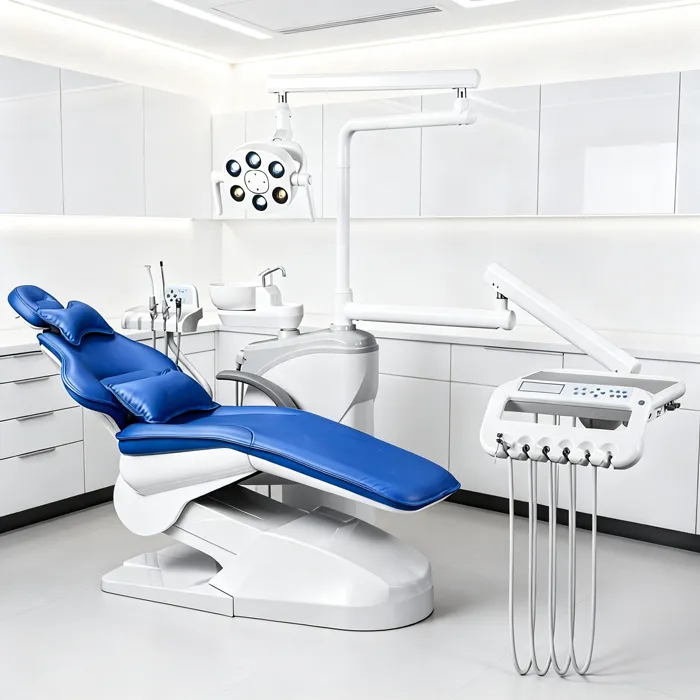
How often should a dental chair unit undergo routine maintenance?
Of all maintenance levels, routine maintenance is the most frequent and fundamental.
What is routine maintenance for a dental chair unit?
Routine maintenance does not involve complex disassembly or technical operations. It focuses on maintaining the appearance, surface, and basic operational condition of the dental chair unit.
From a professional equipment management perspective, routine maintenance of the dental chair unit should be performed daily.
What is the significance of routine maintenance for a dental chair unit?
Through daily basic maintenance, you can:
• Reduce the impact of stains and residue on the surface of the dental chair unit
• Detect obvious abnormalities promptly
• Maintain the cleanliness and operability of the dental chair unit
Although this type of maintenance is simple, it is the first line of defense in extending the stability of the dental chair unit's use.
Does a dental chair unit require periodic inspection and maintenance?
In addition to routine maintenance, the dental chair unit also requires periodic inspection and maintenance. This is the core part of the question, "How often should a dental chair unit be maintained?"
What is periodic maintenance?
Periodic maintenance refers to:
• Performing regular, scheduled maintenance at fixed intervals
• Inspecting the critical systems of the dental chair unit
• Ensuring all functional modules are functioning correctly
This type of maintenance typically doesn't need to be performed daily, but must be done periodically.
Is monthly maintenance of the dental chair unit necessary?
From a professional equipment management perspective, a monthly systemic inspection of the dental chair unit is essential.
What aspects does monthly maintenance primarily focus on?
Monthly maintenance typically focuses on:
• The smoothness of the dental chair unit's height adjustment and backrest movement
• The responsiveness of control buttons and foot pedals
• Any abnormalities in the water and air systems
Monthly maintenance allows potential risks to be identified before problems escalate.
How often should a dental chair unit undergo deep maintenance?
Compared to routine maintenance and monthly inspections, deep maintenance is performed less frequently, but its importance is greater.
What is deep maintenance of the dental chair unit?
Deep maintenance typically refers to:
• Targeting the internal structure and critical systems
• Conducting a more comprehensive inspection
• Involving specialized technical operations
This type of maintenance is not part of routine operations but rather exists as a periodic maintenance measure.
What is a reasonable interval for deep maintenance?
From an industry-standard equipment management perspective, it is generally recommended that dental chair units undergo deep maintenance every 6 to 12 months.
This interval ensures stable equipment performance without creating unnecessary maintenance frequency.
What problems will occur if a dental chair unit is not maintained for a long period?
Understanding "how often should a dental chair unit be maintained" also requires considering the reverse: what happens if maintenance is not performed according to the schedule?
Without long-term maintenance, a dental chair unit may experience:
• Unsmooth operation
• Slow control response
• Decreased operational stability
• Reduced system coordination efficiency
These problems often do not occur suddenly but are the result of gradual accumulation, and regular maintenance is the key to preventing this accumulation.
Do different systems within a dental chair unit have the same maintenance frequency?
A frequently overlooked question is: Do all components of a dental chair unit require the same frequency of maintenance?
The answer is no.
Why do different systems have different maintenance frequencies?
Because the various systems within the dental chair unit:
• operate differently
• experience different levels of use
• are more susceptible to external influences.
Therefore, when developing a maintenance plan, the dental chair unit should be understood as a "multi-system combination," not a single piece of equipment.
How to understand "regular maintenance" from a professional perspective?
In a professional context, "regular maintenance of the dental chair unit" does not mean arbitrarily choosing a point in time, but rather:
• Establishing a clear maintenance cycle
• Differentiating the maintenance content at different levels
• Treating maintenance as part of equipment management
Only in this way can the maintenance of the dental chair unit be systematic, rather than reactive.
Is the maintenance frequency of a dental chair unit related to the usage environment?
Logically, the usage environment of the dental chair unit does indeed affect the determination of its maintenance frequency.
For example:
• Higher usage frequency requires a shorter inspection cycle.
• More stringent environmental requirements necessitate more detailed maintenance standards.
Therefore, the maintenance cycle is not a "one-size-fits-all" approach, but rather a reasonable adjustment based on general principles.
How often should a dental chair unit be maintained?
A clear and systematic conclusion can be drawn:
• Dental chair units require continuous, long-term, and regular maintenance.
• Routine maintenance should be based on a "daily" cycle.
• Periodic inspections are usually based on a "monthly" reference.
• Deep maintenance is recommended every 6 to 12 months.
• The actual maintenance frequency should be adjusted based on usage intensity and management requirements.
Therefore, there is no single, isolated answer to "how often should a dental chair unit be maintained," but rather a layered, continuous maintenance logic system.
How does your company support international distributors?
We actively cooperate with overseas distributors looking to purchase dental equipment from a reliable Chinese manufacturer. Our company provides stable supply, competitive wholesale prices, and promotional support for long-term partners. With export experience across multiple regions, we understand international logistics and documentation requirements.
