

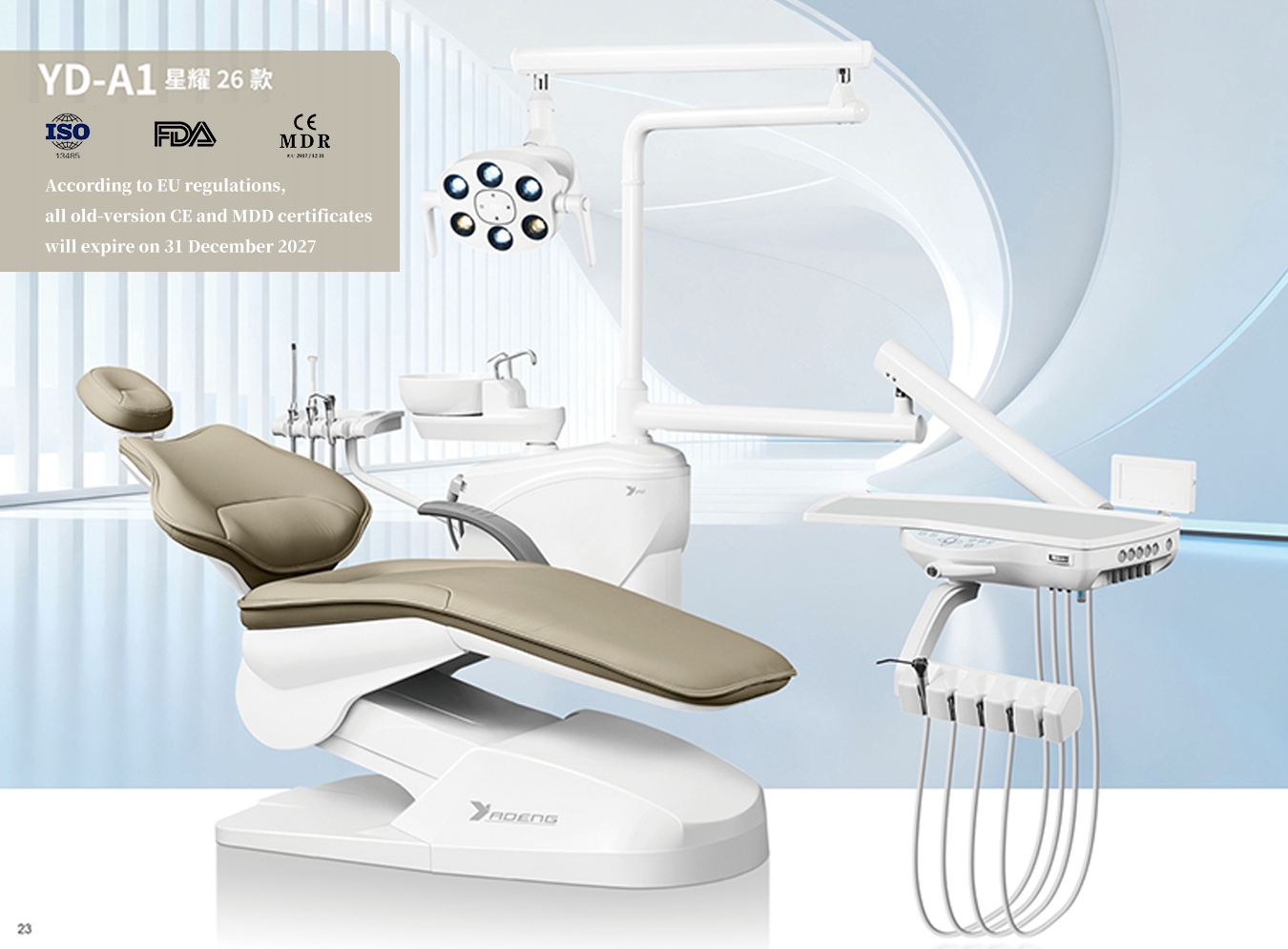
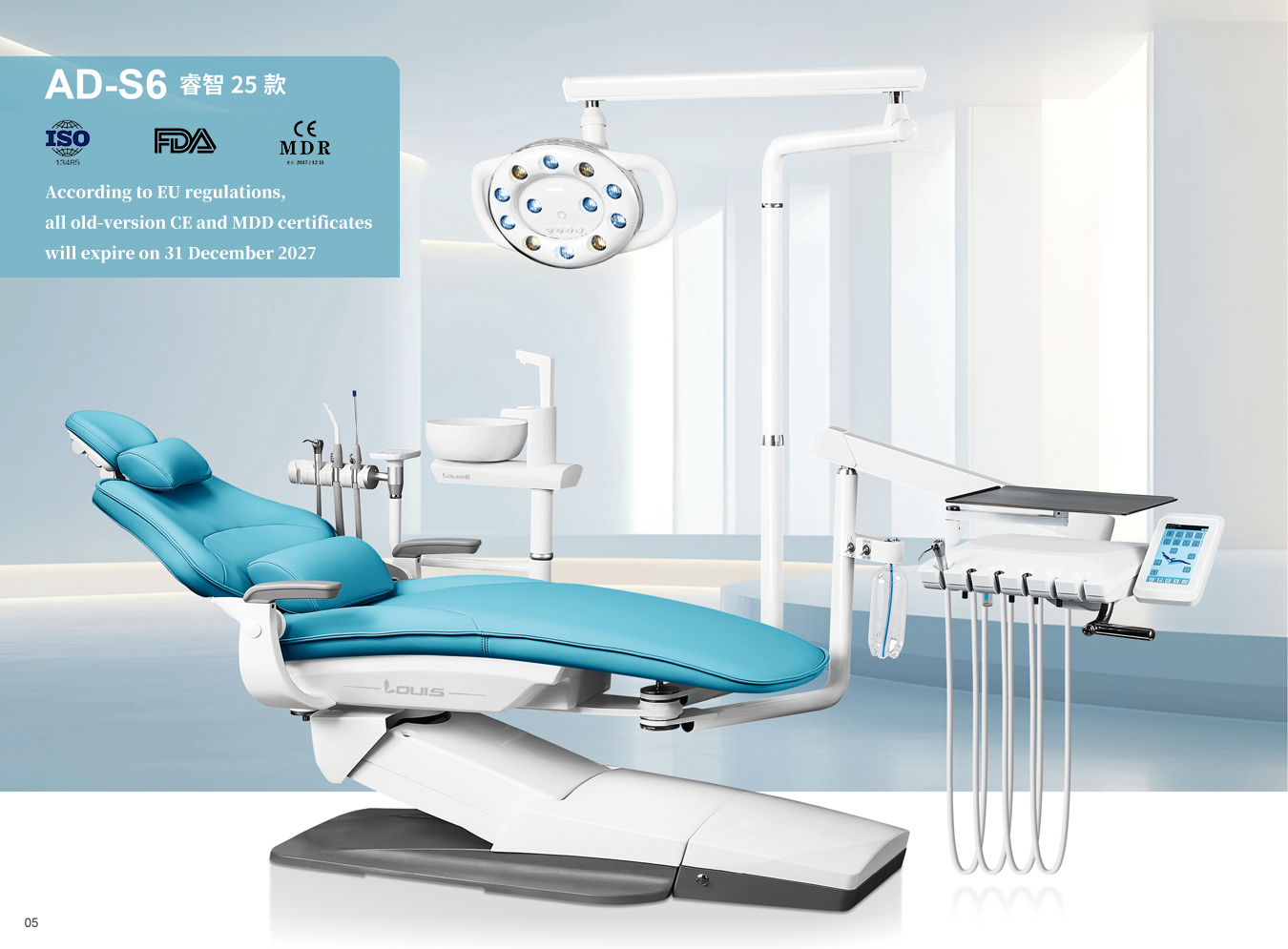
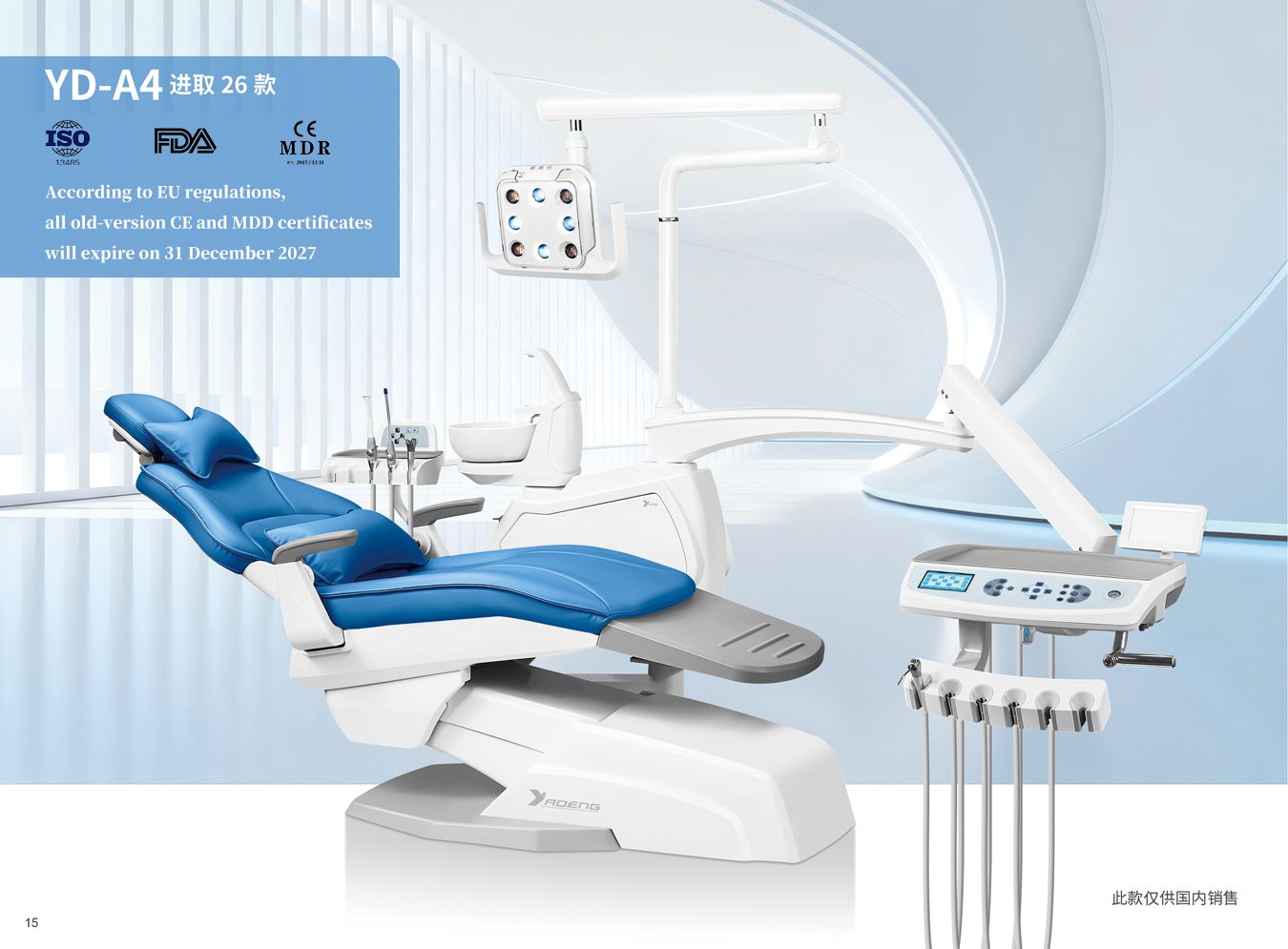
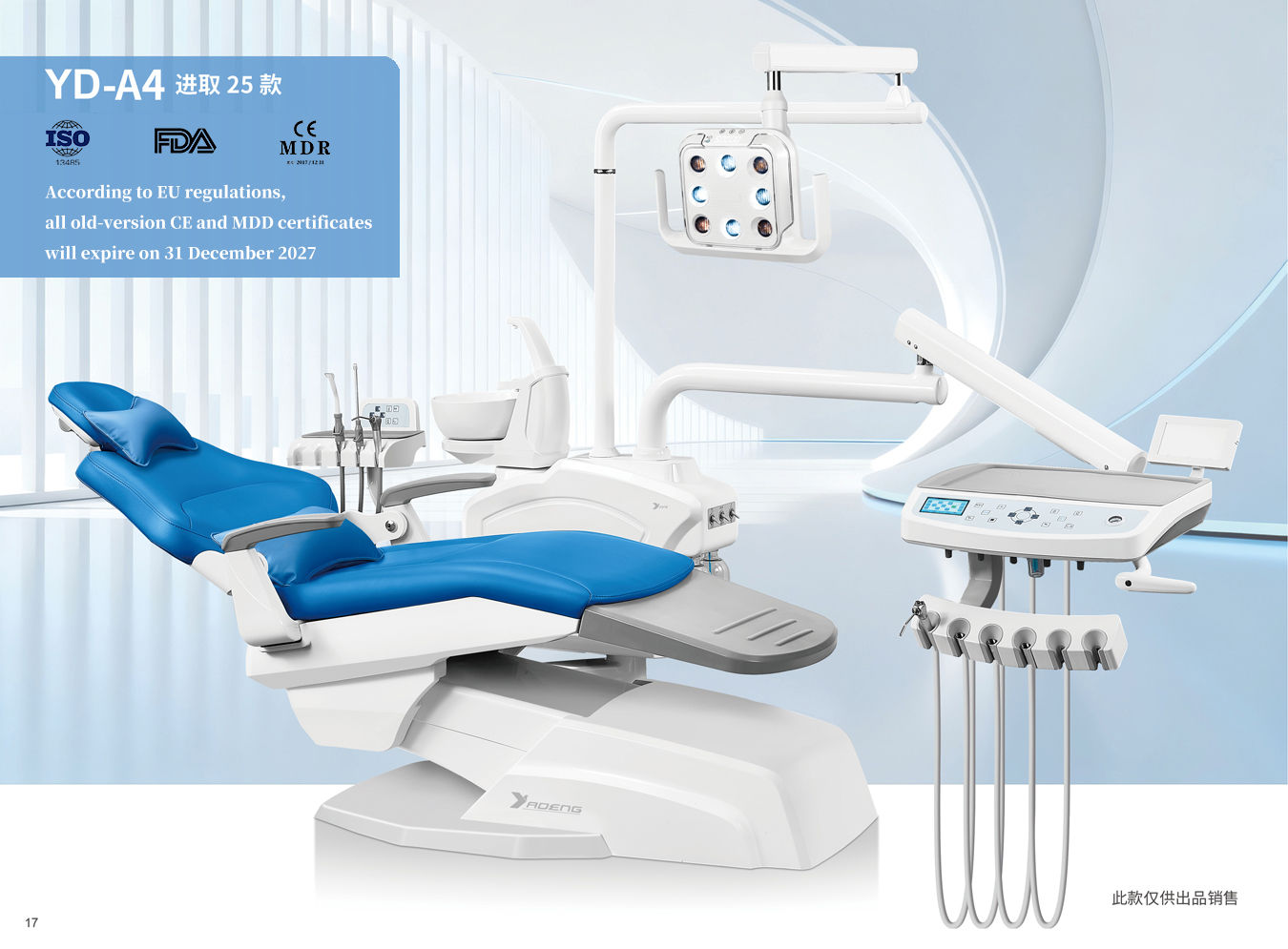
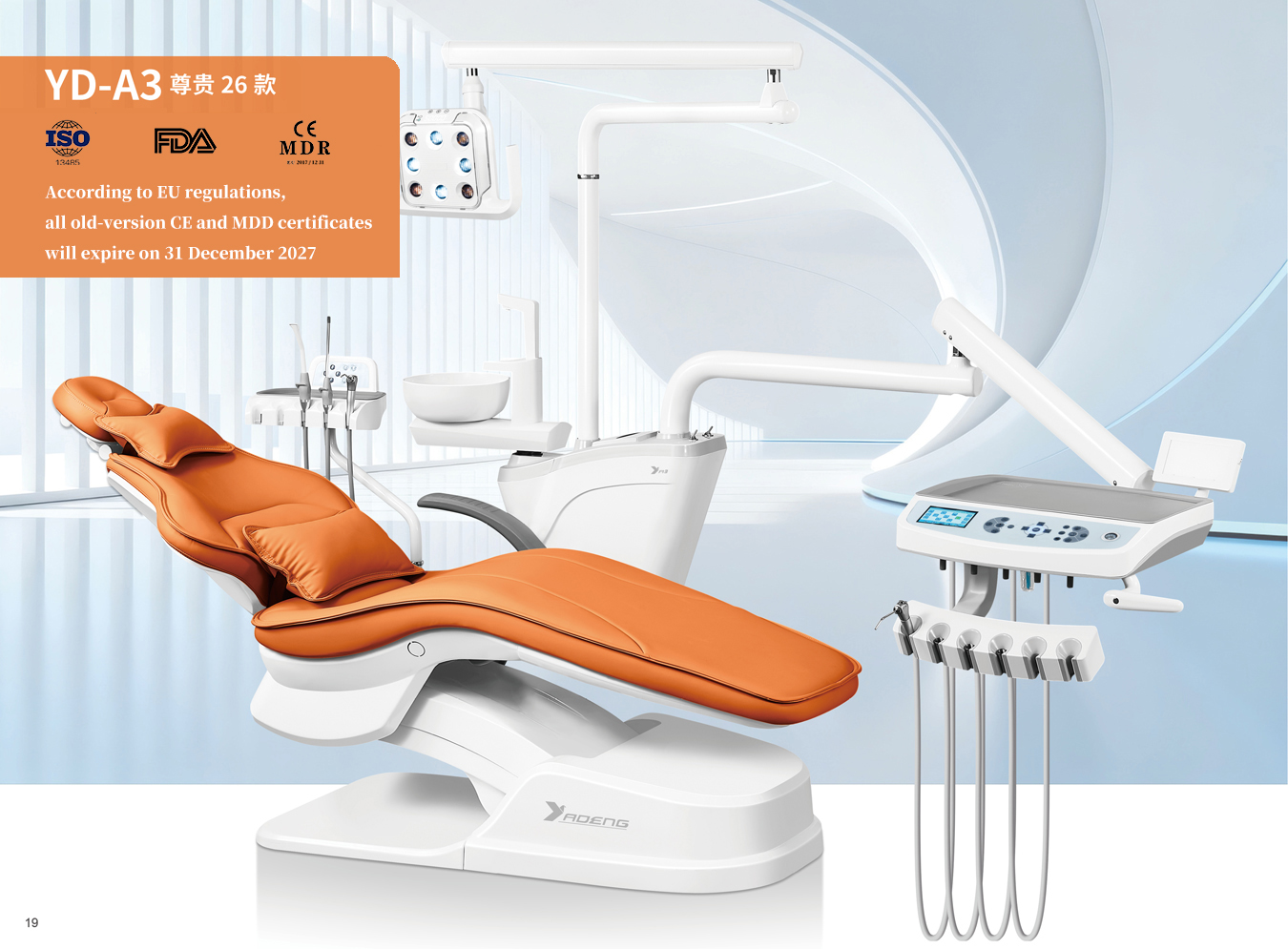
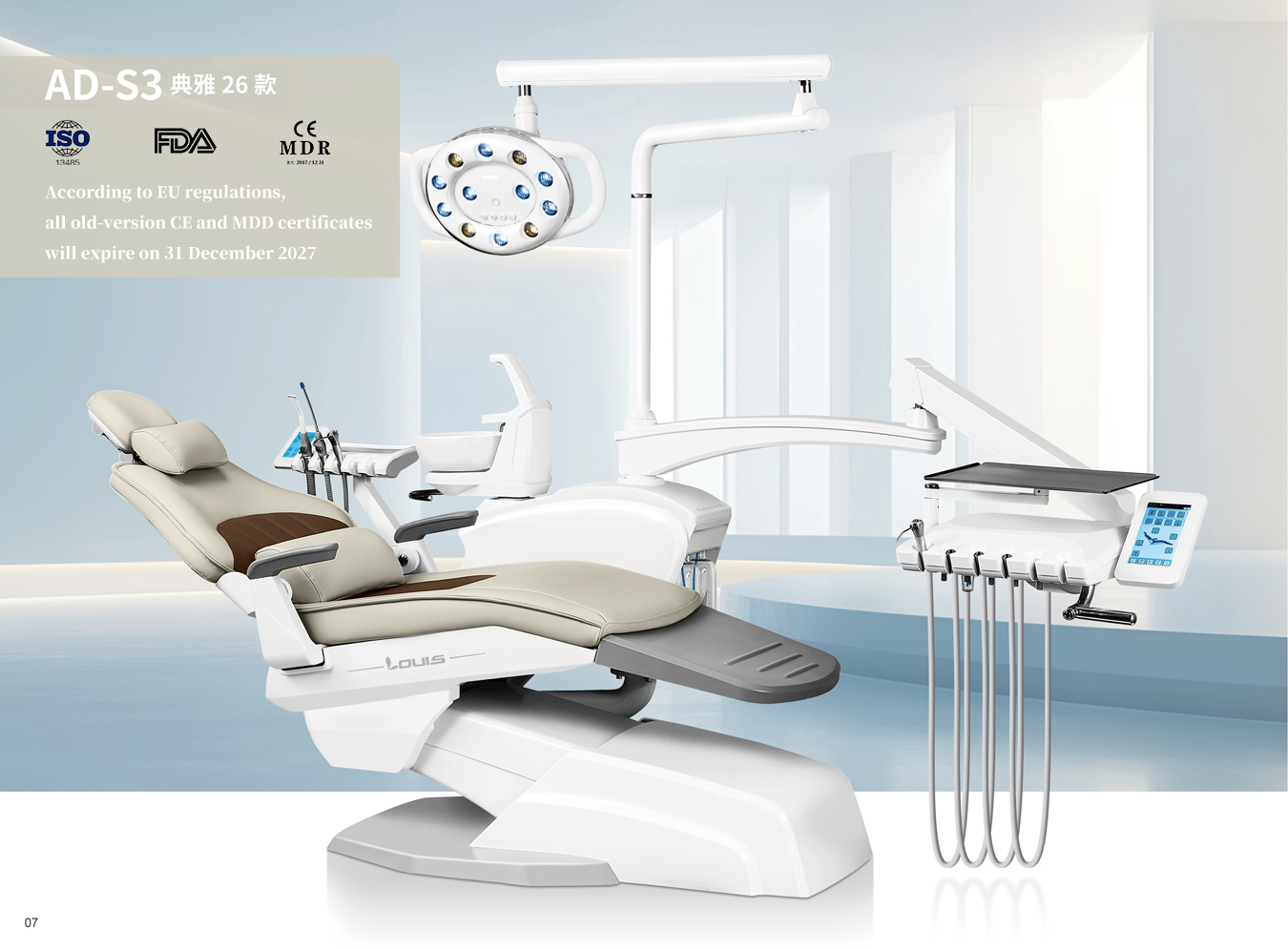
In a dental treatment environment, the dental chair unit is one of the core pieces of equipment, and its operational status directly affects the treatment experience and operational efficiency. Besides stability, safety, and functional integrity, operating noise is also an important indicator of the quality and maintenance level of a dental chair unit.
If the dental unit generates significant noise during heightening, tilting, or system operation, it not only affects the patient's mood but may also indicate potential problems with the internal structure.
So, how to reduce the operating noise of dental chair units? This is an important question of concern for many clinic managers and equipment maintenance personnel.
This article will focus on the structural composition of dental chair units, noise source analysis, and systemic optimization strategies, providing a comprehensive analysis from a professional perspective of the causes and reduction methods for dental chair unit operating noise.
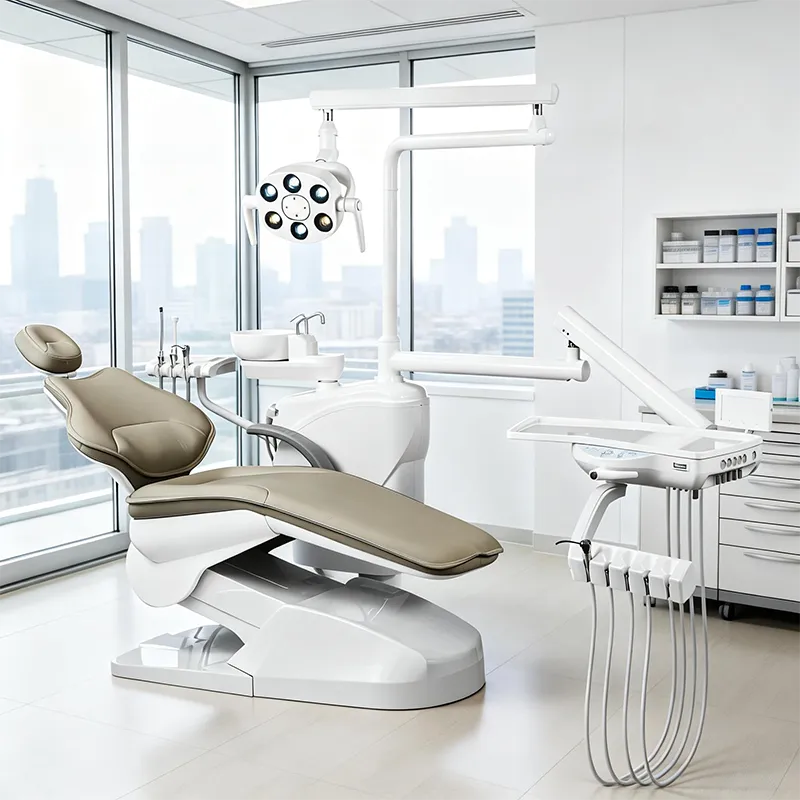
Which systems primarily contribute to the operating noise of dental chair units?
A dental chair unit is a multi-system integrated device, and its operating noise typically originates from the following sources:
• Height and tilt drive system
• Backrest adjustment mechanism
• Motor and transmission
• Water and air systems
• Internal structural vibration
The nature of noise from different sources varies; therefore, reducing the operating noise of a dental unit must begin with structural analysis, rather than simply surface treatment.
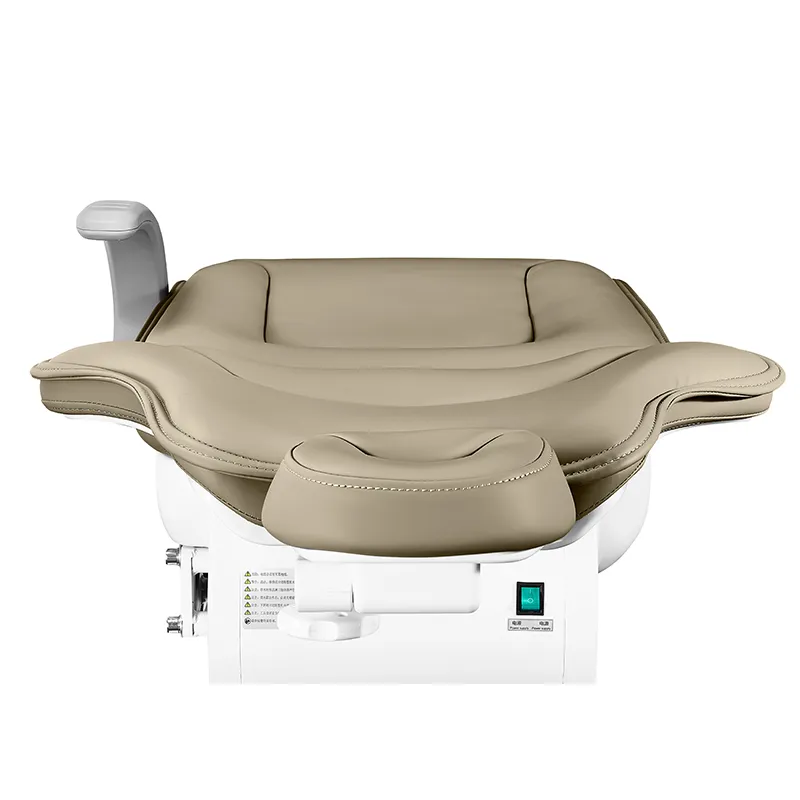
Why is the drive system of a dental chair unit prone to noise?
What is the role of the drive system in a dental chair unit?
The height and tilt movements of a dental chair unit typically rely on electric or hydraulic drive systems. These systems bear heavy loads while performing continuous mechanical motion.
What are the common causes of noise in the drive system?
Noise in the drive system of a dental unit is usually related to the following factors:
• Increased friction between transmission components
• Insufficient lubrication
• Wear of mechanical components
• Loose mounting structures
If the drive system of a dental chair unit lacks regular maintenance, the noise will often gradually increase. Therefore, maintaining the stability of the drive system is a crucial aspect of reducing the operating noise of a dental chair unit.
Does a loose internal structure in a dental unit increase noise?
The answer is yes.
A dental chair unit contains numerous connecting components, including bolts, brackets, and fixing structures. During long-term operation, vibration can cause some connections to loosen.
When the internal fixing components of a dental chair unit become loose, it will produce:
• Resonance noise
• Metallic impact noise
• Structural friction noise
Therefore, regularly inspecting the fixing structures of the dental chair unit is an important measure to reduce operating noise.
What are the effects of insufficient lubrication in a dental unit?
Why is the lubrication system critical?
The multiple moving joints and transmission structures of a dental chair unit require good lubrication. Insufficient lubrication will lead to:
• Increased metal-to-metal friction
• Increased resistance to movement
• Abnormal noise
How to reduce dental unit noise through lubrication?
Regular and proper lubrication of key parts of the dental chair unit can effectively reduce friction noise. Lubrication not only helps reduce noise but also extends the lifespan of dental chair unit components.
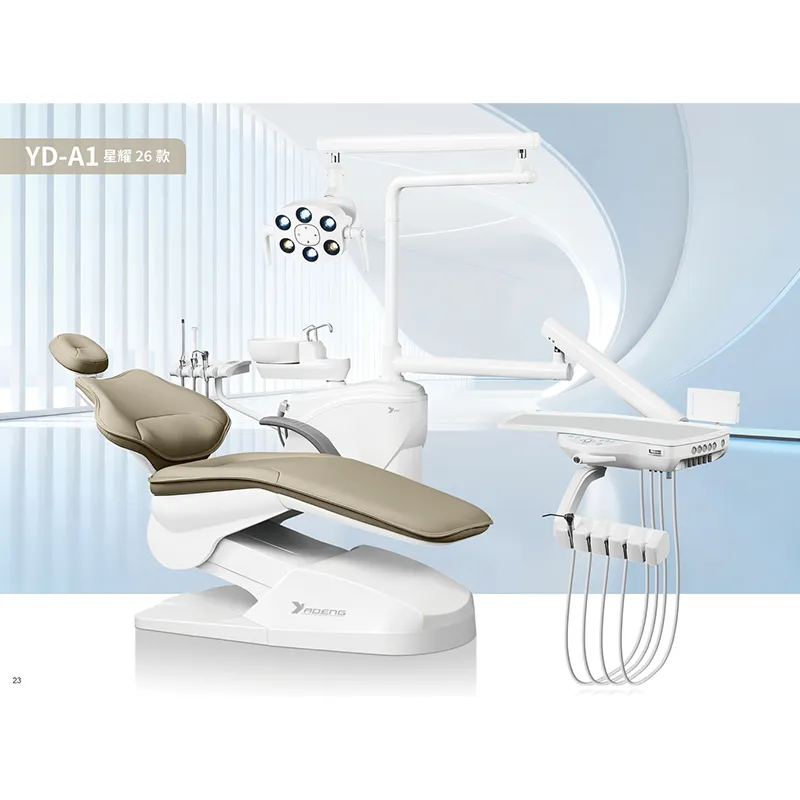
Do the water and air systems of a dental chair unit generate noise?
Many people attribute noise problems solely to the mechanical structure, but in reality, the water and air systems of a dental chair unit can also generate noise.
What causes noise in the water system?
During operation, the water system of a dental unit can produce a flowing noise as water flows through pipes and valves. If:
• Excessive water pressure
• Unstable pipe connections
• Air ingress
These can all increase water flow noise.
Does the air system affect overall quietness?
The air system can produce airflow noise or valve opening and closing sounds when pressure changes. If the air seal of the dental chair unit is poor, the noise will be more noticeable.
Therefore, optimizing the operating environment of the water and air systems is also an important aspect of reducing the operating noise of the dental unit.
Does the floor mounting method affect the operating noise of the dental unit?
Why is installation stability important?
Dental chair units typically need to be fixed to the ground or supported by a base. If the mounting foundation is unstable, the vibrations generated during operation will be amplified.
When the base of a dental unit is uneven in contact with the ground, the following may occur:
• Vibration diffusion
• Noise resonance
• Low-frequency vibration
Therefore, ensuring a secure base and a level ground during dental unit installation is crucial for noise control.
Does motor aging in dental chair units increase operating noise?
The motor is one of the core power sources for the operation of a dental chair unit. With increased use, the internal structure of the motor may undergo performance changes.
Motor aging may manifest as:
• Increased operating noise
• Noticeable noise during startup
• Uneven rotation
Noise is often one of the earliest signs of a decline in the condition of the dental unit motor.
Does the design of the dental chair unit's casing affect noise propagation?
Besides the internal structure, the design of the dental chair unit's casing also affects sound propagation.
If the casing structure is:
• Too thin
• Lacks sound insulation
• Loose connections
The sound generated during operation is more easily amplified. Therefore, a well-structured and well-sealed dental chair unit is more conducive to noise control.
How to reduce the operating noise of a dental unit through routine maintenance?
Why are routine checks important?
Dental chair unit operating noise often doesn't appear suddenly, but increases gradually. Therefore, routine maintenance is crucial.
Routine maintenance should include:
• Checking for loose fasteners
• Observing the smoothness of the height adjustment mechanism
• Paying attention to any abnormal noises
• Regularly cleaning the moving joint areas
Systematic maintenance allows for timely intervention before problems escalate.
Does dental chair unit noise indicate equipment malfunction?
Not all noise indicates a serious malfunction, but any persistent noise warrants attention.
A dental chair unit should maintain the following during normal operation:
• Smooth operation
• Even sound
• No abnormal vibration
If abnormal noise occurs, troubleshooting should focus on the structure, lubrication, fastening, and system pressure.
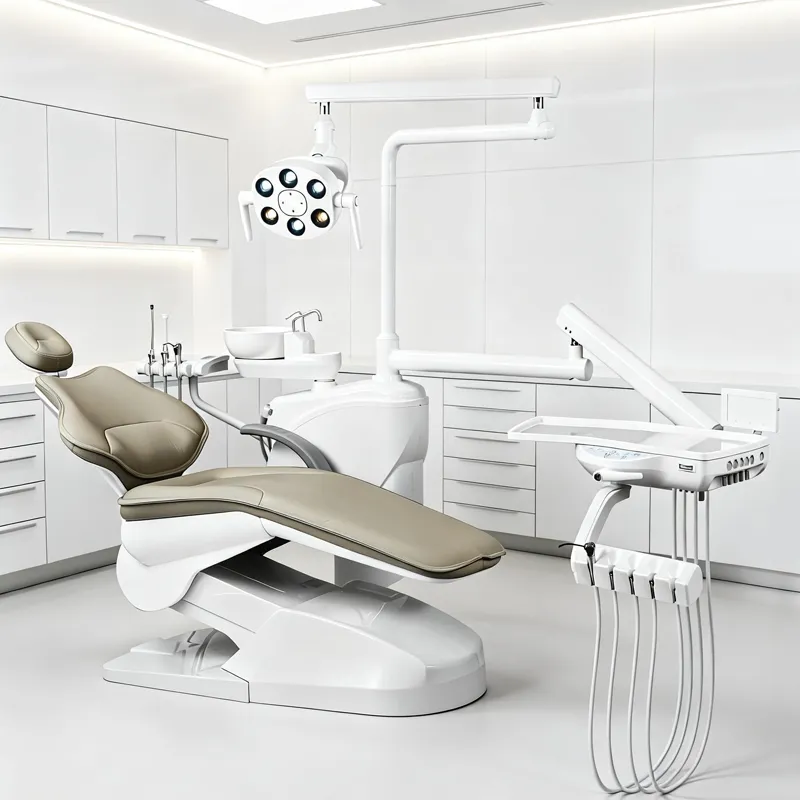
How to systematically understand the logic behind reducing dental unit operating noise?
Reducing the operating noise of dental units essentially requires addressing the following aspects:
1. Ensure smooth operation of the drive system.
2. Maintain a stable and secure internal structure.
3. Regularly lubricate moving parts.
4. Control water and air pressure.
5. Optimize the installation foundation.
6. Monitor motor operating status.
Through systematic management, the operating noise of dental chair units can be effectively controlled.
How does Yadeng Medical balance quality and price?
Yadeng Medical achieves a balance between high quality standards and competitive prices by controlling the entire production process in our own factory. By acting as both manufacturer and supplier, we reduce unnecessary costs while maintaining strict quality management. Buyers who purchase dental chairs from our company receive durable products at reasonable wholesale prices. This combination of value and reliability is one reason why distributors continue to choose Yadeng Medical as a long-term dental equipment partner.
