

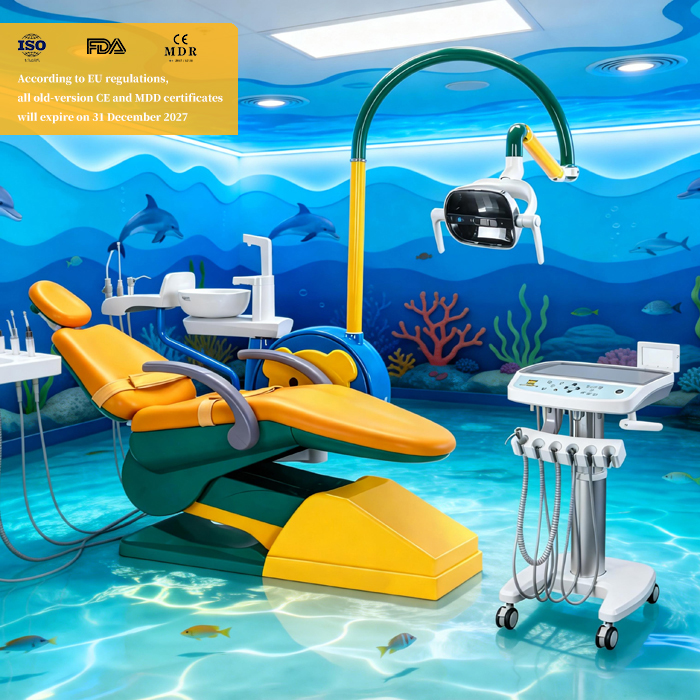
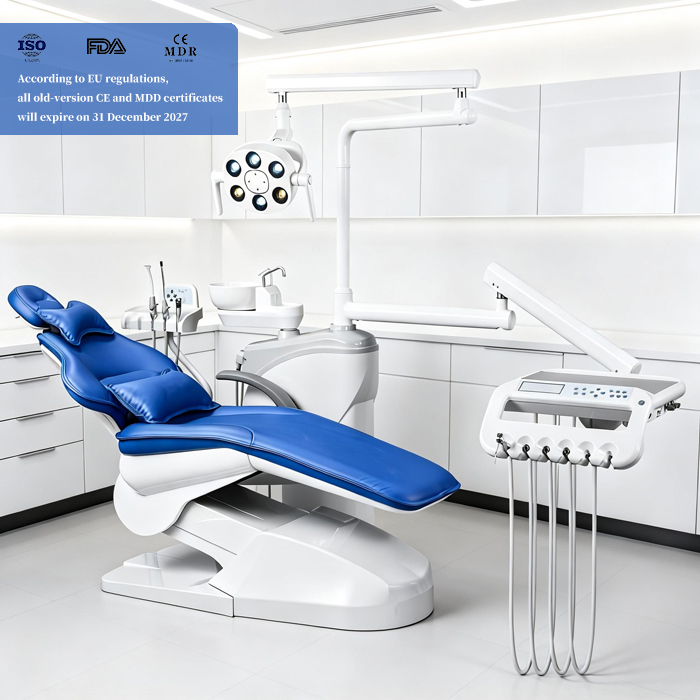
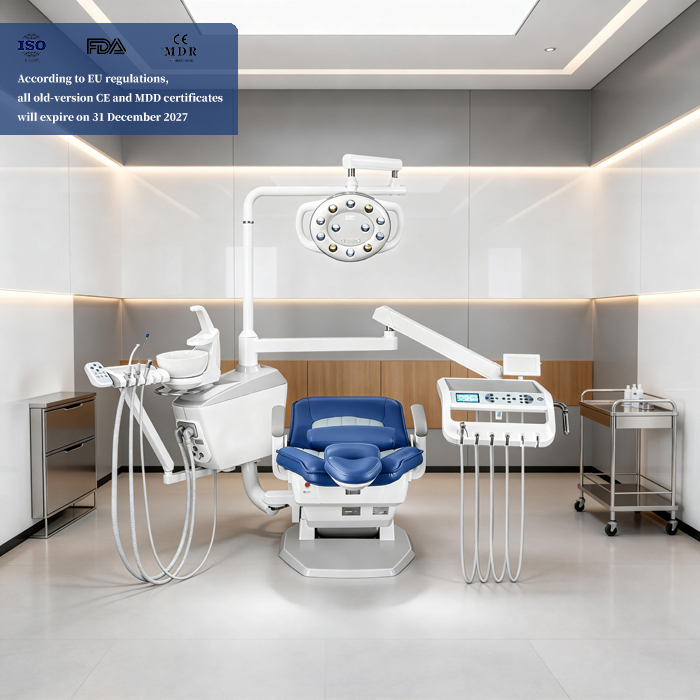
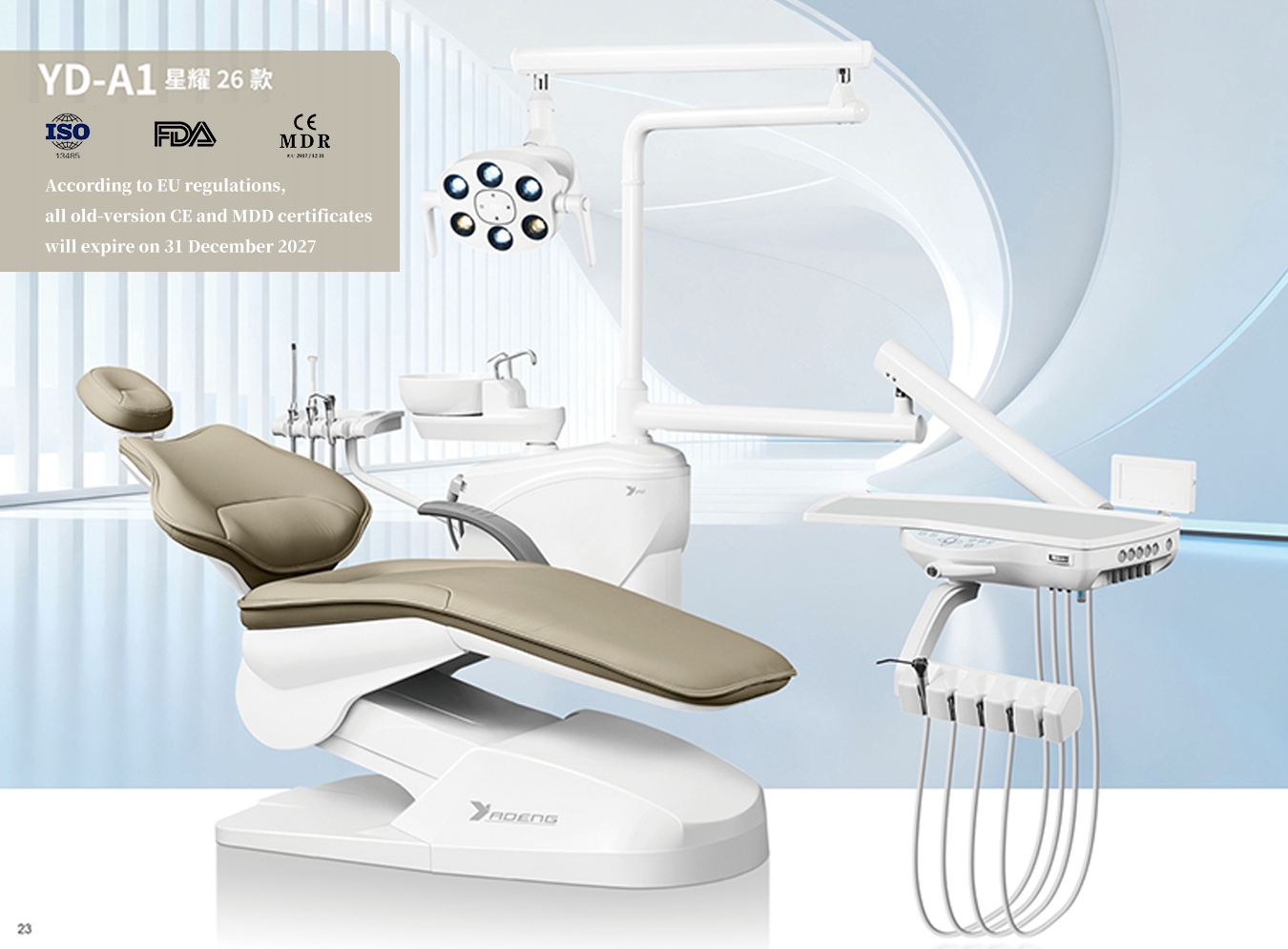
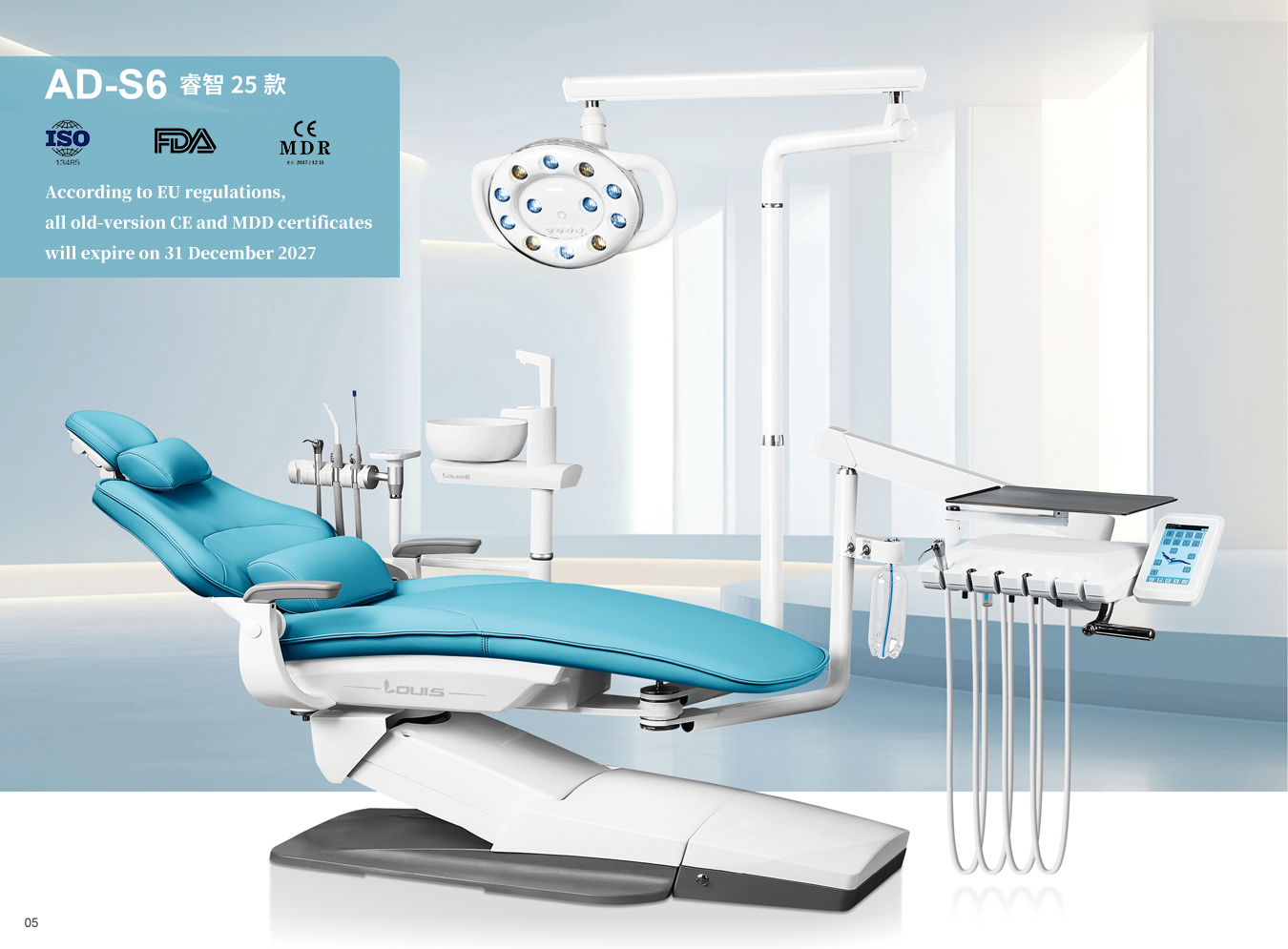
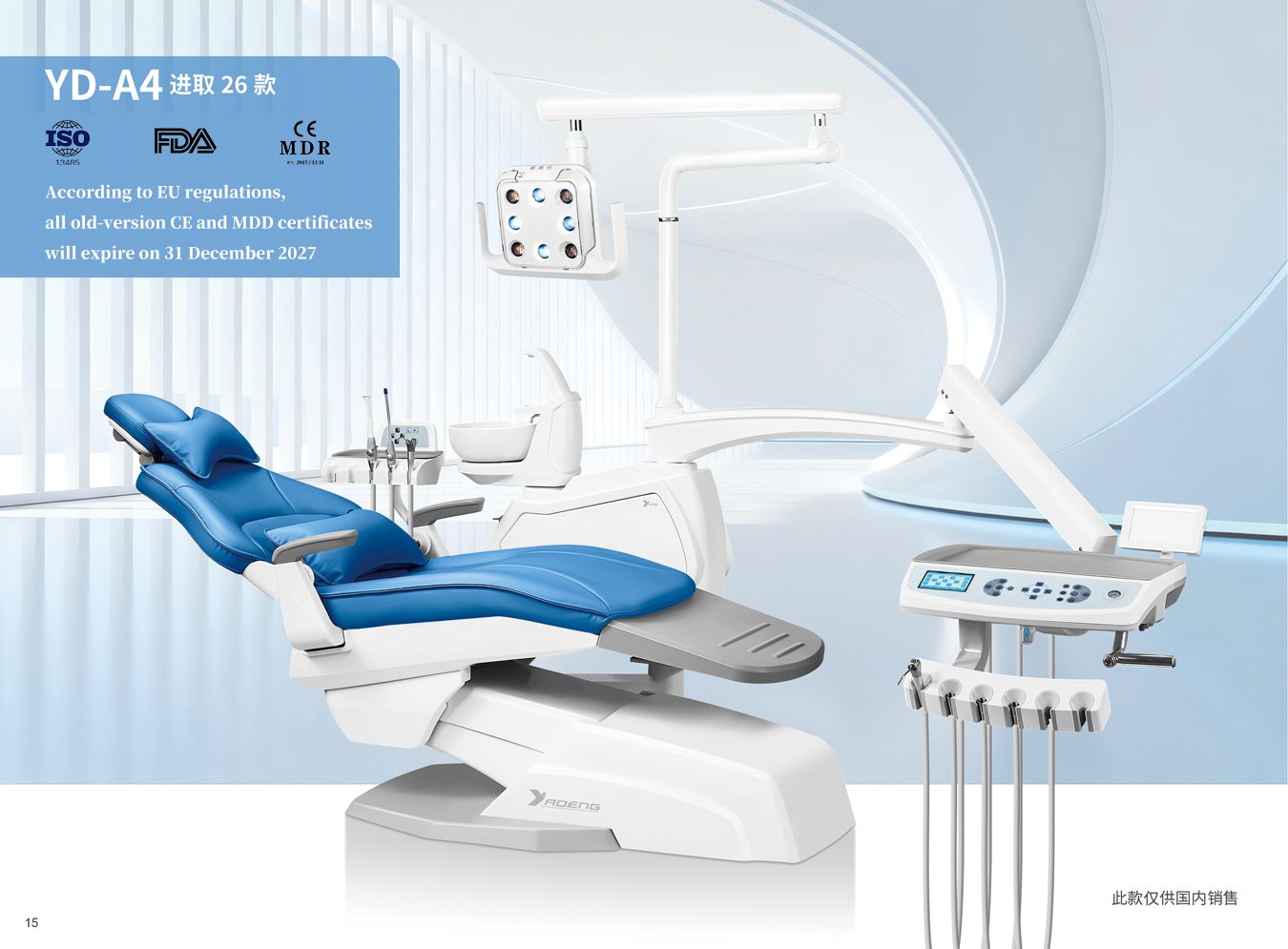
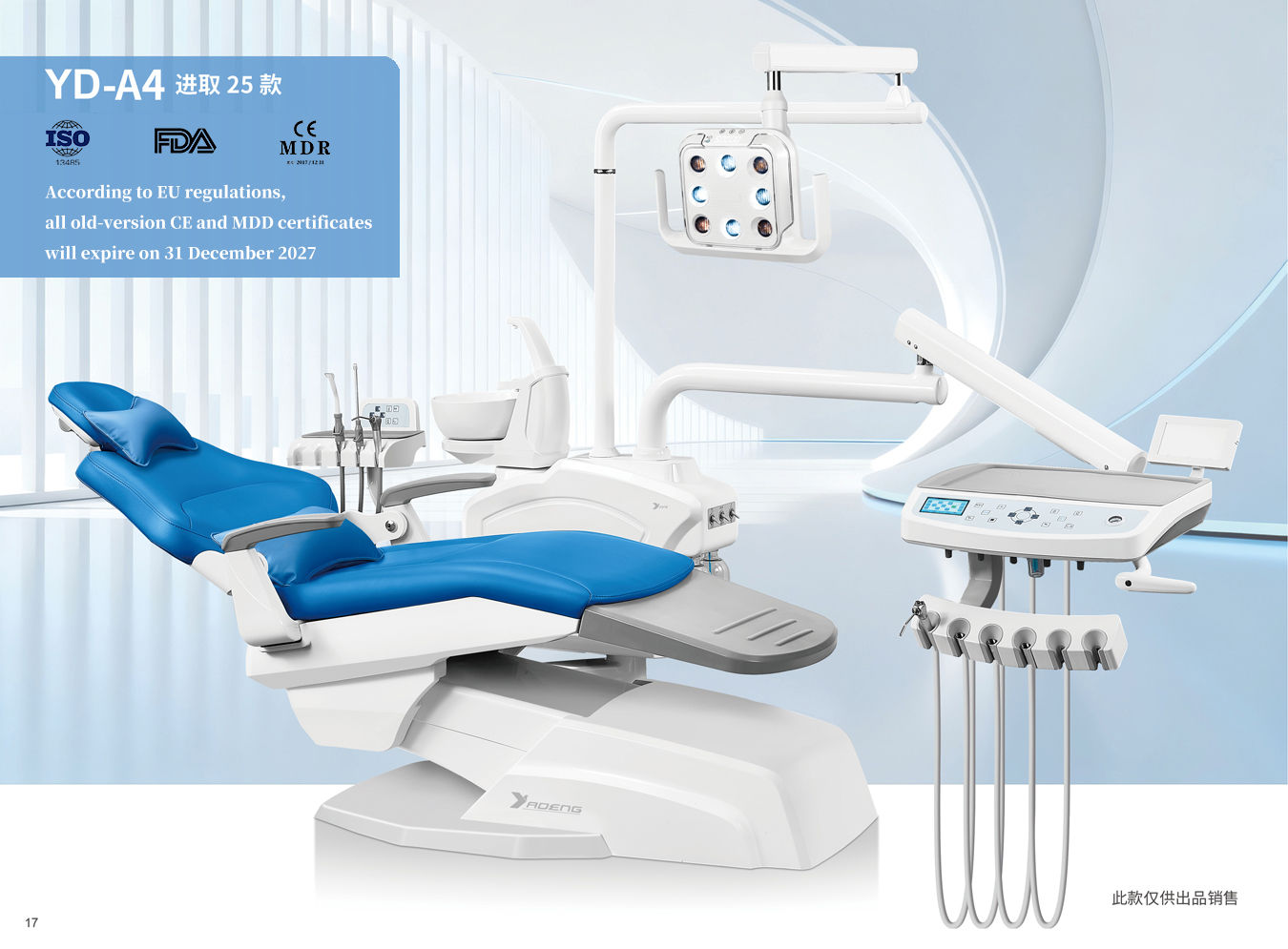
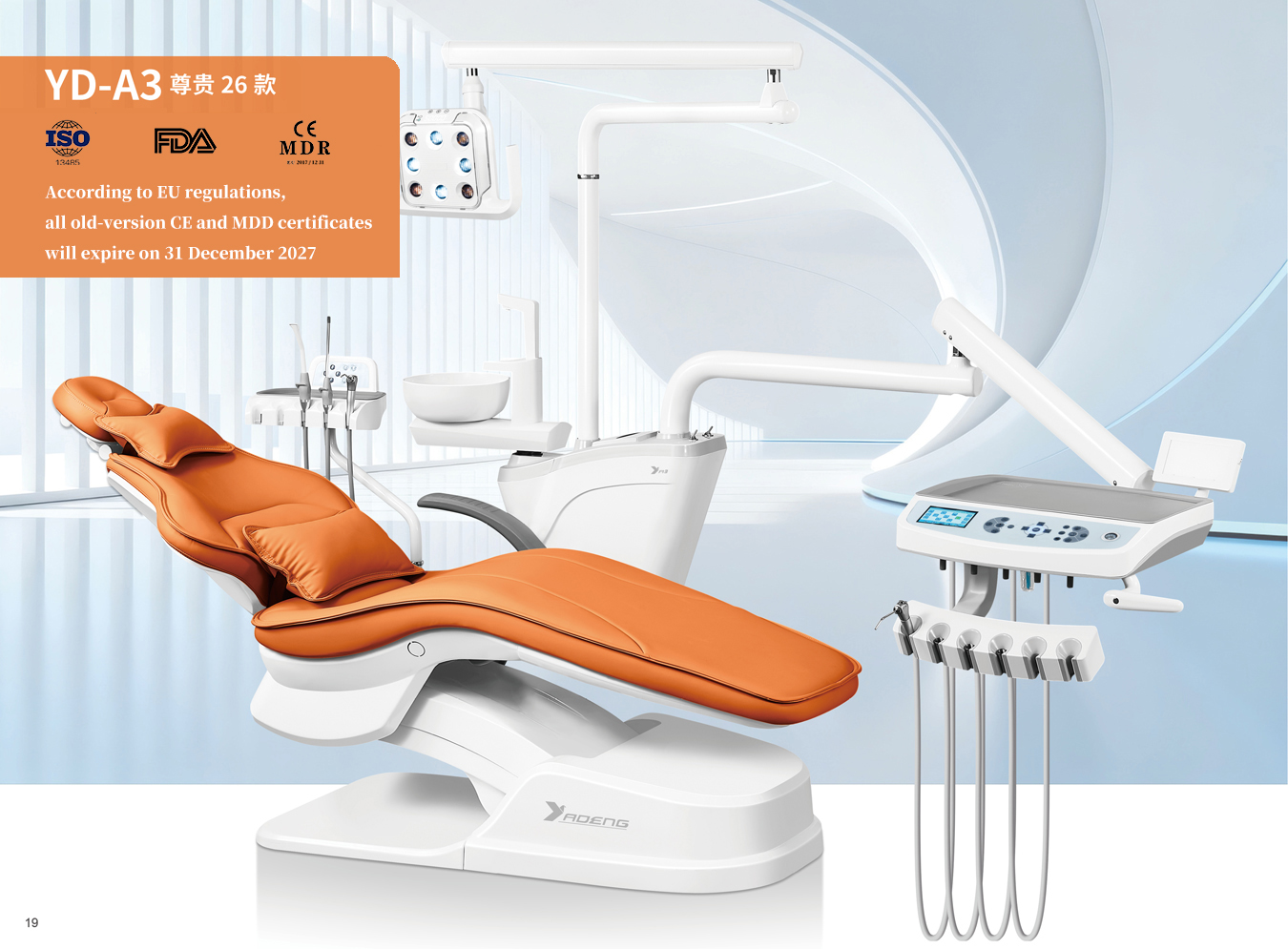
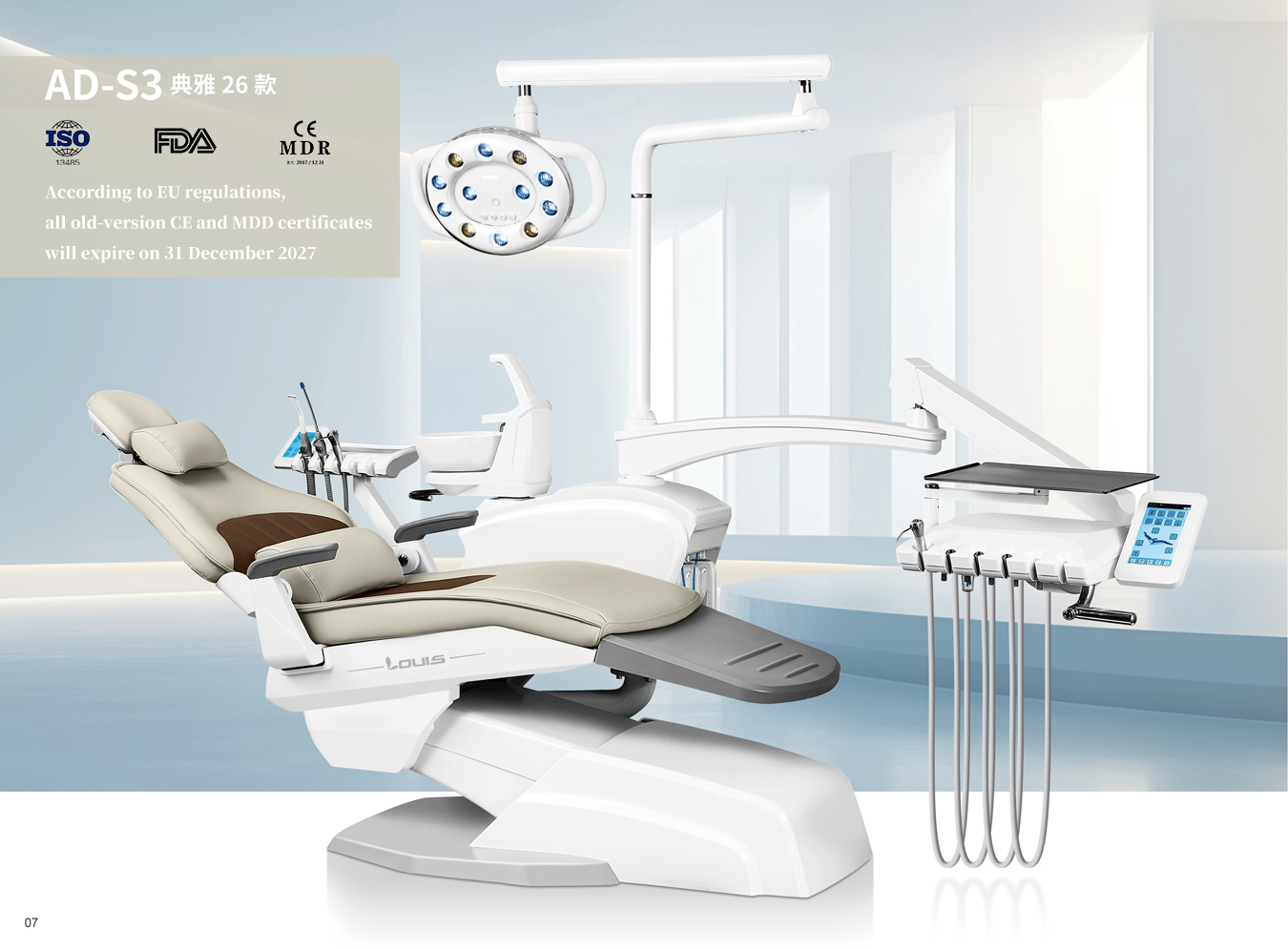
In the dental equipment industry, "dental unit" is a frequently used professional term. However, in communication across different countries, usage scenarios, and professional roles, the exact terminology is not always used.
This often leads to questions among practitioners when reading English materials, product catalogs, or engaging in cross-language communication: Are there any other names for a dental unit besides "dental unit"? Are there differences between these alternative names?
This article will systematically review the common alternative names, usage contexts, and semantic focuses of the core concept of "dental unit" in the dental field, helping readers build a clear and accurate professional understanding.
Why do dental units have multiple names?
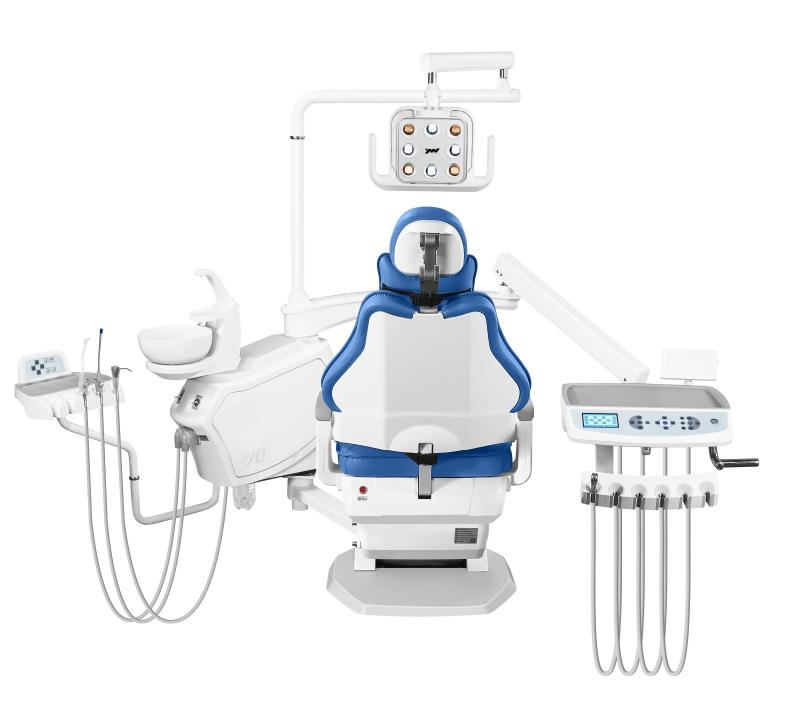
Before formally discussing the specific alternative names for dental units, it's essential to understand a fundamental fact: a dental unit is not a single-function device, but rather a complex medical device concept.
A dental chair can be understood as:
• Patient positioning support device
• Dental treatment platform
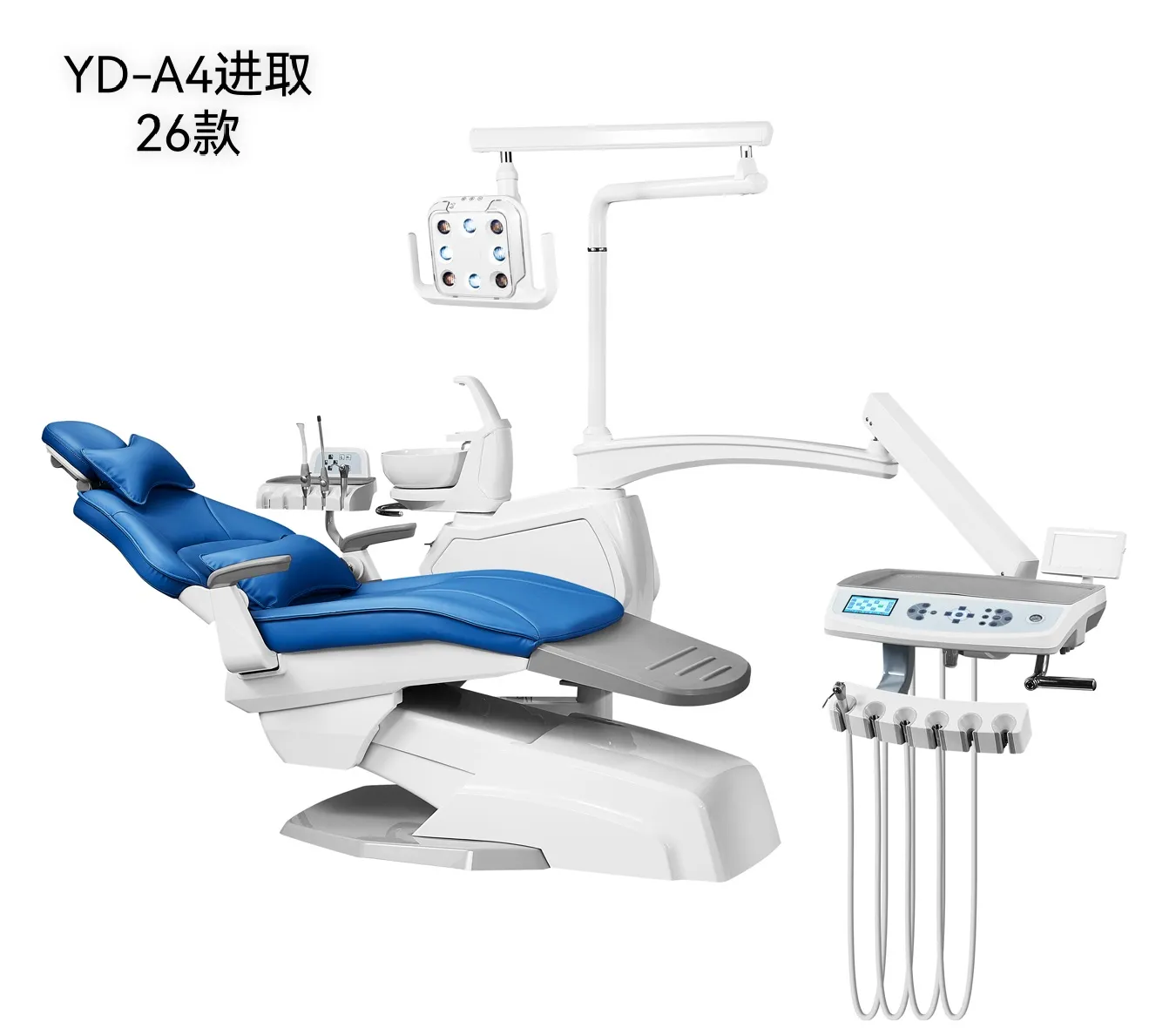
• Multi-system integrated treatment unit
Due to the multiple structural and functional attributes of a dental chair, different people and contexts will name it differently based on their own concerns, directly leading to the emergence of alternative names.
Why is "Dental Unit" most commonly used to refer to a dental chair?
In the international dental field, "dental unit" is the most common and standardized English term.
The core meaning of "Dental unit": From a professional perspective, "dental unit" does not only emphasize the "chair" itself, but refers to a complete dental treatment work unit.
This term usually includes the following by default:
• The dental chair itself
• The dentist's operating system
• The assistant's operating system
• The instrument delivery system
• The water, gas, and electrical control system
Therefore, in a large number of English technical documents, product manuals, and industry communications, "dental unit" is often used directly to refer to the complete dental chair equipment.
Why has "dental unit" become the mainstream term?
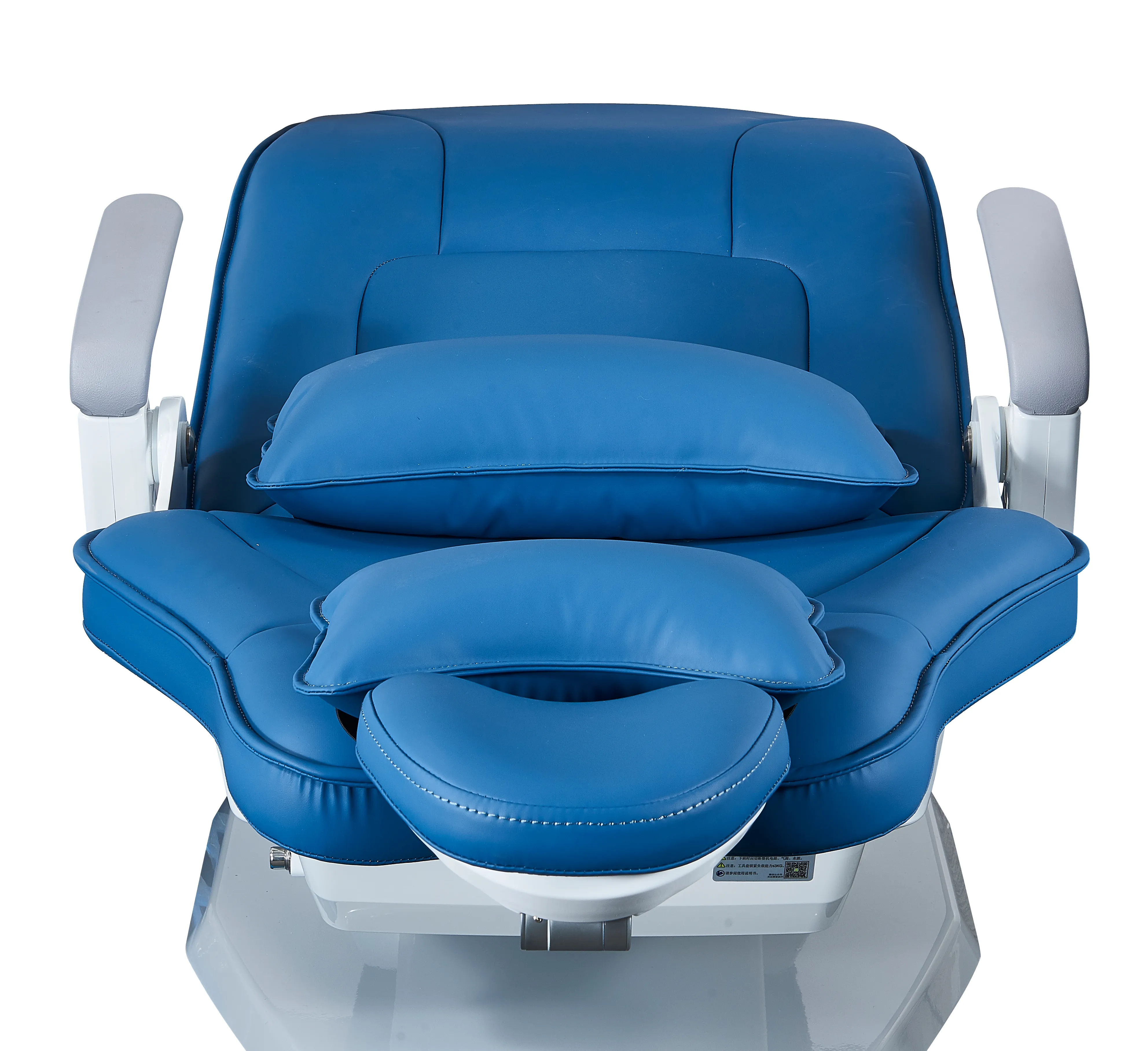
This is because dental chairs, in actual use, almost never exist as a "standalone chair." Most of the time, they appear as a comprehensive treatment unit, making "dental unit" the most functionally accurate term.
Is "Dental Chair" also a synonym for dental chair?
This is a very common question, and the answer is: yes, but not entirely equivalent.
The semantic focus of "Dental chair"
The term "Dental chair" literally translates to "dental chair," but it emphasizes:
• The chair's appearance
• Patient sitting/lying functionality
• Posture adjustment capabilities
In everyday conversation, non-technical introductions, or patient-oriented descriptions, "dental chair" is frequently used to refer to a dental chair.
The relationship between "Dental chair" and dental chair
In professional contexts, "dental chair" is usually considered a component of a dental chair, rather than a complete concept. However, in less strictly defined situations, "dental chair" is often used as a colloquial term for a dental chair.
Is "Dental Chair Unit" a more accurate term?
The term "dental chair unit" can also be found in some technical documents and equipment classifications.
The Naming Logic of "Dental Chair Unit"
"Dental chair unit" is a composite term that includes:
• dental chair
• unit (system, unit)
This terminology attempts to clearly express at the terminological level that the device is not just a dental chair, but a treatment unit built around a dental chair.
Usage Scenario Analysis
When emphasizing "chair-centric system integration" in dental treatment chairs, the term "dental chair unit" is clearer and more rigorous, especially in technical communication and product classification.
Does "Operatory Unit" also refer to a dental chair?
The term "operatory unit" can also be found in some English materials.
The Semantic Scope of "Operatory Unit"
An "operatory unit" typically refers to the core operational equipment unit within a dental clinic. Its conceptual scope may include:
• Dental chair
• Treatment light
• Doctor and assistant operating system
In this context, the dental chair is a core component of the operatory unit; therefore, the term can also be used indirectly as an alternative name for the dental chair in specific contexts.
Relationship with the Dental Chair
It's important to note that the conceptual boundary of "operatory unit" is relatively broad and not always strictly equivalent to the dental chair itself.
Do Different Alternative Names Represent Different Types of Dental Chairs?
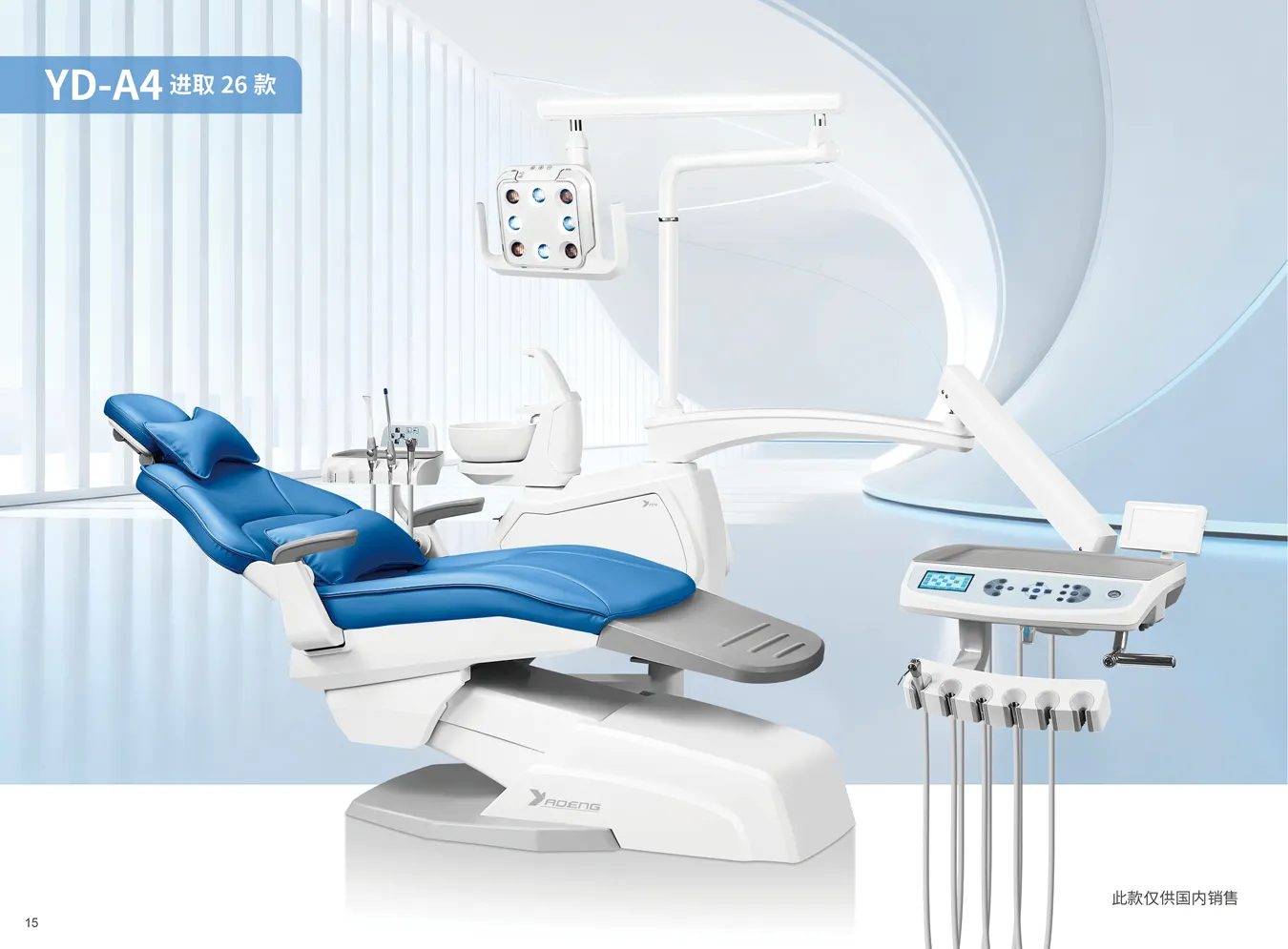
This is where many readers easily become confused. In fact, most alternative names do not represent completely different types of equipment, but rather different emphases.
• Dental unit: Emphasizes system integration
• Dental chair: Emphasizes chair body and patient positioning functions
• Dental chair unit: Emphasizes the chair-centric unit structure
• Operatory unit: Emphasizes the operational center within the clinic space
These terms often refer to the same type of equipment—the dental chair—only differing in their expression.
Why is "dental treatment chair" consistently used in Chinese?
In the Chinese industry context, the term "dental treatment chair" balances the following aspects:
• Emphasizes the "treatment" attribute
• Avoids misunderstanding as a regular chair
• Contains the meaning of system integration
Therefore, "dental treatment chair" has become a relatively stable and widely accepted professional term, corresponding to the English terms "dental unit" or "dental chair unit."
What are some common alternative names for dental treatment chairs?
Based on the entire text, common alternative names for dental chairs can be summarized as follows:
• Dental unit: The most common and standard professional term.
• Dental chair: More colloquial, emphasizing the chair itself.
• Dental chair unit: Emphasizes the integrated system structure.
• Operatory unit: Emphasizes the core operational unit within the treatment space.
These alternative names, in different contexts, generally refer to dental treatment equipment centered around the dental chair. Understanding the context in which these alternative names are used helps in more accurately reading professional materials, conducting cross-language communication, and improving the overall rigor of professional expression.
How does Yadeng handle product innovation?
Innovation is central to our company’s growth as a dental equipment manufacturer. We have registered over 23 invention patents granted by the government, reflecting our commitment to independent research and product development. Our R&D team continuously improves dental chairs and units to enhance comfort, efficiency, and durability.
Buyers and distributors seeking a forward-thinking dental equipment supplier in China can trust our ability to provide updated, high quality products that meet evolving clinical requirements while maintaining stable supply and reasonable prices.
