
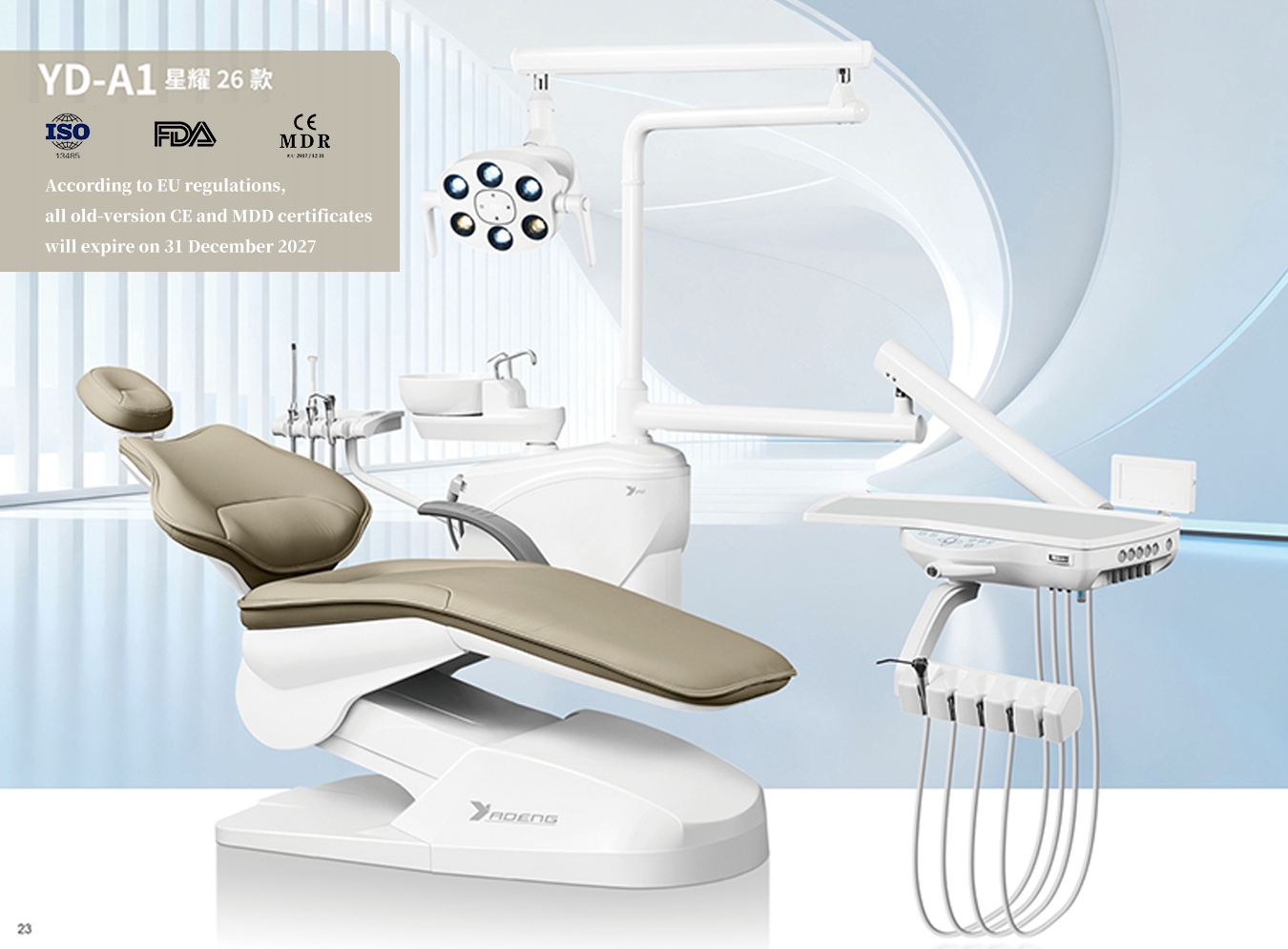
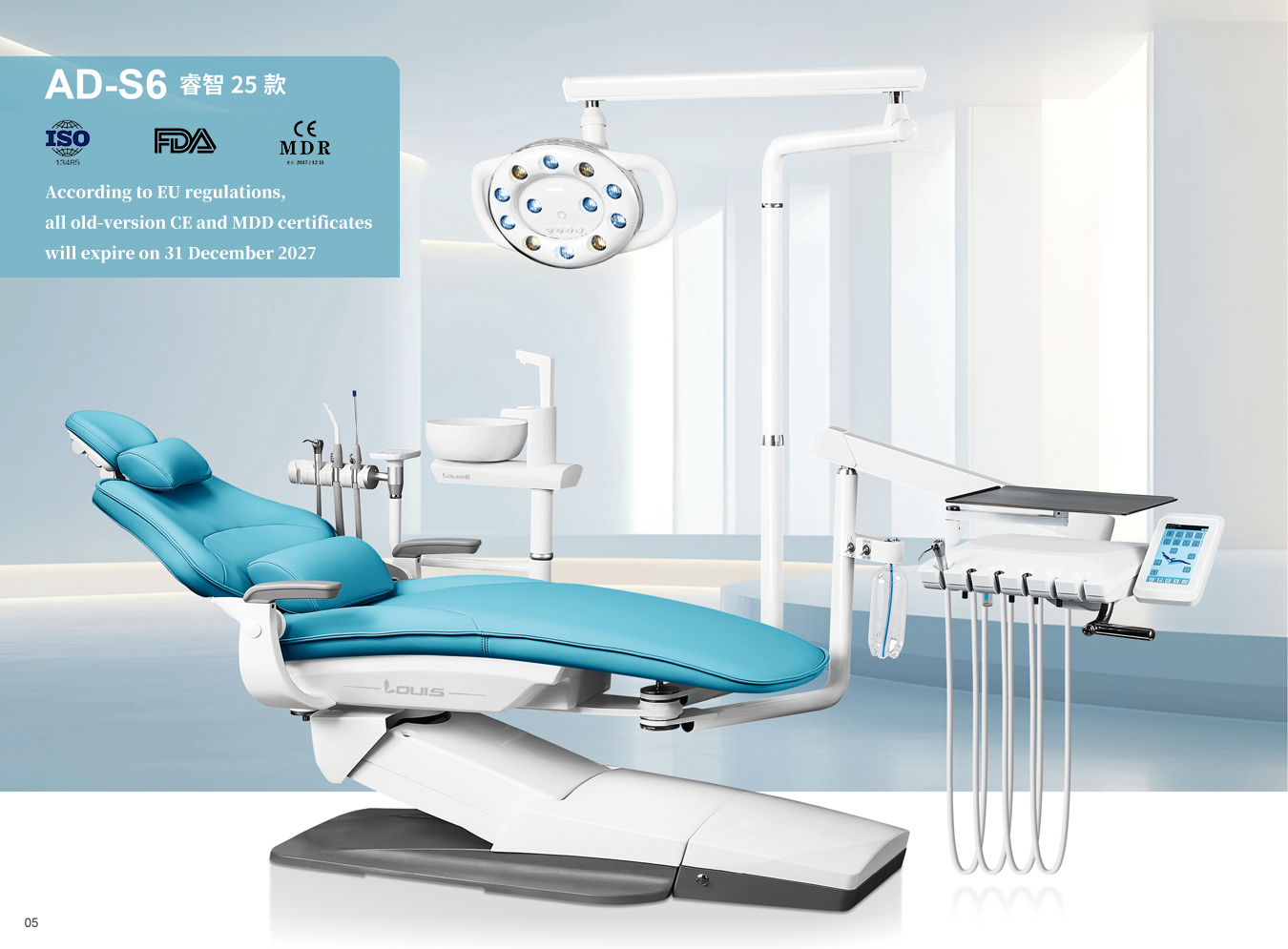
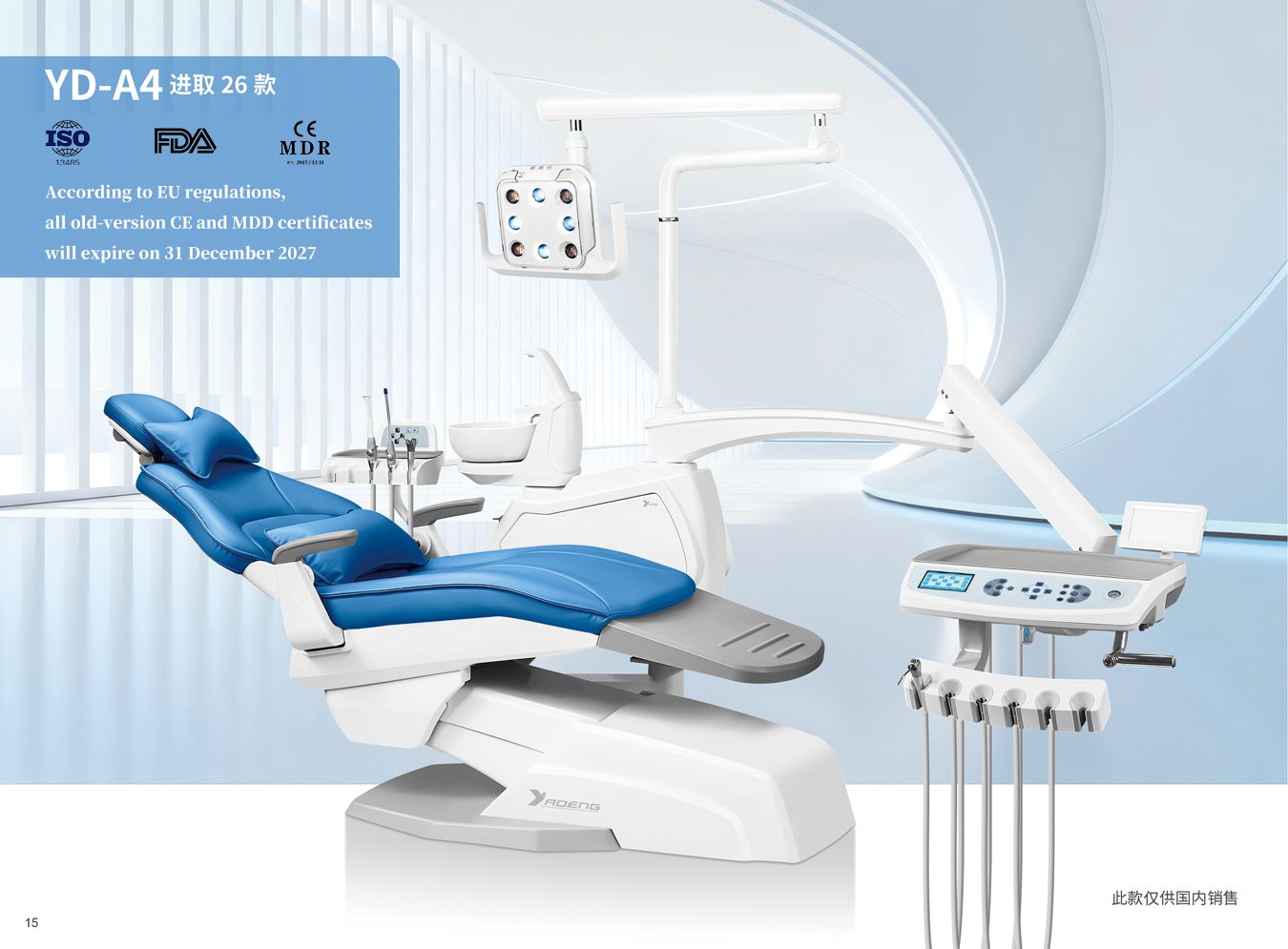
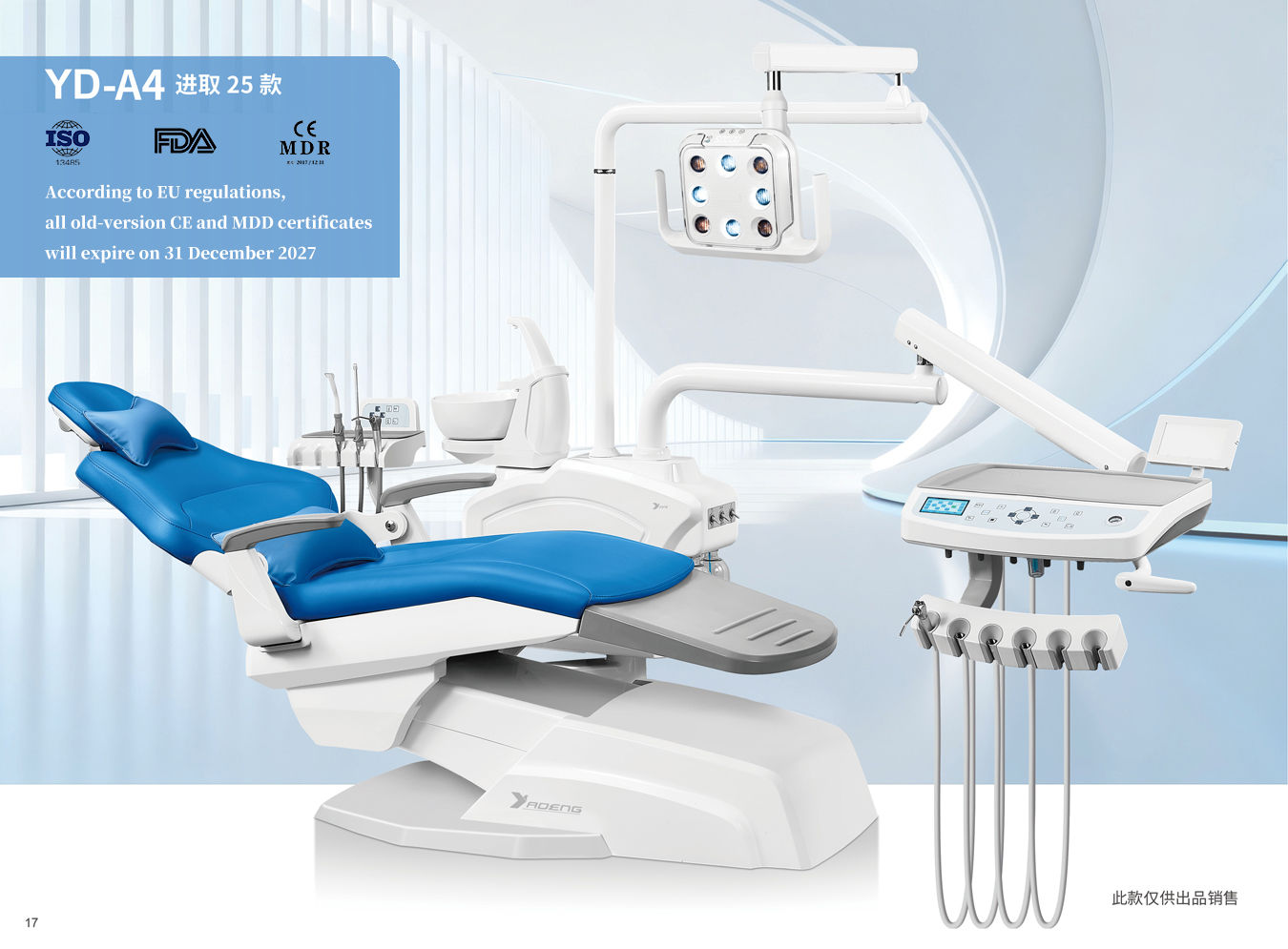
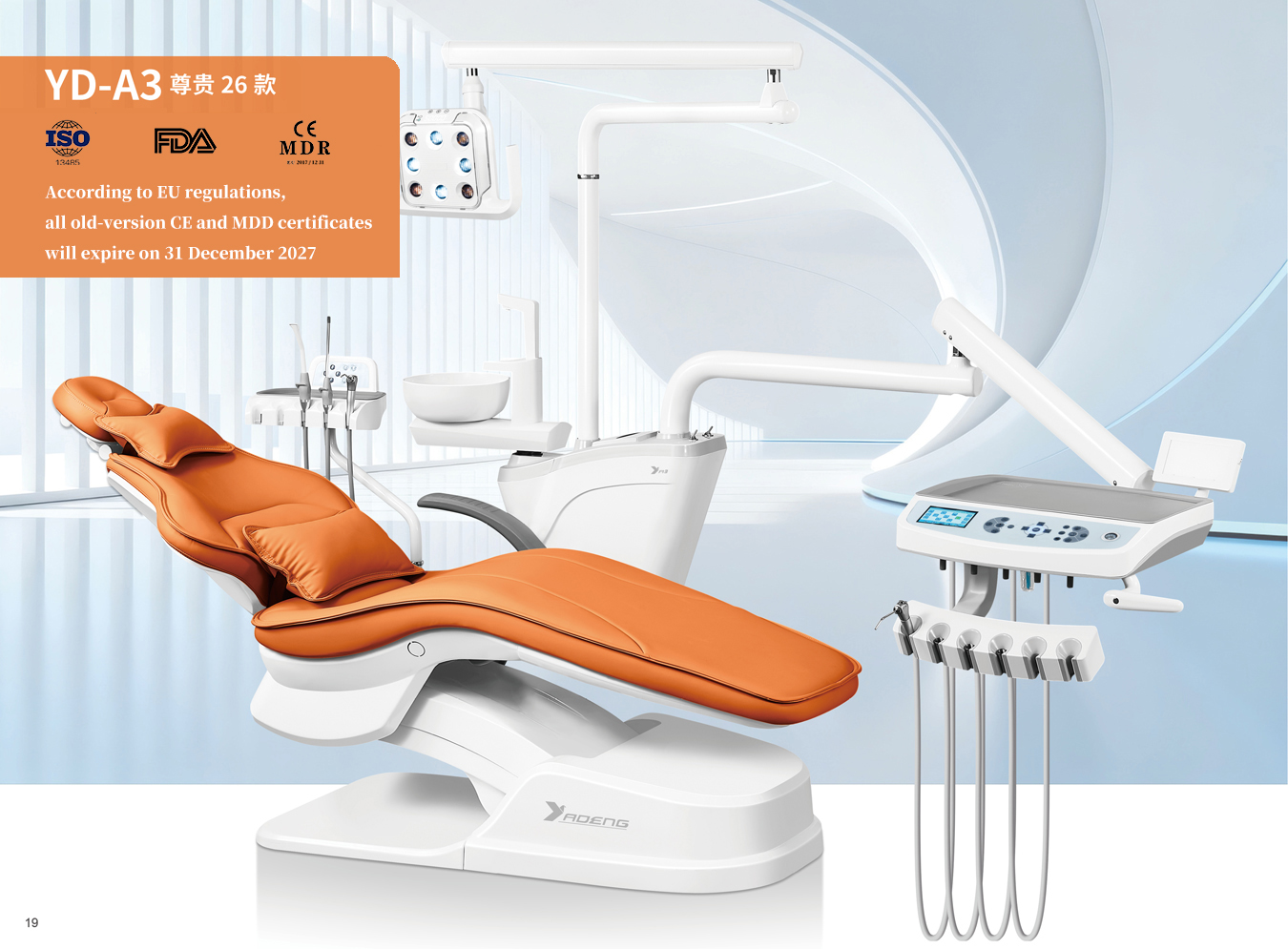
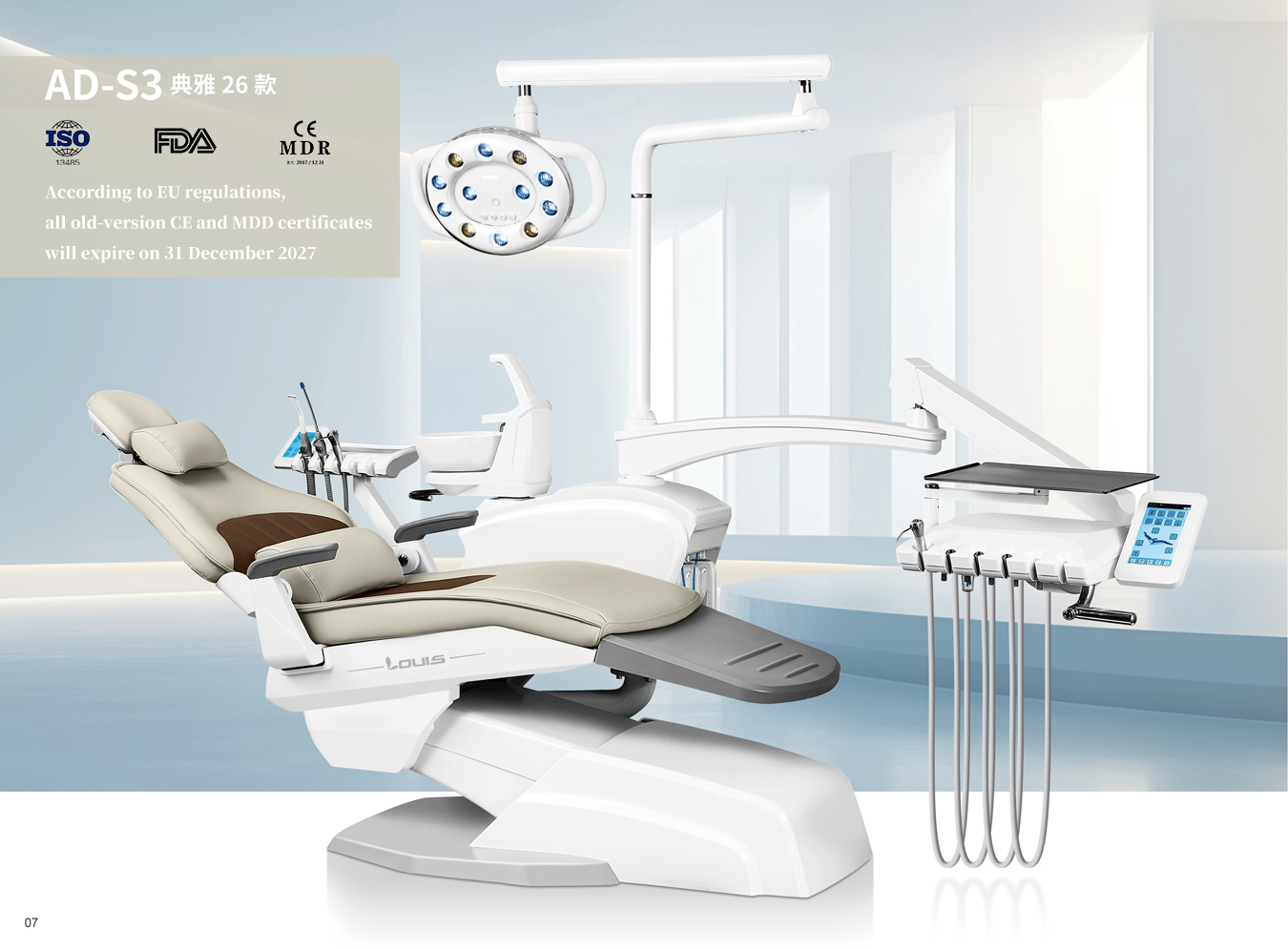
In professional discussions related to dental equipment, the terms "dental unit" and "dental treatment table" are frequently mentioned, and even used interchangeably in some materials or non-professional contexts.
However, from the perspectives of equipment definition, structural composition, functional scope, and professional use, dental units and dental treatment tables are not entirely equivalent concepts.
Failure to accurately distinguish between dental units and dental tables often leads to misunderstandings in equipment selection, product descriptions, or technical communication.
Therefore, this article will systematically analyze the question, "What's the difference between a dental unit and a dental treatment table?" from multiple professional perspectives to help readers establish a clear and accurate cognitive framework.
What is a dental unit? What is its core definition?
To understand the difference between a dental unit and a dental treatment table, it is first necessary to clarify the professional definition of a dental unit itself.
Basic Concepts of a Dental Unit
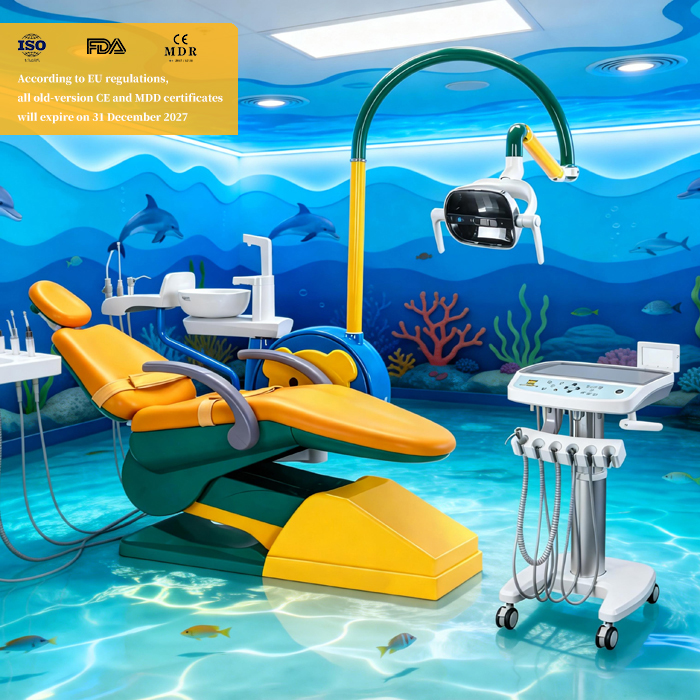
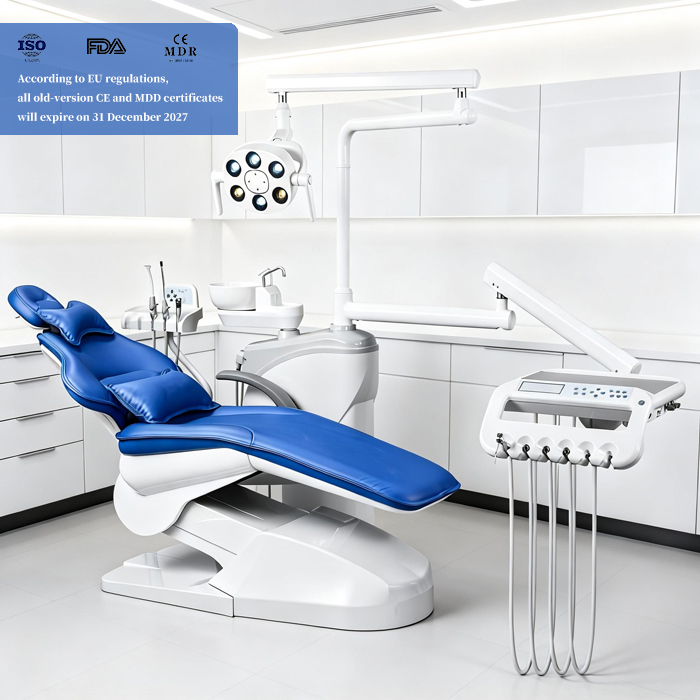
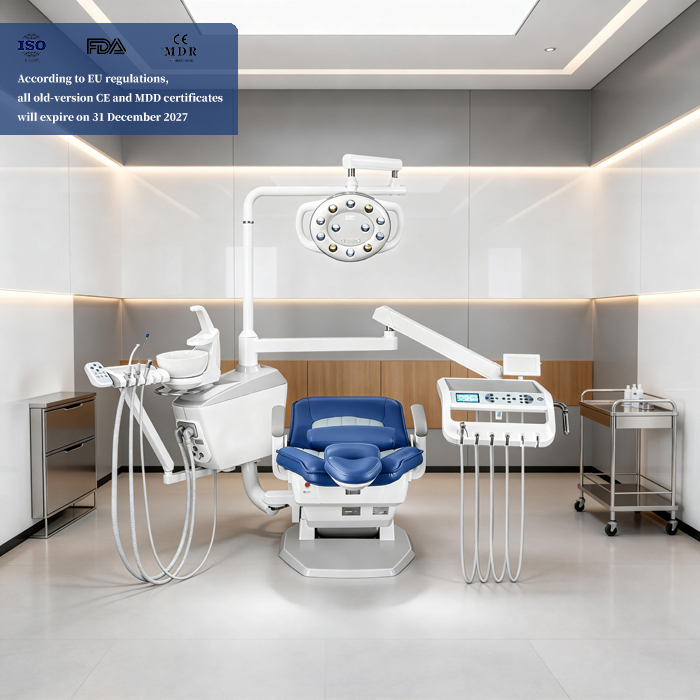
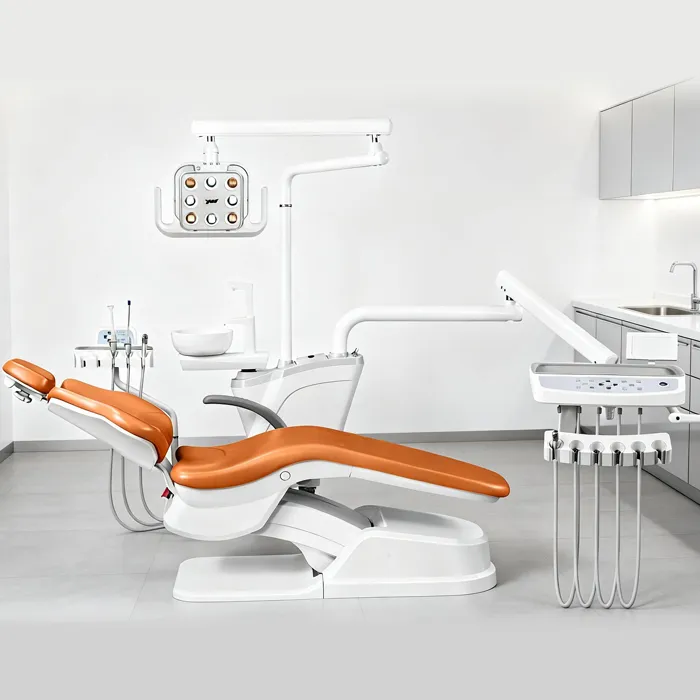
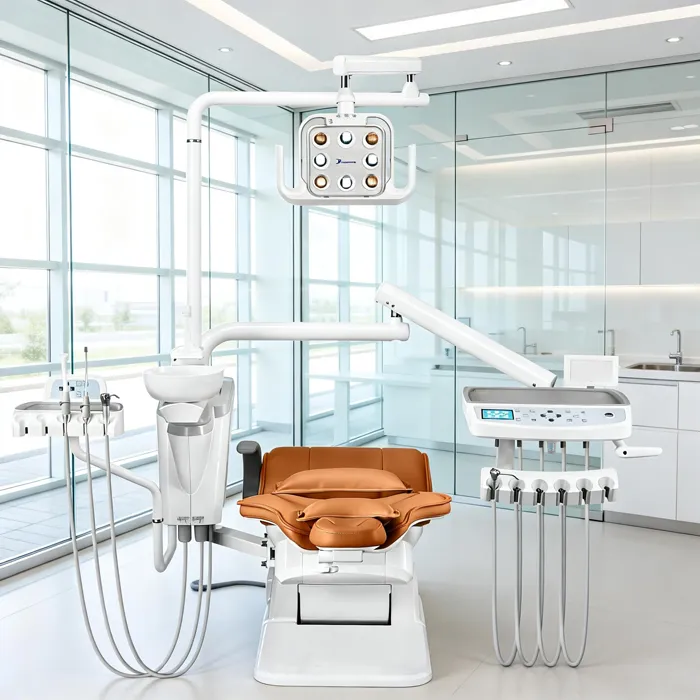
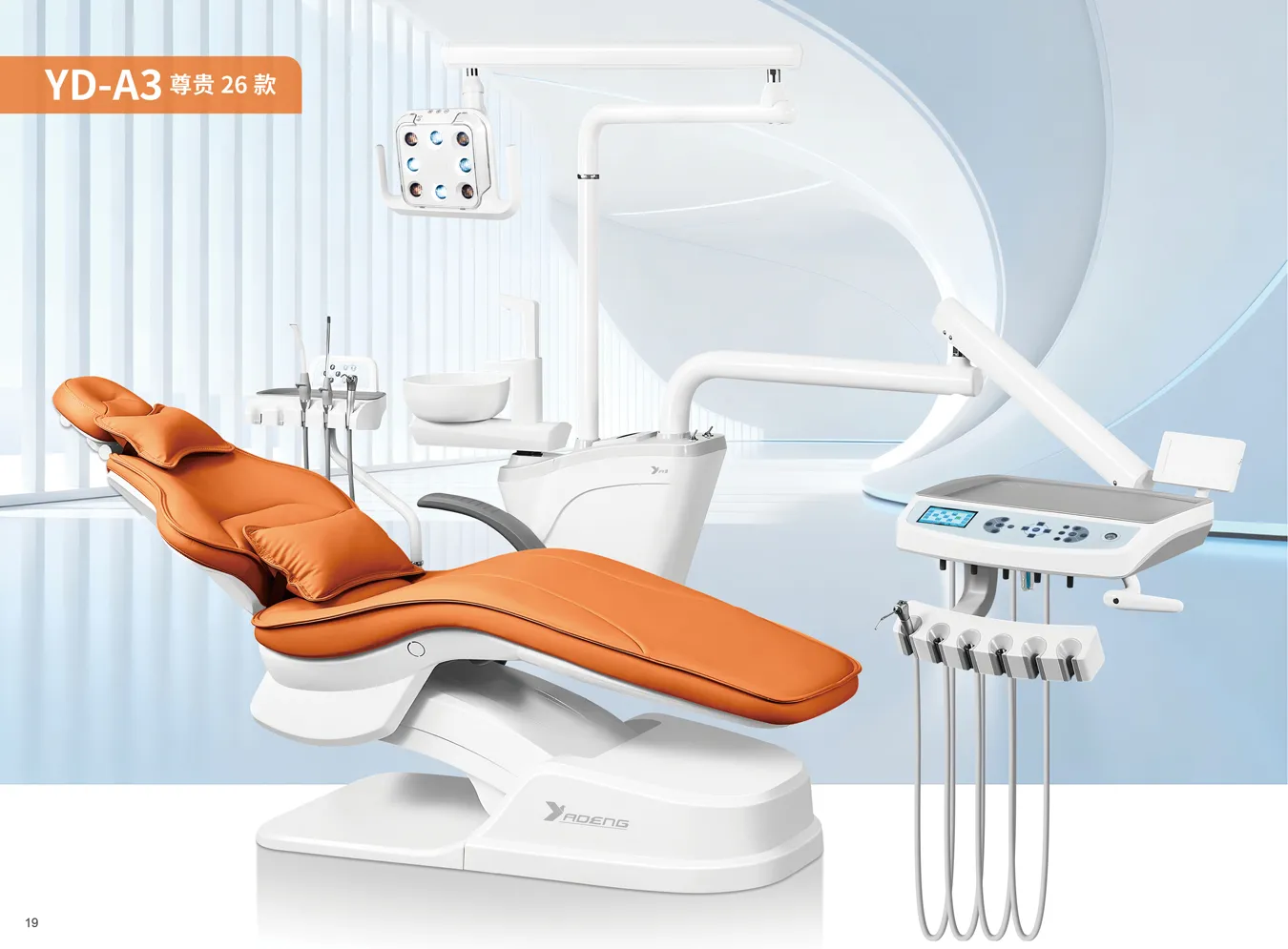
A dental unit is one of the core pieces of equipment in a dental treatment environment. It's not merely a chair for patients to sit or lie down; it's a comprehensive dental treatment device centered on the patient's posture, integrating multiple dental treatment functions.
In professional terms, a dental treatment chair is usually understood as a complete treatment unit, whose core functions include:
• Providing stable and adjustable positional support for the patient
• Providing a standardized operating platform for the dentist
• Integrating multiple functional systems required for dental treatments
Therefore, the concept of a dental treatment chair itself has a distinctly "systematic" characteristic.
Basic Components of a Dental Treatment Chair
A standard dental treatment chair typically includes at least the following components:
• Patient chair system
• Dentist operating system
• Instrument delivery system
• Water and air supply system
• Electrical and control system
• Lighting and auxiliary function modules
These components together constitute the complete functional system of a dental treatment chair.
What is a dental treatment table? Is its definition the same as a dental treatment chair?
Compared to a dental treatment chair, the term "dental treatment table" has a certain degree of ambiguity in its definition, which is one of the important reasons why the two are easily confused.
Common Understandings of Dental Treatment Units
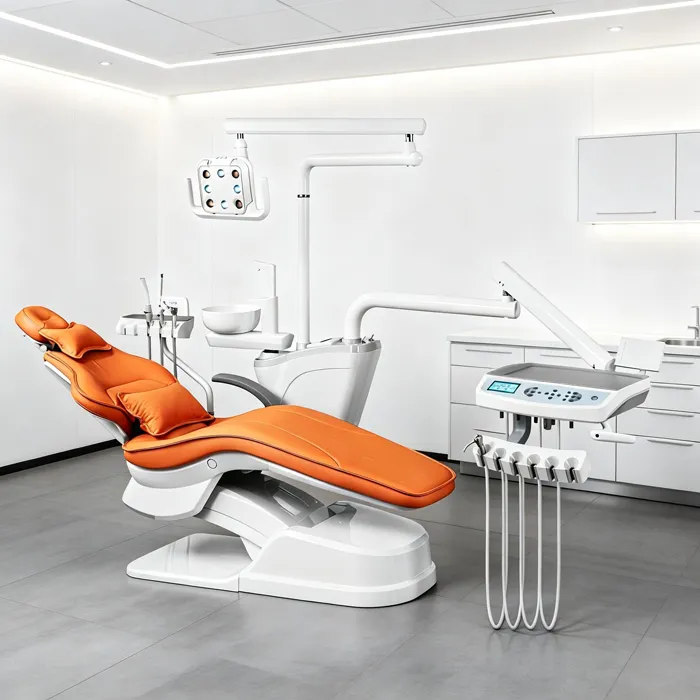
In different contexts, "dental treatment unit" can refer to different types of equipment or structures, such as:
• A dentist's workbench or instrument workstation
• A functional platform integrating instruments and control panels
• An operating system without patient sitting/lying functions
Essentially, a dental treatment unit emphasizes more on the "operating platform" or "functional work surface" than on patient positioning management.
Core Functional Characteristics of Dental Treatment Units
Generally, dental treatment units primarily focus on the following aspects:
• Instrument placement and management
• Convenience of treatment procedures
• Functional integration of the dentist's work area
In many cases, a dental treatment unit does not directly include the patient chair itself, but exists as an independent or semi-independent operating module.
What are the structural differences between a dental chair and a dental treatment unit?
From a structural perspective, the differences between a dental chair and a dental treatment unit are very obvious.
Structural Features of Dental Treatment Chairs
The structural design of dental treatment chairs is patient-centered, and their structure typically includes:
• A load-bearing base
• A height-adjustable and tiltable chair body
• A headrest and backrest system
• Built-in water, air, and electrical systems
This structure dictates that dental treatment chairs must simultaneously meet multiple requirements in their design, including mechanical stability, ergonomics, and system integration.
Structural Features of Dental Treatment Tables
In contrast, the structure of dental treatment tables leans more towards:
• Tabletop and support structure
• Instrument suspension or placement system
• Control panel or interface module
Dental treatment tables typically do not bear the patient's weight, and their structural complexity and load-bearing requirements are significantly lower than those of dental treatment chairs.
What are the functional differences between dental treatment chairs and dental treatment tables?
At the functional level, the differences between dental treatment chairs and dental treatment tables are more readily apparent.
Functional Scope of a Dental Treatment Chair
The functions of a dental treatment chair cover the entire dental treatment process, mainly including:
• Patient positioning adjustment
• Power support for treatment instruments
• Water and air supply and control
• Treatment lighting
• Multifunctional linkage control
In short, a dental treatment chair is an independent equipment platform capable of performing dental treatment procedures.
Functional Positioning of a Dental Treatment Table
The functions of a dental treatment table are more focused, typically manifested in:
• Centralized instrument management
• Integrated user interface
• Assisting the dentist in completing treatment actions
A dental treatment table often needs to be used in conjunction with a dental treatment chair; it does not possess complete treatment functions when used alone.
Does a Dental Treatment Chair necessarily include the functions of a dental treatment table?
This is a very common question in practical communication.
From a functional integration perspective, modern dental treatment chairs usually already include the core functions performed by a dental treatment table.
For example:
• Dentist's control panel
• Instrument rack and transport system
• Functional layout of the operating area
Therefore, in many fully configured dental chairs, the dental treatment table is not a separate device, but rather integrated into the dental chair system.
Can usage scenarios distinguish between dental chairs and dental treatment tables?
From the perspective of usage scenarios, the differences in their positioning are quite significant.
Typical usage scenarios for dental chairs
Dental chairs are core equipment in the following settings:
• Dental clinics
• General dental hospitals
• Specialized dental treatment rooms
In these scenarios, the dental chair is usually the centerpiece of each treatment position.
Common uses of dental treatment tables
Dental treatment tables are more commonly found in:
• As a component of dental chairs
• As auxiliary equipment for special operational needs
• As a functional table in teaching or experimental environments
This further illustrates that dental treatment tables typically do not independently undertake complete treatment tasks.
Why are dental chairs and dental treatment tables easily confused?
The main reasons why dental chairs and dental workbenches are easily used interchangeably include:
• Differences in the translation of terminology across different regions
• Simplified expressions in non-professional contexts
• Some devices highly integrate the "workbench" and "workbenches"
However, at a professional technical level, distinguishing between dental chairs and dental workbenches remains essential.
What are the fundamental differences between dental chairs and dental workbenches?
Based on the above analysis, the core differences between dental chairs and dental treatment units can be summarized as follows:
1. Different Definitions
• A dental chair is a complete dental treatment device.
• A dental treatment unit is an operating or functional platform.
2. Different Structures
• A dental chair includes the patient's seat structure.
• A dental treatment unit typically does not support the patient.
3. Different Functional Scope
• A dental chair can independently provide treatment support.
• A dental treatment unit is mostly an auxiliary or integrated module.
4. Different Usage Positions
• A dental chair is the core equipment.
• A dental treatment unit is a functional component.
Clearly distinguishing between dental chairs and dental treatment units helps improve the accuracy of professional communication and lays a solid foundation for equipment understanding, documentation, and technical exchange.
What kind of technology is used in your dental chairs?
Our dental chair factory integrates advanced foreign technology with modern manufacturing processes. This allows us to produce high quality dental chairs and dental units that meet international clinical standards. We focus on ergonomic design, reliable mechanical systems, and safe electrical components. Buyers who want to buy innovative dental equipment from a professional China manufacturer will find our products both technologically advanced and competitively priced.
