

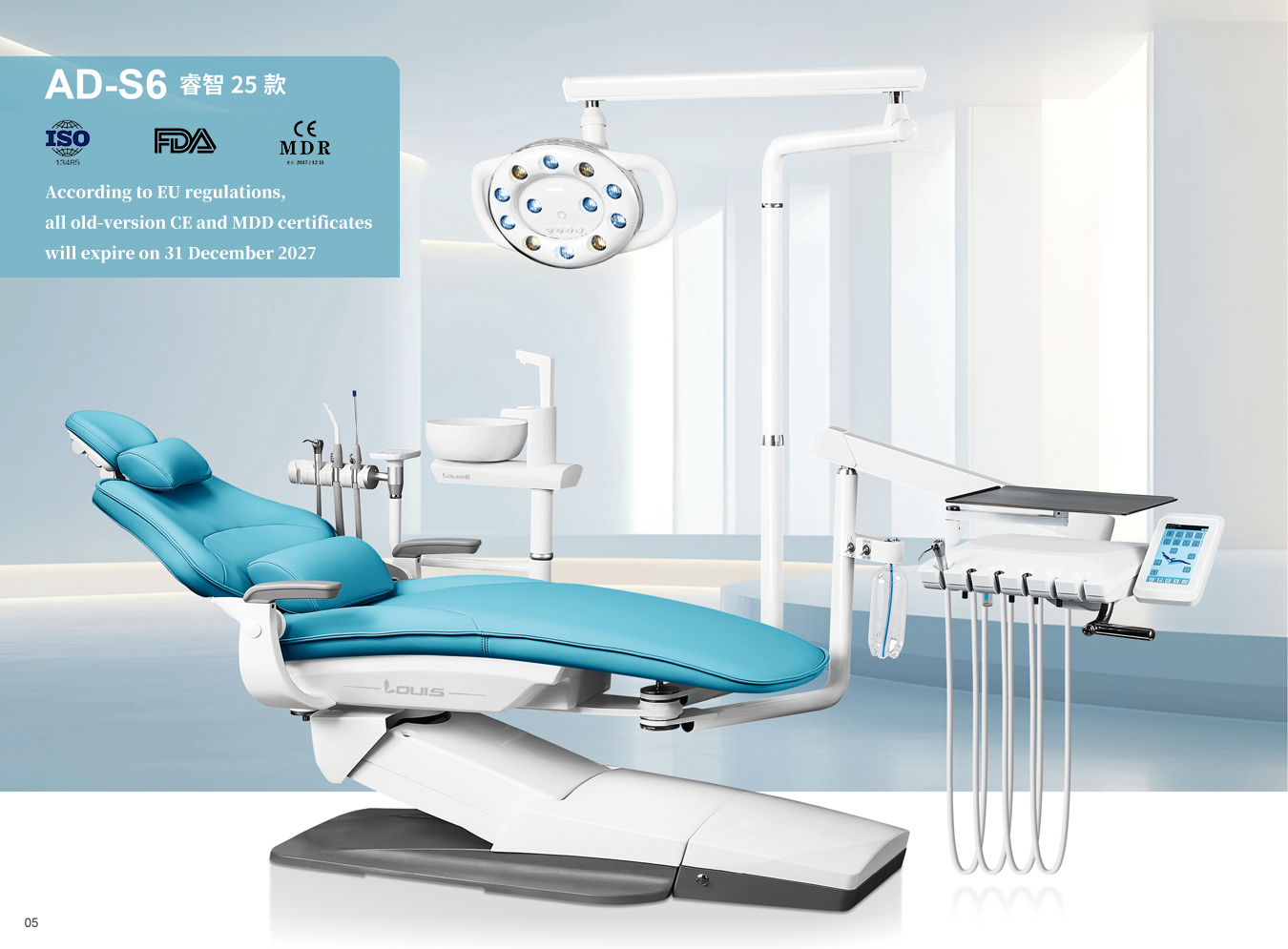
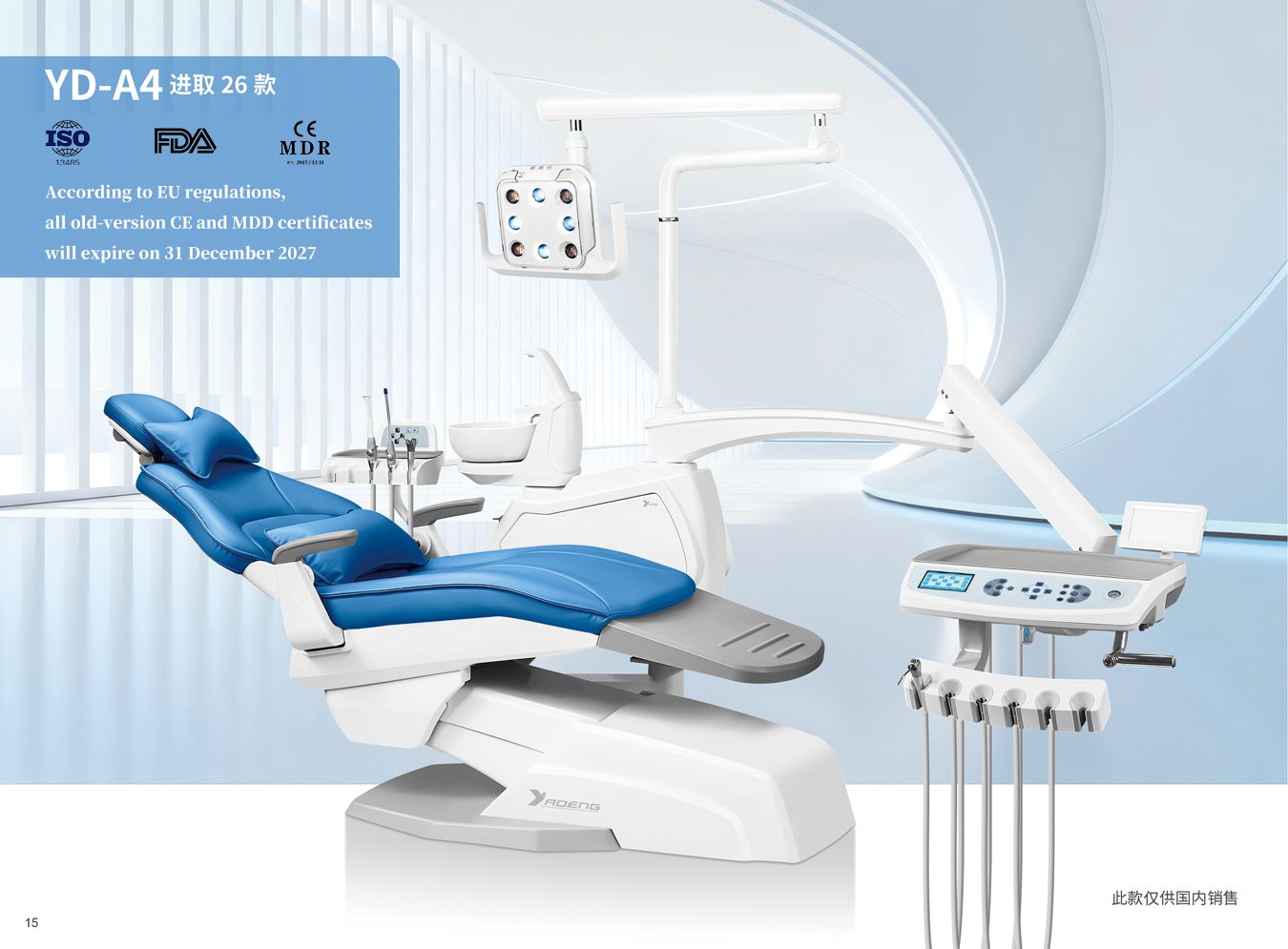
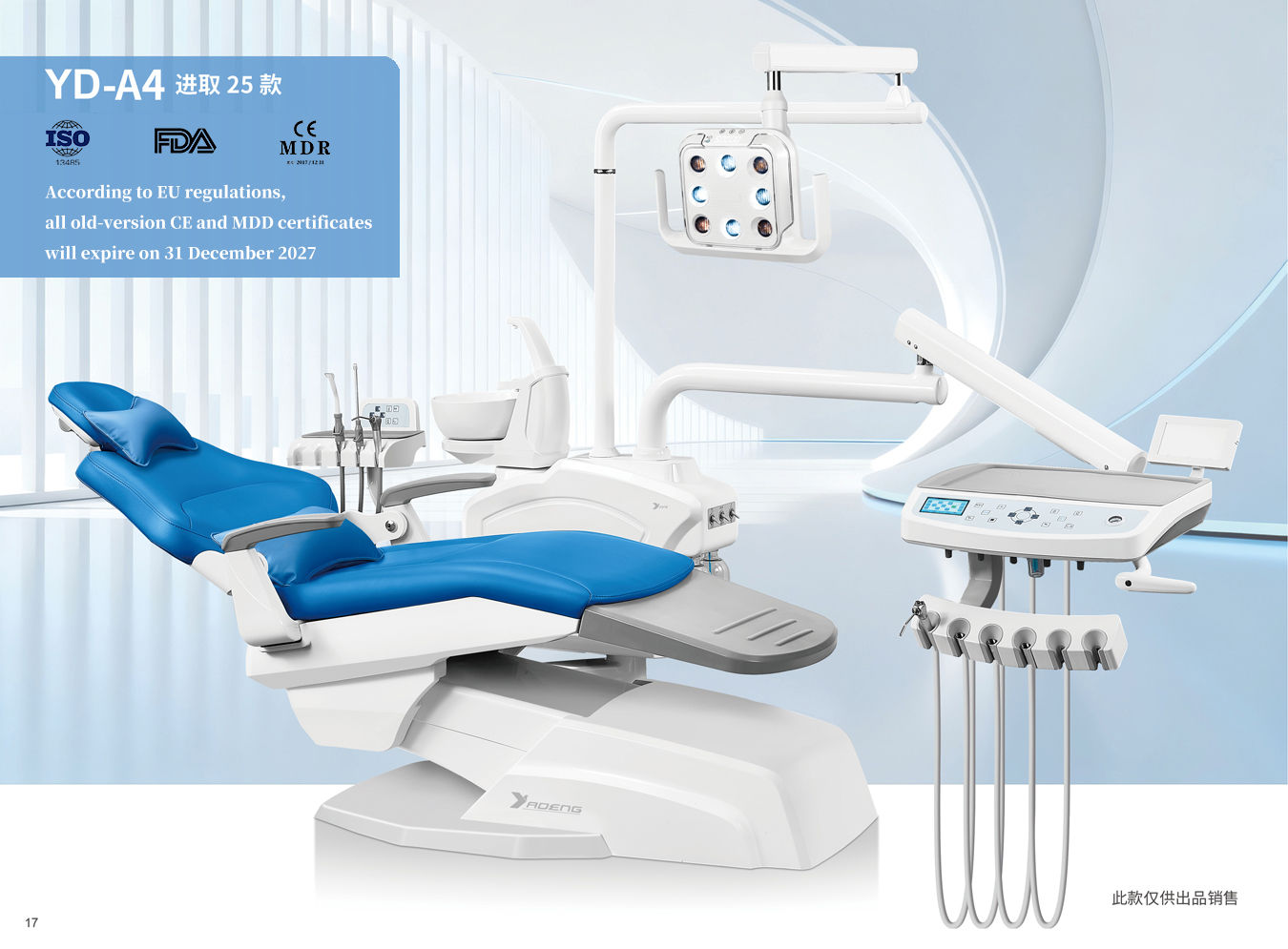
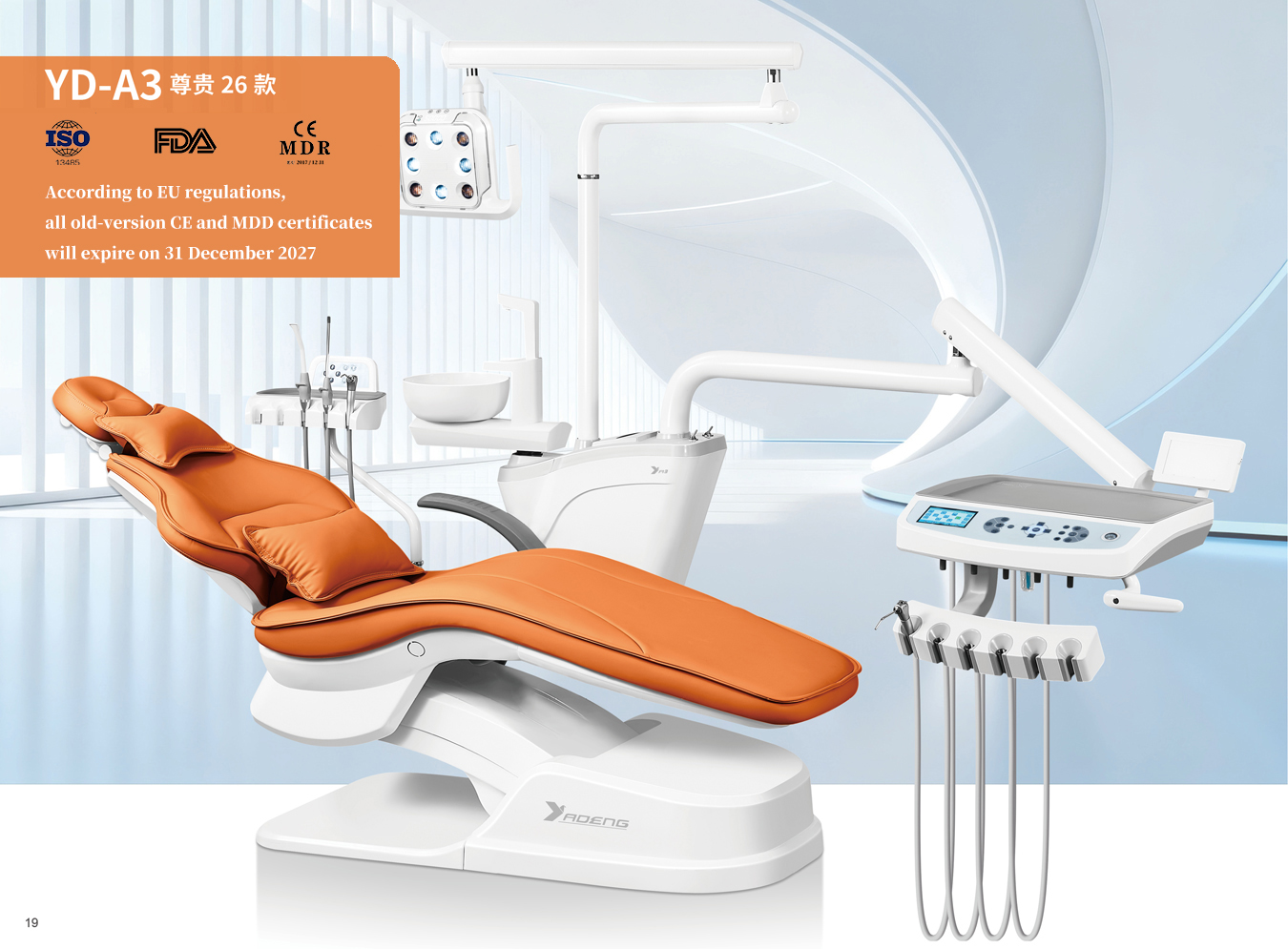
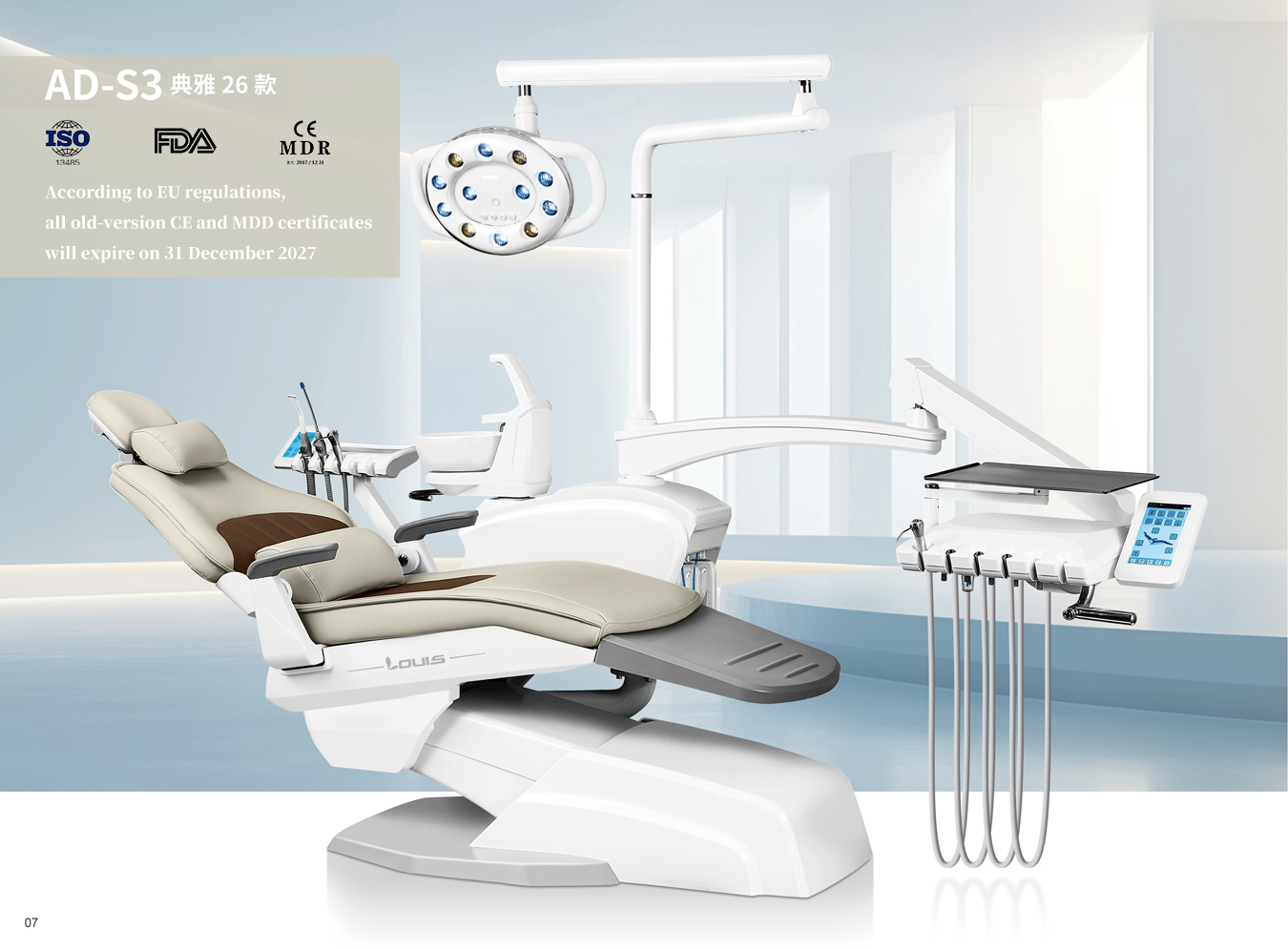
In dental clinics and oral healthcare facilities, dental chairs are among the most frequently used and longest-lasting pieces of equipment. The structural stability, durability, hygiene, and long-term user experience of a dental chair largely depend on the materials chosen.
Therefore, "What are the best materials for dental chairs?" is not a simple question of material selection, but rather a comprehensive consideration involving safety, reliability, ease of cleaning and maintenance, and professional standards.
This article will systematically analyze the specific material performance requirements for different parts and focus on discussing the application value of common materials such as stainless steel in dental chair manufacturing, helping readers develop a clear and professional understanding.
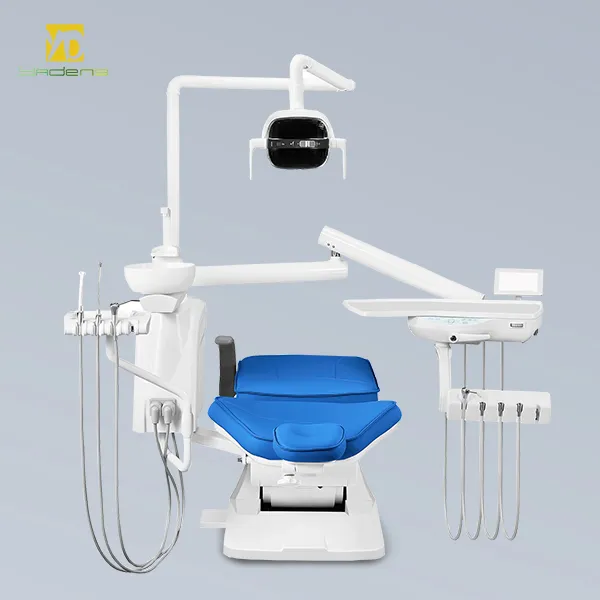
Why is the choice of materials for dental chairs so important?
Of all dental equipment, the dental chair is a highly integrated device that bears heavy loads for extended periods and directly contacts the patient. It not only needs to meet the strength requirements of its mechanical structure but must also comply with stringent standards for use in medical environments.
The Environmental Characteristics of Dental Chairs
Dental chairs typically face the following environmental conditions during daily use:
• High humidity environment
• Frequent contact with water, air, and disinfectants
• Prolonged weight-bearing
• Frequent cleaning and disinfection
• Direct contact with the patient's body
Due to these characteristics, the material requirements for dental chairs are far higher than for ordinary furniture or industrial equipment.
Materials Directly Affect the Core Performance of Dental Chairs
The materials chosen for dental chairs directly affect the following key performance characteristics:
• Structural strength and safety
• Corrosion resistance
• Ease of cleaning and disinfection
• Service life
• Aesthetic stability
Therefore, material selection is a fundamental factor determining the overall quality of a dental chair unit.
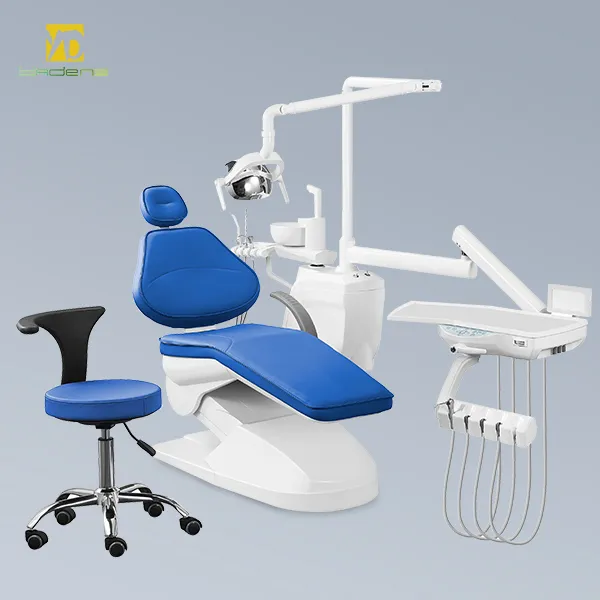
What are the typical components of a dental chair?
What are the material requirements for different components?
To answer the question of what the best materials are for dental chairs, we first need to understand the main components from a structural perspective. The functional differences between different components determine the different focuses in their material selection.
Main Structural Components of a Dental Chair
A complete dental chair typically includes the following key components:
• Base and load-bearing structure
• Frame and connecting structure
• Lifting and tilting mechanism
• Shell and cover
• Patient contact areas
These components together constitute the overall structural system of the dental chair unit.
What is the best material for the load-bearing structure of a dental chair?
The load-bearing structure of a dental chair unit is the foundation of the entire device's safety and one of the most demanding material requirements.
Core Material Requirements for Load-Bearing Structures
The load-bearing structure of a dental chair needs to meet the following conditions:
• High strength
• High stability
• Good fatigue resistance
• Not easily deformed
• Able to withstand repeated lifting and load changes over a long period of time
Under these requirements, material selection must prioritize reliability.
Why is stainless steel the ideal material for the load-bearing structure of a dental chair?
Stainless steel is one of the most common and widely accepted materials for the load-bearing structure of a dental chair unit. Its advantages are mainly reflected in the following aspects:
1. Strong corrosion resistance
Stainless steel maintains stable physical properties even in humid environments and under frequent cleaning conditions, and is not easily rusted or corroded.
2. High structural strength
Stainless steel possesses excellent tensile and compressive strength, meeting the long-term load-bearing requirements of dental chairs.
3. Easy to clean and disinfect
Its dense and smooth surface does not easily adhere to stains, making it ideal for use in high-hygiene environments such as dental clinics, dermatology clinics, and operating rooms.
Because of these characteristics, stainless steel is considered one of the ideal materials for medical chair equipment (including dental chairs).
What materials should be used for the frame and connecting structure of a dental chair?
The frame and connecting structure play a crucial role in transmitting forces and connecting various functional modules in a dental chair unit.
Material requirements for the frame structure
The dental chair frame structure needs to:
• Maintain stability under different angle adjustments
• Withstand dynamic loads
• Cooperate well with the lifting mechanism
Therefore, high-strength metal materials are usually chosen for the frame.
Advantages of Stainless Steel in Dental Chair Frame Structures
Using stainless steel in the frame and connecting parts effectively avoids the following problems:
• Metal fatigue due to long-term use
• Surface corrosion due to cleaning and disinfection
• Degradation of structural performance due to humidity changes
This is why high-quality dental chairs generally use stainless steel extensively in their core structure.
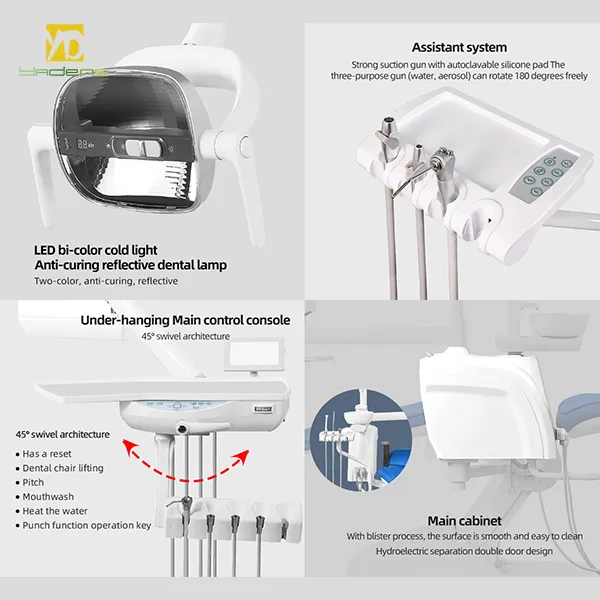
How to Choose Materials for the Dental Chair Shell and Cover?
While the dental chair unit shell and cover do not directly bear the main load, they are still very important in practical use.
Functional Requirements for Shell Materials
Dental chair unit shell materials need to meet the following requirements:
• Good aesthetic stability
• Easy to clean
• Resistant to chemical corrosion
• Resistant to aging
In the dental clinic environment, the shell is frequently exposed to disinfectants, water, and aerosols, making material durability particularly critical.
Compatibility of Shell Materials with Internal Structural Materials
Typically, high-end dental chairs use a combination structure of a metal frame and an engineering plastic shell. This design ensures the strength of the internal structure while also considering aesthetics and ease of maintenance.
What are the Special Material Requirements for Parts of the Dental Chair That Directly Contact the Patient?
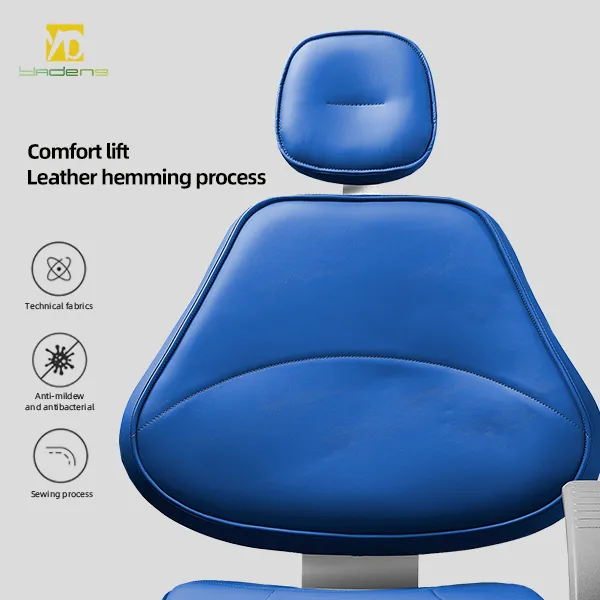
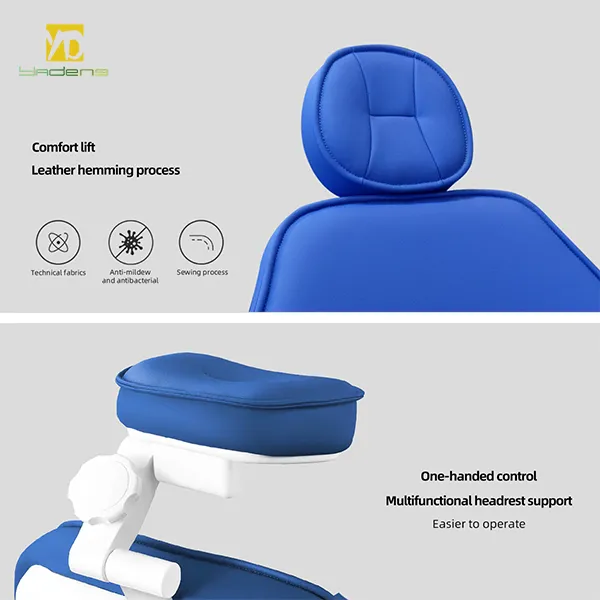
The parts of a dental chair that come into direct contact with the patient, including the backrest, seat cushion, and headrest area, while not the focus of this article on metal materials, are still closely related to the overall quality of the dental chair.
Material Requirements for Patient Contact Areas
These areas need to possess:
• Good support
• Easy cleaning
• Resistance to disinfectants
• No deformation over long-term use
These requirements indirectly determine that the overall structural materials of the dental chair unit must be stable and reliable; otherwise, the overall user experience will be affected.
Why is Stainless Steel Widely Used in Medical Chair Equipment?
In medical environments, stainless steel is used not only in dental chairs but also extensively in:
• Dental clinic chairs
• Dermatology clinic equipment
• Operating room instruments and tables
Summary of the Comprehensive Advantages of Stainless Steel
From a material performance perspective, stainless steel possesses the following comprehensive advantages:
• Excellent corrosion resistance
• Excellent mechanical strength
• Good machinability
• Suitable for high-frequency sterilization environments
These characteristics make stainless steel an extremely reliable material choice for medical environments, further solidifying its core position in dental chair unit manufacturing.
Is it simply true that "stainless steel is the best material for dental chairs"?
From a holistic perspective, it can be understood as follows: In the core load-bearing and structural components of dental chairs, stainless steel is currently one of the most ideal, mature, and widely accepted materials.
However, it's important to note that:
• Dental chairs are multi-material devices.
• Different parts have different material performance requirements.
• The term "best material" should be understood in conjunction with the specific functional parts.
In the parts with the most stringent requirements for load-bearing, safety, corrosion resistance, and hygiene, stainless steel undoubtedly occupies an irreplaceable and crucial position.
How should we understand the "best material" for dental chairs?
• Dental chairs are medical devices with extremely high material requirements.
• Core load-bearing and structural components must possess high strength and corrosion resistance.
• Stainless steel, due to its strong corrosion resistance, ease of cleaning, and structural stability, has become an ideal material for dental chairs and other medical chair equipment.
• The "best material" for dental chairs should be comprehensively judged from different structural parts.
From a professional perspective, the role of stainless steel in dental chair manufacturing is a key foundation for establishing the safety, reliability, and long-term usability of the equipment.
Can customers request customized dental chair configurations?
Absolutely. As a professional dental chair manufacturer and factory in China, we offer customized solutions to meet different clinic needs. Buyers can request specific configurations, colors, functional upgrades, or optional accessories when purchasing dental units. Our engineering and R&D teams work closely with customers to provide tailored dental equipment supply solutions without compromising quality.
