

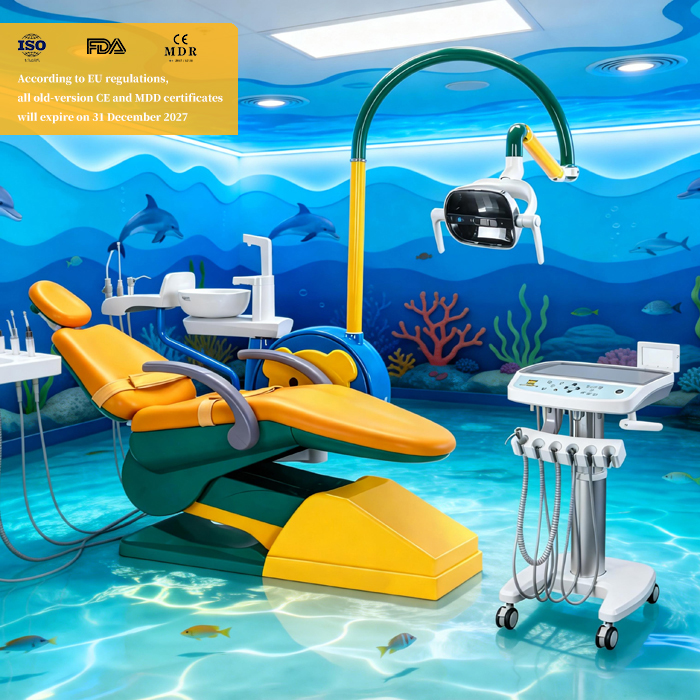
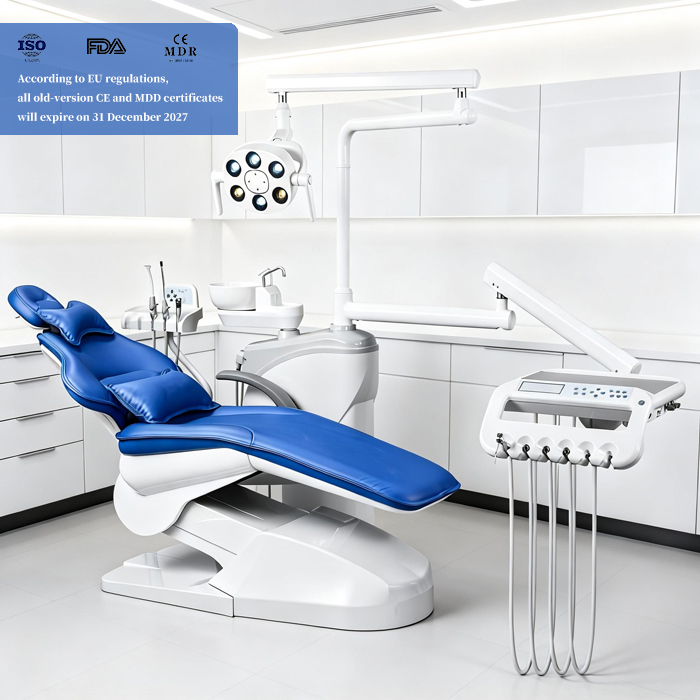
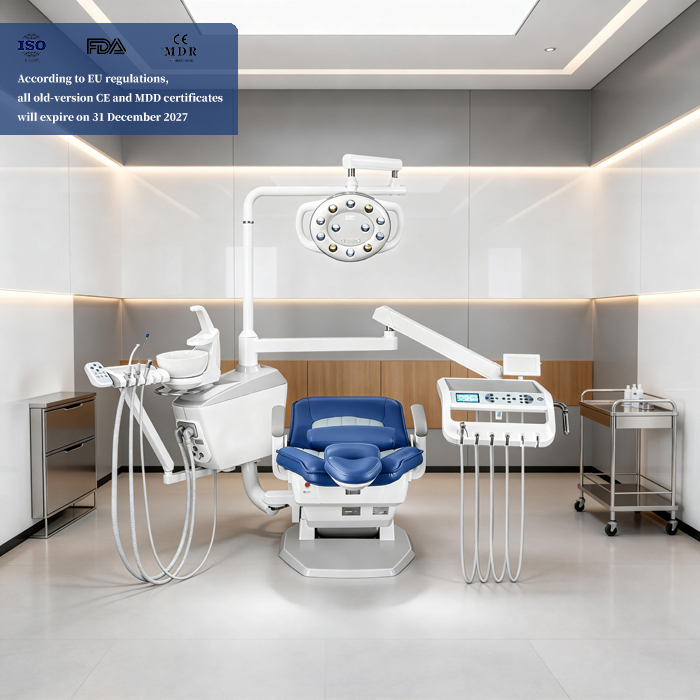
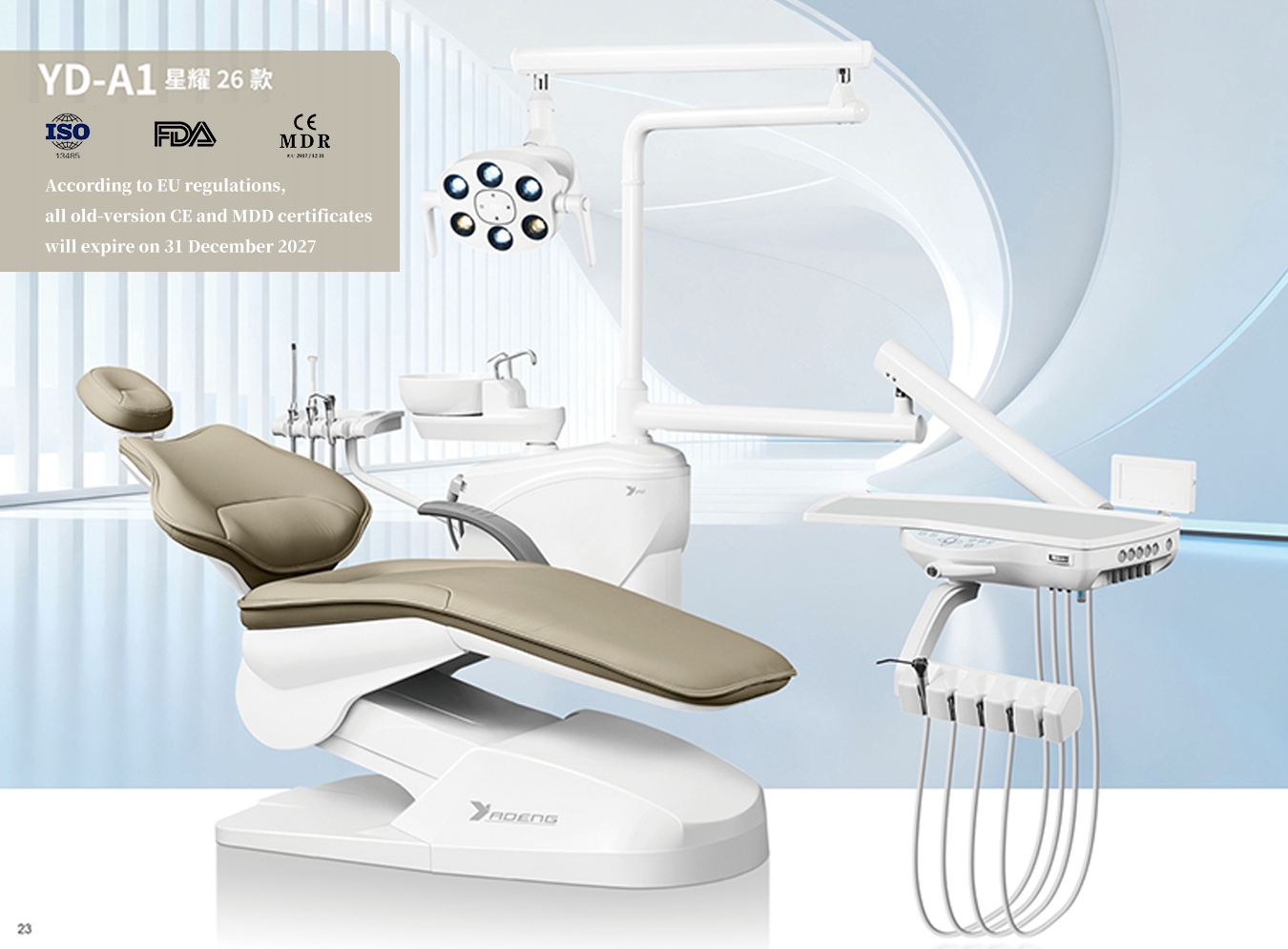
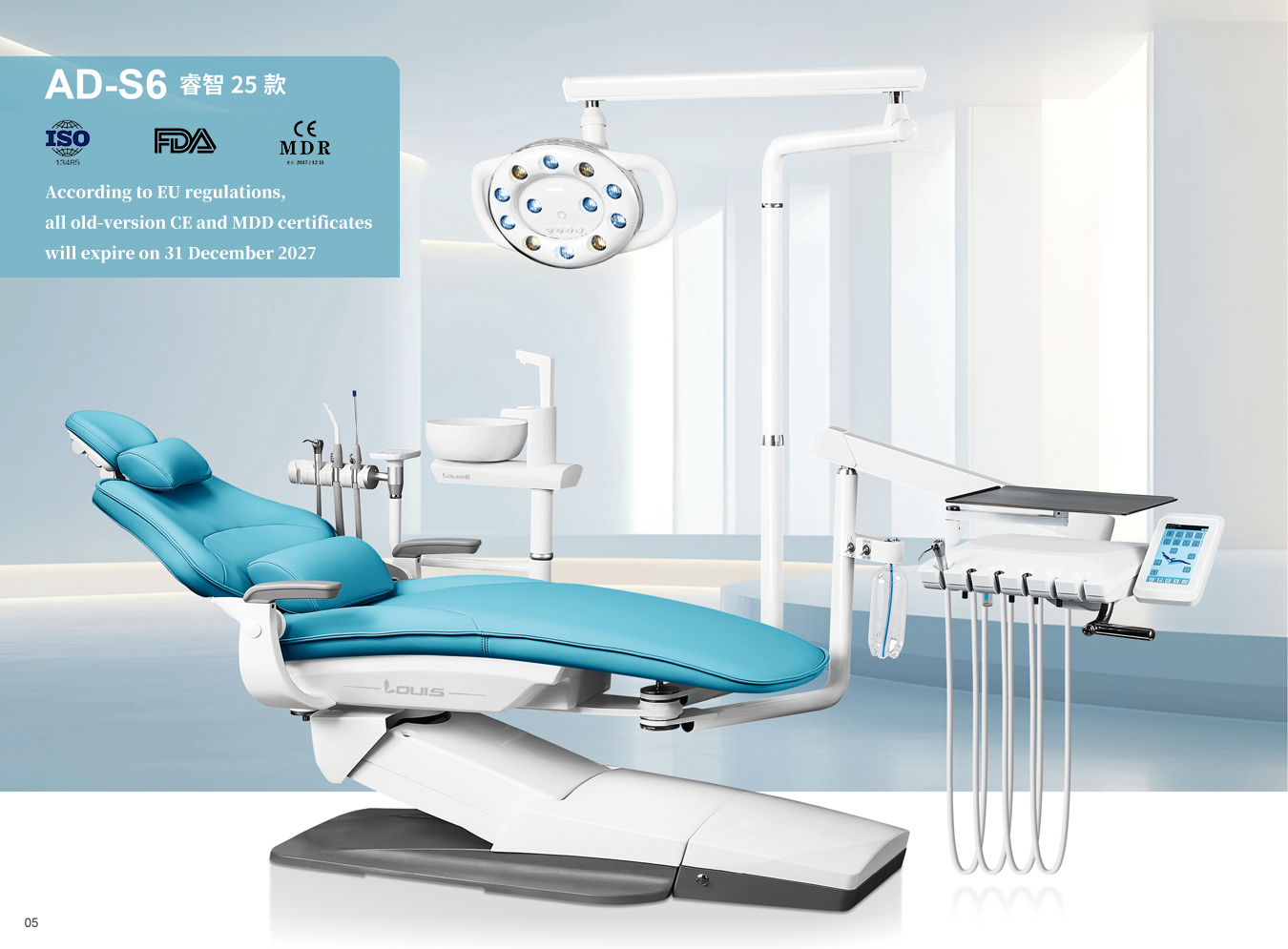
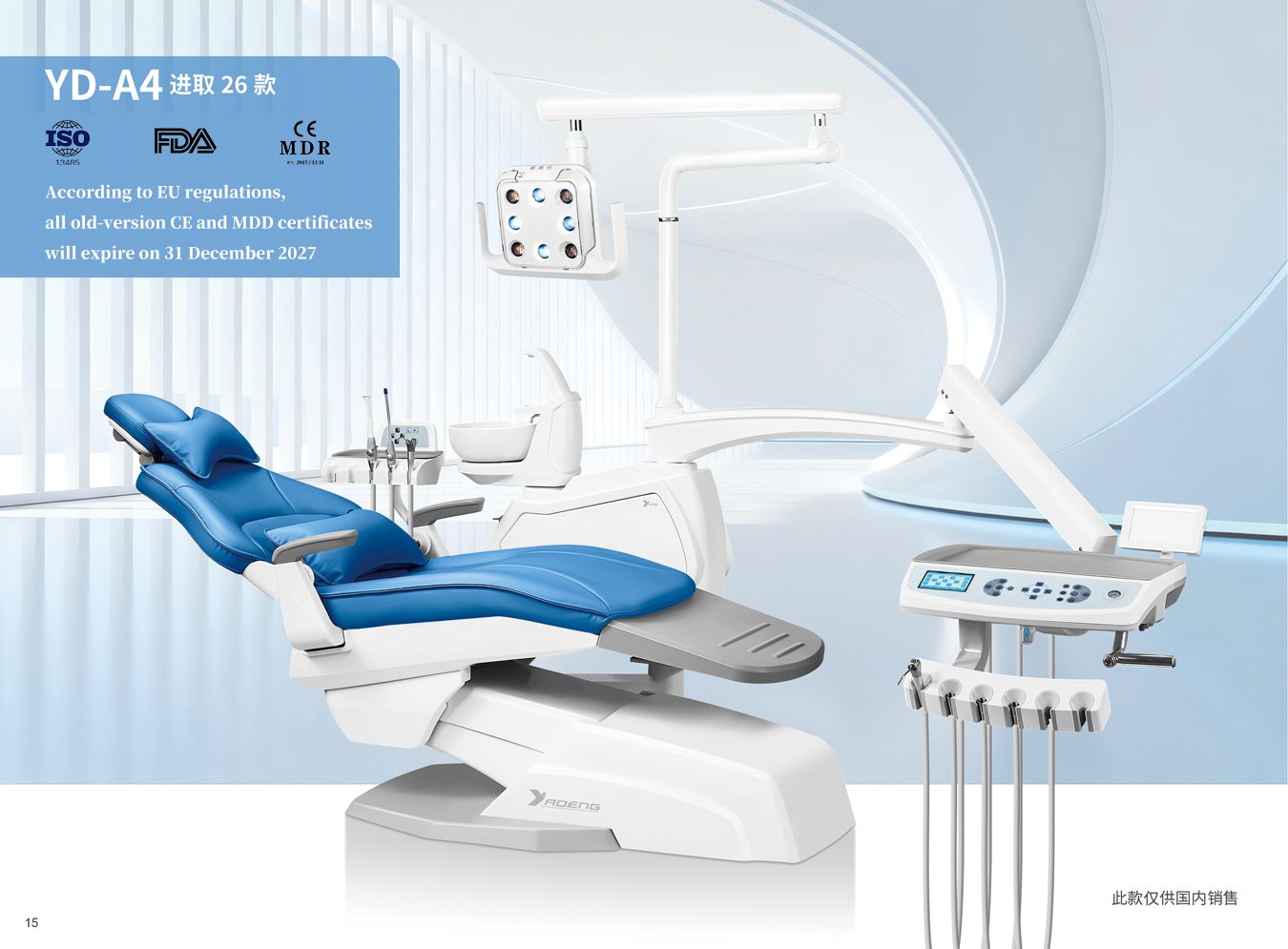
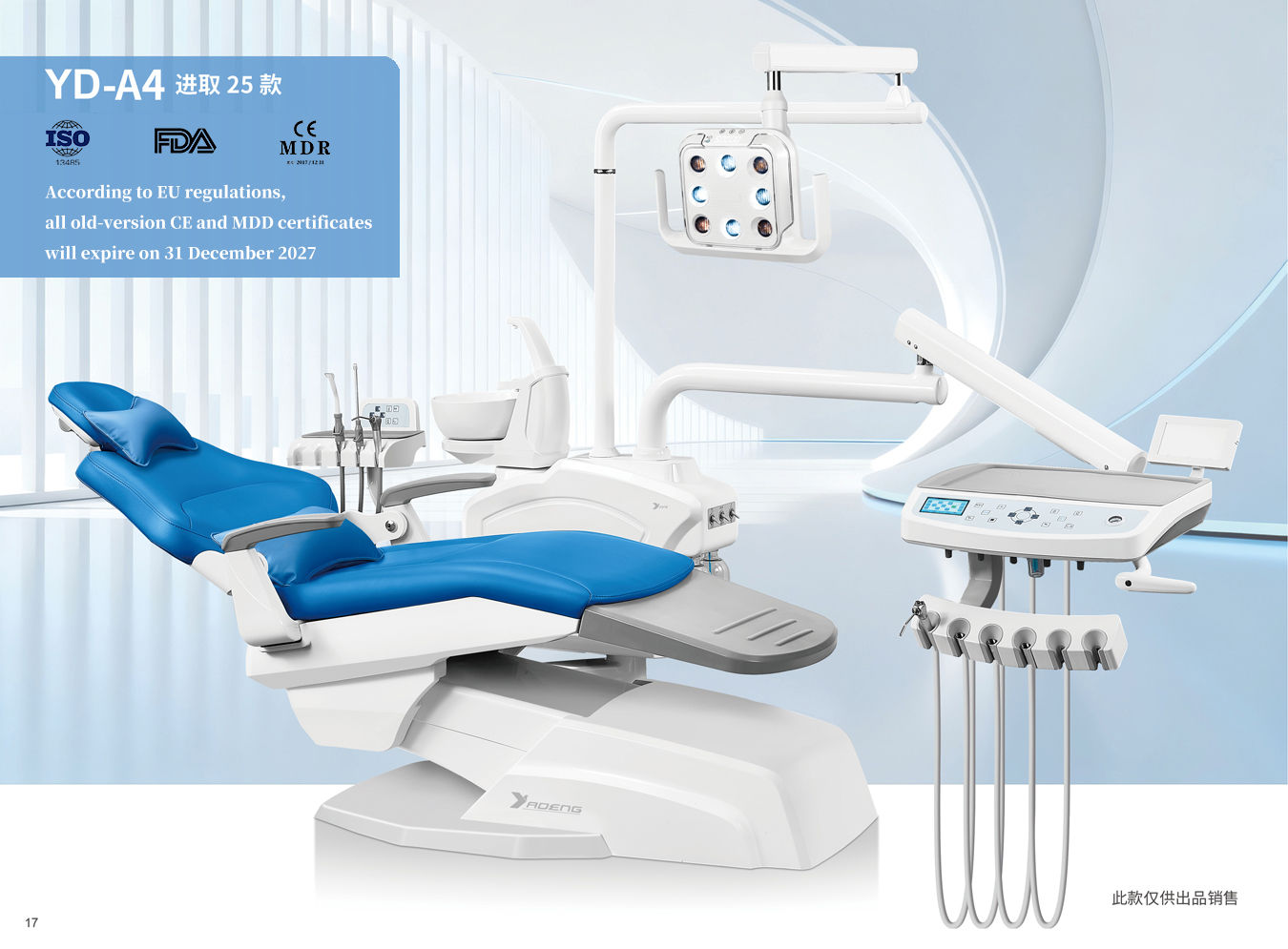
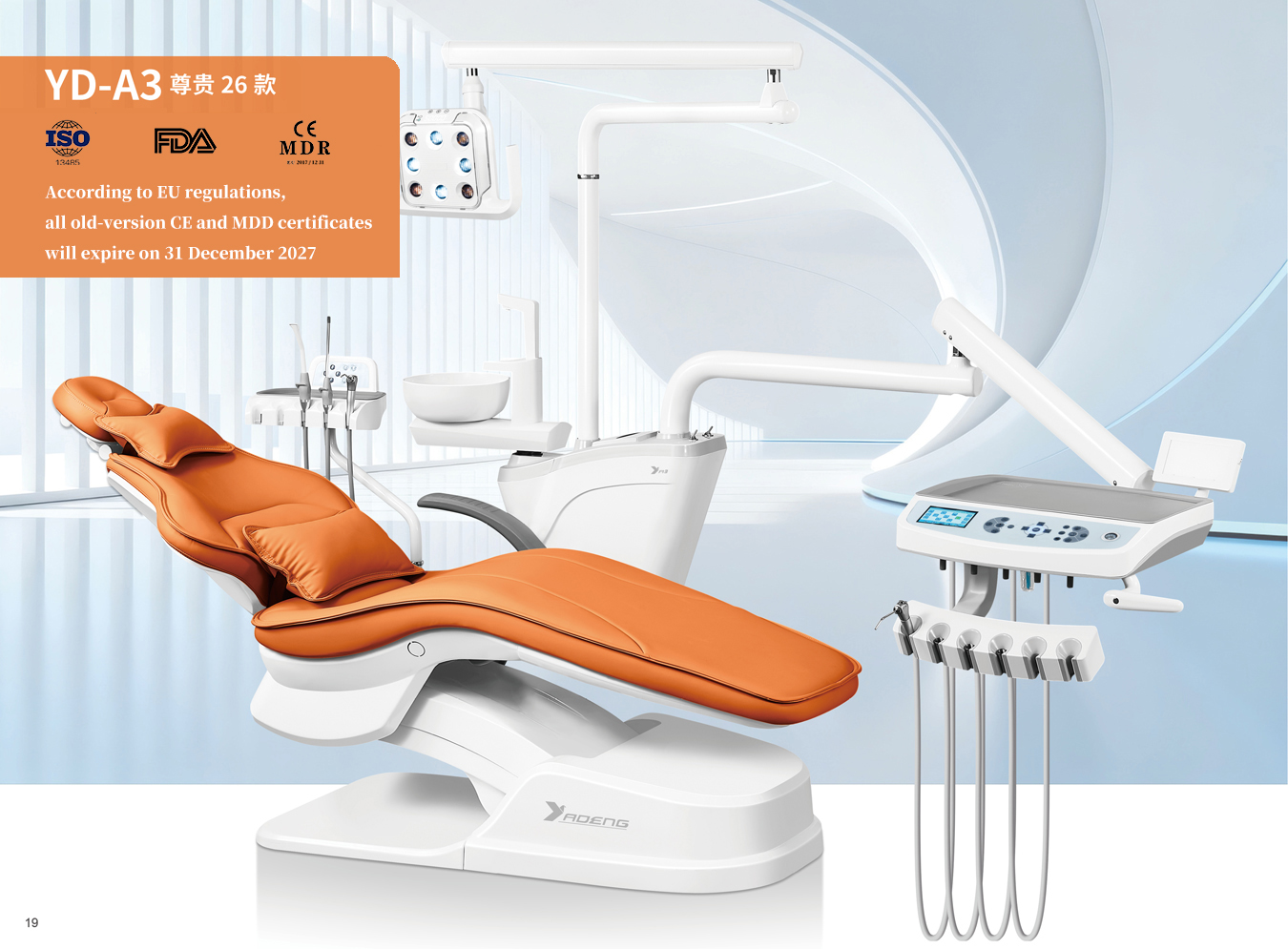
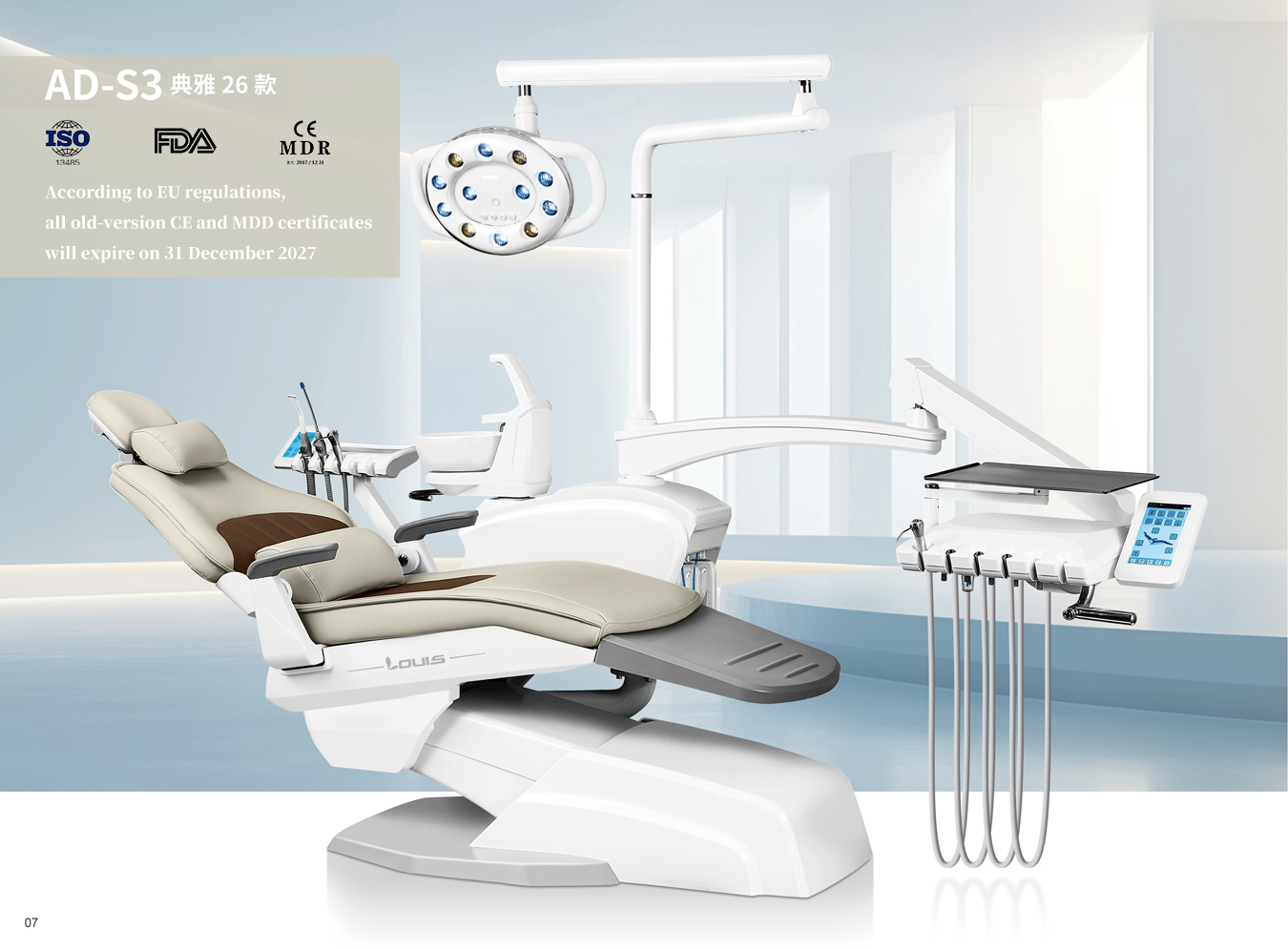
In modern dental practice, the dental chair unit is one of the most core, fundamental, and frequently used pieces of equipment. Whether it's routine checkups, caries treatment, periodontal treatment, or complex restorations, implants, or surgical procedures, almost all treatments revolve around the dental chair unit.
Therefore, a systematic and comprehensive understanding of the main components of a dental chair unit is crucial for dentists, clinic managers, equipment procurement personnel, and even professionals in dental engineering.
This article will focus strictly on the question, "What are the main components of a dental chair unit?" It will provide an in-depth and professional analysis of each key component from the perspectives of structural composition and functional division.
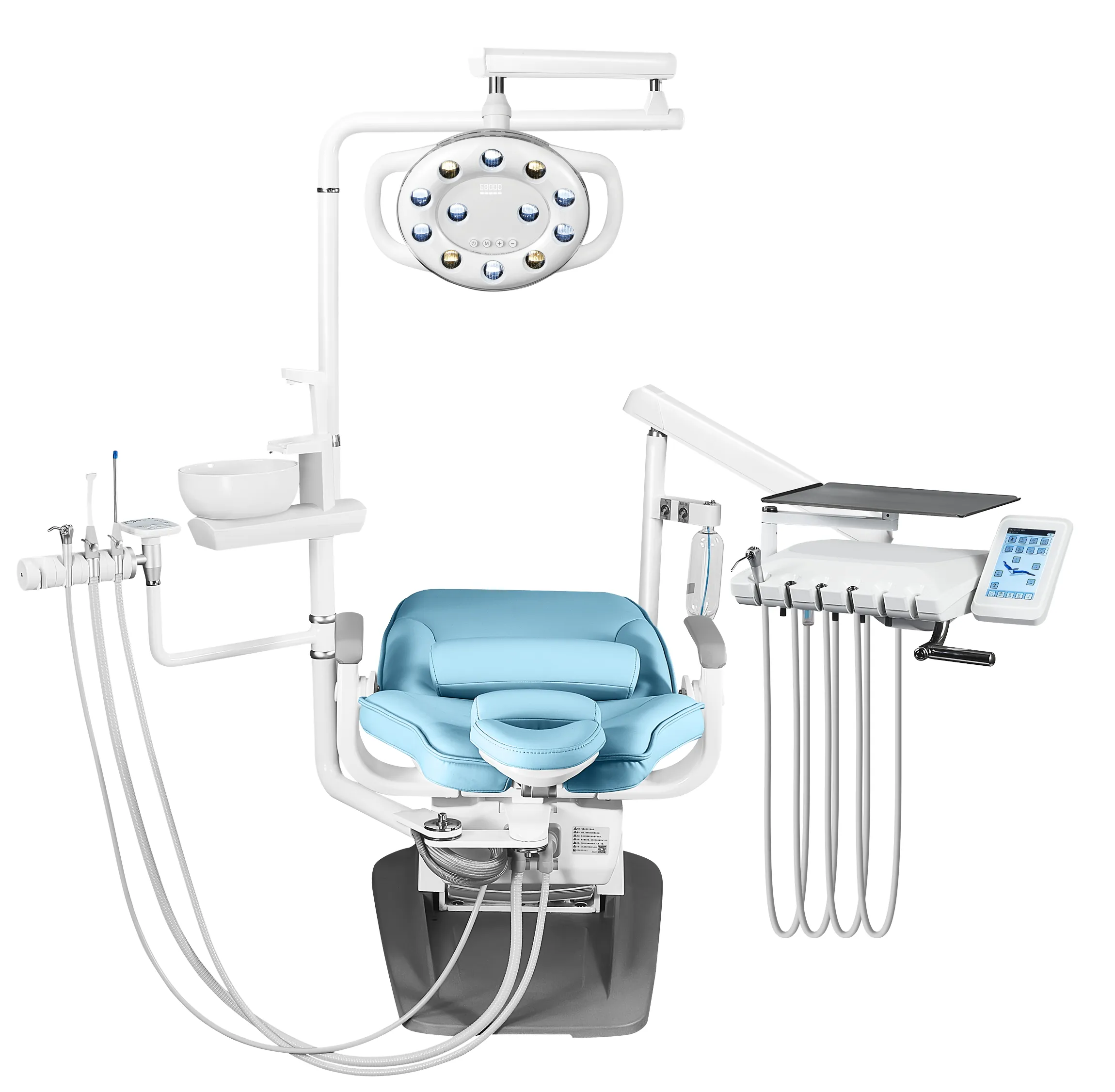
What is a dental chair unit? What systems does it consist of?
Before formally dissecting the specific components of a dental chair unit, it's necessary to first understand what a dental chair unit is as a whole.
From a professional perspective, a dental chair unit is not merely a "height-adjustable chair," but a highly integrated and comprehensive medical device system. It typically consists of multiple subsystems, including a mechanical structure system, a power and control system, a water and air supply system, a doctor and assistant operating system, and a patient support and safety system. These systems work together to enable the dental chair unit to meet the multiple requirements of clinical diagnosis and treatment, such as positioning adjustment, instrument supply, lighting, ease of operation, and patient comfort.
Because of the systematic nature of the dental chair unit, its "main components" are not single parts, but rather a combination of a series of functional modules. The following will explain the main components of the dental chair unit in detail according to functional logic.
The Core Foundation of the Dental Chair Unit: Chair Body and Mechanical Structure System
What are the key components of the dental chair unit's chair body structure?
The chair body is the most visually apparent and functionally core component of the dental chair unit. It directly relates to the patient's positioning stability and comfort, as well as the rationality of the doctor's operating space.
Structurally, the dental chair unit's chair body typically includes the following main components:
1. Base
The base is the part that connects the dental chair unit to the ground and bears the weight of the entire device. High-quality dental chair unit bases are typically made of steel or high-strength alloy materials, possessing excellent stability and vibration resistance. The base often integrates a lifting mechanism, motor, or hydraulic system, providing the fundamental support for the chair's movement.
2. Lifting Mechanism
The lifting mechanism determines the height adjustment capability of the dental chair unit. Depending on the design, lifting systems can be classified as electromechanical, hydraulic, or electro-hydraulic hybrid. Its core objective is to ensure smooth, vibration-free chair height adjustment and precise stopping at the dentist's desired height.
3. Backrest
The backrest is a crucial component of the dental chair unit that directly affects the patient's posture. The backrest's tilt angle is usually electrically adjustable to meet different treatment needs, from sitting to supine or even near-flat positions. A professionally designed backrest should conform to ergonomic curves to reduce patient fatigue during prolonged treatment.
4. Seat Cushion
The seat cushion supports the patient's lower body weight; its width, thickness, and firmness directly impact comfort. Dental chair units typically use high-density foam or multi-layered composite materials for the seat cushion, covered with medical-grade leather or PU material for easy cleaning and sterilization.
5. Headrest
The headrest is a seemingly small but extremely crucial component of the dental chair unit. An adjustable headrest helps the dentist accurately position the patient's head, directly impacting intraoral visual exposure and operational stability. Common headrests include manual adjustment and multi-axis linkage adjustment.
Through the coordinated work of these components, the dental chair unit's chair system provides a stable, safe, and adjustable platform for all subsequent diagnostic and treatment procedures.
The "Power Center" of the Dental Chair Unit: Control System and Control Panel
How does the dental chair unit achieve precise control?
Modern dental chair units rely heavily on electronic control systems to perform complex and precise motion control. The control system can be considered the "nerve center" of the dental chair unit, responsible for coordinating chair movement, instrument delivery, and some auxiliary functions.
The main components include:
1. Control Board
The control board, usually hidden inside the dental chair unit, is the core control module of the entire device. It receives commands from the control panel or foot switch and translates these commands into control signals for the motors, solenoid valves, or hydraulic systems.
2. Doctor Control Panel
The doctor control panel is one of the most frequently used components in the dental chair unit. Through this panel, the doctor can quickly adjust the chair position, control the irrigation water, and switch instrument statuses. The layout of the control panel directly affects clinical efficiency.
3. Assistant Control Panel
In two- or four-handed operation modes, the assistant control panel is also an important component of the dental chair unit. It is usually integrated on the assistant's side and is used to control functions such as saliva suction, irrigation system, or auxiliary lighting.
4. Foot Control
The foot control is a key component for achieving "hands-free operation" in the dental chair unit. By using a foot pedal, dentists can control handpiece speed, chair position, and water spray without leaving the operating area, thus improving operational continuity and aseptic technique.
The stability and responsiveness of the control system are key indicators of a dental chair unit's professional performance.
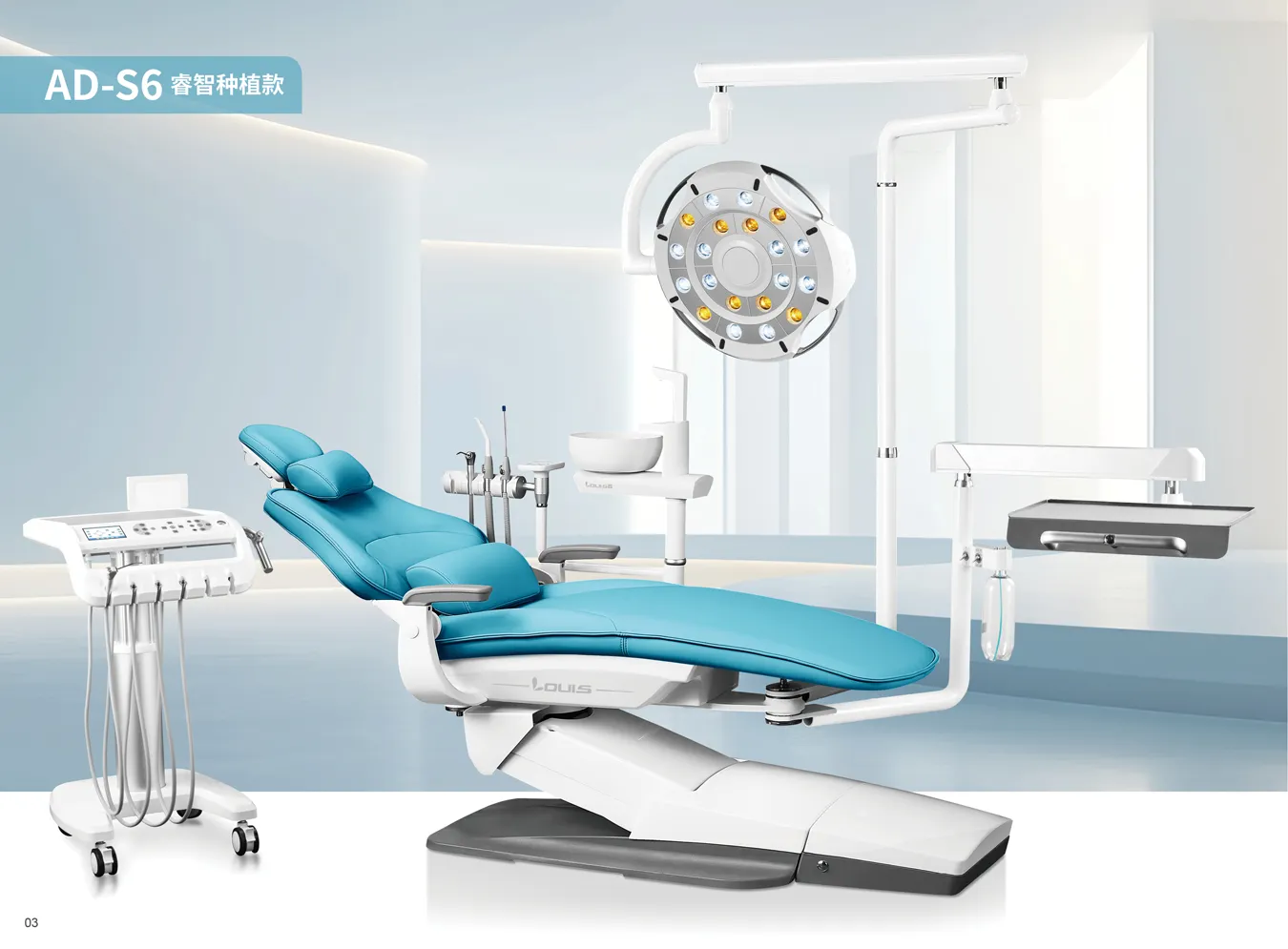
Indispensable Systems in a Dental Chair Unit: Water and Air Components
What are the core components of a dental chair unit's water and air systems?
The water and air systems are fundamental to the dental chair unit's therapeutic functions, directly affecting handpiece operation, cooling, rinsing, and patient oral hygiene.
Main components include:
1. Air Supply Interface and Pressure Regulator
The dental chair unit requires a stable supply of compressed air to drive high-speed handpieces, low-speed handpieces, and the three-way handpiece. The pressure regulator ensures stable output air pressure, preventing pressure fluctuations from affecting instrument performance.
2. Water Supply Interface and Filtration System
The water supply system provides the dental chair unit with the necessary water for treatment. The filtration system removes impurities from the water, protecting internal tubing and instruments while improving safety.
3. Three-way nozzle (water/air/mist)
The three-way nozzle is a frequently used component of the dental chair unit. It can output water, air, or water mist separately or in combination for rinsing, drying, or assisting in visual field exposure.
4. Tubing System
Water and air tubing are concealed within the dental chair unit and serve as crucial channels connecting various functional modules. High-quality tubing should possess characteristics such as pressure resistance, aging resistance, and ease of maintenance.
The rational design of the water and air system not only affects the functional integrity of the dental chair unit but also relates to daily maintenance and long-term operating costs.
Extension of the Physician's Work: Instrument Tray and Physician Position System
What are the components of the physician's position system in a dental chair unit?
The physician's position system is the functional area of the dental chair unit that directly serves the physician's operations. Its rational design directly affects operational comfort and efficiency.
Main components include:
1. Instrument Tray
The instrument tray is used to hold treatment instruments such as high-speed handpieces, low-speed handpieces, scalers, and light-curing lamps. The instrument tray can be designed as a suspended, movable, or integrated unit, balancing stability and flexibility.
2. Handpiece Hose and Interface
The dental chair unit connects to various handpiece devices via a hose. The interface must have good sealing and versatility to accommodate different instrument models.
3. Doctor's Seat Support Arm
The support arm structure supports the entire doctor's seat system, allowing the instrument tray to move flexibly within a certain range while maintaining balance.
Auxiliary Functions are Crucial: Assistant Seat System and Suction Device
What role does the assistant seat system play in the dental chair unit?
In modern dental practice, the assistant seat system has become an important component of the dental chair unit.
It mainly includes:
1. Strong and Weak Suction System
The suction device is used to promptly remove saliva, blood, and debris from the patient's mouth, ensuring a clear field of vision. Strong and weak suction are suitable for different treatment scenarios.
2. Assistant Seat Support Arm and Tray
The assistant seat support arm places the suction device and auxiliary tools in an easily accessible position, improving the efficiency of four-handed operation.
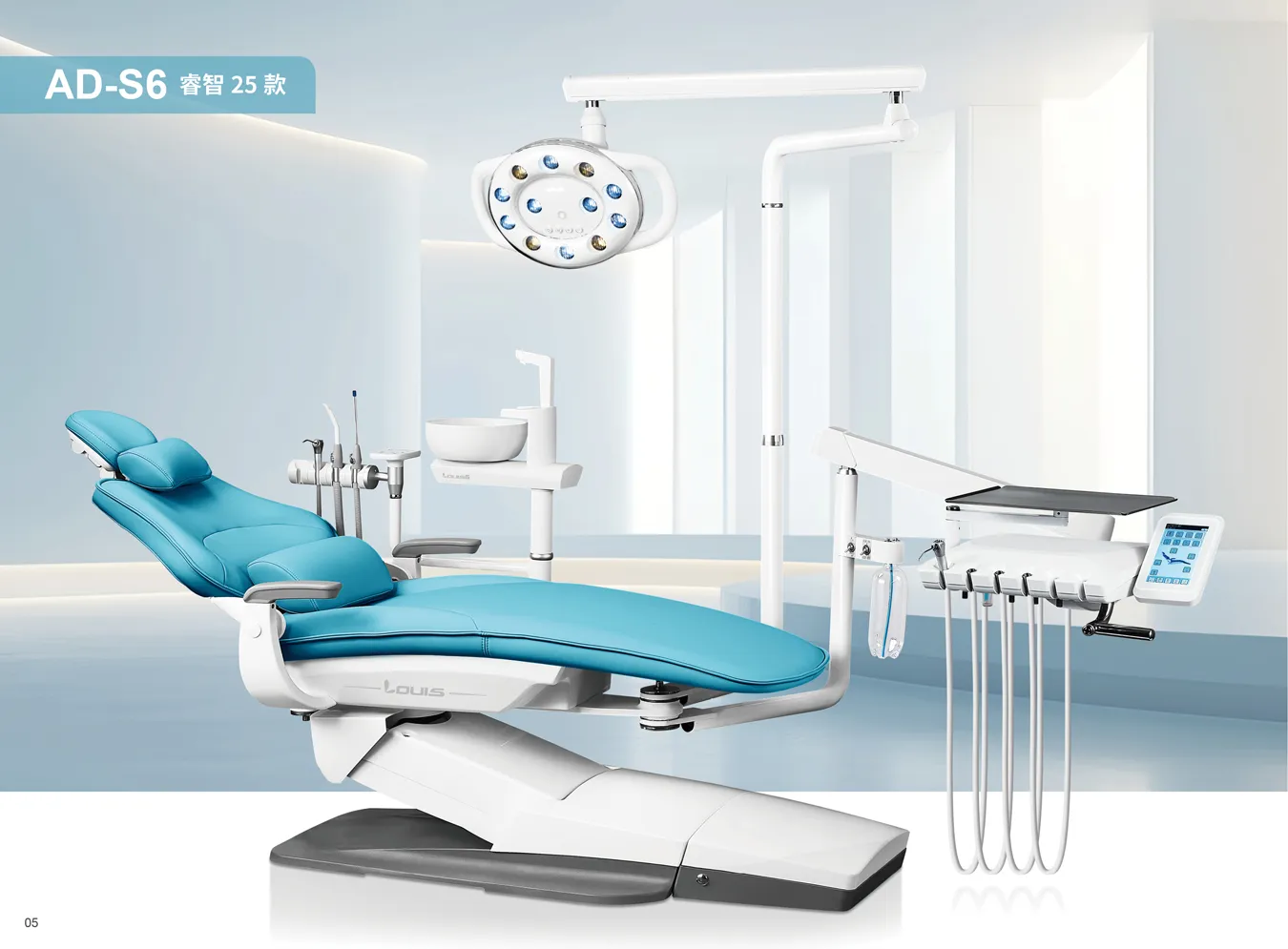
Lighting and Visibility Support: Luminaires and Related Components
What are the components of a dental chair unit's intravesical light?
The intravesical light is a key component in a dental chair unit, ensuring clear vision.
It typically includes a lamp head, lamp arm, and control module. High-quality luminaires should feature adjustable brightness, uniform light distribution, and stable color temperature.
Safety and Comfort-Related Components Are Equally Important
In addition to the core systems mentioned above, dental chair units also include various safety and comfort components, such as armrests, safety limiters, and anti-backflow mechanisms. While these components do not directly participate in treatment, they are crucial to the overall user experience and equipment compliance.
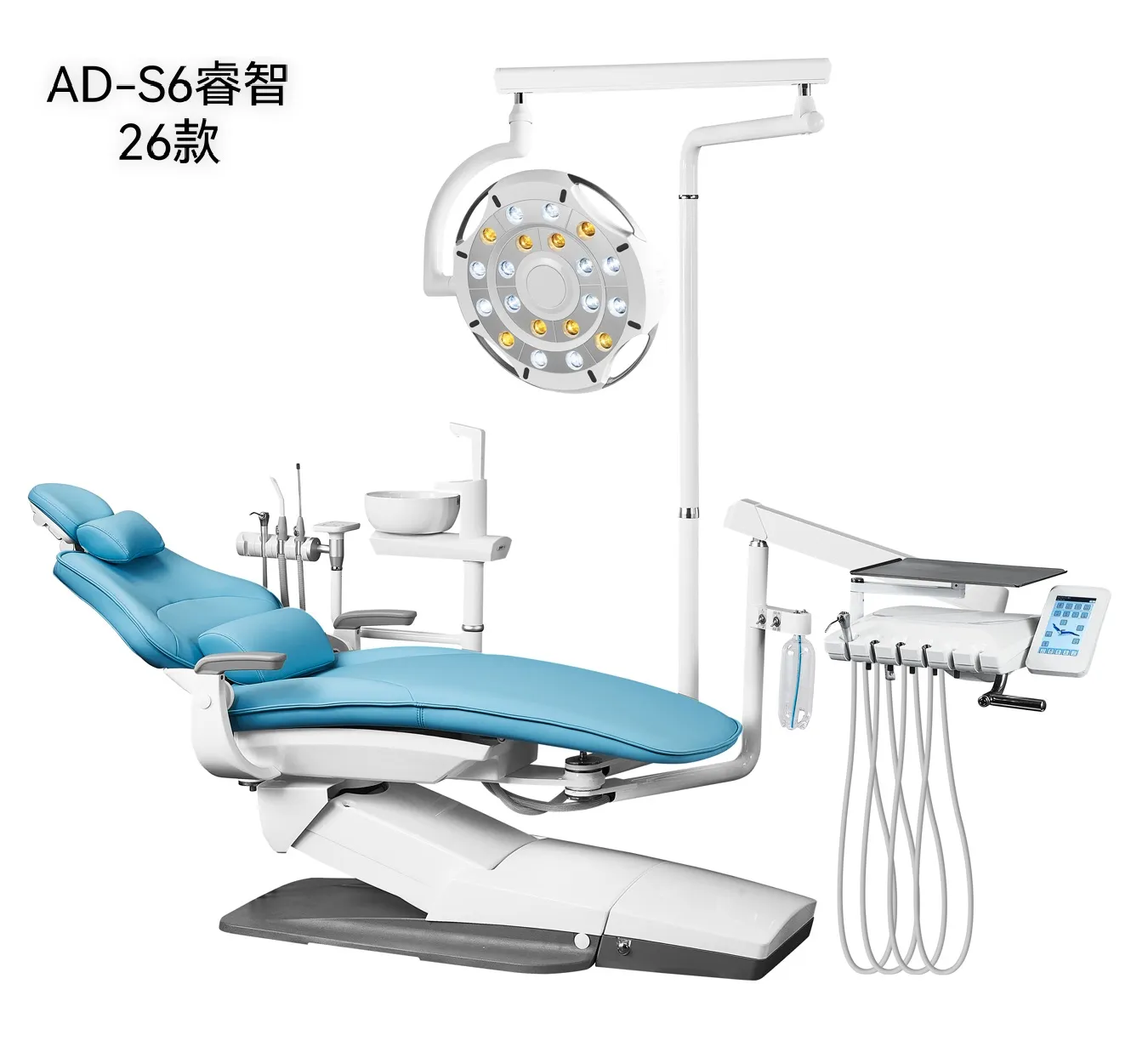
Are Yadeng dental chairs suitable for global markets?
Yes, our dental chairs and units are designed and manufactured to meet international standards. As a certified dental equipment manufacturer with CE and ISO13485 approvals, our products are safe and reliable for clinics worldwide. Buyers looking to buy dental chairs from a professional China supplier can trust our compliance and performance.
Our global sales network across Europe, Asia, Africa, and Latin America demonstrates that our equipment is well accepted in diverse markets.
